
Time Periods
Paleolithic
Mesolithic
Neolithic
Chalcolithic
Bronze Age
Iron Age
Classical Period
Post-Classical Period
Early Modern Period
Industrial Period
Contemporary Period
Time Periods
Paleolithic
Mesolithic
Neolithic
Chalcolithic
Bronze Age
Iron Age
Classical Period
Post-Classical Period
Early Modern Period
Industrial Period
Contemporary Period
Location
About
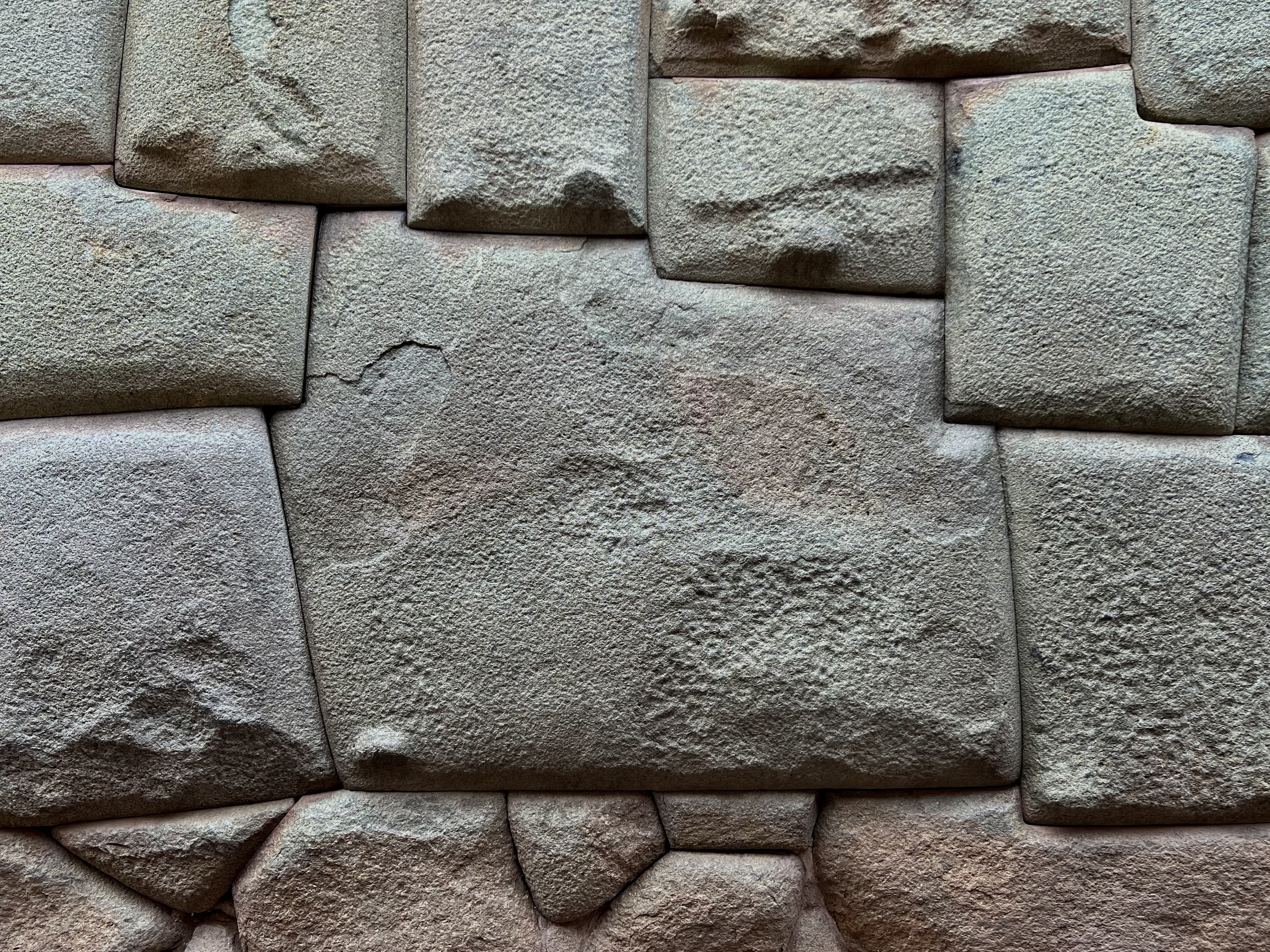
The twelve-angled stone in Cuzco, Peru, is a renowned archaeological artifact exemplifying Incan architecture and stonework expertise. Composed of diorite, the stone is part of a wall within the palace of the Archbishop of Cuzco, originally an Inca palace. Its unique twelve-angled shape reflects the Incas' advanced construction techniques and their pursuit of architectural perfection. The stone is located on Hatun Rumiyoc street, a significant cultural heritage site in Peru. The precise cutting and fitting of the stone without mortar is a testament to the Incas' sophisticated knowledge of structural engineering. As a result, it has become a popular tourist attraction and a symbol of Incan cultural pride.
Gallery
Explore photographs of ancient structures, artifacts, and archaeological excavations at Twelve-angled stone
Archaeological Features
Explore the unique architectural and cultural elements found at this historical site
Domestic and Habitation Structures
Historical Timeline
Journey through time and discover key events in this site's archaeological history
Plan Your Visit
Details
- Country
- Cusco Region
- Source
- Wikipedia
More Sites in Cusco Region
Qollmay
Inca site with terraced structures and cave
Colcampata
Elevated archaeological site in Cusco, Peru.
Pumawasi, Anta
Pre-Columbian rock-art cave in Peru
Tambomachay
Incan aqueducts, canals, and waterfalls near Cusco
Pinkuylluna
Mountain archaeological site in Peru
Waqrapukara
Inca fortress on mountain in Peru