Time Periods
Paleolithic
Mesolithic
Neolithic
Chalcolithic
Bronze Age
Iron Age
Classical Period
Post-Classical Period
Early Modern Period
Industrial Period
Contemporary Period
Time Periods
Paleolithic
Mesolithic
Neolithic
Chalcolithic
Bronze Age
Iron Age
Classical Period
Post-Classical Period
Early Modern Period
Industrial Period
Contemporary Period
Location
About
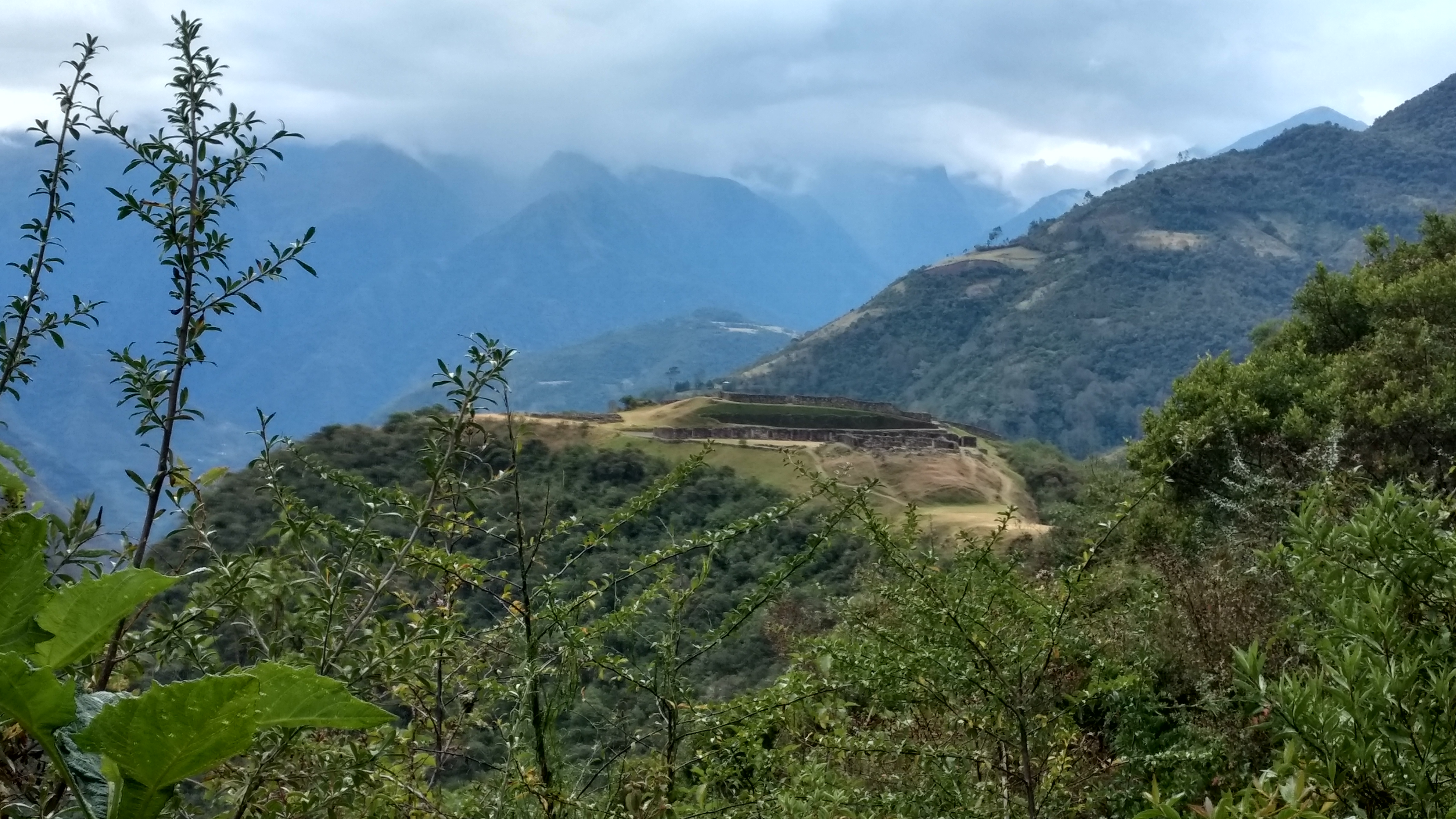
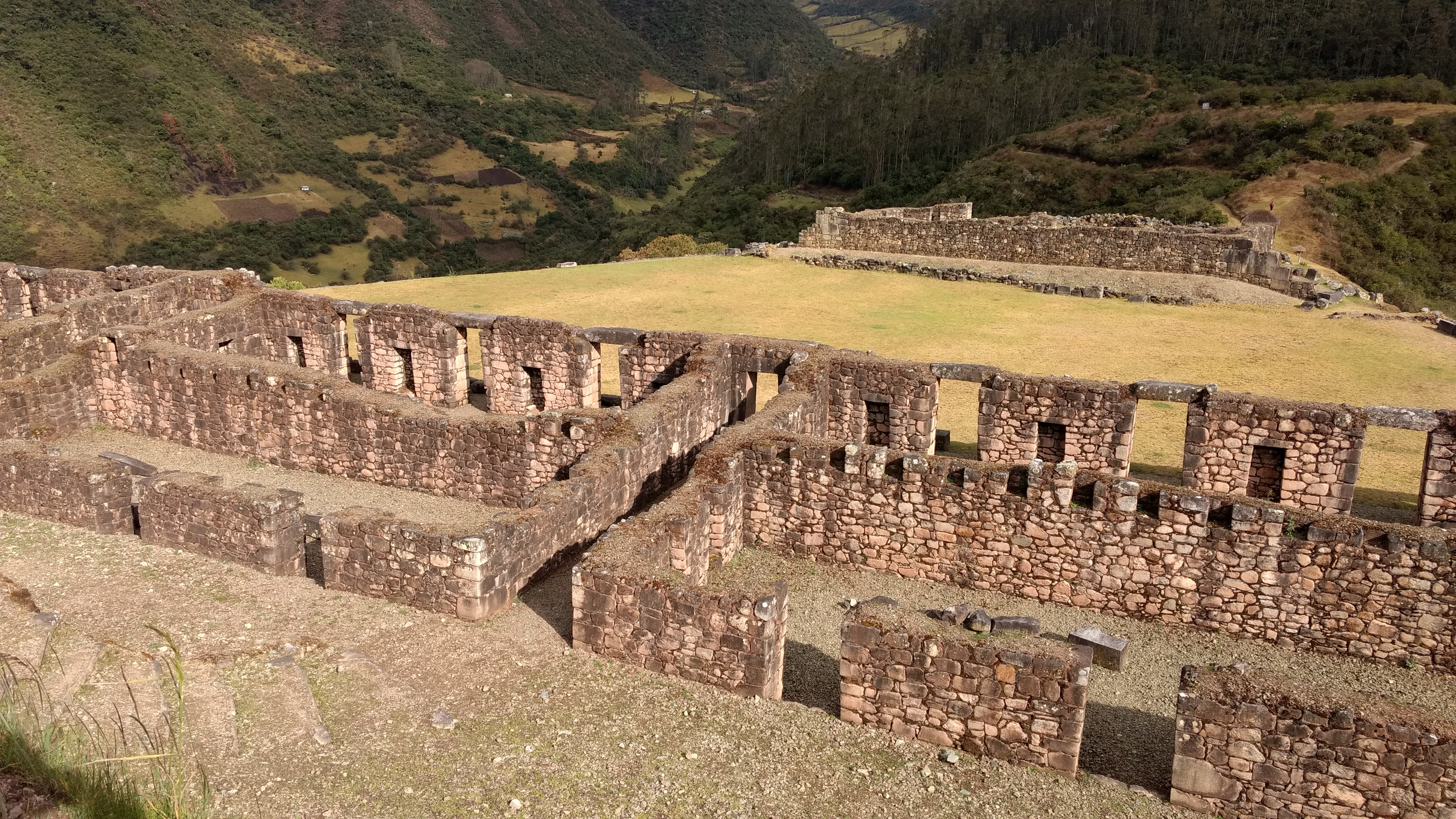
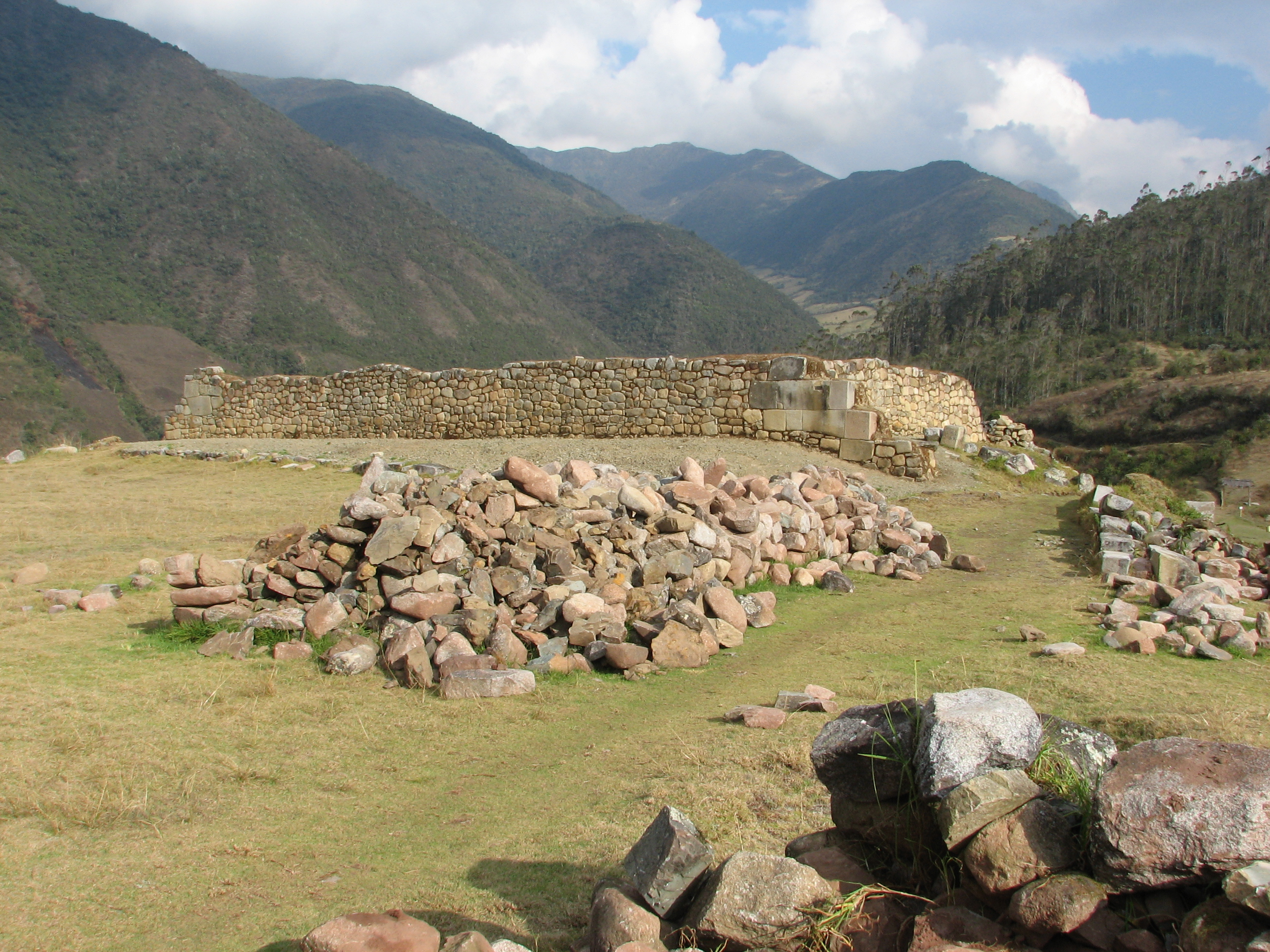
Vitcos, a significant Inca site in the Vilcabamba region of Peru, served as both a residence for Inca nobles and a ceremonial center of the Neo-Inca State from 1537 to 1572 CE. Strategically located on a ridge, Vitcos was part of a network of major centers, including Machu Picchu and Choquequirao, established by the Incas around 1450 CE. The site features a palace complex with dual building units and ceremonial platforms, exemplifying Inca architectural prowess. Vitcos was a focal point during the resistance against Spanish conquest, witnessing several key battles. Despite its eventual capture by the Spanish in 1572 CE, Vitcos remains a testament to the resilience and cultural significance of the Inca civilization, offering insights into their social, religious, and architectural practices.
Gallery
Explore photographs of ancient structures, artifacts, and archaeological excavations at Vitcos
Archaeological Features
Explore the unique architectural and cultural elements found at this historical site
Religious and Ritual Structures
Agricultural and Land Use Features
Domestic and Habitation Structures
Transportation and Communication Structures
Historical Timeline
Journey through time and discover key events in this site's archaeological history
Plan Your Visit
Details
- Country
- Cusco Region
- Source
- Wikipedia
More Sites in Cusco Region
Sacred Valley
Fertile valley with Inca ruins and terraces

Quispiguanca
Inca royal estate with agricultural terraces
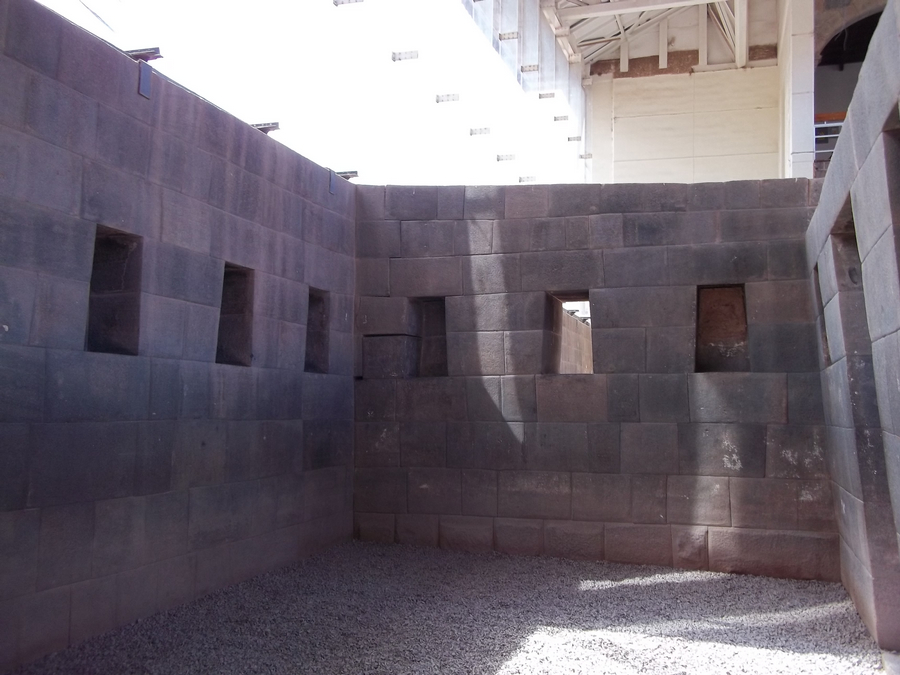
Coricancha
Inca temple with exquisite stone masonry
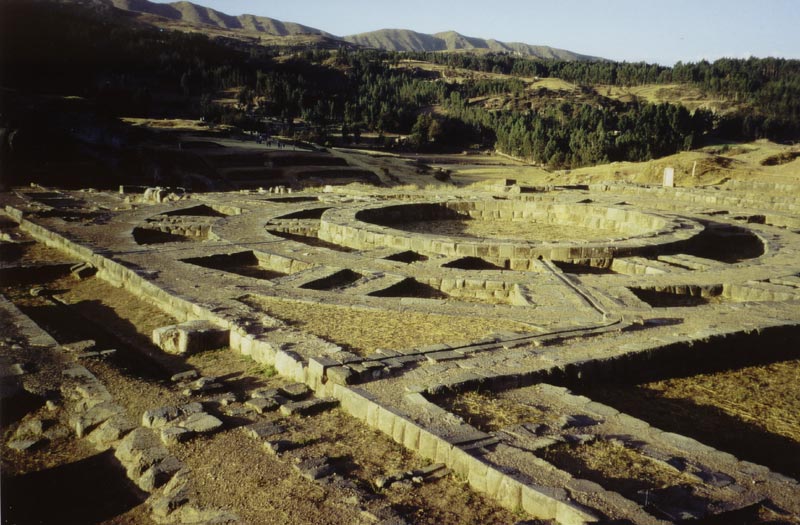
Muyuq Marka
Circular Incan tower with concentric walls
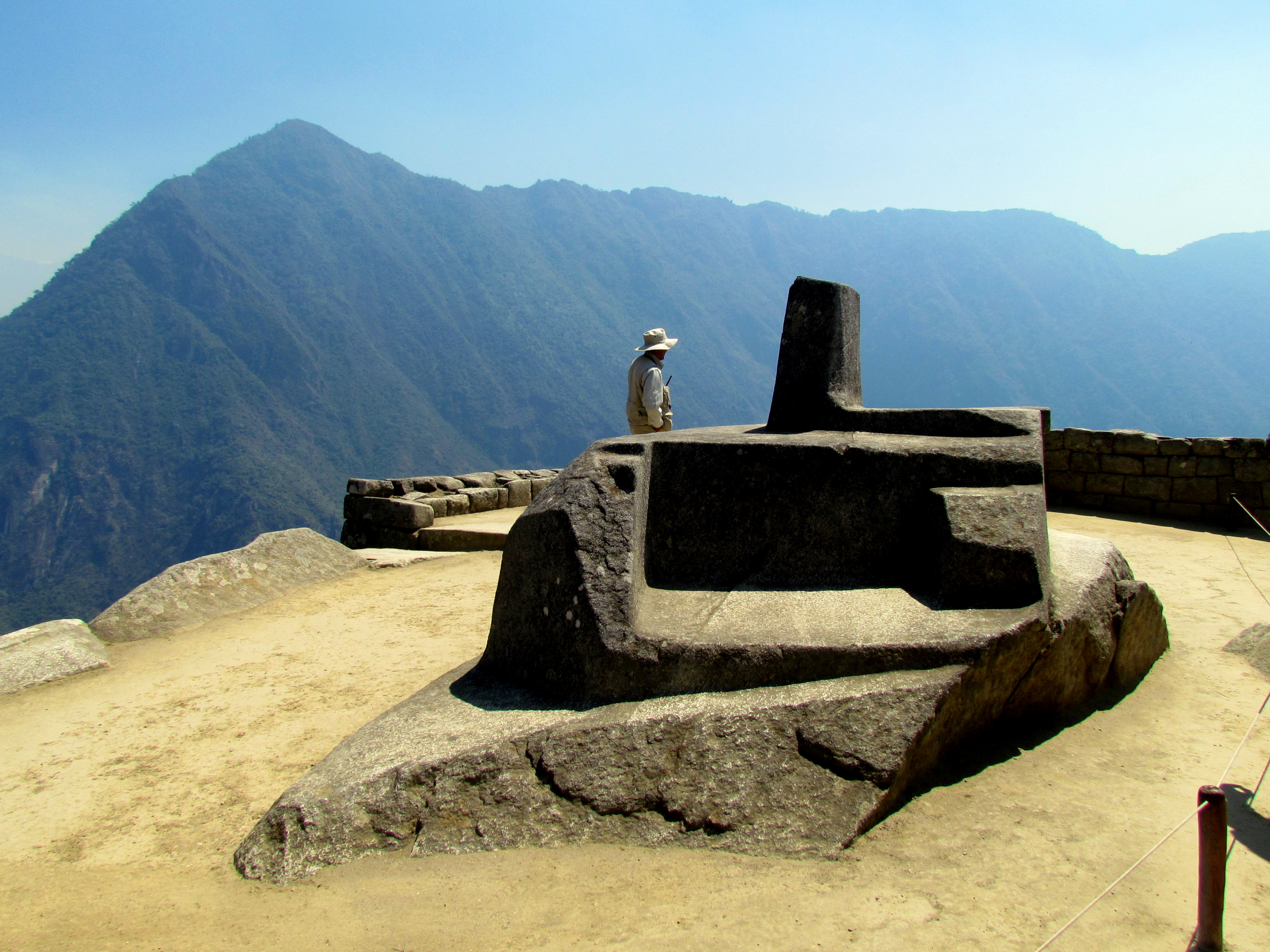
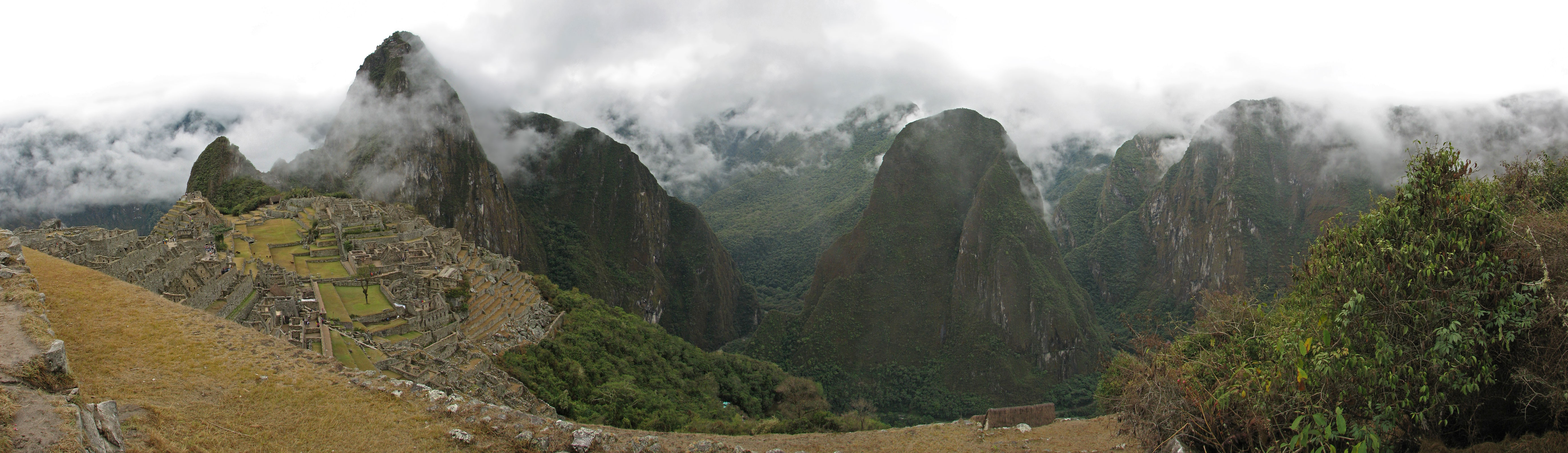
Machu Picchu
15th-century Inca citadel on mountain ridge
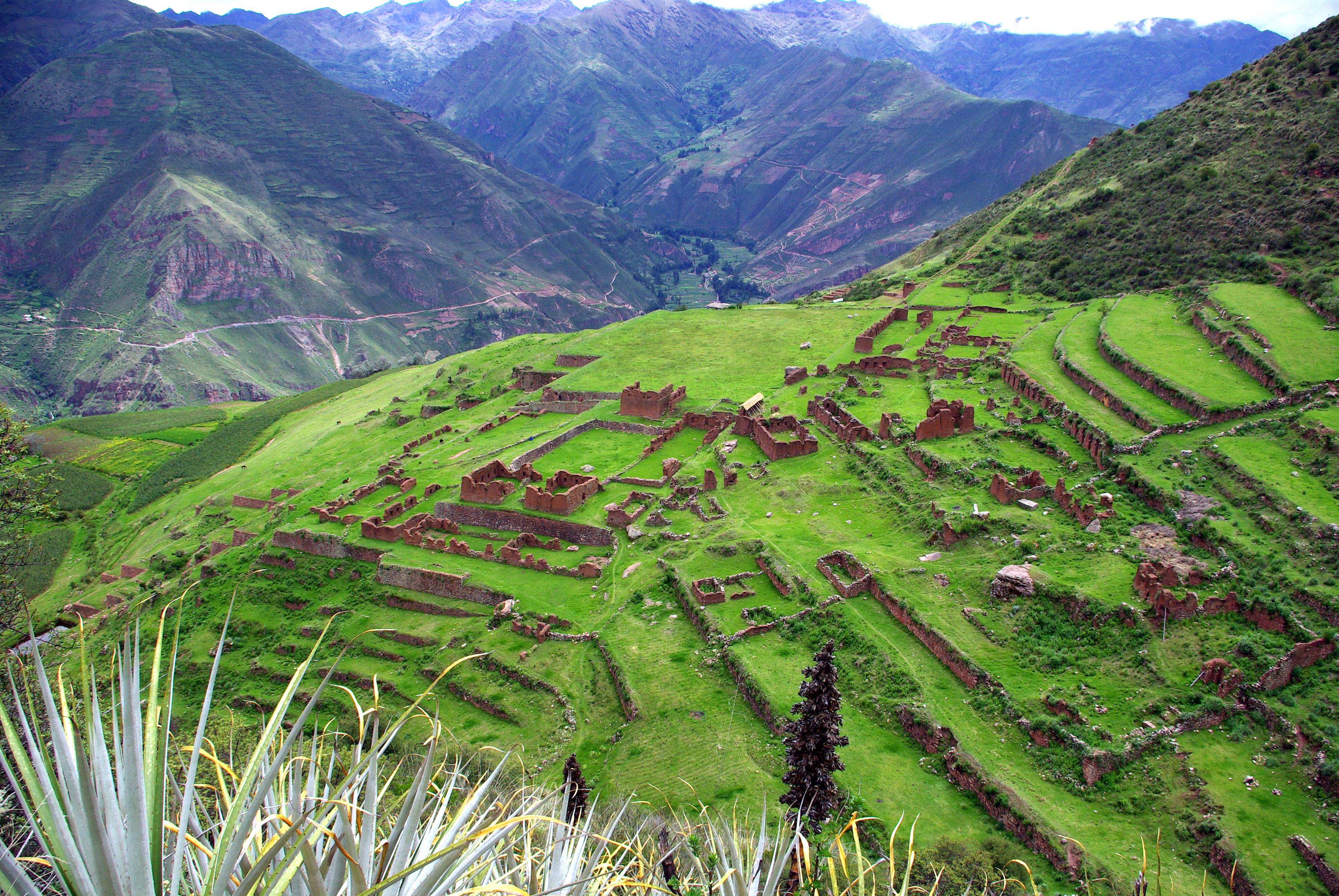
Huchuy Qosqo
Incan royal estate overlooking Sacred Valley