
Explore the Map
Khirokitia
34.7967° N, 33.3437° E
About
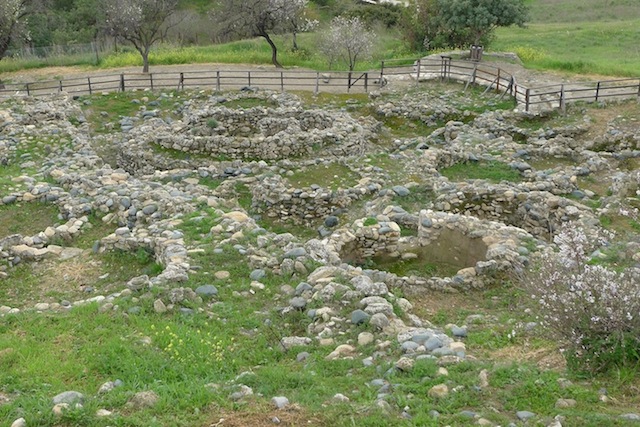
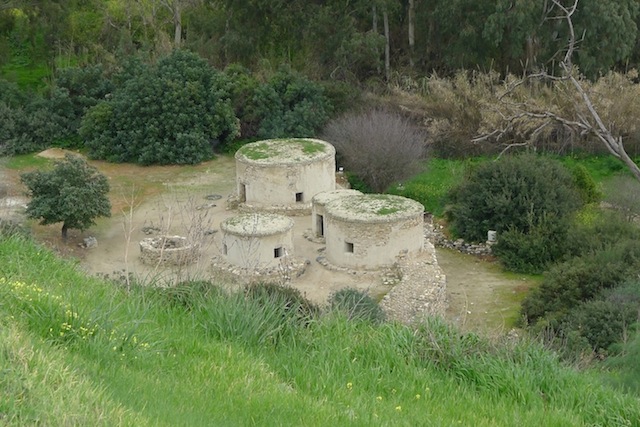
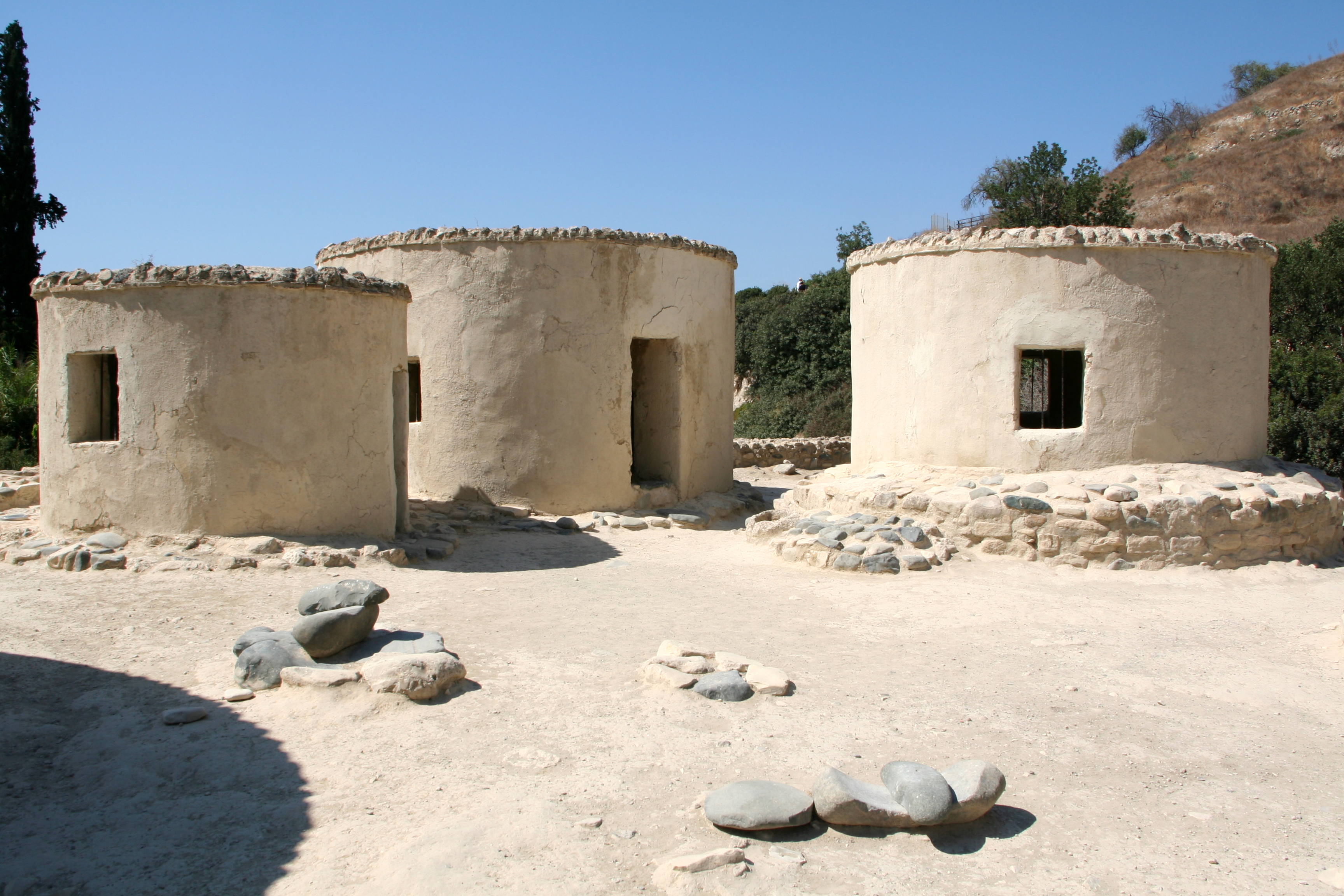
Khirokitia, located on the island of Cyprus, is a significant Neolithic site dating back to around 7000 BCE. It is recognized for its well-preserved architecture and evidence of a cohesive, organized society. The settlement is characterized by its round stone houses, known as tholoi, which cluster around open courtyards, suggesting a familial or communal living arrangement. The site was fortified with a substantial stone wall, indicating a need for protection and communal defense. Subsistence practices included agriculture, animal husbandry, and hunting. The inhabitants had a relatively short lifespan, with high infant mortality rates. The site was abandoned around 6000 BCE for reasons still unknown, which left a notable gap in the archaeological record of the island until later discoveries revealed continuous occupation in other areas. Khirokitia's archaeological importance lies in its insights into early human settlement patterns and societal organization during the Neolithic period.
Gallery
Explore photographs of ancient structures, artifacts, and archaeological excavations
Historical Timeline
Journey through time and discover key events in this site's history
Foundation of Khirokitia Settlement
7000 BCE
Abandonment of Khirokitia
6000 BCE
Archaeological Features
Unique architectural and cultural elements found at this historical site
Defensive Structures
Animal Husbandry Features
Burial and Funerary Structures
Domestic and Habitation Structures
Food Production and Processing Features
Frequently Asked Questions
Plan Your Visit
Tours, travel arrangements, and practical information
More Sites in Cyprus
Klimonas
Subterranean circular building in Cyprus.
Tenta, Cyprus
Aceramic Neolithic settlement on Cyprus hill.
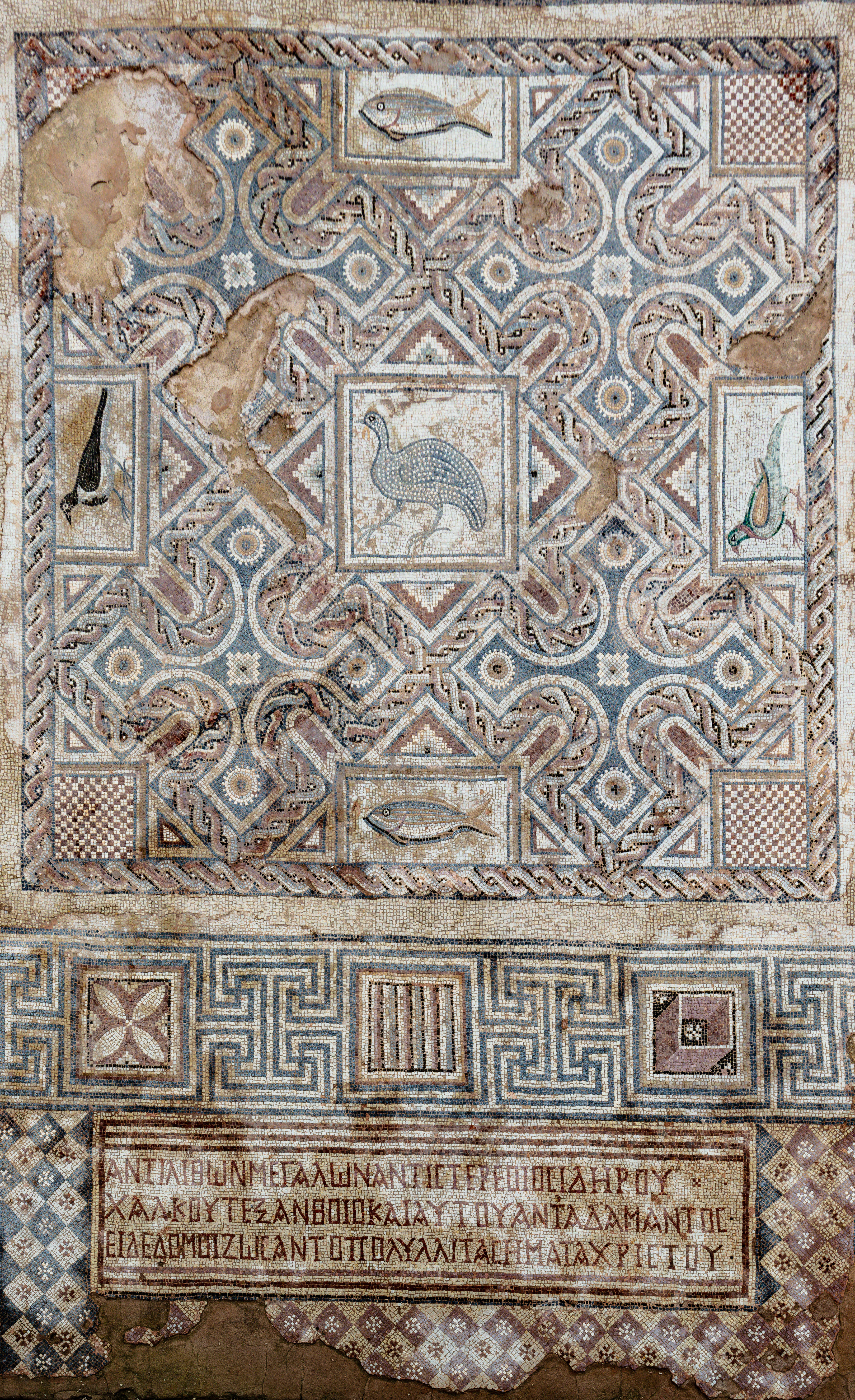
Kourion
Ancient city-state with diverse archaeological remains
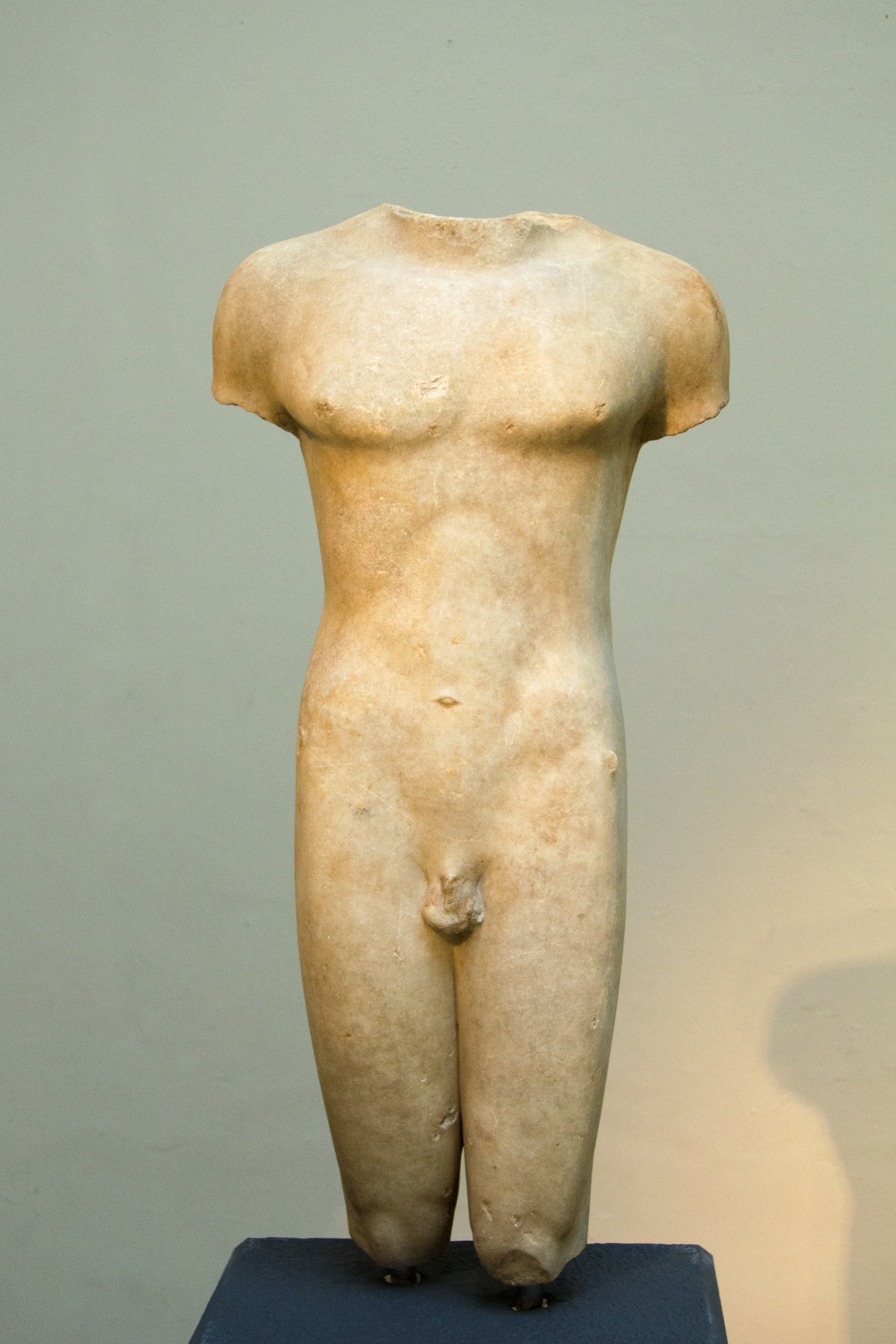
Marion, Cyprus
Ancient Cypriot city-kingdom with harbor remains.
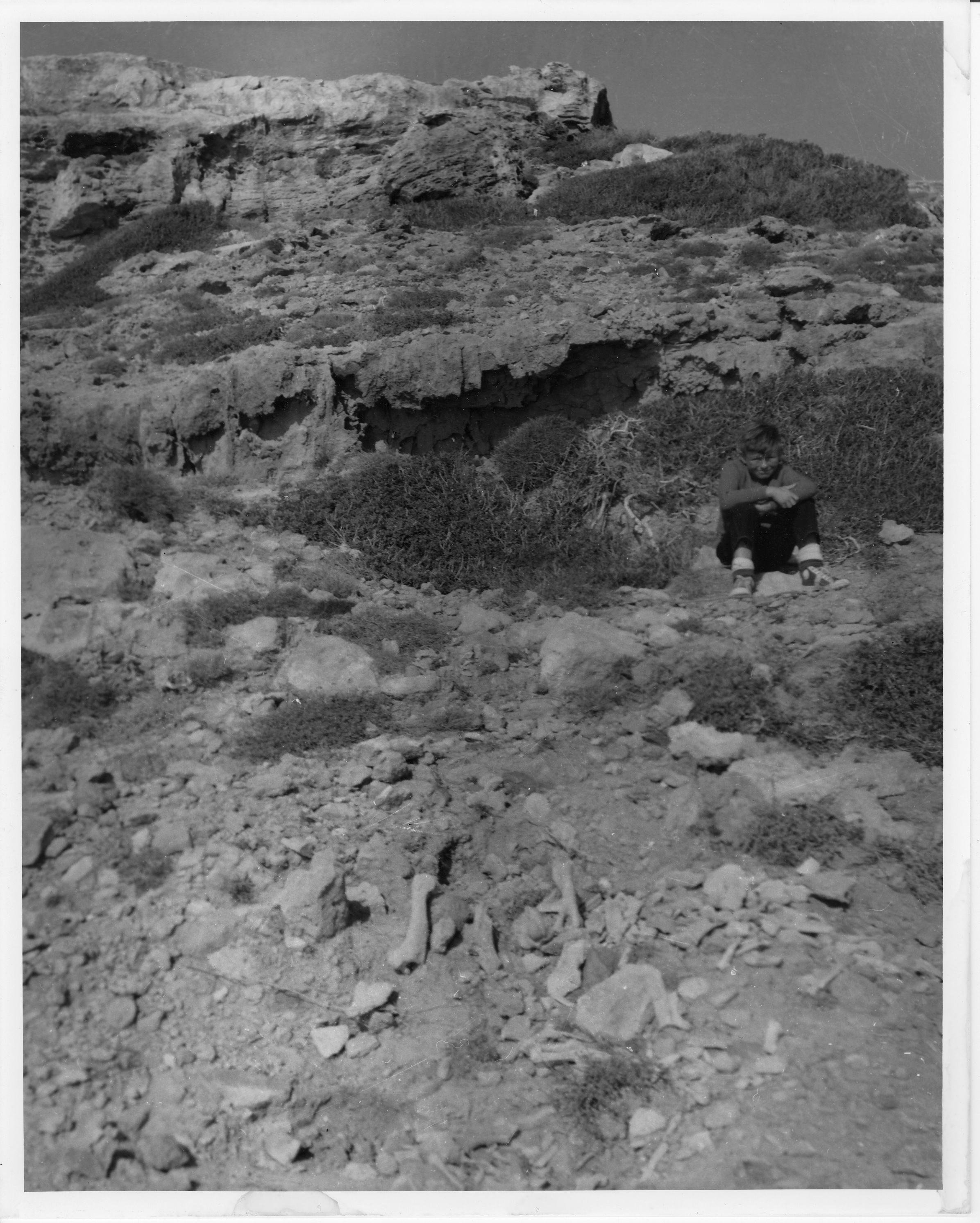
Aetokremnos
Cliffside rock shelter with ancient remains
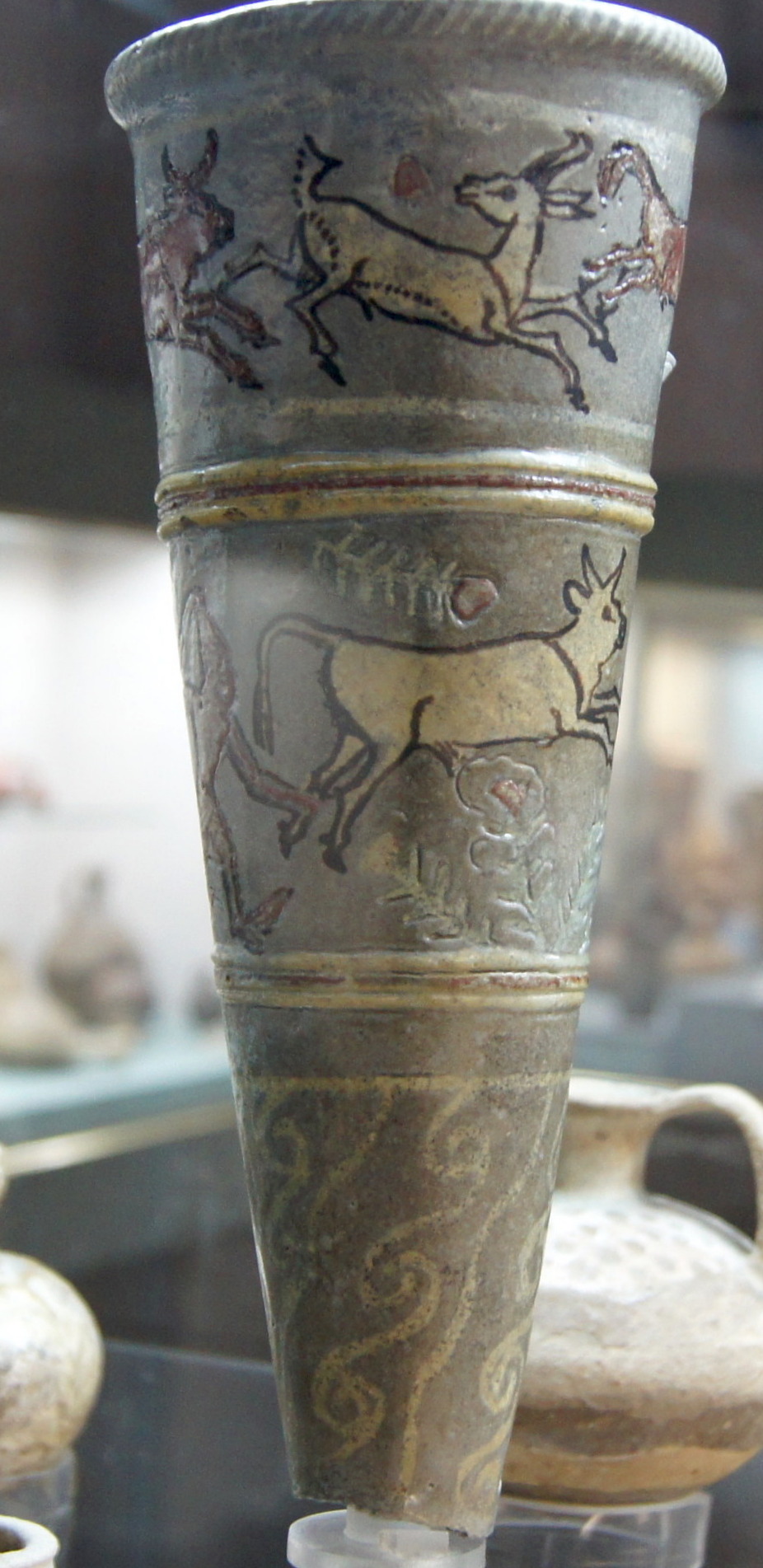
Kition
Ancient city-kingdom in southern Cyprus (Larnaca)