Time Periods
Paleolithic
Mesolithic
Neolithic
Chalcolithic
Bronze Age
Iron Age
Classical Period
Post-Classical Period
Early Modern Period
Industrial Period
Contemporary Period
Time Periods
Paleolithic
Mesolithic
Neolithic
Chalcolithic
Bronze Age
Iron Age
Classical Period
Post-Classical Period
Early Modern Period
Industrial Period
Contemporary Period
Location
About
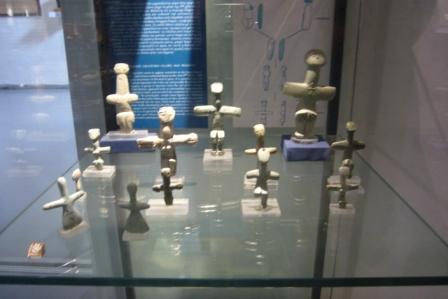
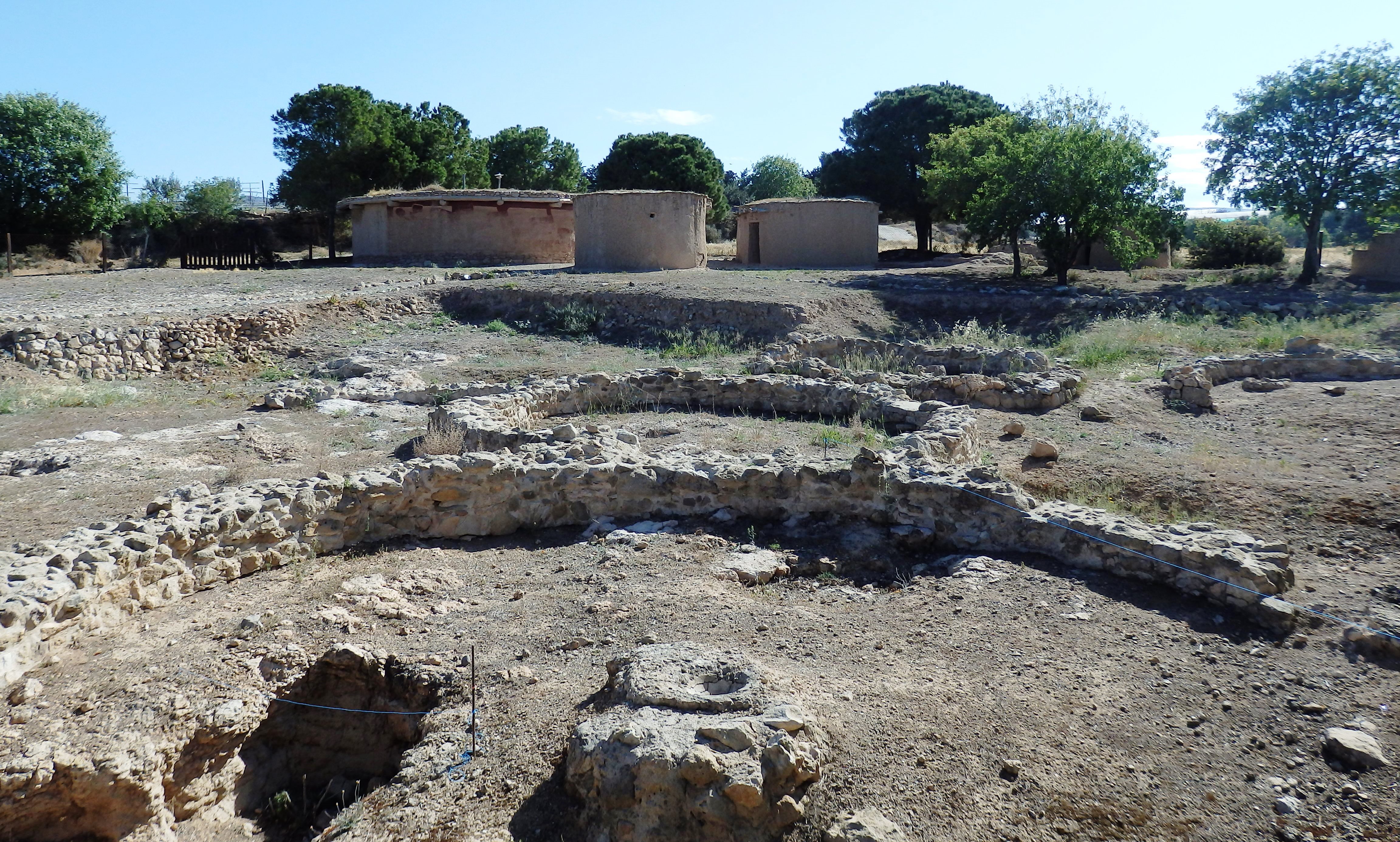
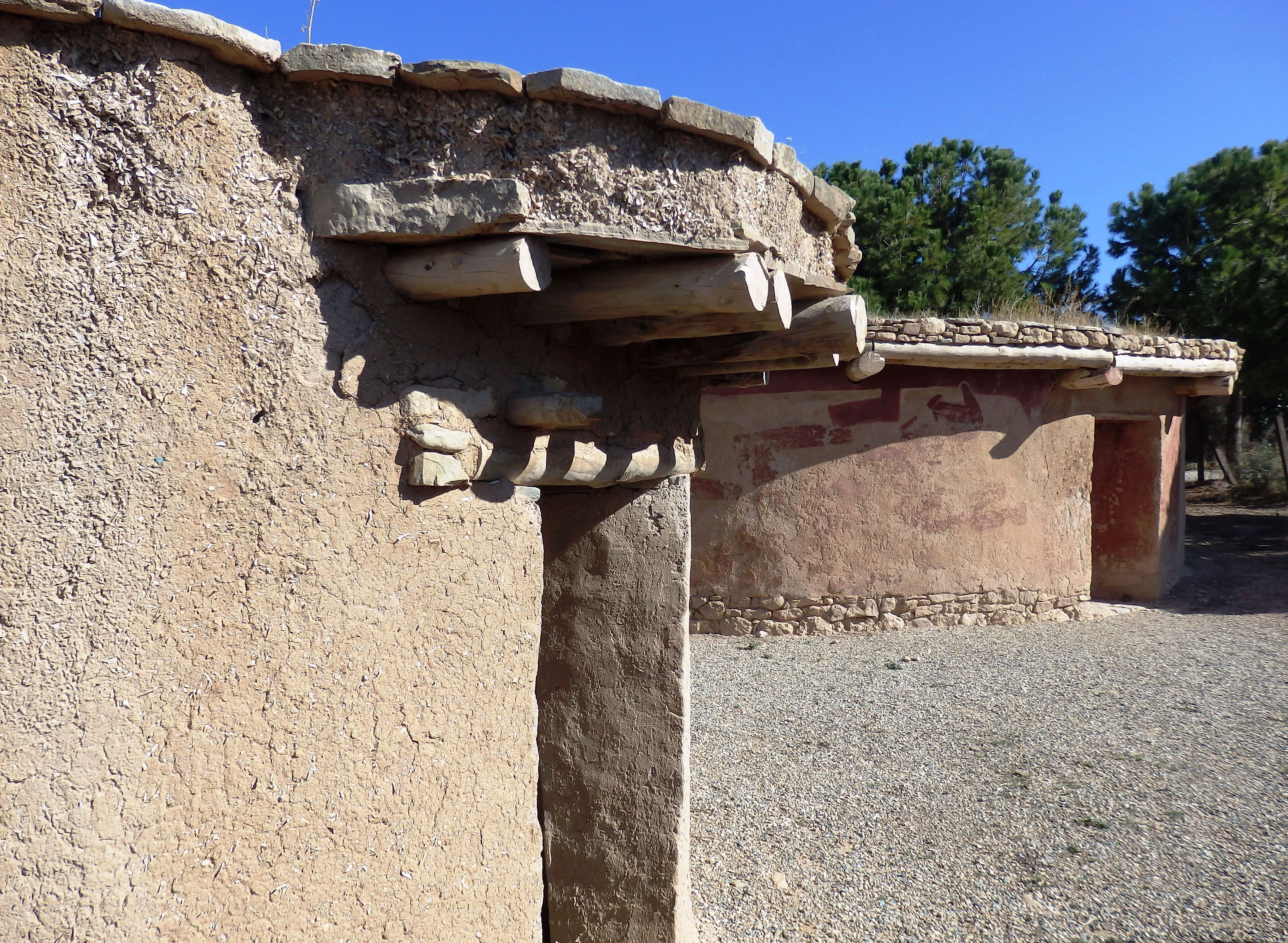
Lempa, a village in Cyprus, holds significant archaeological importance due to its ancient origins dating back to the Chalcolithic Period (c. 3800–2500 BCE). Located near Paphos, the site has yielded numerous cruciform female figurines carved from stone, indicative of the artistic practices of the time. The ongoing archaeological efforts led by the University of Edinburgh have further revealed artifacts from the Medieval period, showcasing the village's continuous occupation across centuries. The experimental archaeological project, the Lemba Experimental Village, seeks to recreate and study Chalcolithic life, adding to the site's research value. Lempa's rich history and archaeological significance make it a vital link in understanding Cyprus's early human habitation and cultural development.
Gallery
Explore photographs of ancient structures, artifacts, and archaeological excavations at Lempa, Cyprus
Archaeological Features
Explore the unique architectural and cultural elements found at this historical site
Artistic and Decorative Features
Domestic and Habitation Structures
Historical Timeline
Journey through time and discover key events in this site's archaeological history
Plan Your Visit
Details
- Country
- Cyprus
- Source
- Wikipedia
More Sites in Cyprus
Alaminos, Cyprus
Chalcolithic figurine, medieval monastic ruins
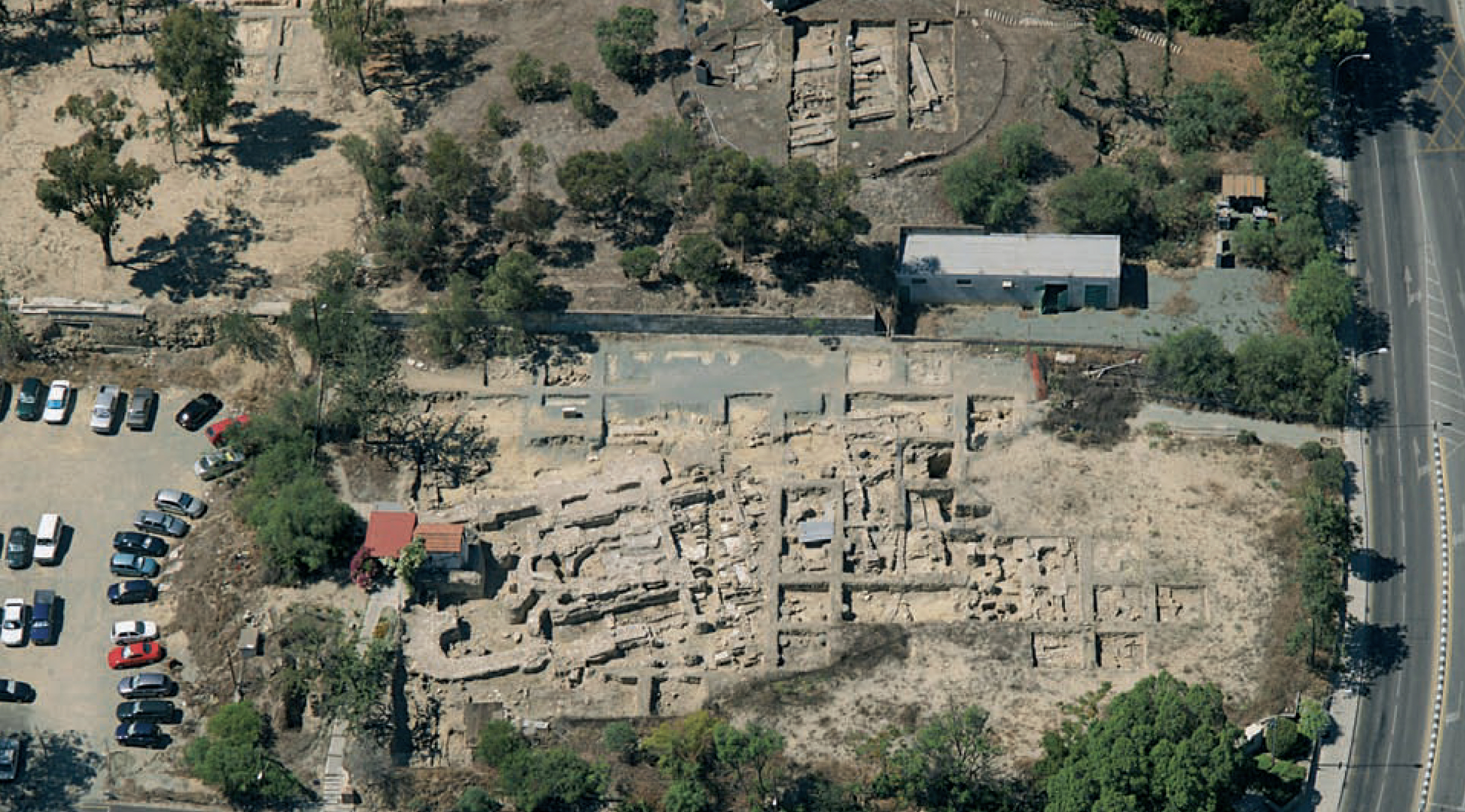
Agios Georgios Hill, Nicosia
Rich, multi-period archaeological site in Cyprus.
Kourion
Ancient city-state with diverse archaeological remains
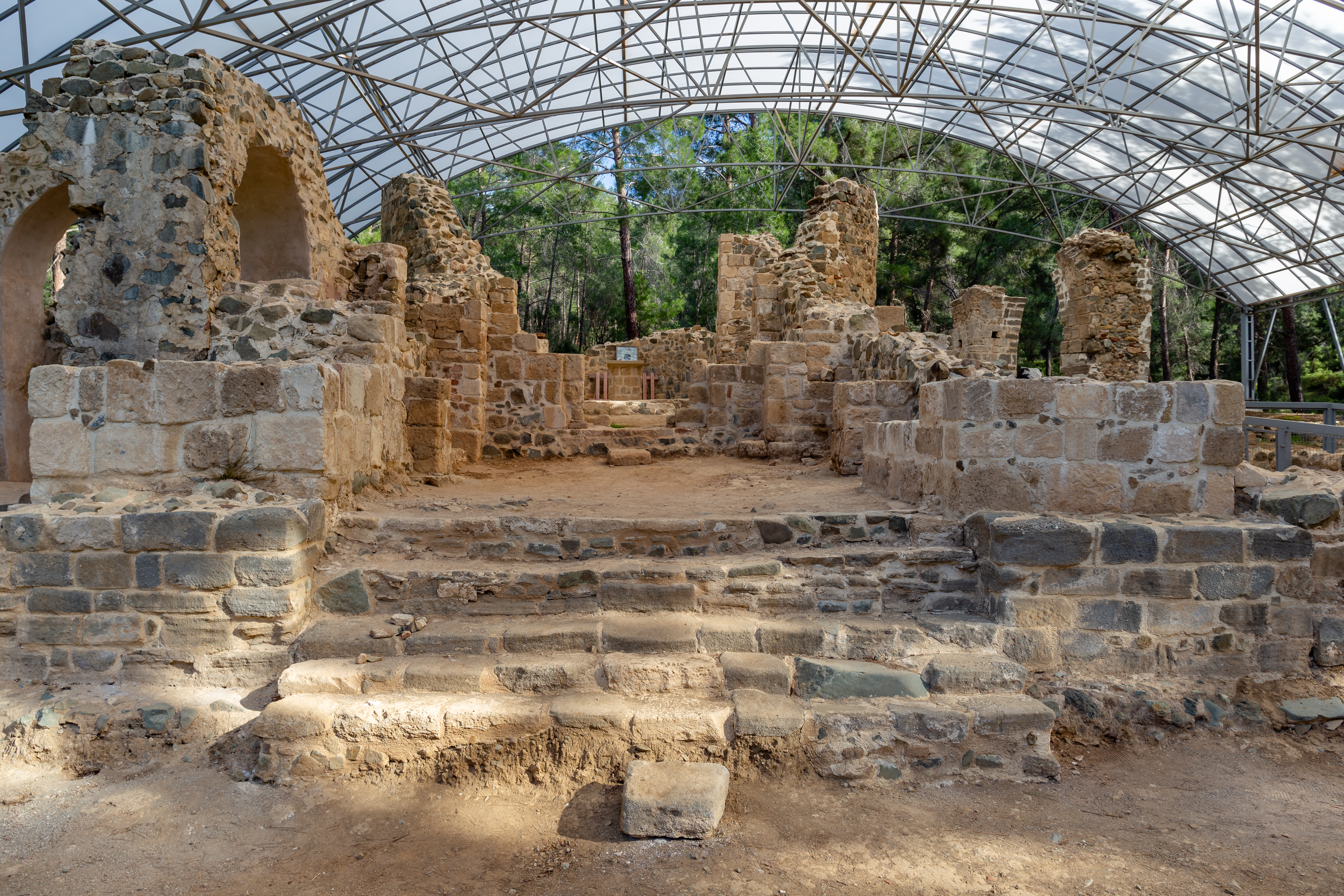
Gialia Monastery
Ruined medieval Georgian Orthodox monastery in Cyprus
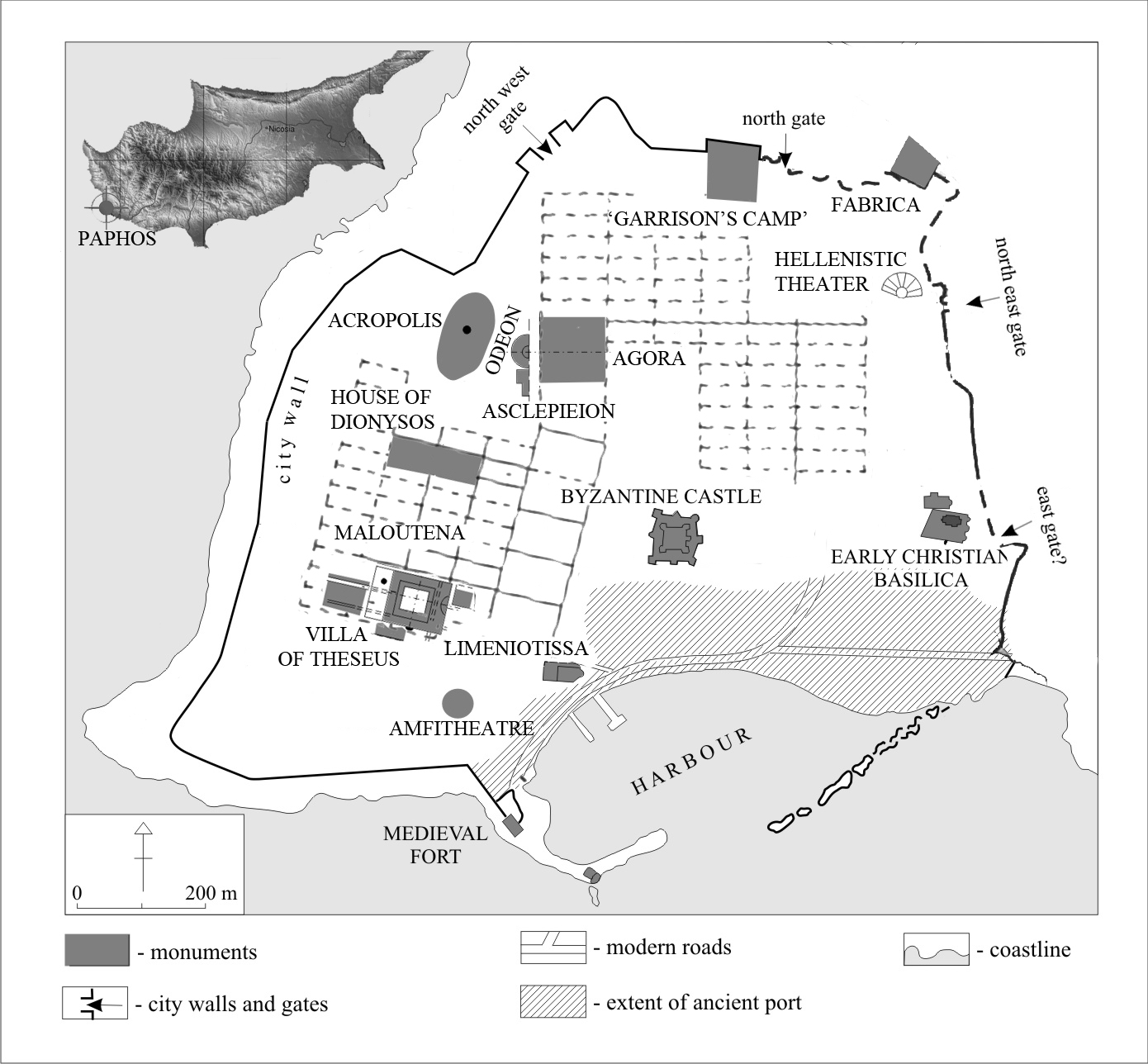
Paphos Archaeological Park
Ancient Greek and Roman city remains
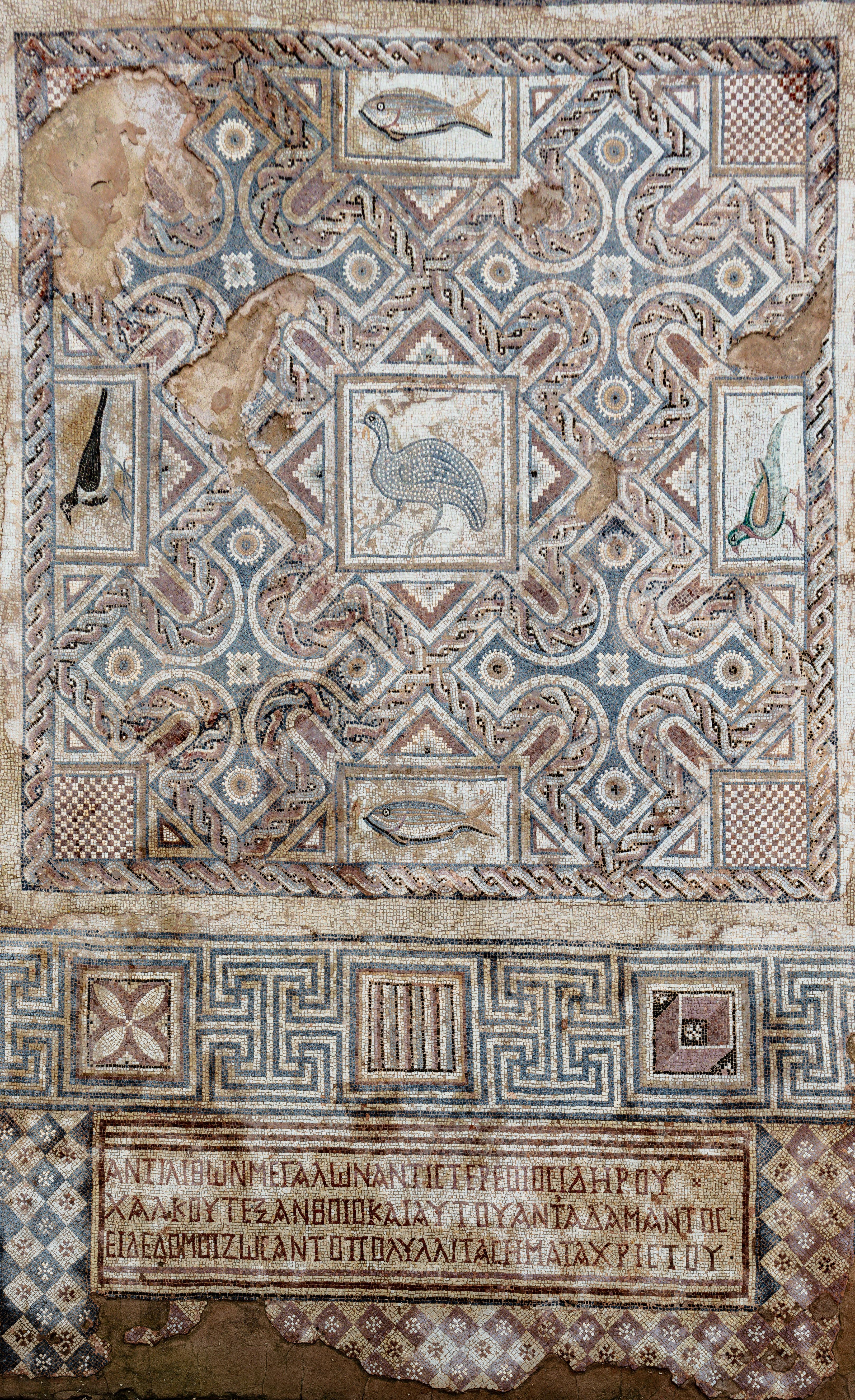
Basilica of Panagia Limeniotissa
Ruined 5th century basilica with mosaics.