Explore the Map
Behbeit El Hagar
31.0278° N, 31.2875° E
About
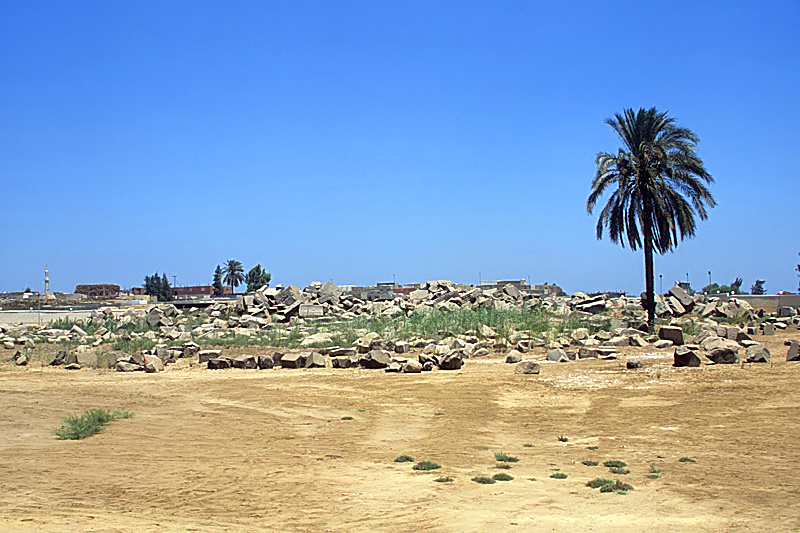
Behbeit El Hagar is an archaeological site in Lower Egypt, notable for the remains of a temple dedicated to the goddess Isis. Known as the Iseion, this temple was constructed entirely of granite, which is unusual compared to other Egyptian temples typically built from limestone or sandstone. Its construction began during the reign of Nectanebo II in the 4th century BCE and was completed under Ptolemy III in the 3rd century BCE. The site serves as a testament to the religious significance of Isis in the region, paralleling her main cult center at Philae in Upper Egypt. Although the temple was eventually demolished, likely due to an earthquake or repurposing of its stones, the scattered granite blocks that remain provide valuable insights into ancient Egyptian temple architecture and religious practices.
Gallery
Explore photographs of ancient structures, artifacts, and archaeological excavations
Historical Timeline
Journey through time and discover key events in this site's history
Connection with Isis
2400 BCE
Construction of the Iseion
360 BCE
Completion of the Iseion
246 BCE
Archaeological Features
Unique architectural and cultural elements found at this historical site
Religious and Ritual Structures
Frequently Asked Questions
Plan Your Visit
Tours, travel arrangements, and practical information


More Sites in Egypt
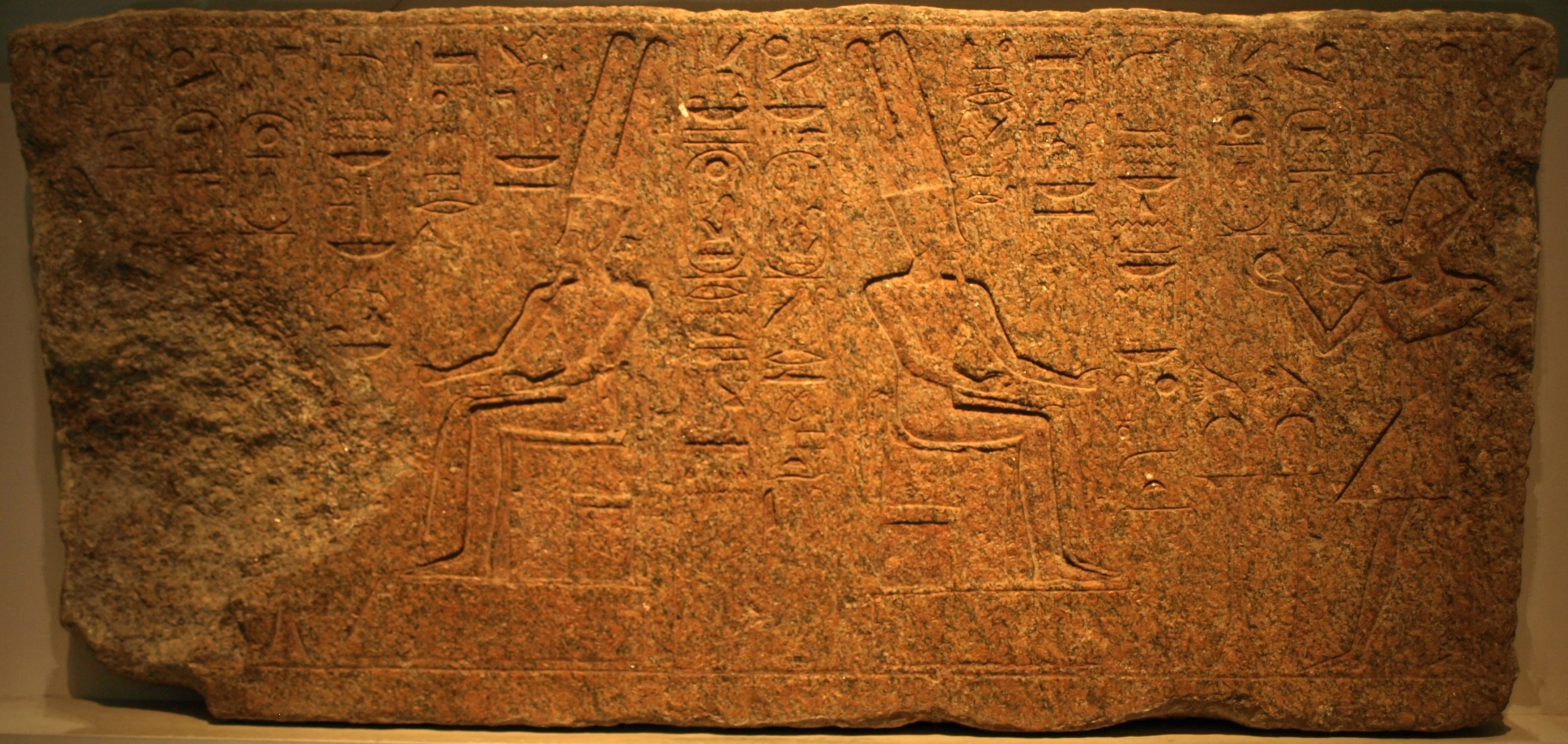
Bubastis
Ancient Egyptian city with Bastet temple
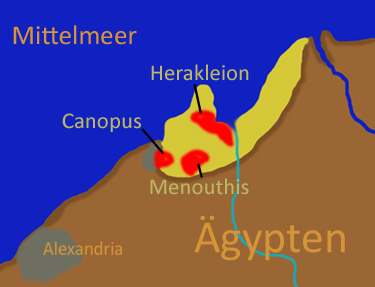
Canopus, Egypt
Submerged ancient Egyptian coastal town ruins
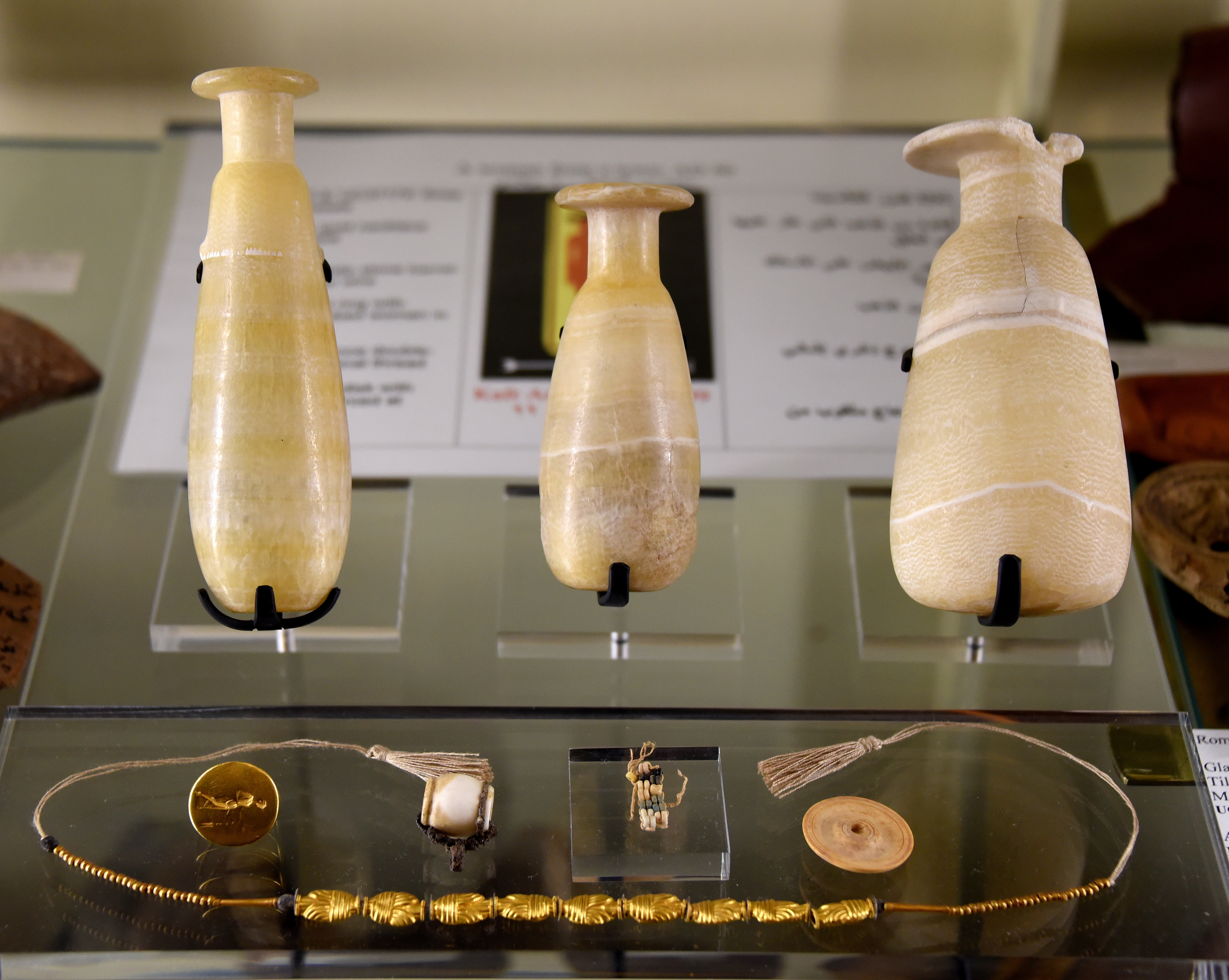
Tarkhan (Egypt)
Ancient Egyptian necropolis with mastabas and tombs.
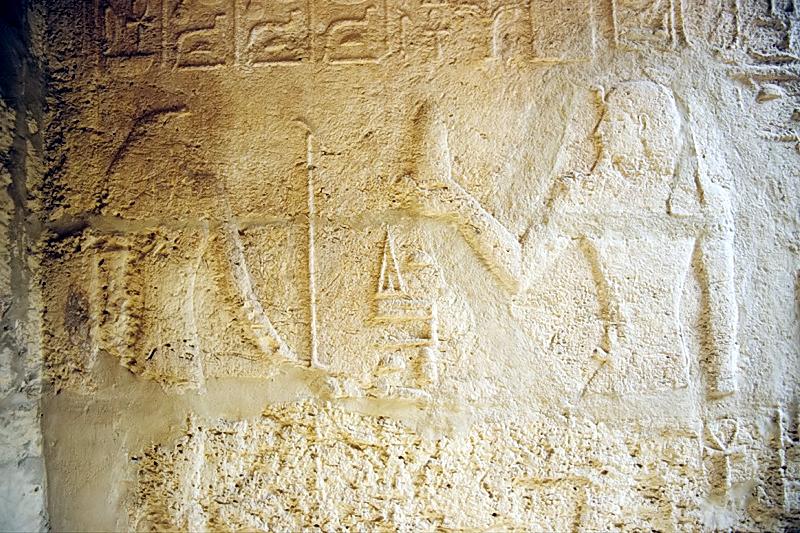
Medinet Madi
Greco-Roman town with Middle Kingdom temple
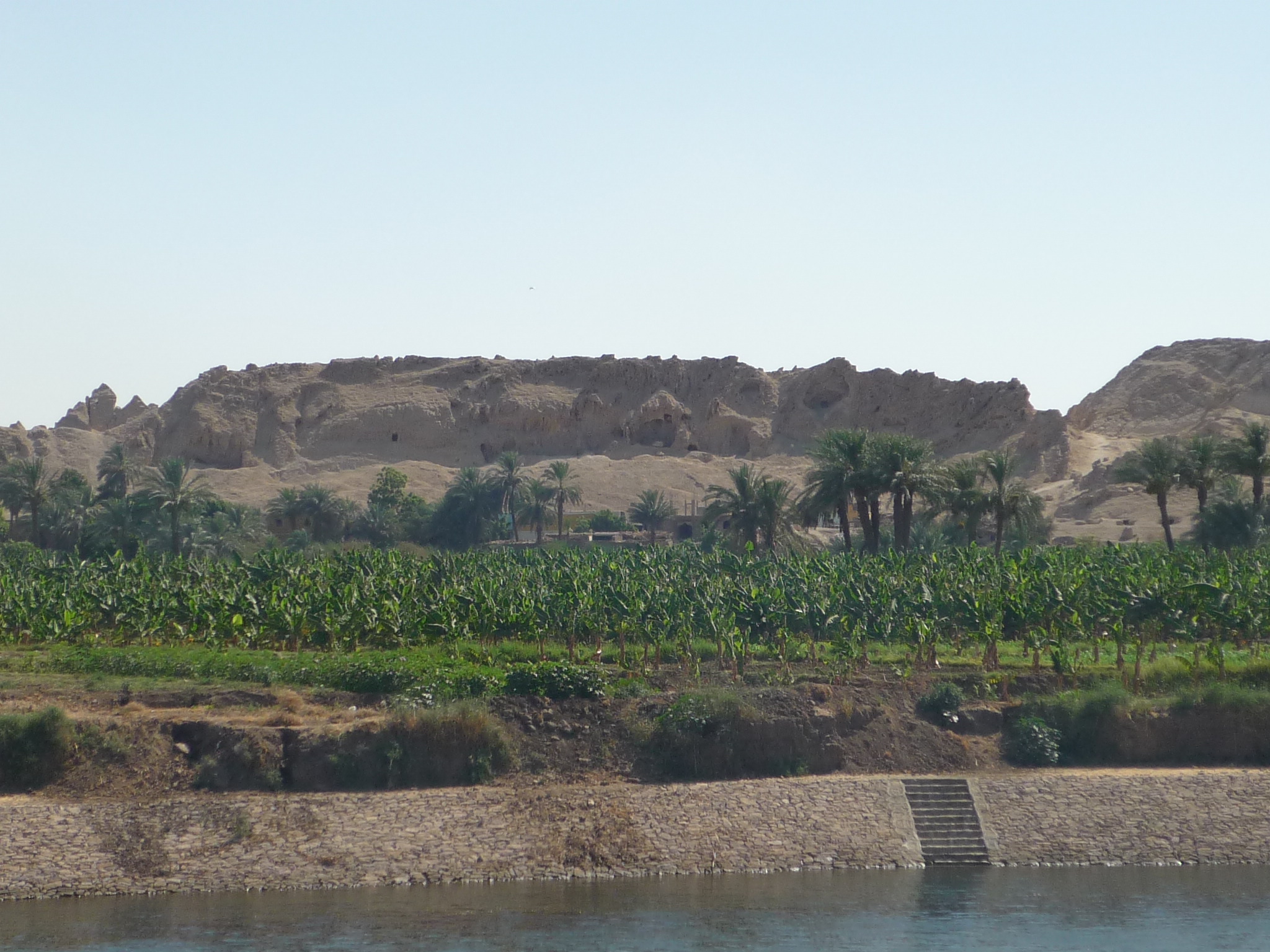
Gebelein
Archaeological site with mummies and temple ruins
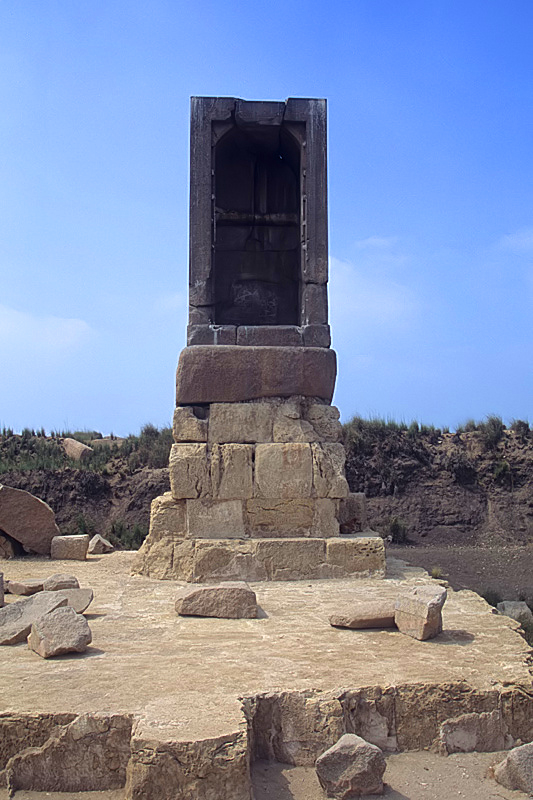
Mendes
Ancient city with significant religious structures.