Explore the Map
Cave of Archers
23.5947° N, 25.2336° E
About
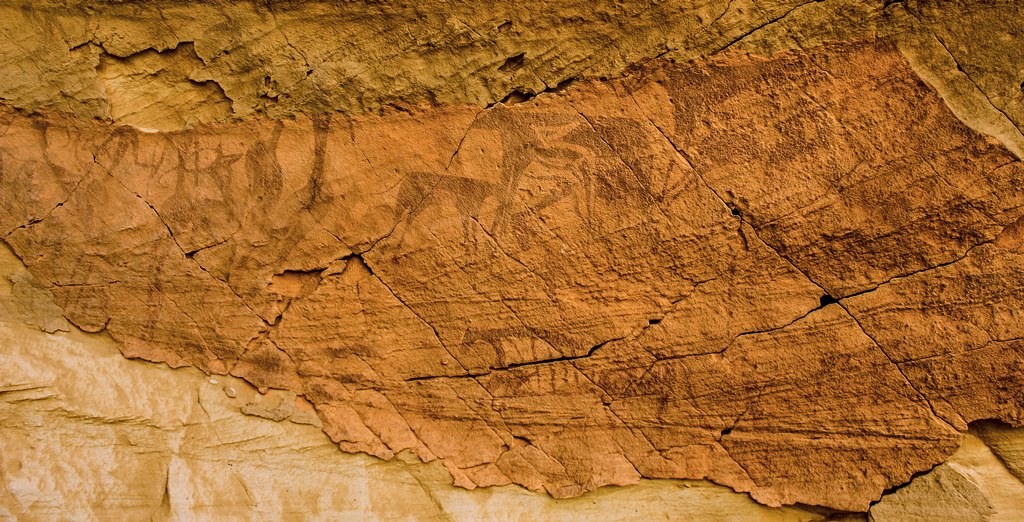
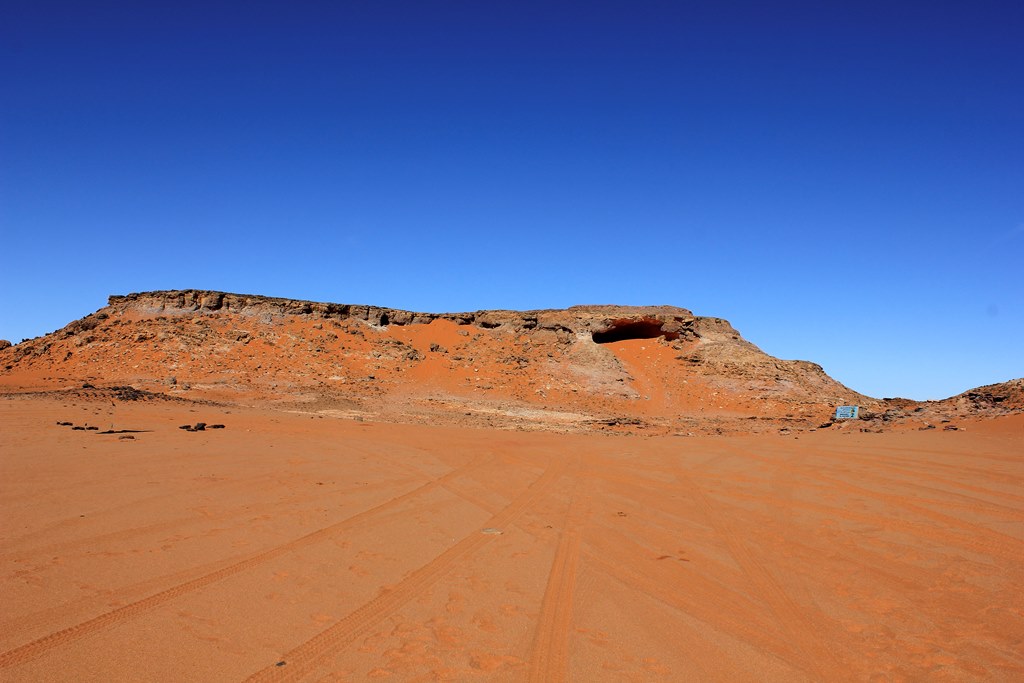
The Cave of Archers, situated in the Gilf Kebir National Park, Egypt, is an archaeological site of significant interest due to its rock art. The cave, located on the south-eastern slopes of Gilf Kebir, features paintings that depict bowmen and a herd of bovines. These artworks date back to between 6300 BP and 5500 BP, aligning with the Neolithic period, when the region experienced the African humid period. This contrasts sharply with the current hyper-arid conditions. The cave's entrance is notably wide and tall, suggesting a prominent shelter in its time, although much of the sandstone has deteriorated, leaving only fragments of the original paintings. These depictions provide valuable insights into the social and environmental conditions of the era.
Gallery
Explore photographs of ancient structures, artifacts, and archaeological excavations
Historical Timeline
Journey through time and discover key events in this site's history
Rock Art Creation
5300 BCE
Archaeological Features
Unique architectural and cultural elements found at this historical site
Artistic and Decorative Features
Domestic and Habitation Structures
Frequently Asked Questions
Plan Your Visit
Tours, travel arrangements, and practical information
More Sites in Egypt
Thinis
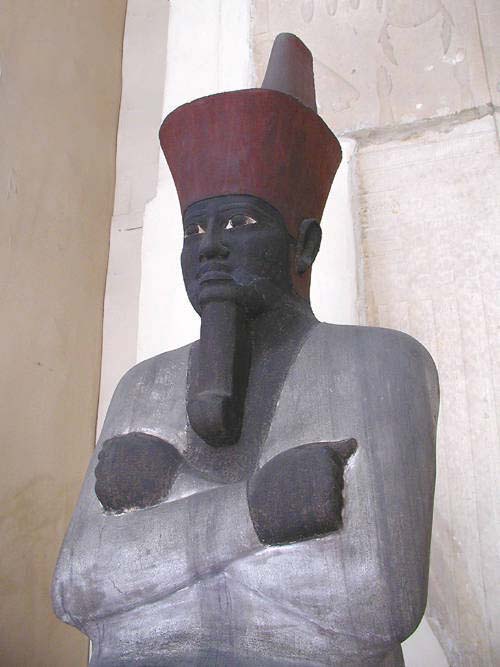
Ancient Upper Egypt's undiscovered capital city.
Gebelein
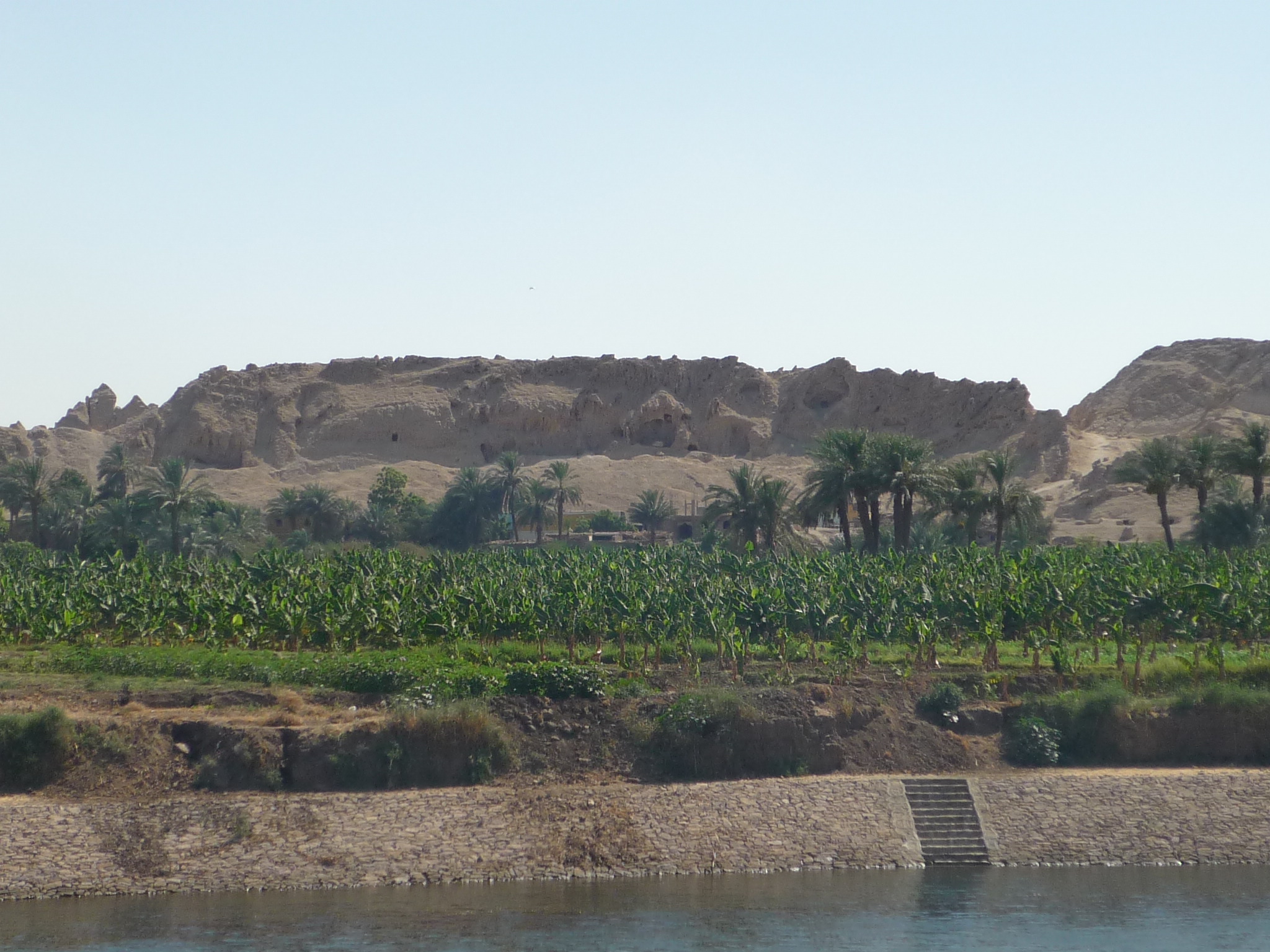
Archaeological site with mummies and temple ruins
Tarkhan (Egypt)
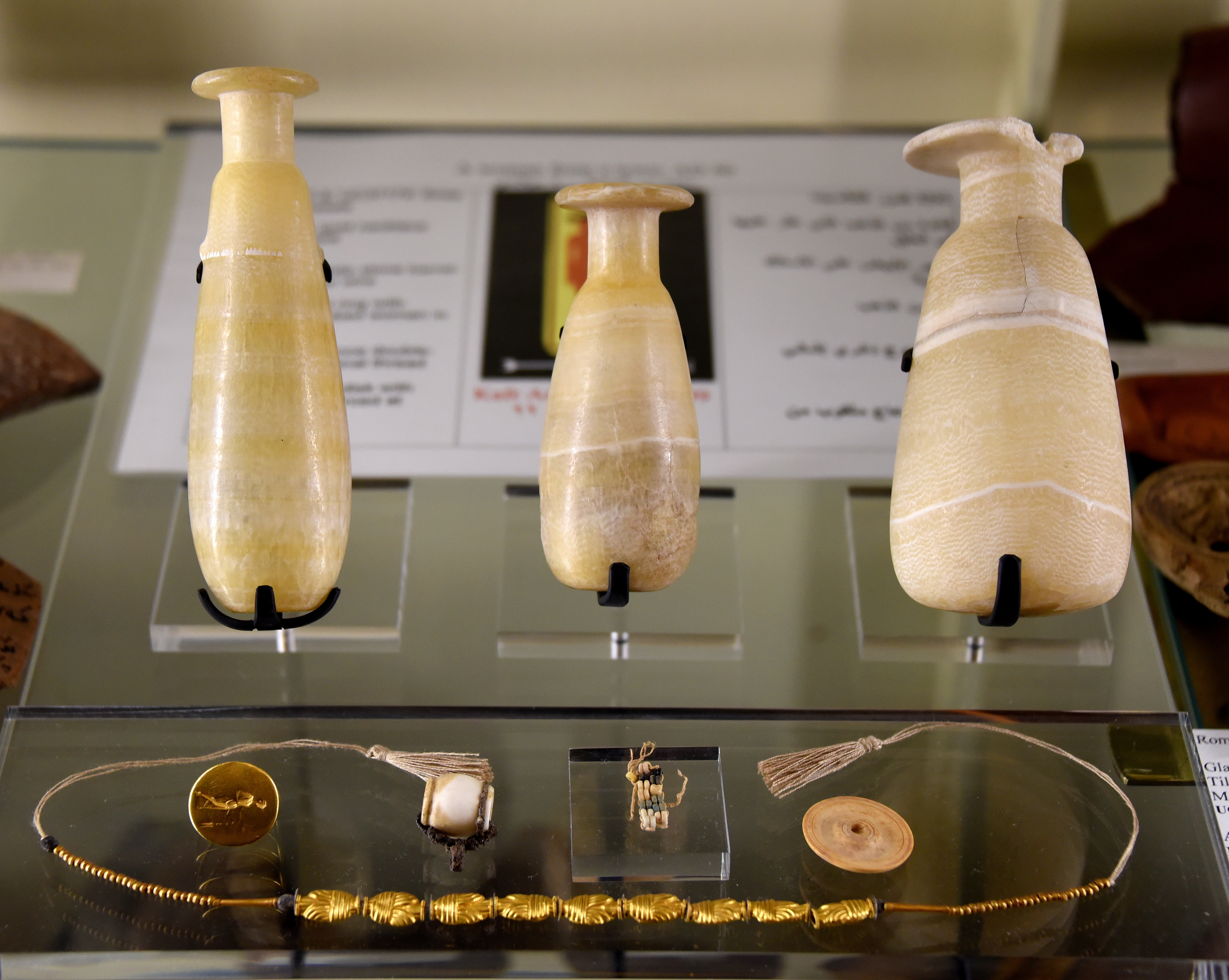
Ancient Egyptian necropolis with mastabas and tombs.

Gebel Ramlah
Neolithic cemeteries in Egypt's Western Desert
Magharet el Kantara
Neolithic rock art cave in Egypt
Mendes
Ancient city with significant religious structures.