Explore the Map
Wadi Hamra (Gilf Kebir)
23.8522° N, 25.4511° E
About
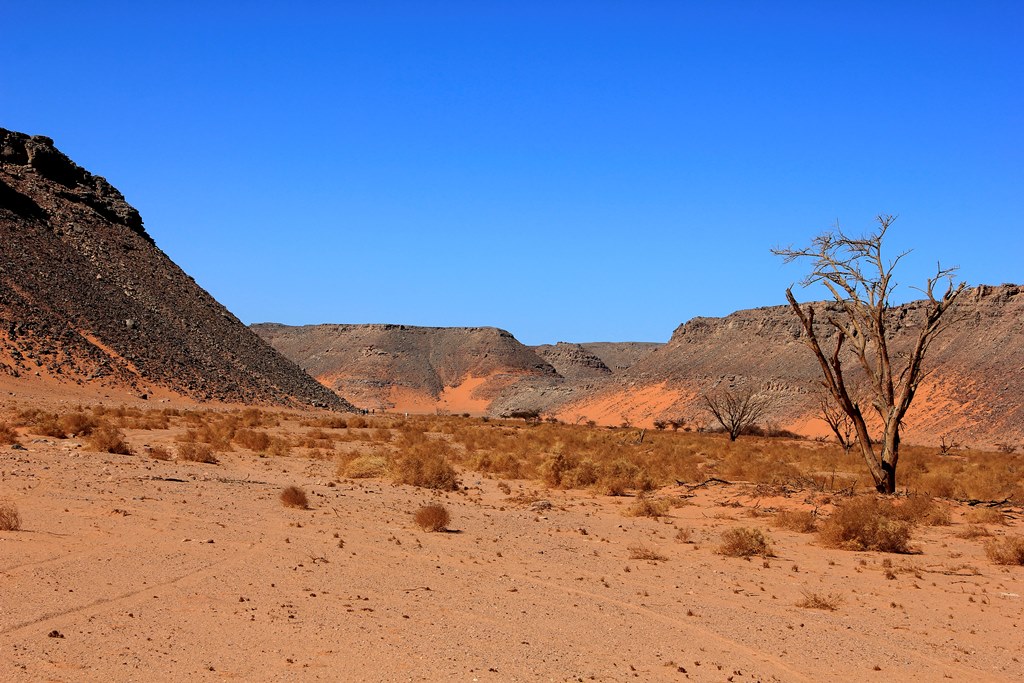
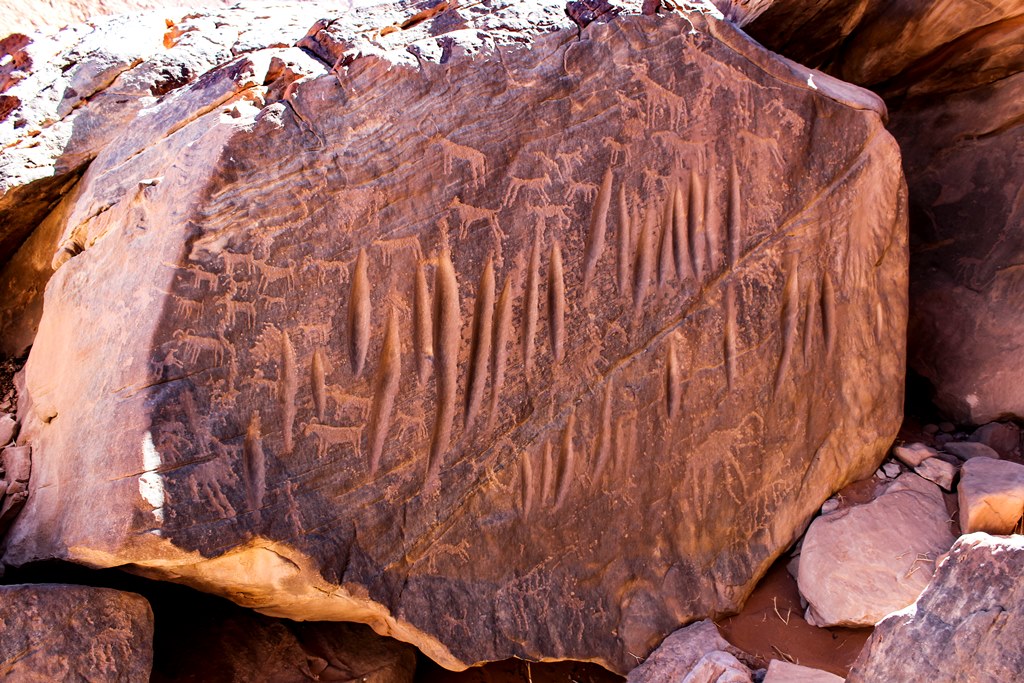
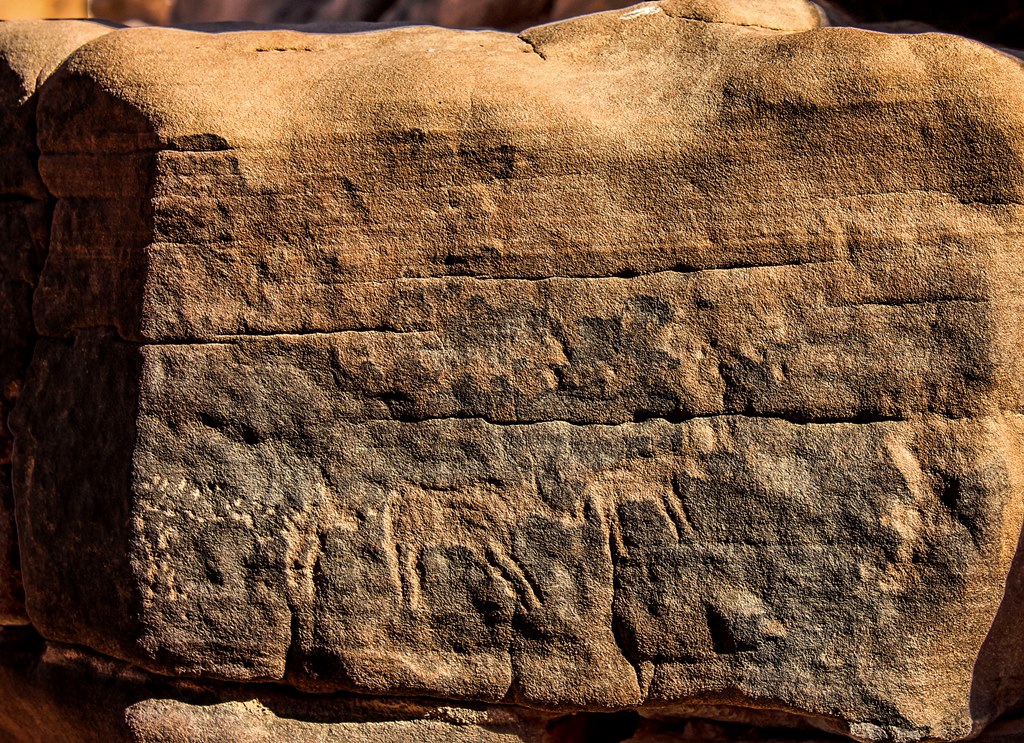
Wadi Hamra is situated in the Gilf Kebir region of Egypt, known for its distinctive reddish sand, a result of high iron oxide content. The area is archaeologically significant due to its remarkable rock engravings, which include depictions of wild fauna such as giraffes, gazelles, and antelopes. These petroglyphs suggest a vibrant ecosystem in the past, despite the wadi's current hyper-arid climate. Additionally, the wadi supports vegetation including Acacia raddiana and various shrubs. The presence of these engravings indicates human activity during the Neolithic period, offering insights into the environmental conditions and artistic expressions of that era. This combination of natural and cultural features makes Wadi Hamra a valuable site for understanding early human adaptation and creativity in a challenging landscape.
Gallery
Explore photographs of ancient structures, artifacts, and archaeological excavations
Historical Timeline
Journey through time and discover key events in this site's history
Rock engravings creation
8,000 BCE – 3,000 BCE
Archaeological Features
Unique architectural and cultural elements found at this historical site
Artistic and Decorative Features
Environmental and Natural Features
Frequently Asked Questions
Plan Your Visit
Tours, travel arrangements, and practical information
More Sites in Egypt
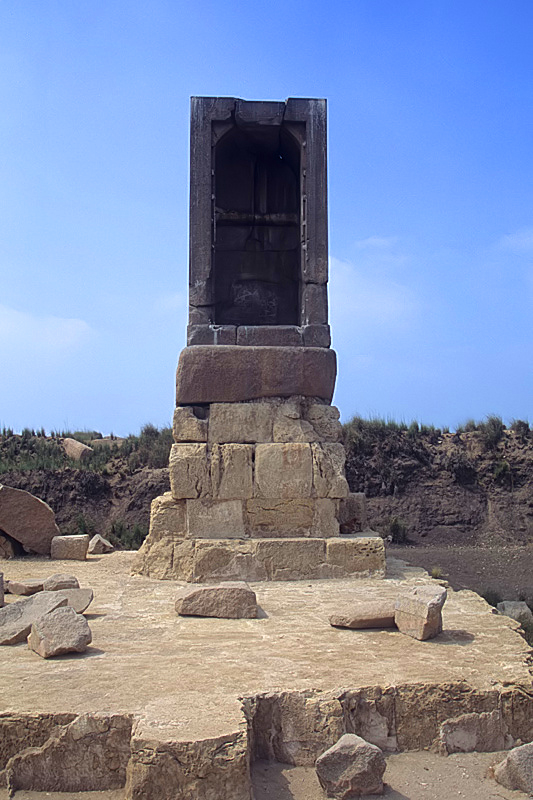
Mendes
Ancient city with significant religious structures.
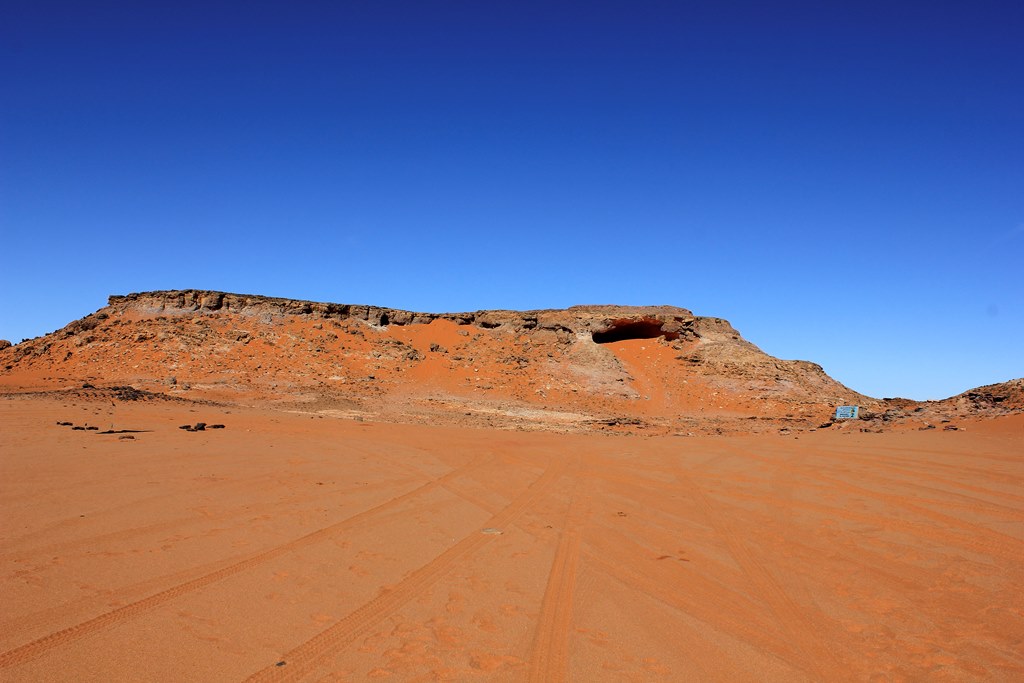
Magharet el Kantara
Neolithic rock art cave in Egypt
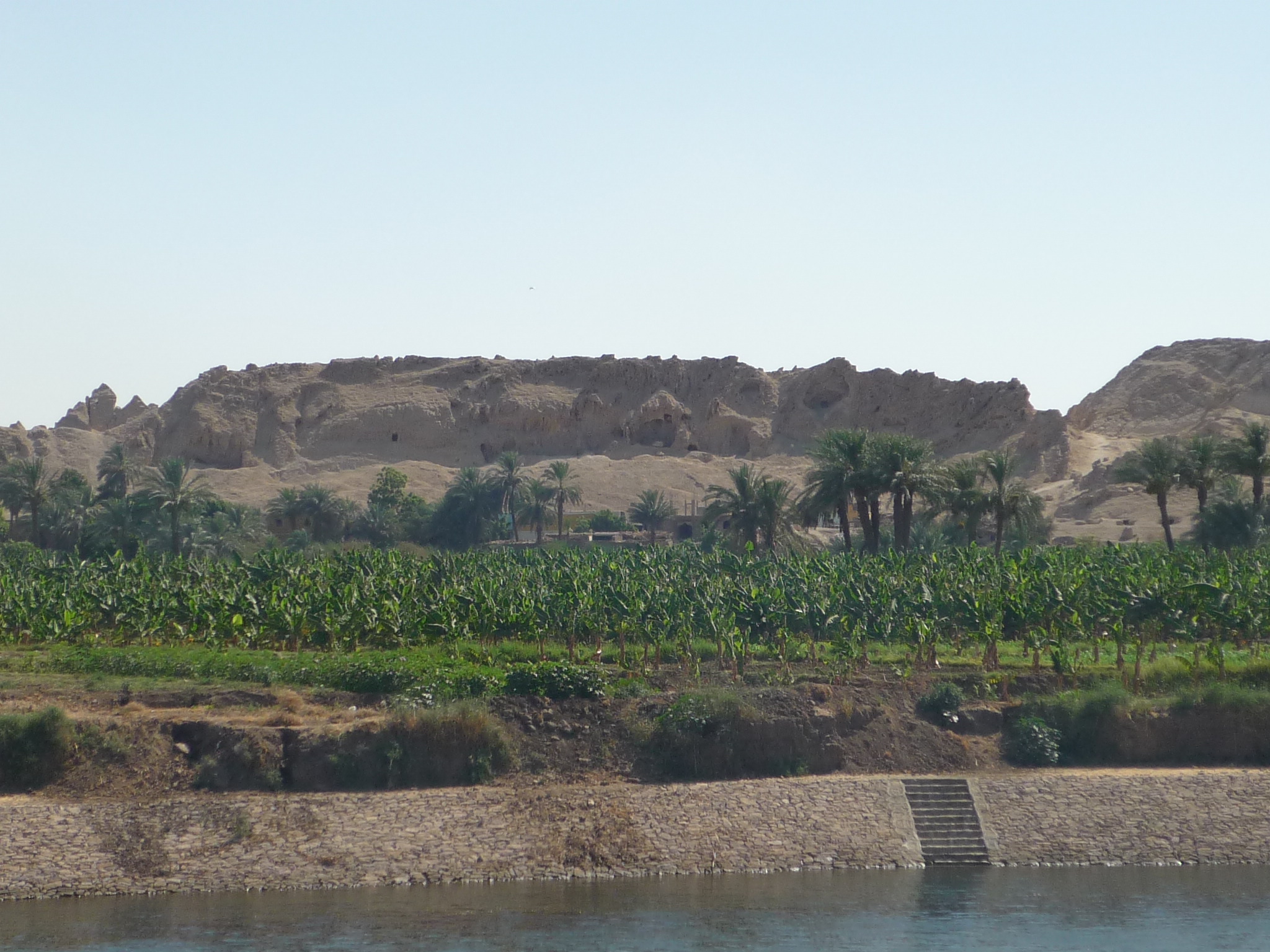
Gebelein
Archaeological site with mummies and temple ruins
Gebel Ramlah
Neolithic cemeteries in Egypt's Western Desert
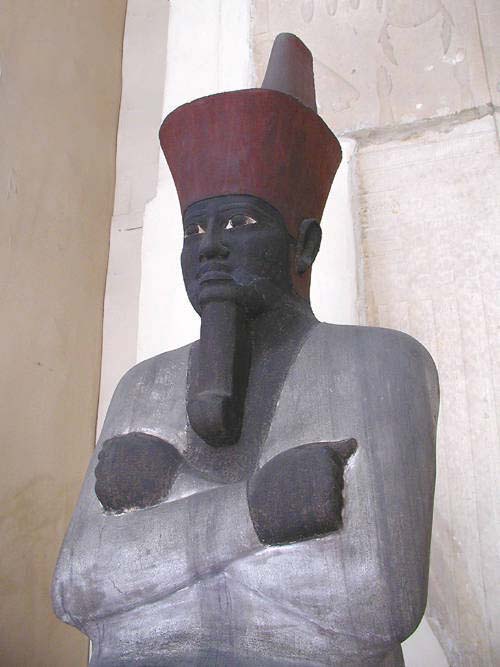
Thinis
Ancient Upper Egypt's undiscovered capital city.
Tarkhan (Egypt)
Ancient Egyptian necropolis with mastabas and tombs.