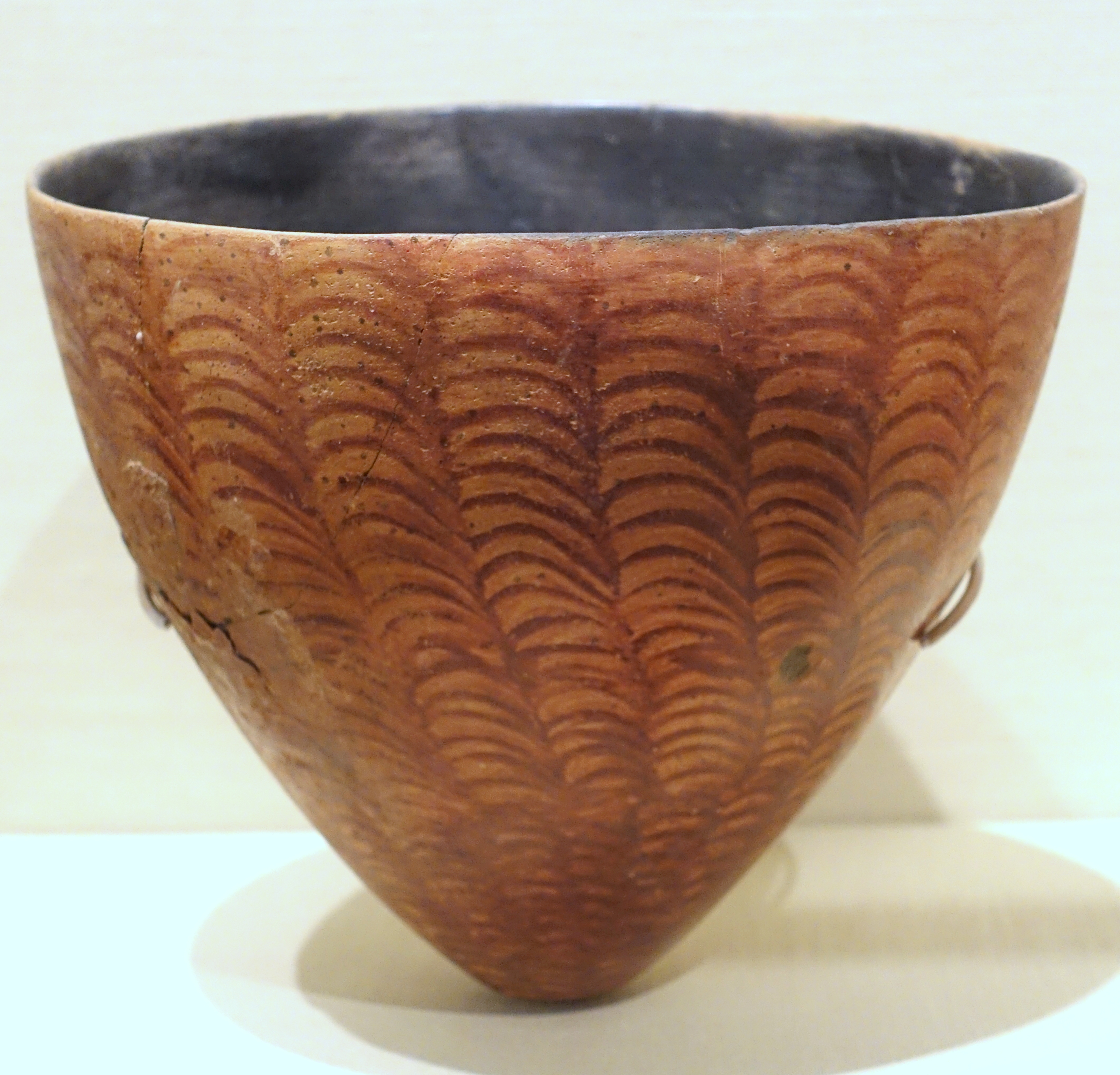
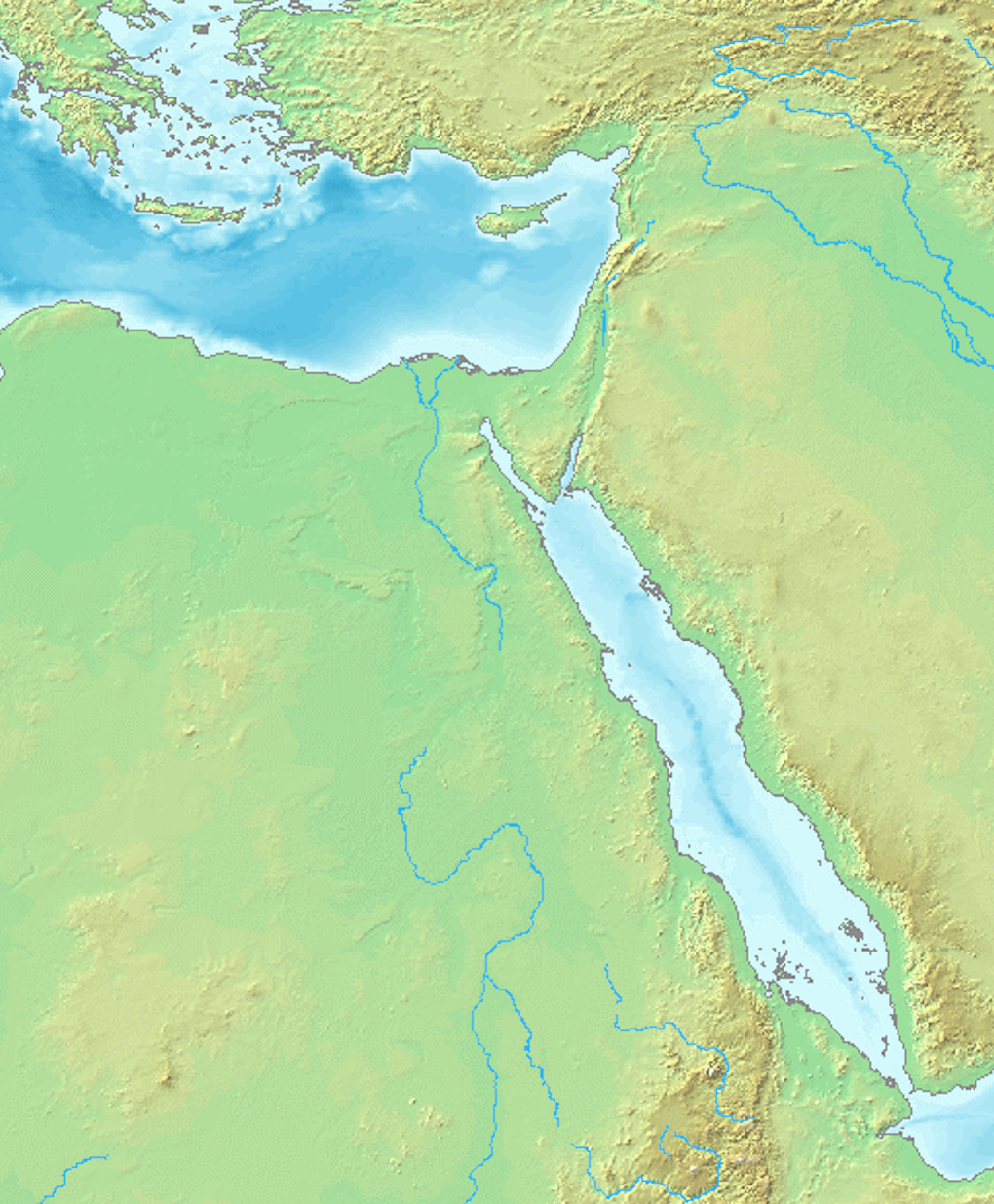
Explore the Map
Qustul
22.2333° N, 31.6167° E
About
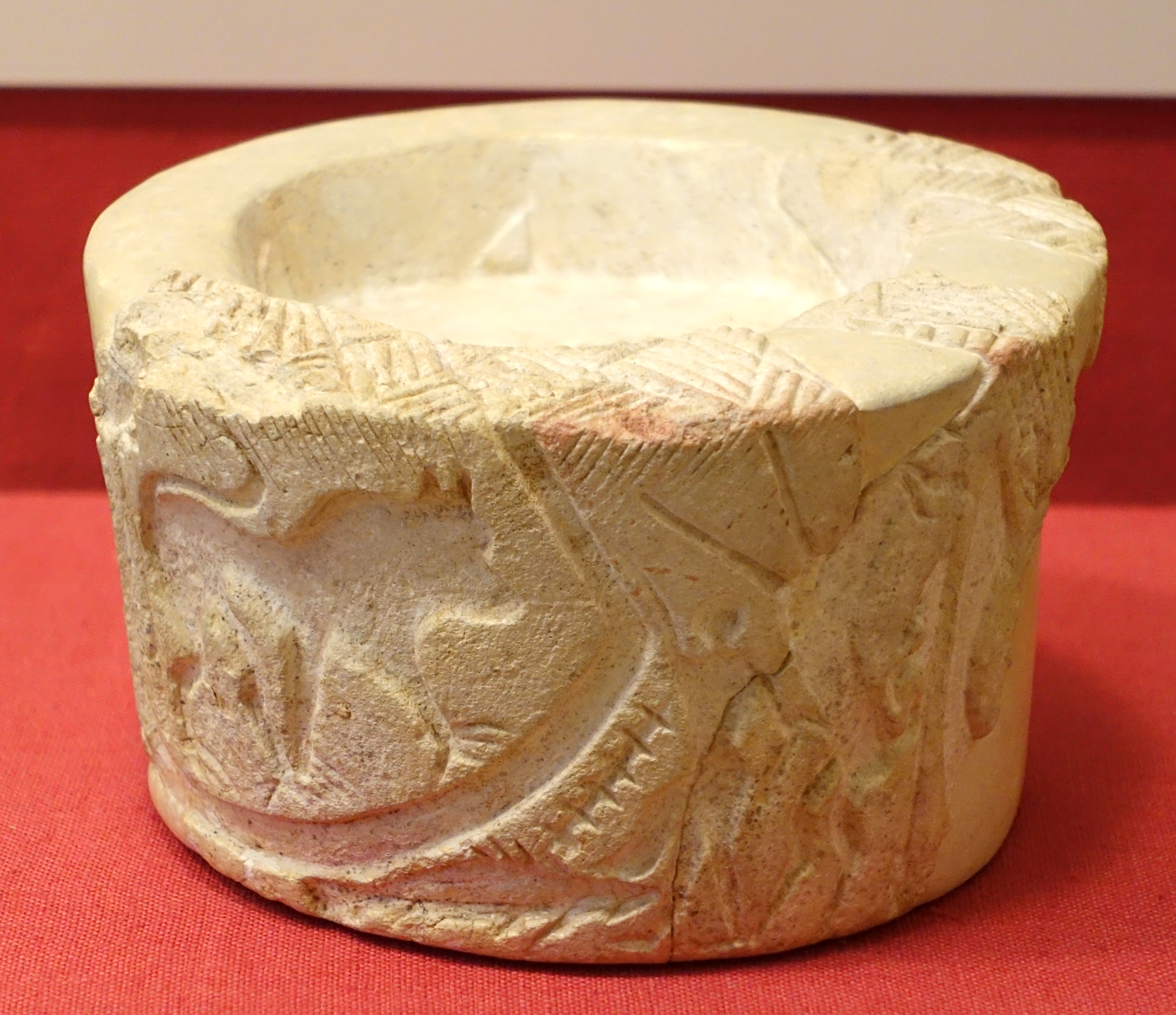
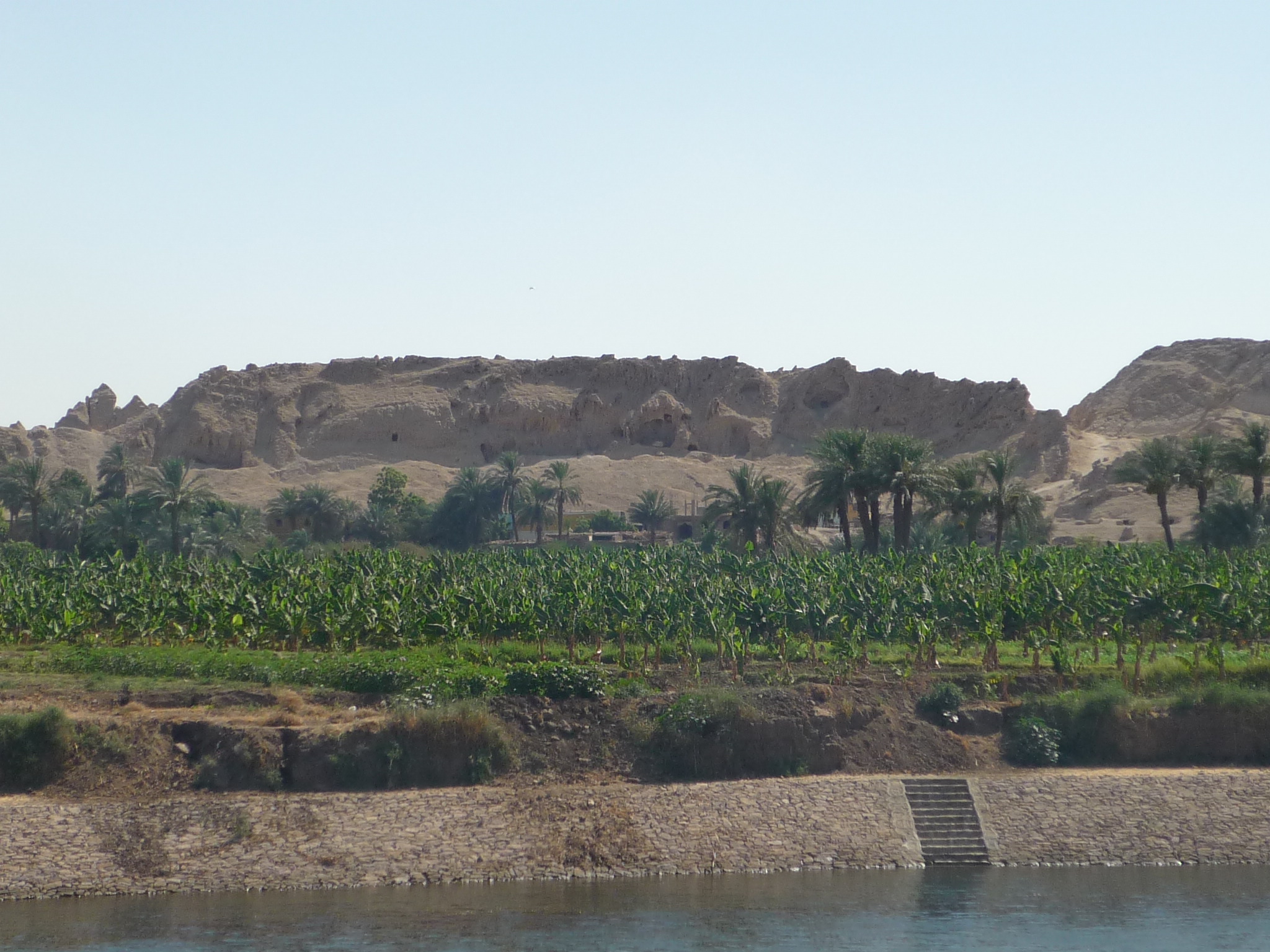
Qustul is an archaeological cemetery site located in Lower Nubia on the eastern bank of the Nile. The site is renowned for its connections with the A-Group and X-Group cultures, featuring significant burial structures. During the A-Group period (3500 BCE), the cemetery L revealed wealthy burials of rulers, and an incense burner found there suggested early Nubian influence on ancient Egyptian iconography. Due to flooding, much of the site is now submerged under Lake Nasser. In the late period (4th to 6th century CE), the site also served as a necropolis for the X-Group culture, marked by large grave tumuli and evidence of royal burials with horse sacrifices. These findings highlight Qustul's significant role in regional cultural exchanges and its place in ancient Nubian and Egyptian history.
Gallery
Explore photographs of ancient structures, artifacts, and archaeological excavations
Historical Timeline
Journey through time and discover key events in this site's history
A-Group culture cemetery L
3500 BCE
X-Group necropolis excavated
400 CE
Archaeological Features
Unique architectural and cultural elements found at this historical site
Burial and Funerary Structures
Frequently Asked Questions
Plan Your Visit
Tours, travel arrangements, and practical information
More Sites in Egypt
Bubastis
Ancient Egyptian city with Bastet temple
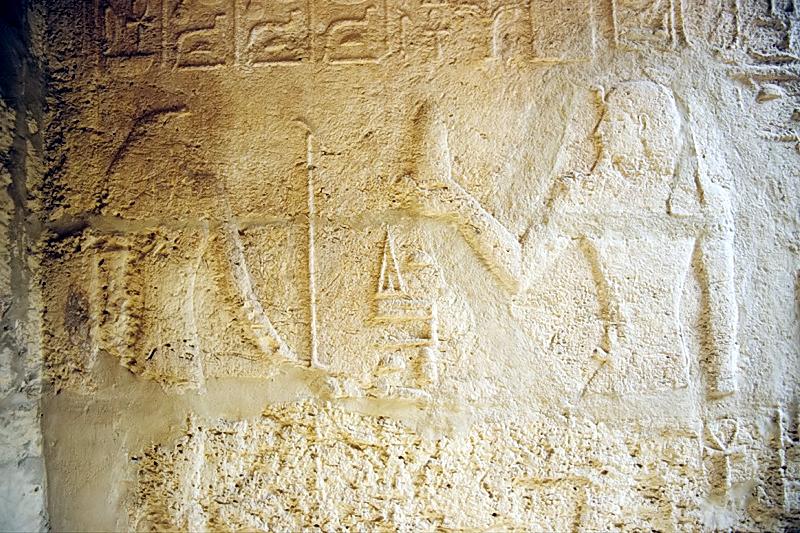
Medinet Madi
Greco-Roman town with Middle Kingdom temple
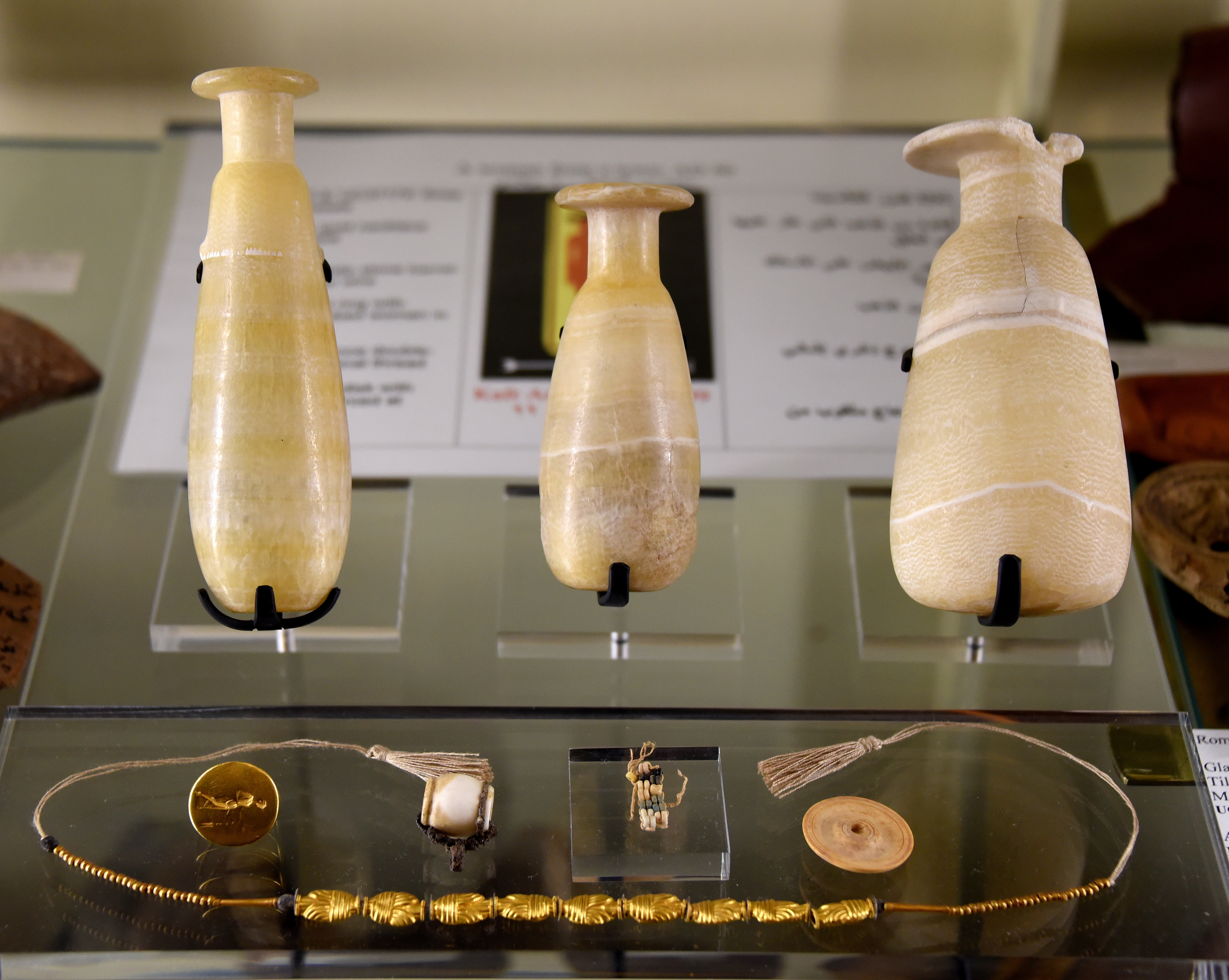
Tarkhan (Egypt)
Ancient Egyptian necropolis with mastabas and tombs.
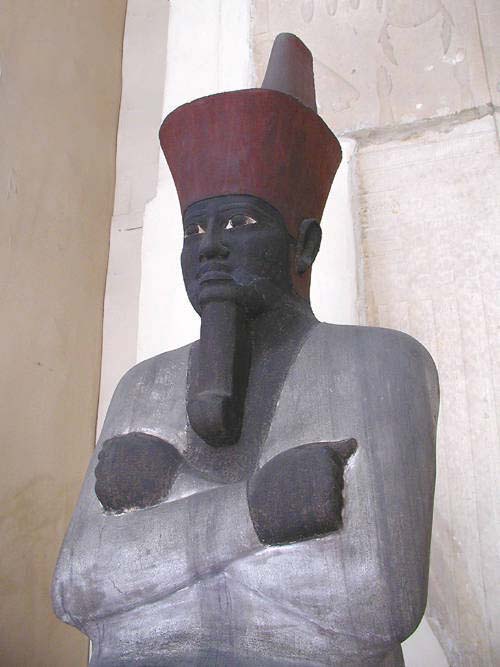
Thinis
Ancient Upper Egypt's undiscovered capital city.
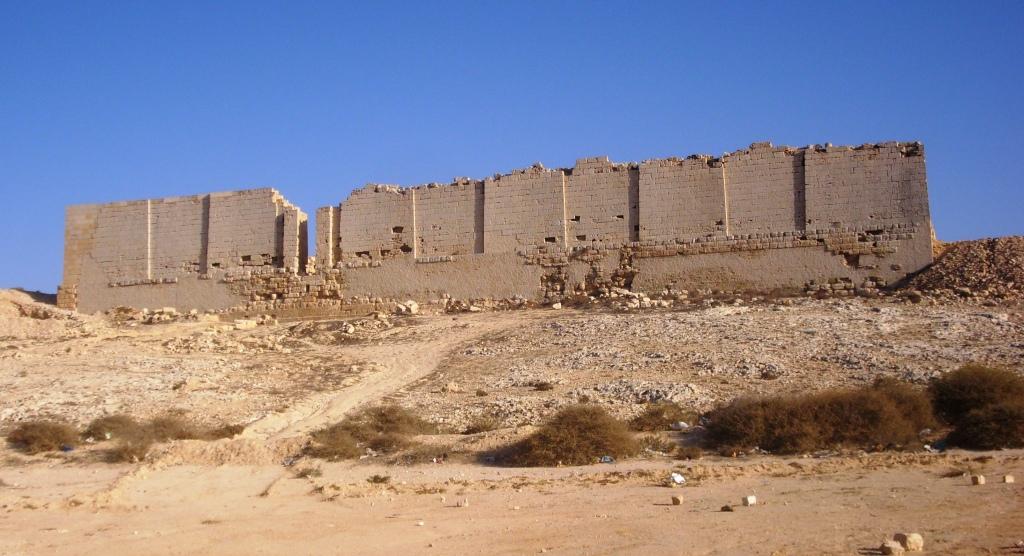
Taposiris Magna
Ancient city with temple and tombs
Gebelein
Archaeological site with mummies and temple ruins