Explore the Map
Leontopolis
30.6833° N, 31.3500° E
About
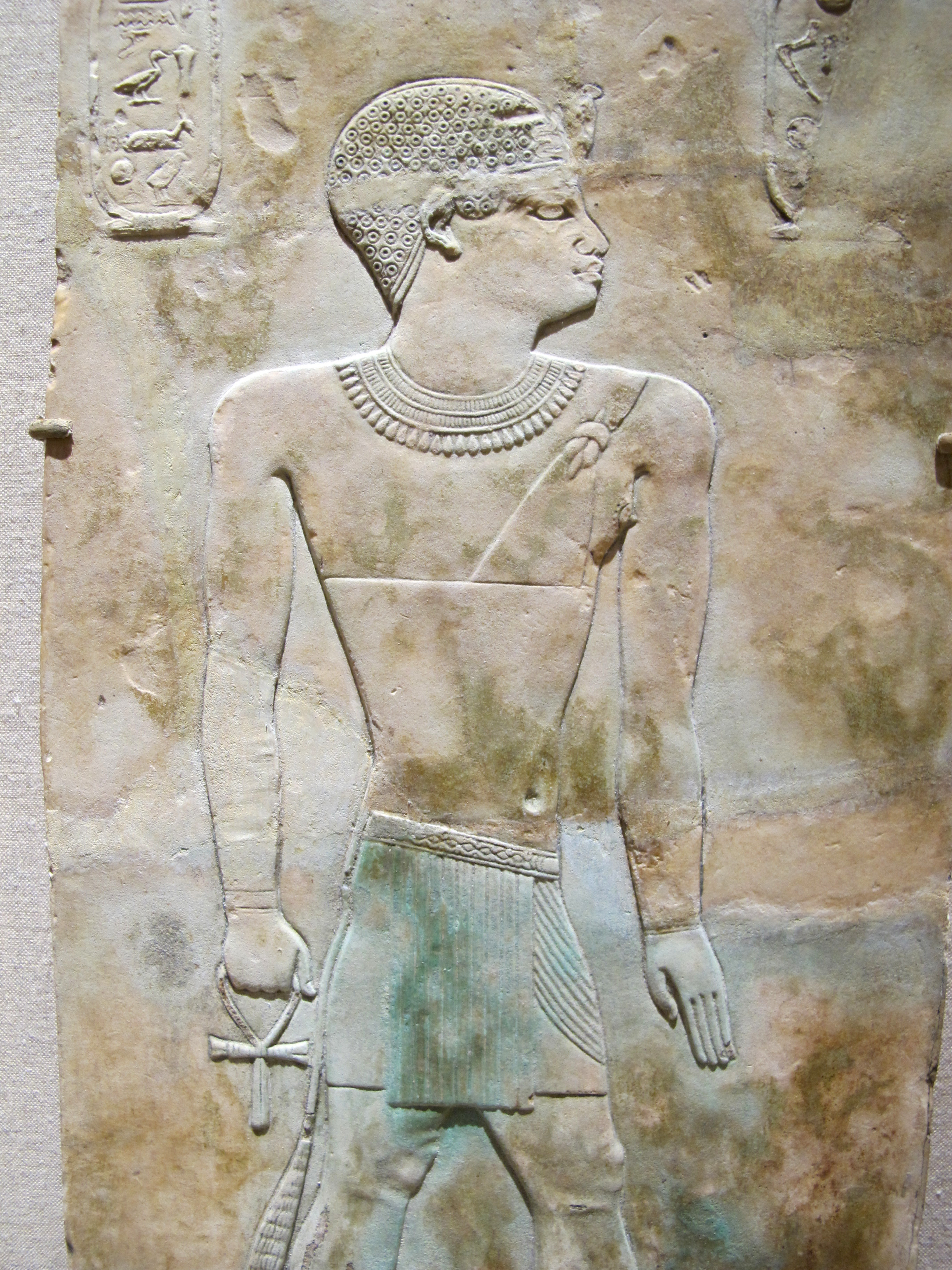
Leontopolis, an ancient Egyptian city located in the Nile Delta, served as a provincial capital and was known for its cultural and linguistic diversity. Historically, it was the capital of the 11th nome of Lower Egypt and gained prominence under the 23rd dynasty. The city was conquered by Piye in the 8th century BCE, marking its significance during the Iron Age. During the Greek occupation, temples dedicated to the lioness goddesses Bast and Sekhmet, and their son Maahes, were constructed, reflecting the city's religious importance. Leontopolis later became the capital of the Roman province of Augustamnica Secunda, highlighting its continued importance through the Classical and Post-Classical periods. The site, now identified as Tell el-Muqdam, offers insights into the dynamic history and cultural evolution of ancient Egypt.
Gallery
Explore photographs of ancient structures, artifacts, and archaeological excavations
Historical Timeline
Journey through time and discover key events in this site's history
Capital of 11th Nome
850 BCE
Piye's conquest of Leontopolis
750 BCE
Greek Occupation and Temple Construction
350 BCE
Capital of Augustamnica Secunda
150 CE
Archaeological Features
Unique architectural and cultural elements found at this historical site
Religious and Ritual Structures
Domestic and Habitation Structures
Frequently Asked Questions
Plan Your Visit
Tours, travel arrangements, and practical information


More Sites in Egypt
Bubastis
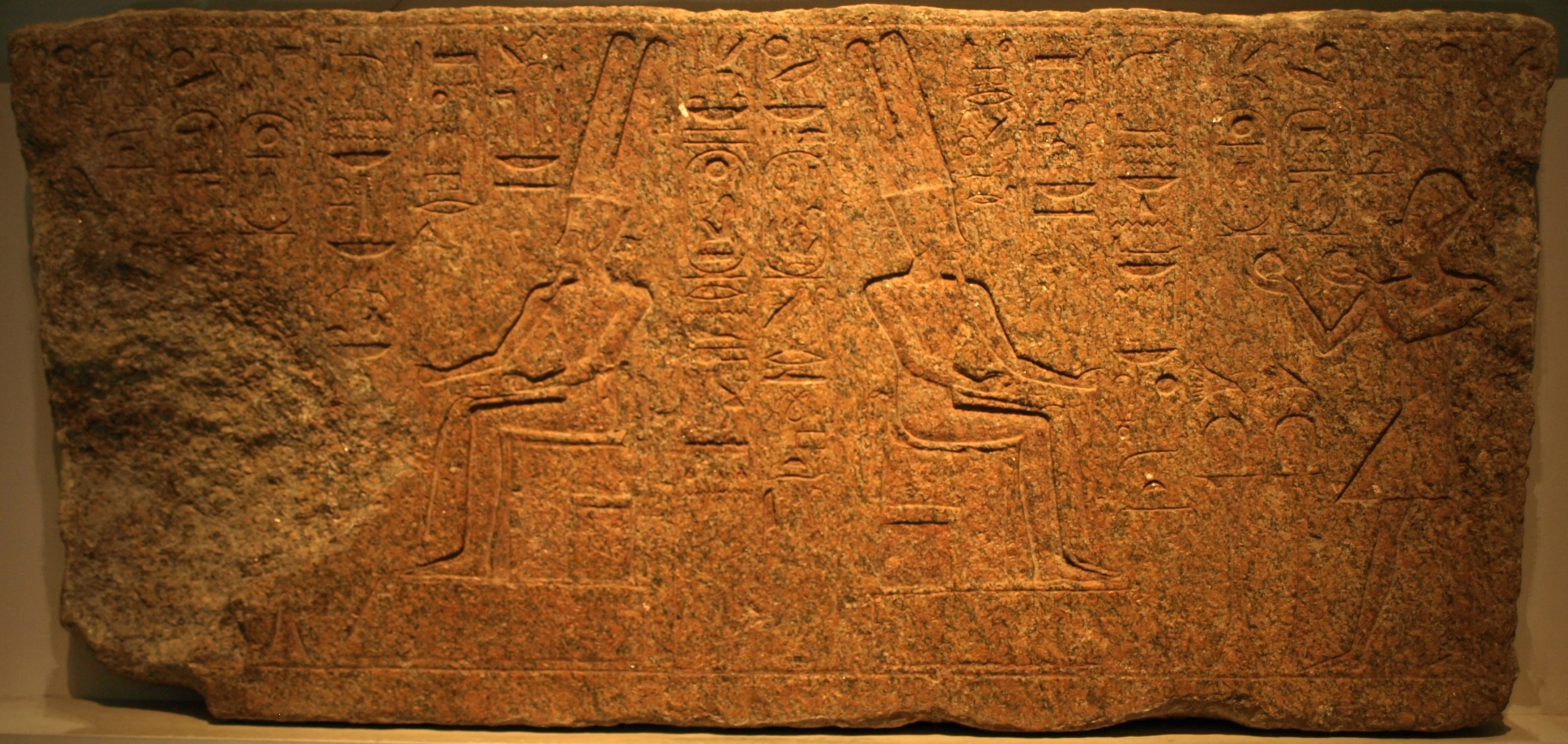
Ancient Egyptian city with Bastet temple
Canopus, Egypt
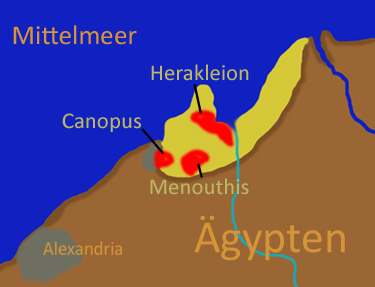
Submerged ancient Egyptian coastal town ruins
Mendes
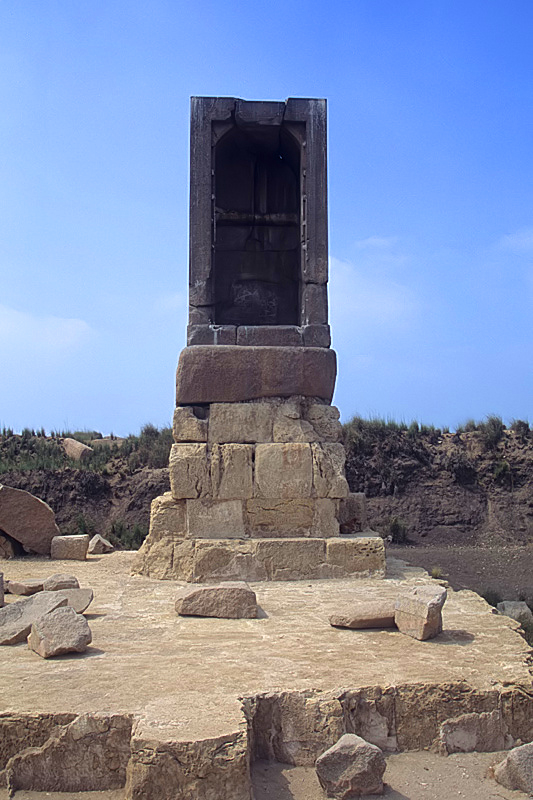
Ancient city with significant religious structures.
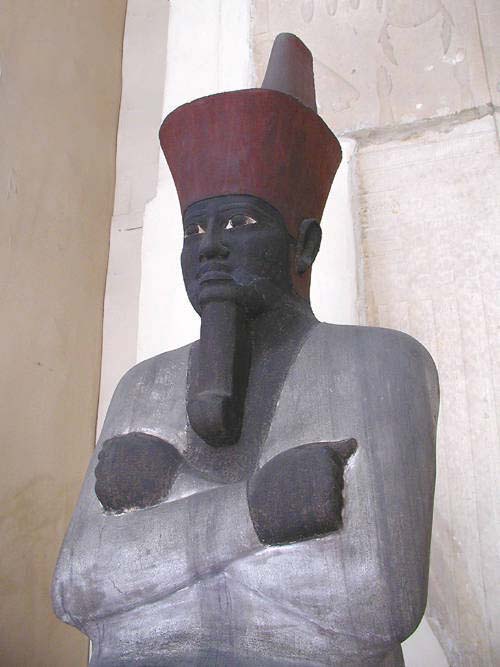
Thinis
Ancient Upper Egypt's undiscovered capital city.
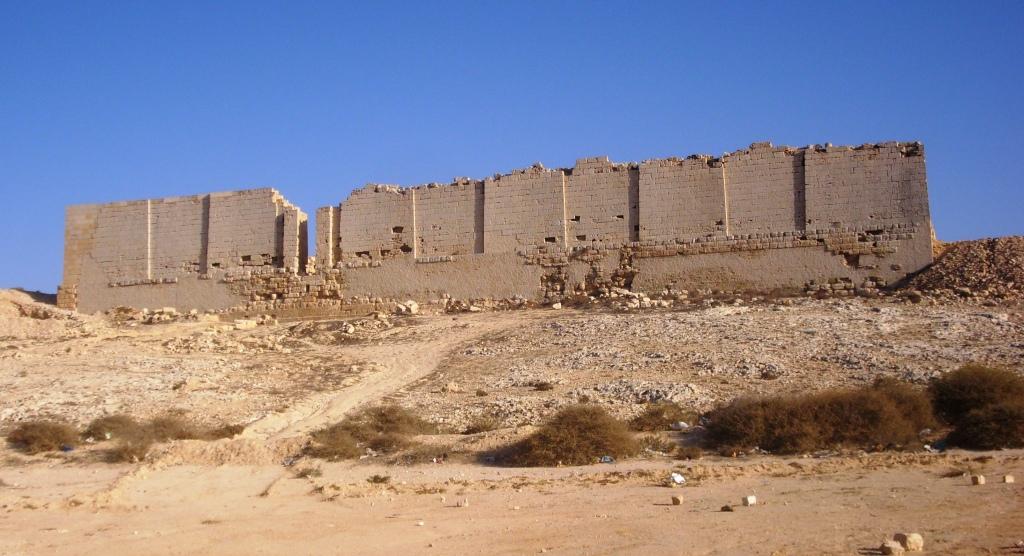
Taposiris Magna
Ancient city with temple and tombs
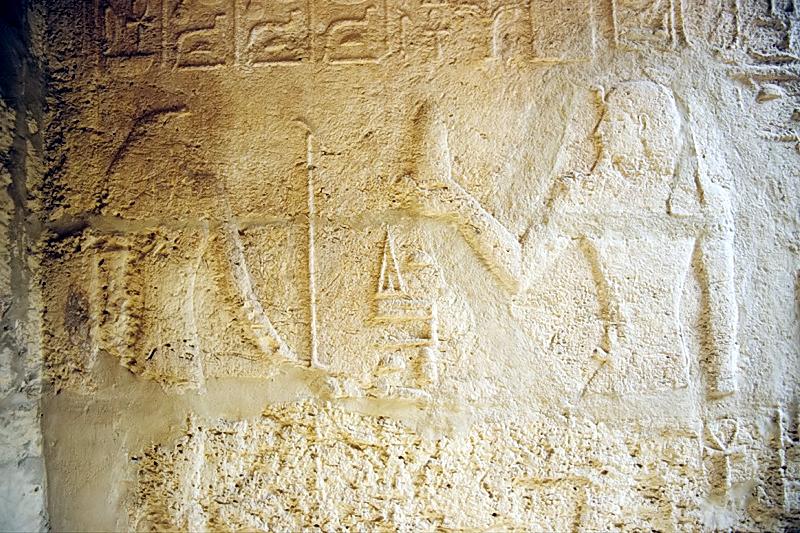
Medinet Madi
Greco-Roman town with Middle Kingdom temple