
Explore the Map
Islamic Cairo
30.0460° N, 31.2627° E
About
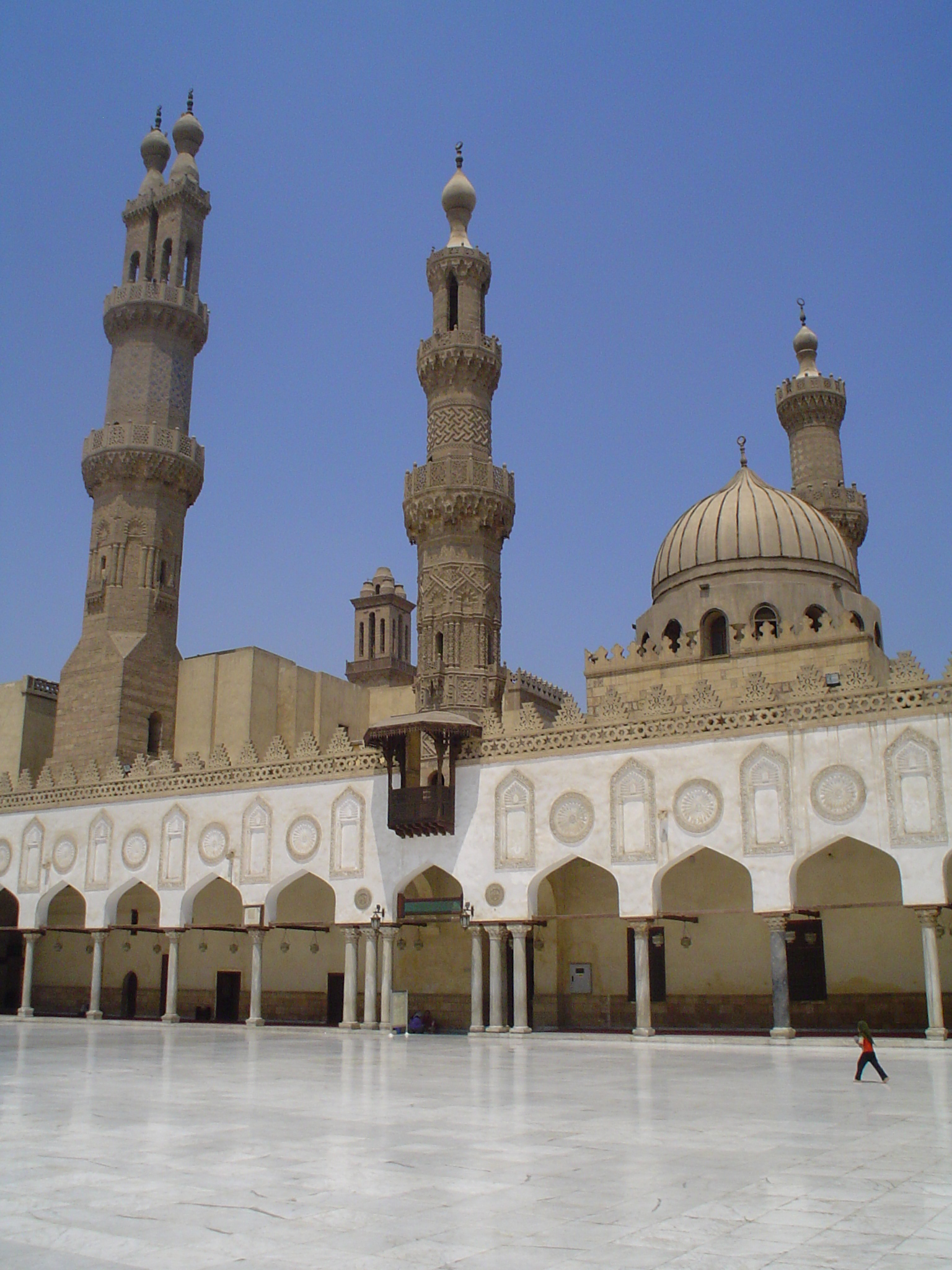
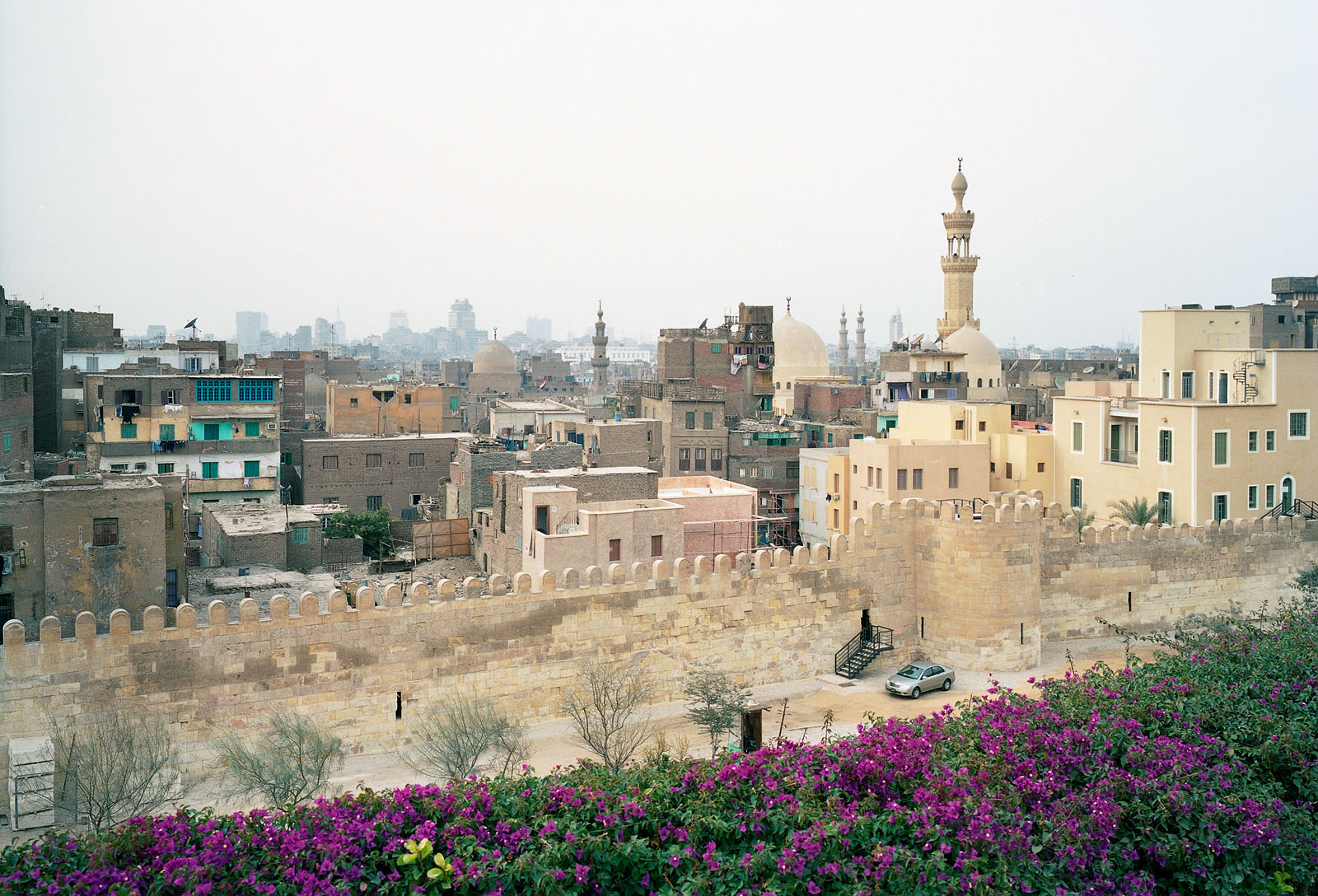
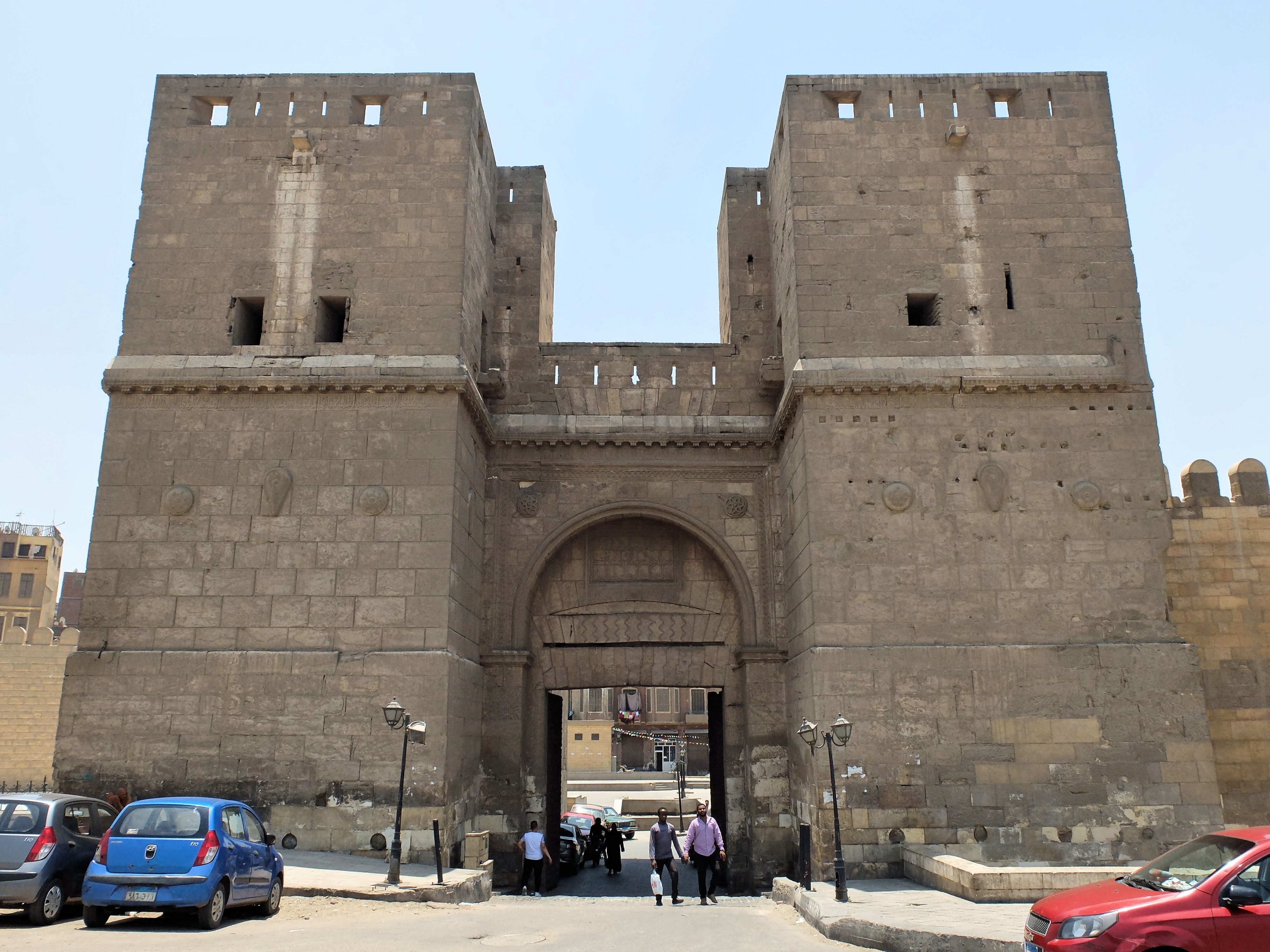
Islamic Cairo, also known as Medieval Cairo, represents a significant historical expanse within modern Cairo, Egypt, embodying the city's Islamic heritage from the 7th century CE onwards. Founded following the Muslim conquest of Egypt, the area includes the original city of Fustat and later developments, notably the establishment of al-Qahira by the Fatimids in 969 CE. It is renowned for its dense concentration of historic Islamic architecture, including numerous mosques, madrasas, and the distinct Citadel. The city evolved through various periods, with significant contributions during the Ayyubid, Mamluk, and Ottoman eras, marked by the construction of fortified walls, religious complexes, and bustling marketplaces. Today, Islamic Cairo remains a vital cultural and archaeological site, reflecting the rich tapestry of its historical significance.
Gallery
Explore photographs of ancient structures, artifacts, and archaeological excavations
Historical Timeline
Journey through time and discover key events in this site's history
Foundation of Fustat
641 CE
Foundation of al-Qahira (Cairo)
969 CE
Ayyubid Expansion
1176 CE
Mamluk Architectural Flourish
1250 CE - 1517 CE
Ottoman Control
1517 CE
Muhammad Ali's Modernization
1805 CE
Archaeological Features
Unique architectural and cultural elements found at this historical site
Defensive Structures
Public and Civic Structures
Burial and Funerary Structures
Religious and Ritual Structures
Domestic and Habitation Structures
Plan Your Visit
Tours, travel arrangements, and practical information

More Sites in Egypt
Bubastis
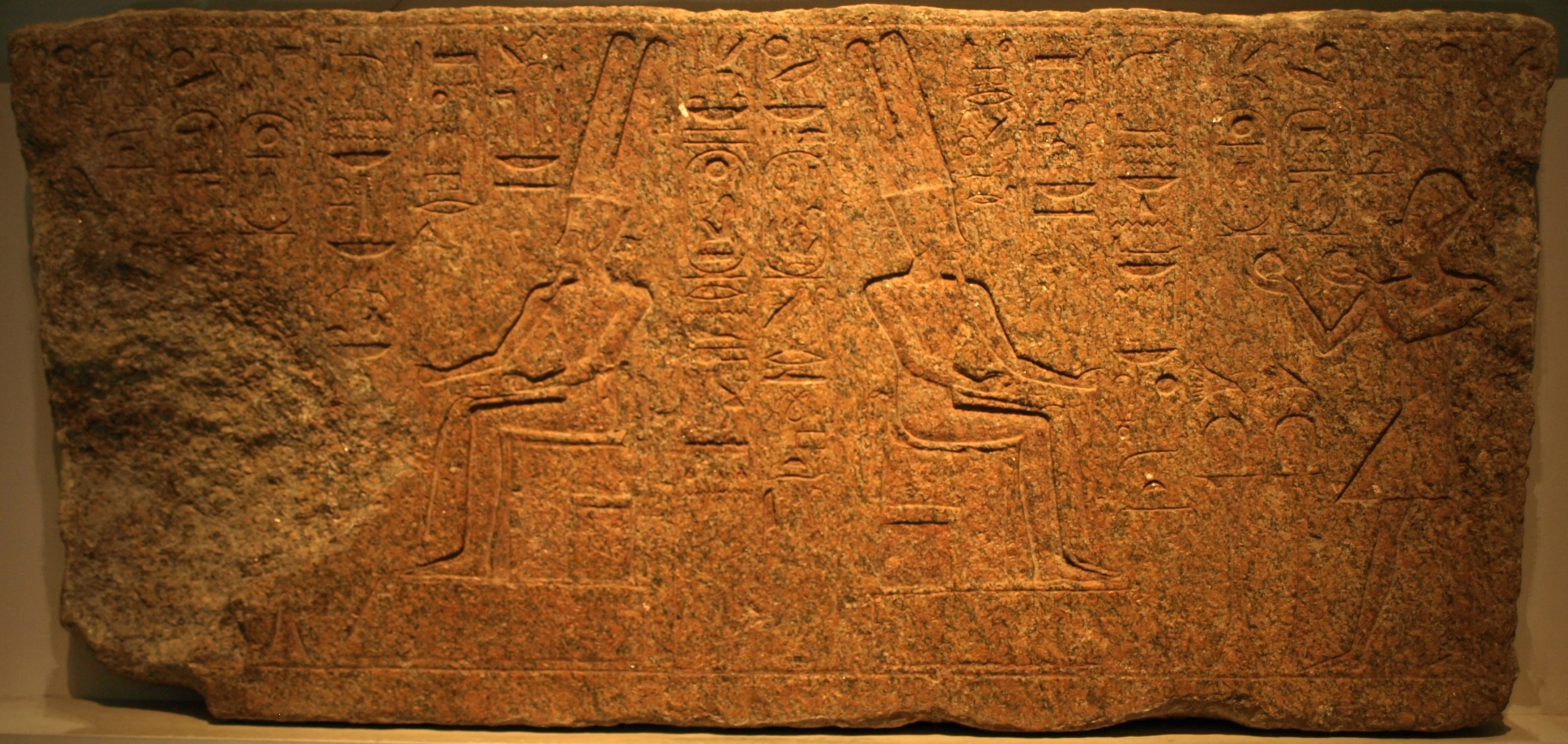
Ancient Egyptian city with Bastet temple
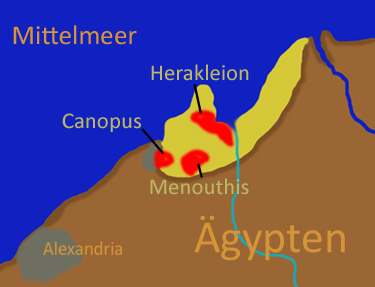
Canopus, Egypt
Submerged ancient Egyptian coastal town ruins
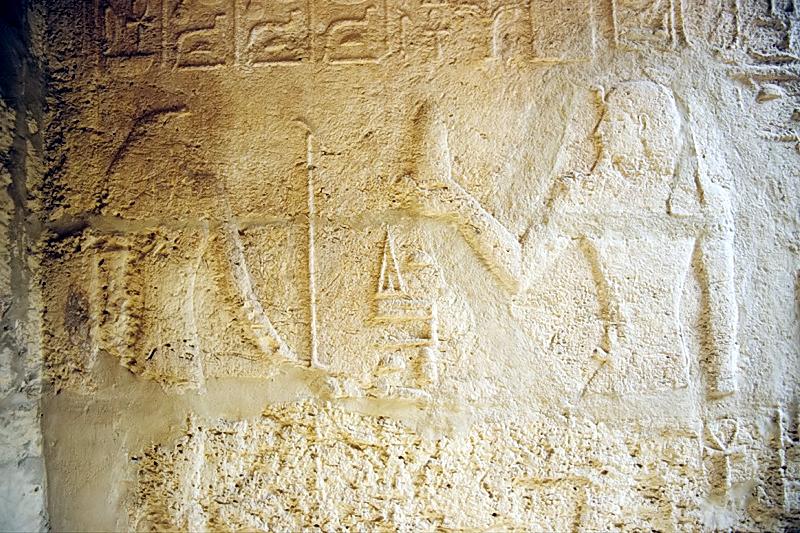
Medinet Madi
Greco-Roman town with Middle Kingdom temple
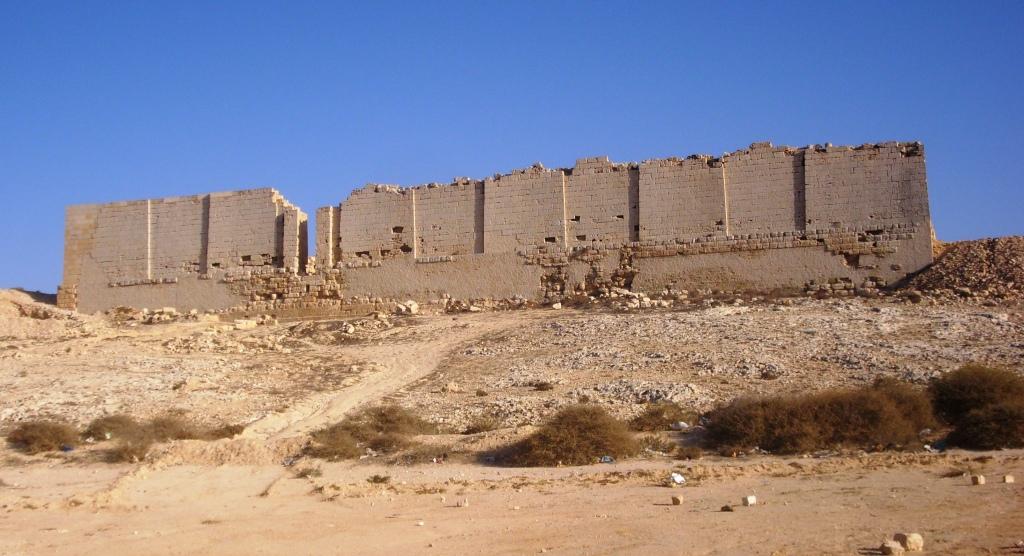
Taposiris Magna
Ancient city with temple and tombs
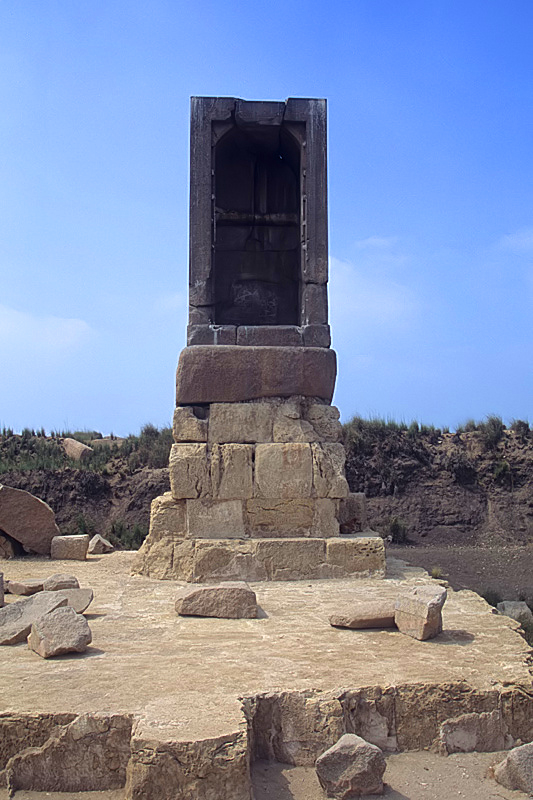
Mendes
Ancient city with significant religious structures.
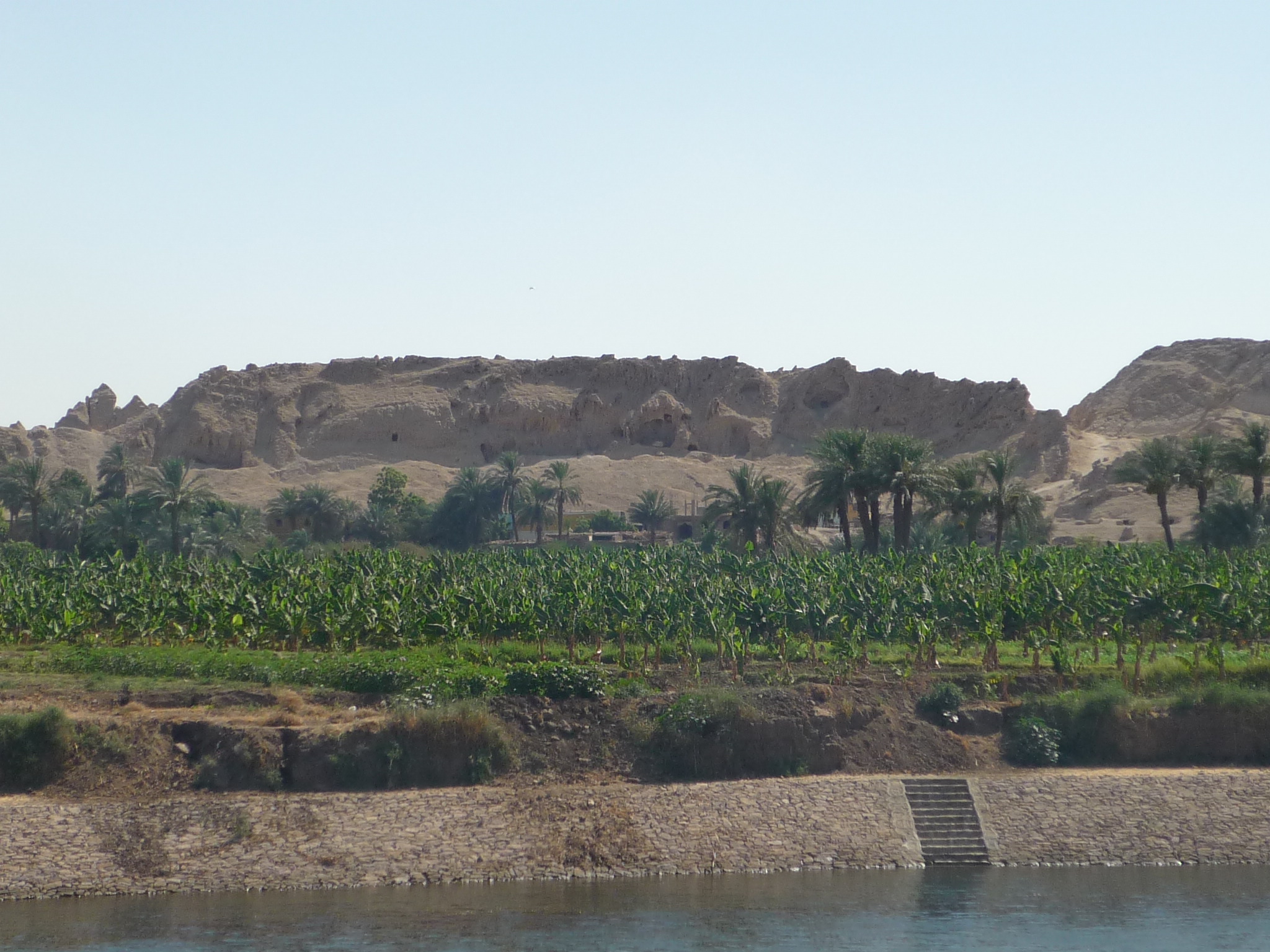
Gebelein
Archaeological site with mummies and temple ruins