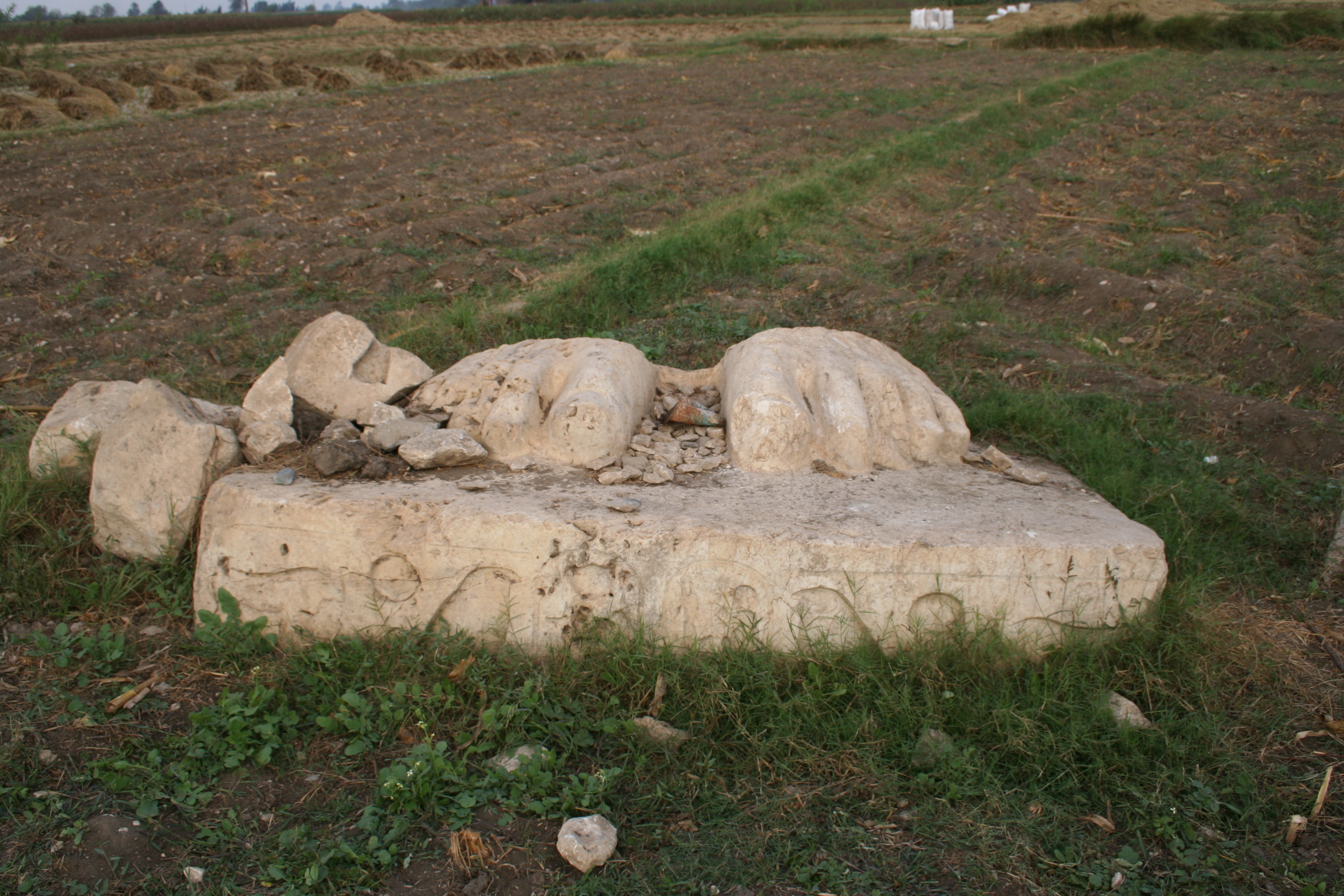
Explore the Map
Pi-Ramesses
30.7989° N, 31.8358° E
About
Pi-Ramesses, the ancient Egyptian capital built by Ramesses II, was strategically located on the banks of the Pelusiac branch of the Nile. This site, near the former city of Avaris, served as a major urban center with a population exceeding 300,000. It featured a central temple, palatial structures, and an intricate network of roads and canals, earning it the moniker 'Venice of Egypt.' The city also housed significant military facilities, reflecting its strategic importance. Despite its initial prosperity, Pi-Ramesses' prominence declined in the 11th century BCE when the Pelusiac branch silted up, leading to the relocation of the capital to Tanis. The site's historical significance is further underscored by its biblical associations, being linked to the city of Raamses mentioned in the Exodus narrative.
Gallery
Explore photographs of ancient structures, artifacts, and archaeological excavations
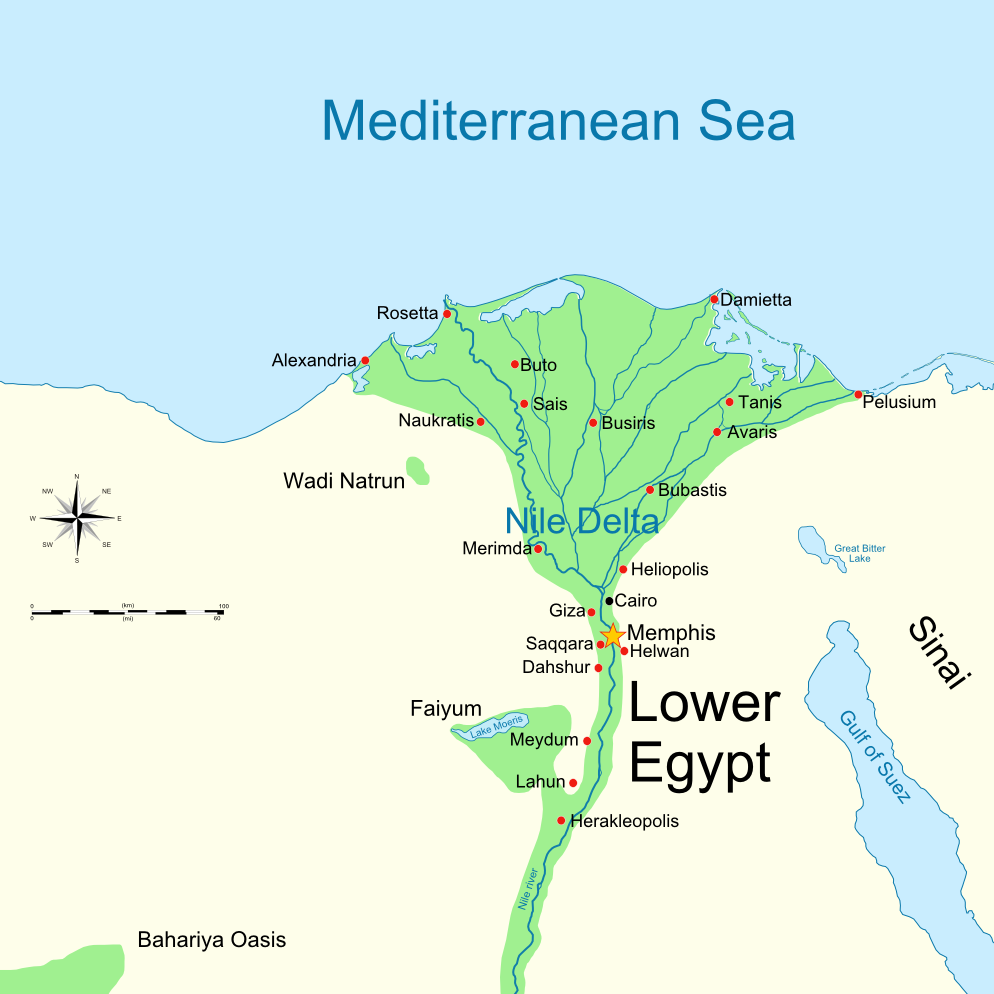
Historical Timeline
Journey through time and discover key events in this site's history
Capital built by Ramesses II
1279 BCE
City flourishes after Ramesses
12th century BCE
Move to Tanis by 21st Dynasty
11th century BCE
Pelusiac branch silts up
c. 1060 BCE
Archaeological Features
Unique architectural and cultural elements found at this historical site
Animal Husbandry Features
Water Management Features
Religious and Ritual Structures
Artistic and Decorative Features
Domestic and Habitation Structures
Transportation and Communication Structures
Frequently Asked Questions
Plan Your Visit
Tours, travel arrangements, and practical information
More Sites in Egypt
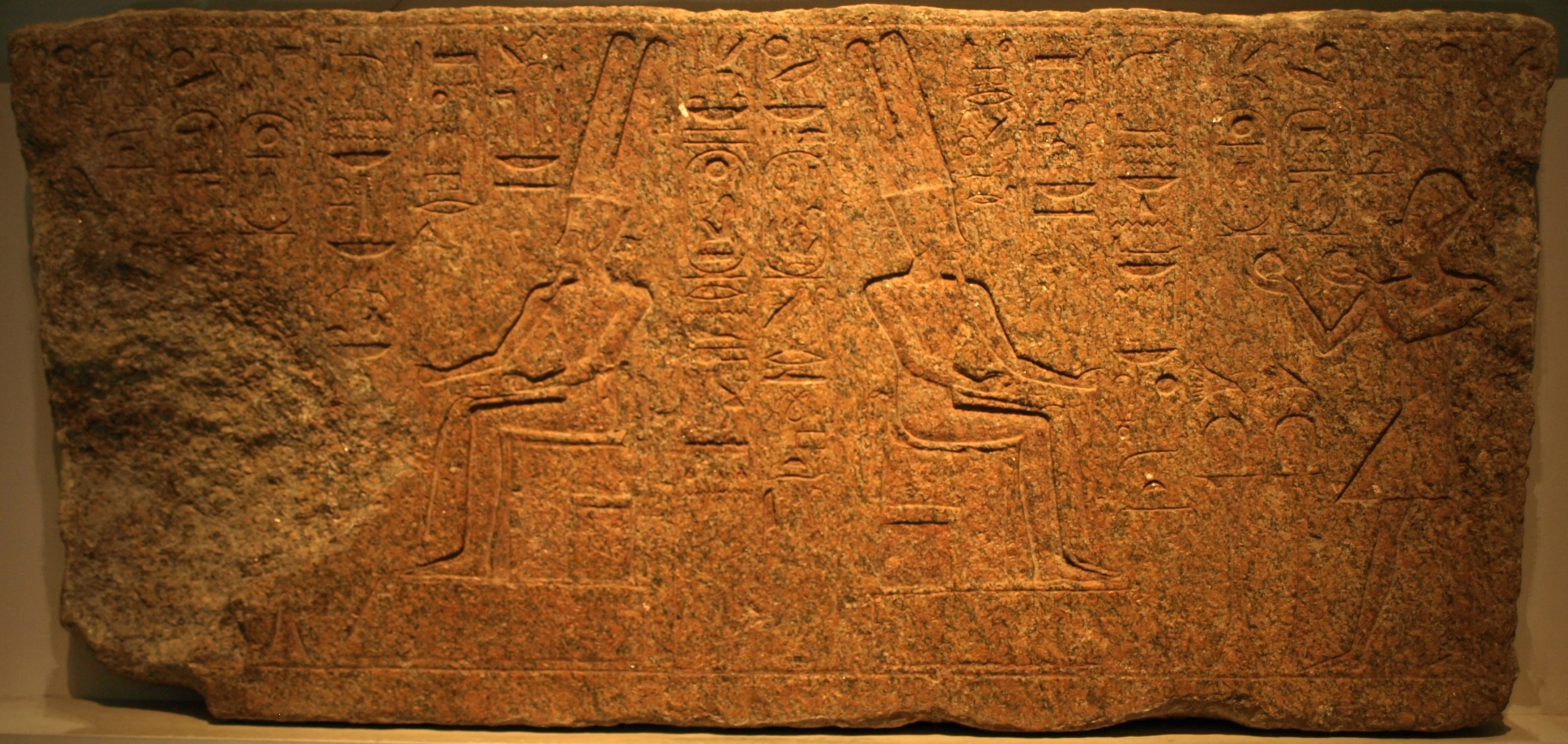
Bubastis
Ancient Egyptian city with Bastet temple
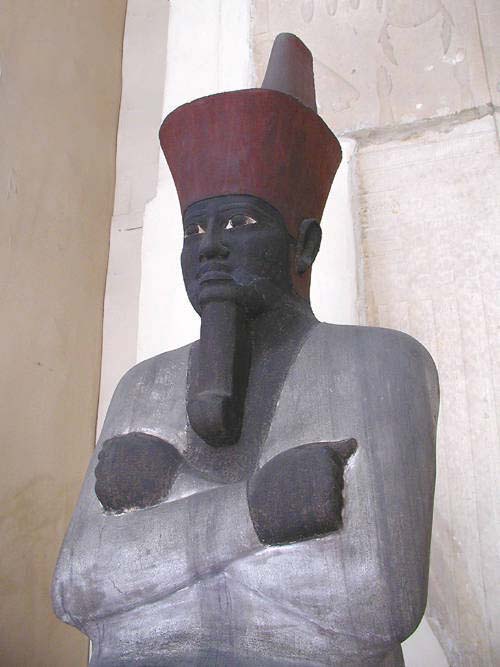
Thinis
Ancient Upper Egypt's undiscovered capital city.
Buhen
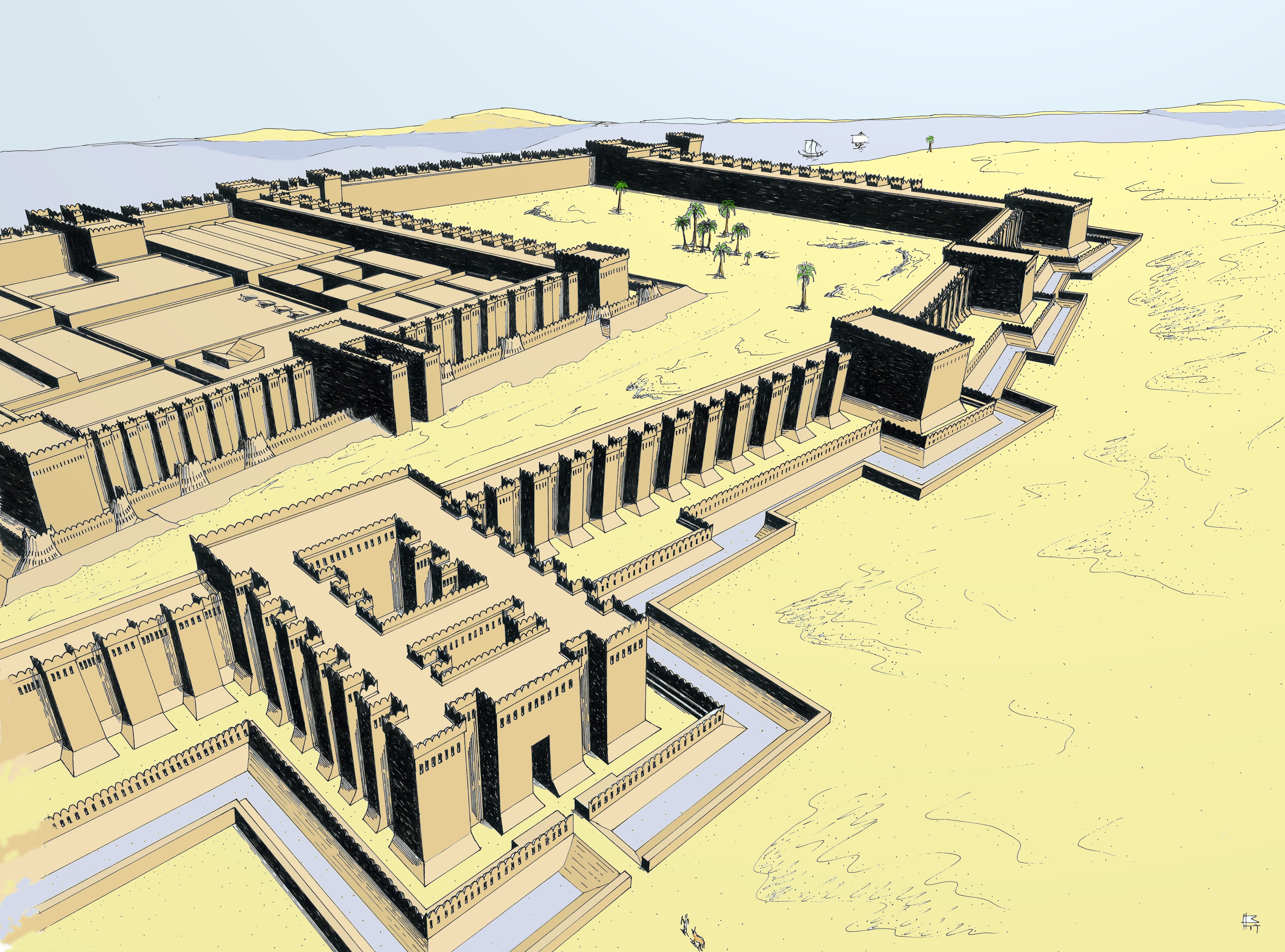
Ancient Egyptian fortress with copper smelting.

Leontopolis (Heliopolis)
Ancient city with fortifications and a temple.
Mendes
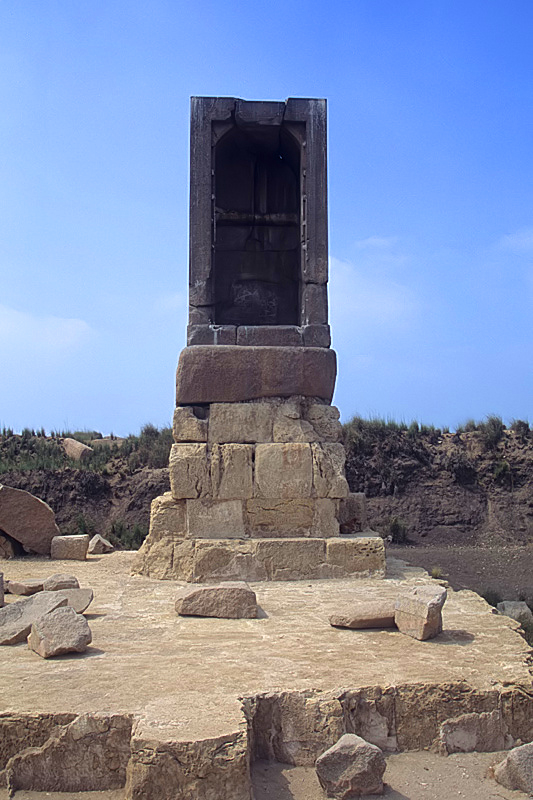
Ancient city with significant religious structures.
Cemetery GIS
Stone mastabas in Giza Plateau cemetery