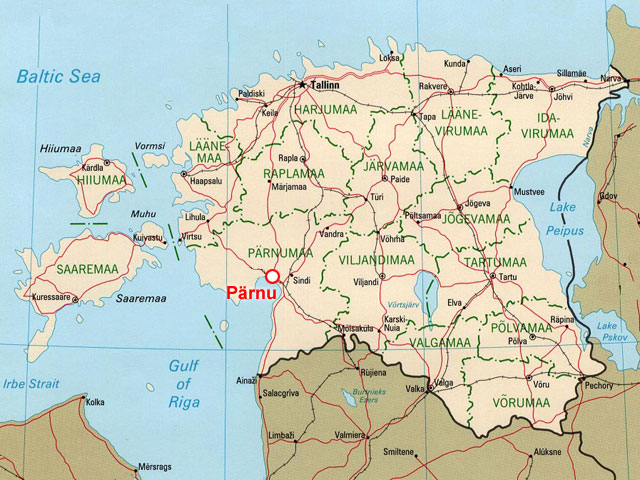
Explore the Map
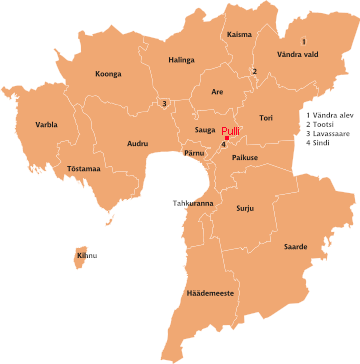
Pulli settlement
58.4192° N, 24.6756° E
About
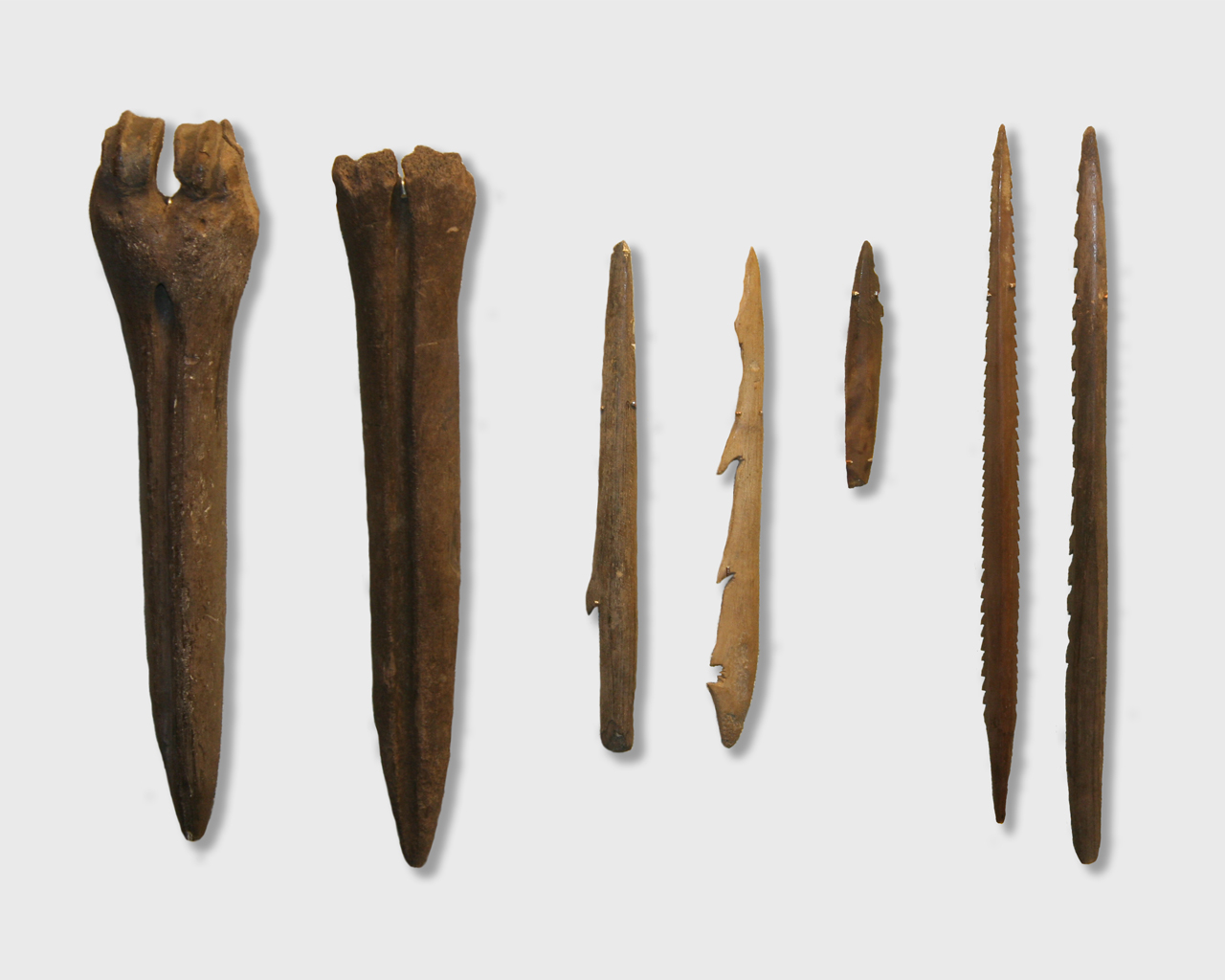
The Pulli settlement, situated on the right bank of the Pärnu River in Estonia, represents the oldest known human habitation in the region, dating back to approximately 9000 BCE. This Mesolithic site reveals significant archaeological insights into early human life, including 1,175 artifacts primarily crafted from flint sourced from Latvia and Lithuania. Notably, Pulli provides the earliest evidence of domesticated dogs in Estonia, marked by the discovery of a dog tooth. The settlement reflects a unique technological complex in the Stone Age Baltic, with imported flint tools contrasting the prevalent quartz-based tools found elsewhere in Estonia. The site, discovered in 1967, offers a crucial glimpse into the migration and adaptation patterns of early human communities following glacial retreat, illustrating an advanced understanding of tool-making and resource utilization in a prehistoric context.
Gallery
Explore photographs of ancient structures, artifacts, and archaeological excavations
Historical Timeline
Journey through time and discover key events in this site's history
Settlement at Pulli
9000 BCE
Archaeological Features
Unique architectural and cultural elements found at this historical site
Domestic and Habitation Structures
Environmental and Natural Features
Frequently Asked Questions
Plan Your Visit
Tours, travel arrangements, and practical information