Explore the Map
Toompea Castle
59.4356° N, 24.7372° E
About
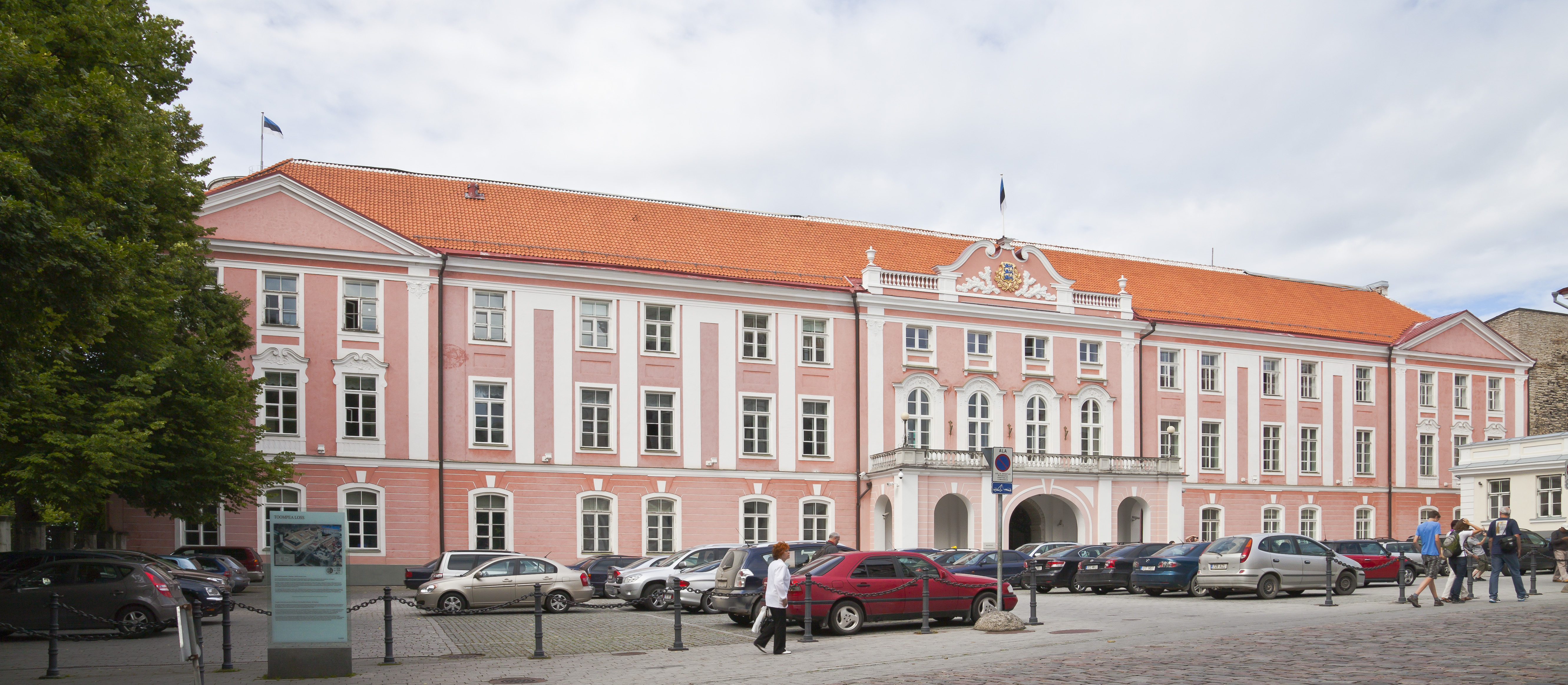
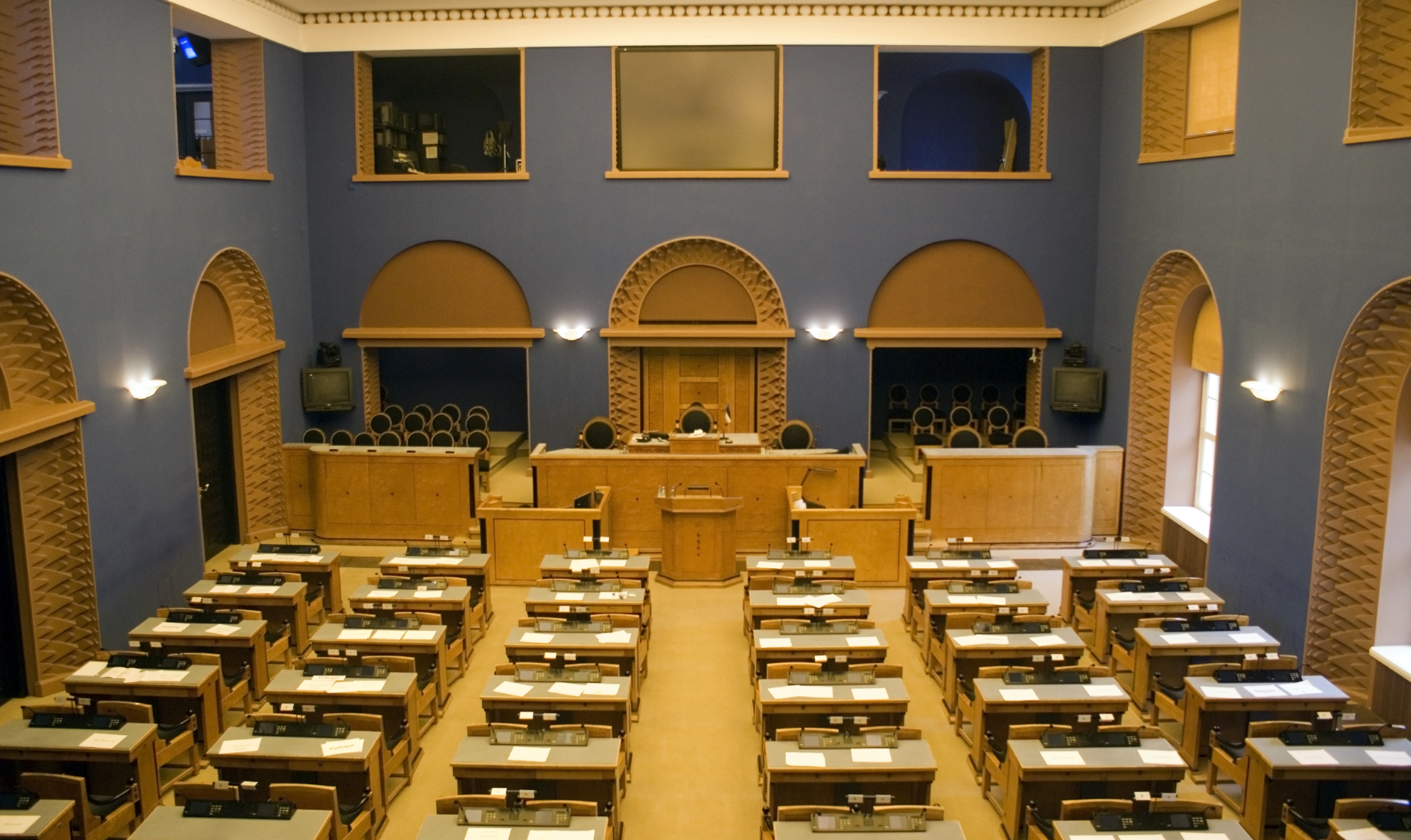
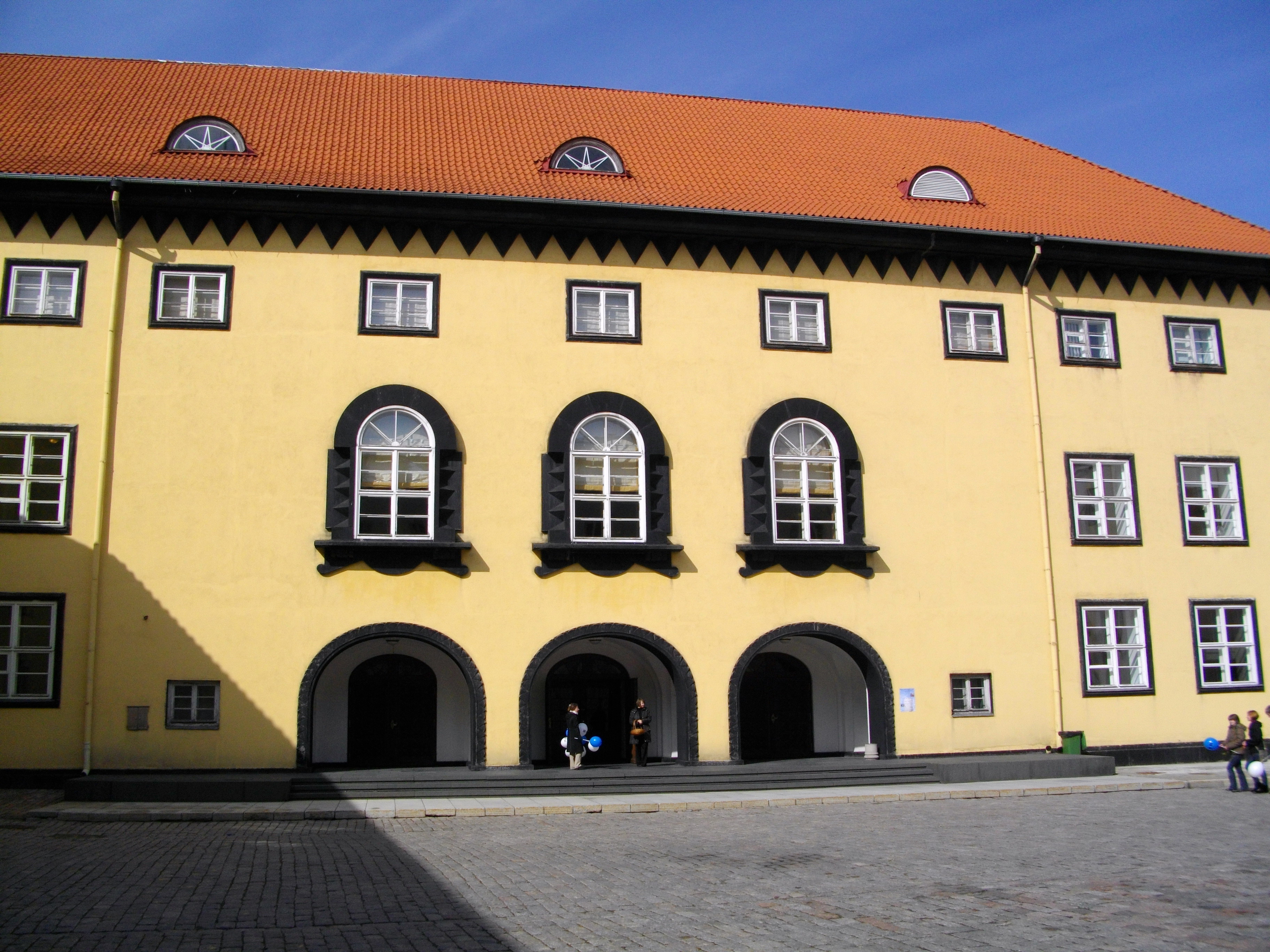
Toompea Castle, located on Toompea hill in Tallinn, Estonia, is a significant medieval structure with a rich history. Originally an ancient Estonian stronghold from at least the 9th century CE, it was taken over by Danish crusaders in 1219. Its strategic significance continued as it passed to the Order of the Brethren of the Sword in 1227, and later sold to the Teutonic Order in 1346. The castle evolved from a fortress to a ceremonial and administrative center under Swedish dominion by the mid-16th century. It underwent numerous reconstructions, especially after becoming part of the Russian Empire in 1710. A key feature is its transformation into a parliamentary site post-Estonian independence in 1918, with the Riigikogu building completed in 1922. Its architecture represents a blend of medieval and modern influences, showcasing its enduring political and cultural significance.
Gallery
Explore photographs of ancient structures, artifacts, and archaeological excavations
Historical Timeline
Journey through time and discover key events in this site's history
Estonian stronghold use
9th century CE
Danish conquest
1219 CE
Brethren of the Sword
1227 CE
Teutonic Order sale
1346 CE
Swedish dominion
1561 CE
Russian Empire acquisition
1710 CE
Parliament building completion
1922 CE
Archaeological Features
Unique architectural and cultural elements found at this historical site
Defensive Structures
Public and Civic Structures
Religious and Ritual Structures
Frequently Asked Questions
Plan Your Visit
Tours, travel arrangements, and practical information