Explore the Map
Salme ships
58.1675° N, 22.2506° E
About
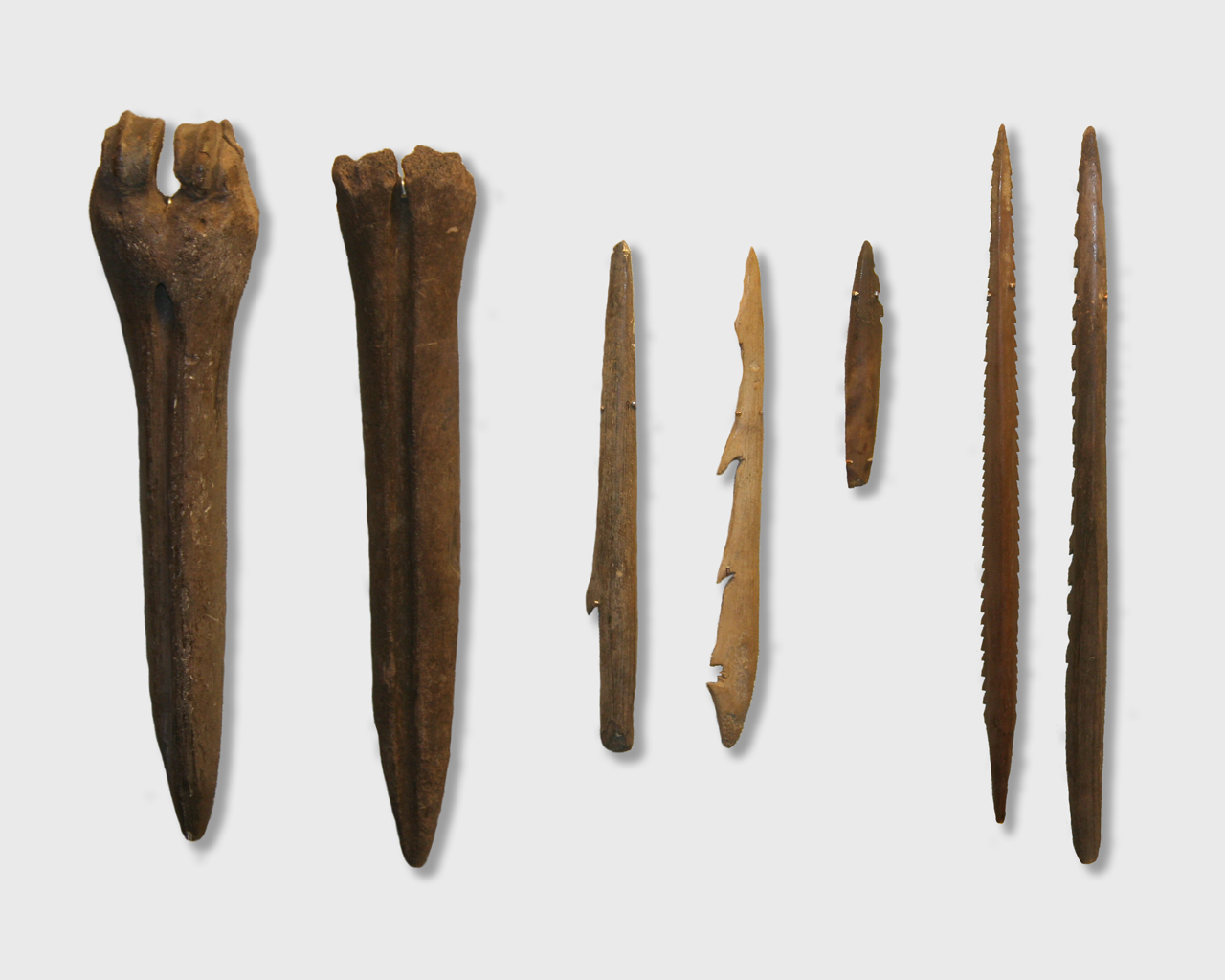
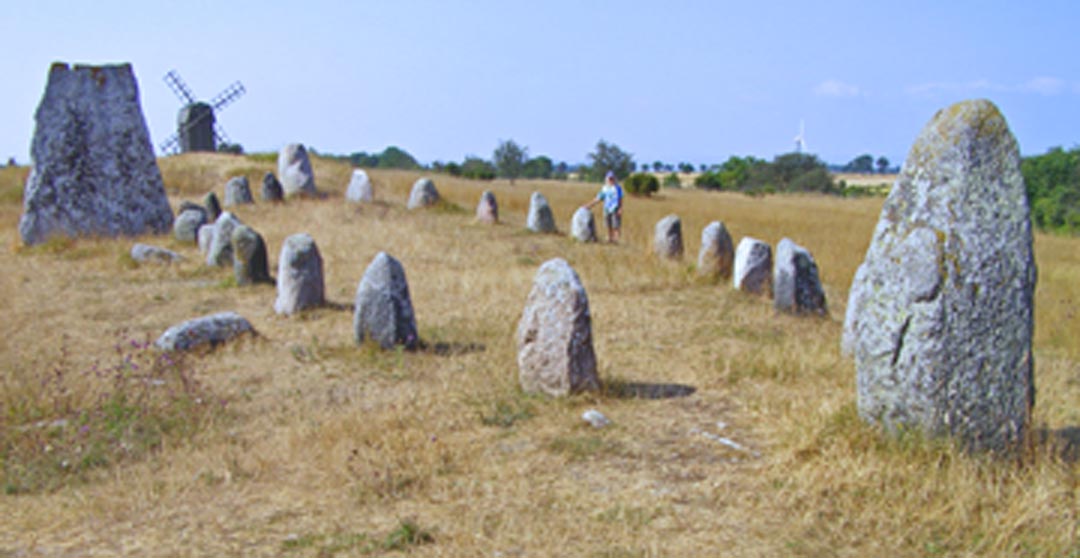
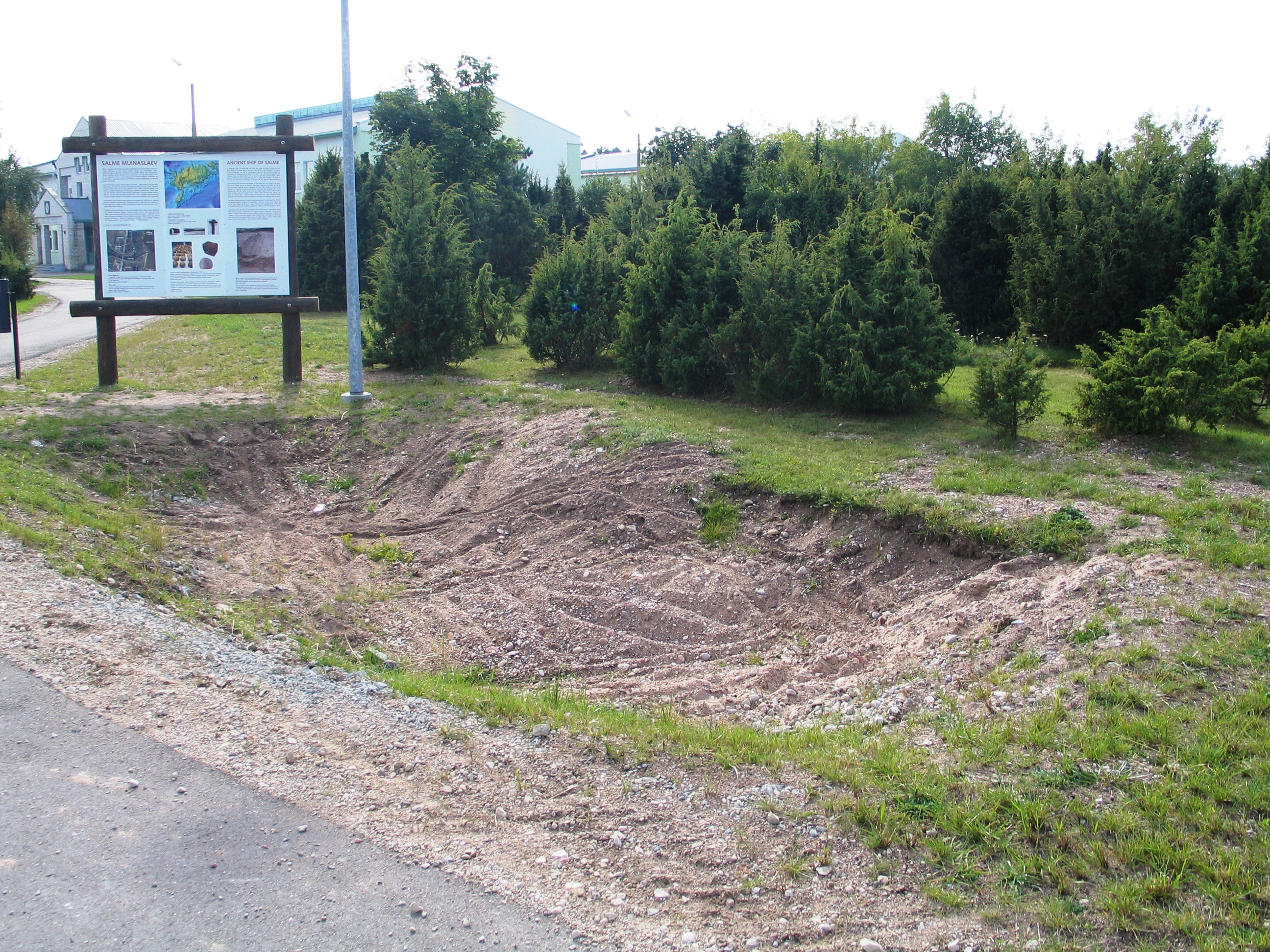
The Salme ships, discovered on the island of Saaremaa, Estonia, are a significant archaeological find comprising two Scandinavian clinker-built vessels used for ship burials in the Nordic Iron Age around 700–750 CE. These ships contained the remains of 41 warriors, suggesting a battle-related event. The presence of ritually sacrificed dogs and falconry hawks among the grave goods, along with a variety of weapons, indicates the burials' high-status nature. Isotope analysis traces the origin of the warriors to central Sweden, while DNA testing reveals familial relationships among them. The Salme ships offer crucial insights into early Scandinavian seafaring, warfare, and burial practices, challenging the conventional timeline of Viking activity in the Baltic region.
Gallery
Explore photographs of ancient structures, artifacts, and archaeological excavations
Historical Timeline
Journey through time and discover key events in this site's history
Construction of Ships
650 CE
Ship Burials
700 CE
Archaeological Features
Unique architectural and cultural elements found at this historical site
Burial and Funerary Structures
Transportation and Communication Structures
Frequently Asked Questions
Plan Your Visit
Tours, travel arrangements, and practical information