
Time Periods
Paleolithic
Mesolithic
Neolithic
Chalcolithic
Bronze Age
Iron Age
Classical Period
Post-Classical Period
Early Modern Period
Industrial Period
Contemporary Period
Time Periods
Paleolithic
Mesolithic
Neolithic
Chalcolithic
Bronze Age
Iron Age
Classical Period
Post-Classical Period
Early Modern Period
Industrial Period
Contemporary Period
Location
About
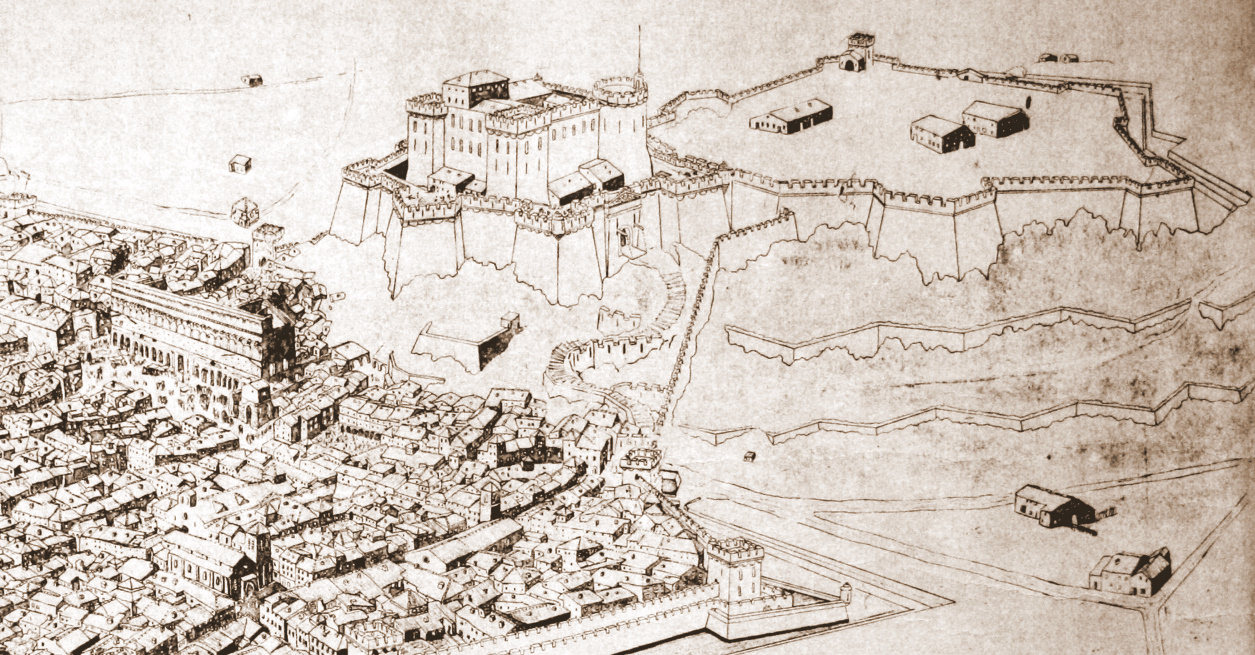
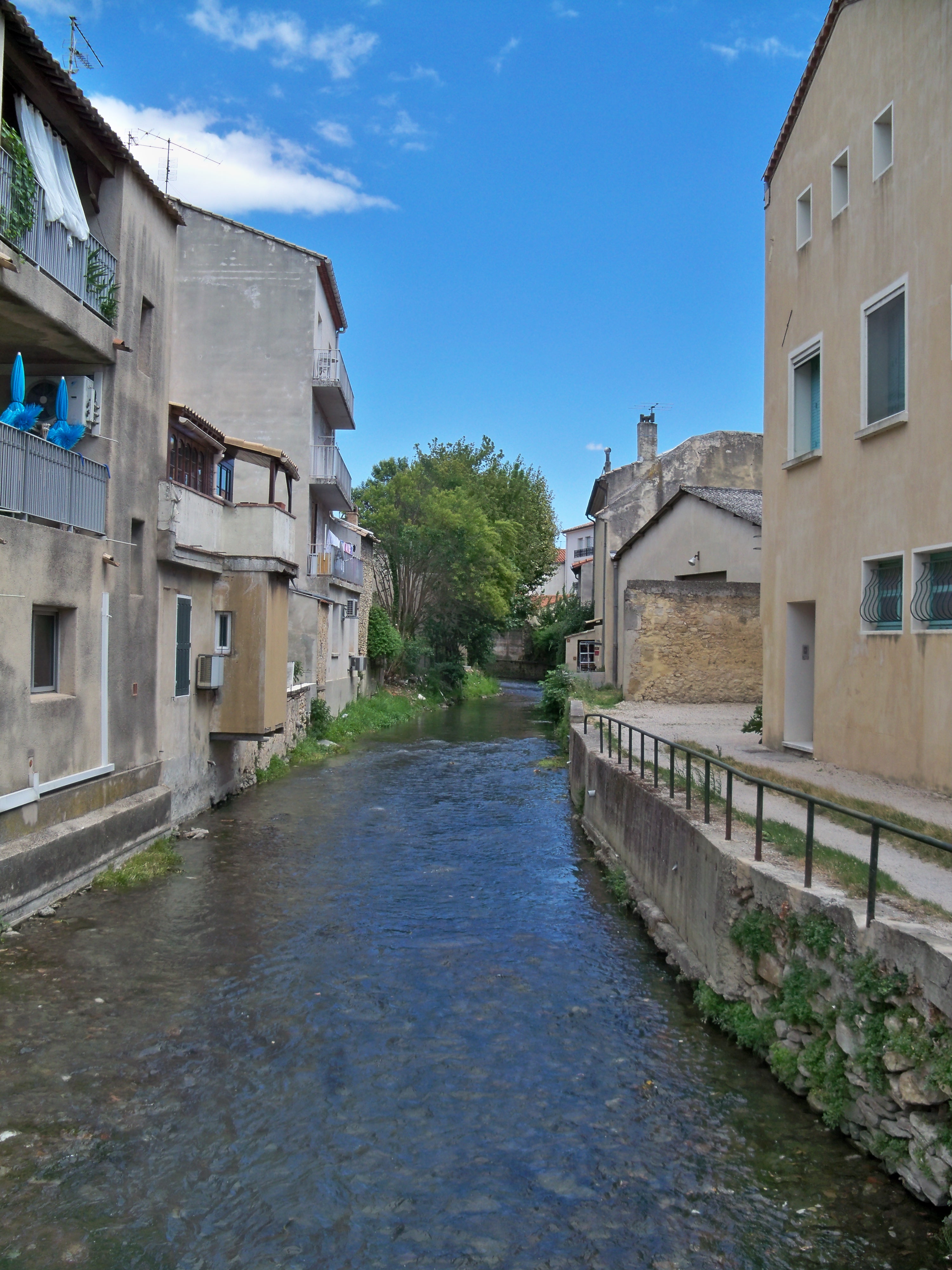
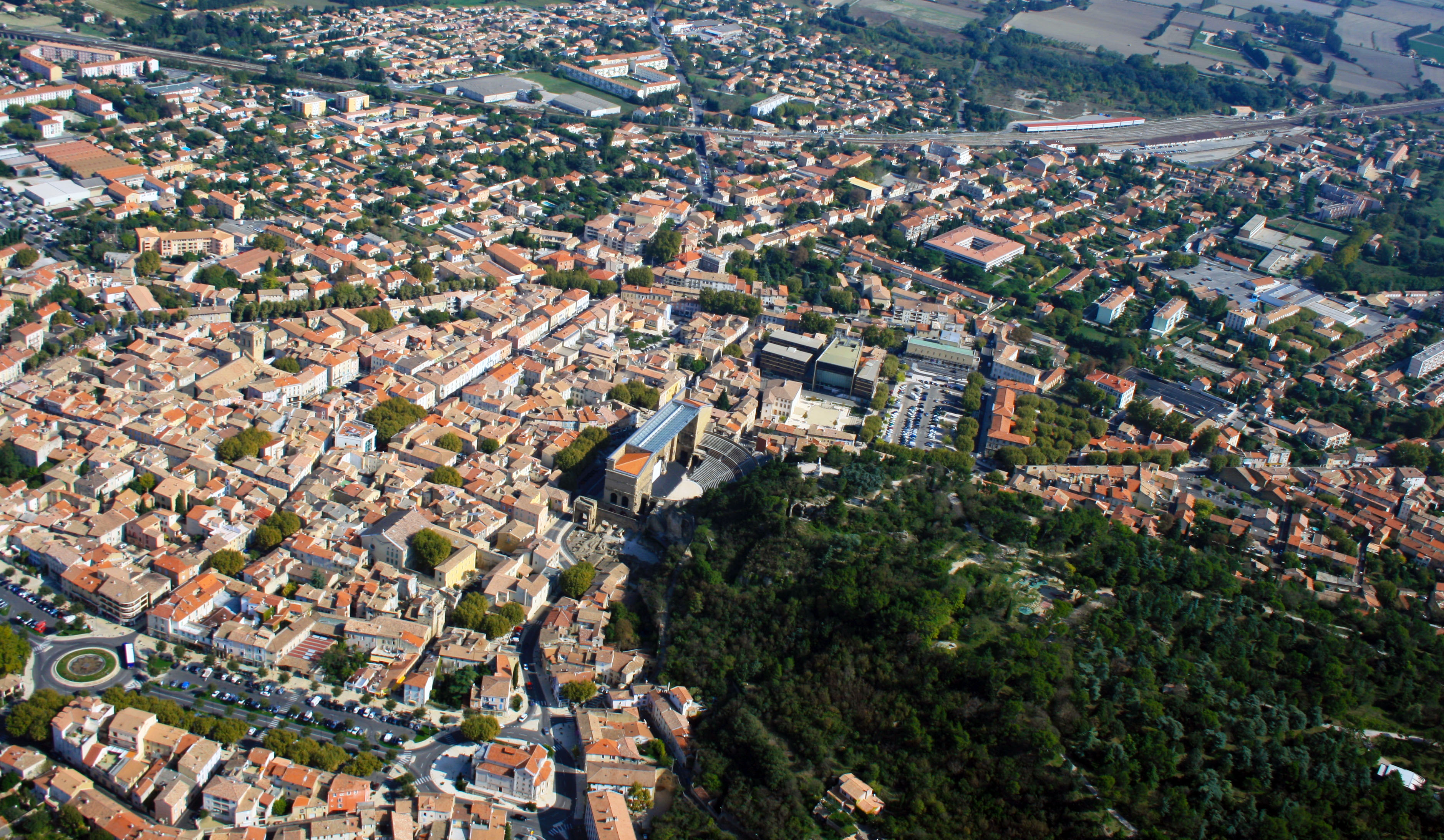
Orange, located in the Vaucluse department of France, is a significant archaeological site with Roman origins. Founded in 35 BCE by veterans of the second legion, the city, known as Arausio, is notable for its impressive Roman theatre and triumphal arch. It was a well-endowed Roman city with a forum, monumental temple complex, and other civic structures. The site has a rich history involving a major battle in 105 BCE and sacking by the Visigoths in 412 CE. Orange later became a diocese and hosted important synods in the 5th and 6th centuries. It transitioned into the Principality of Orange in the 12th century, and its control shifted multiple times until it was ceded to France in 1713. The archaeological remains, including the theatre and the arch, offer valuable insights into Roman urban planning and architecture.
Gallery
Explore photographs of ancient structures, artifacts, and archaeological excavations at Orange, Vaucluse
Archaeological Features
Explore the unique architectural and cultural elements found at this historical site
Storage Structures
Defensive Structures
Military Installations
Public and Civic Structures
Religious and Ritual Structures
Artistic and Decorative Features
Transportation and Communication Structures
Historical Timeline
Journey through time and discover key events in this site's archaeological history
Plan Your Visit
Details
- Country
- France
- Source
- Wikipedia
More Sites in France
Castellane
Ancient settlement in limestone-rich area
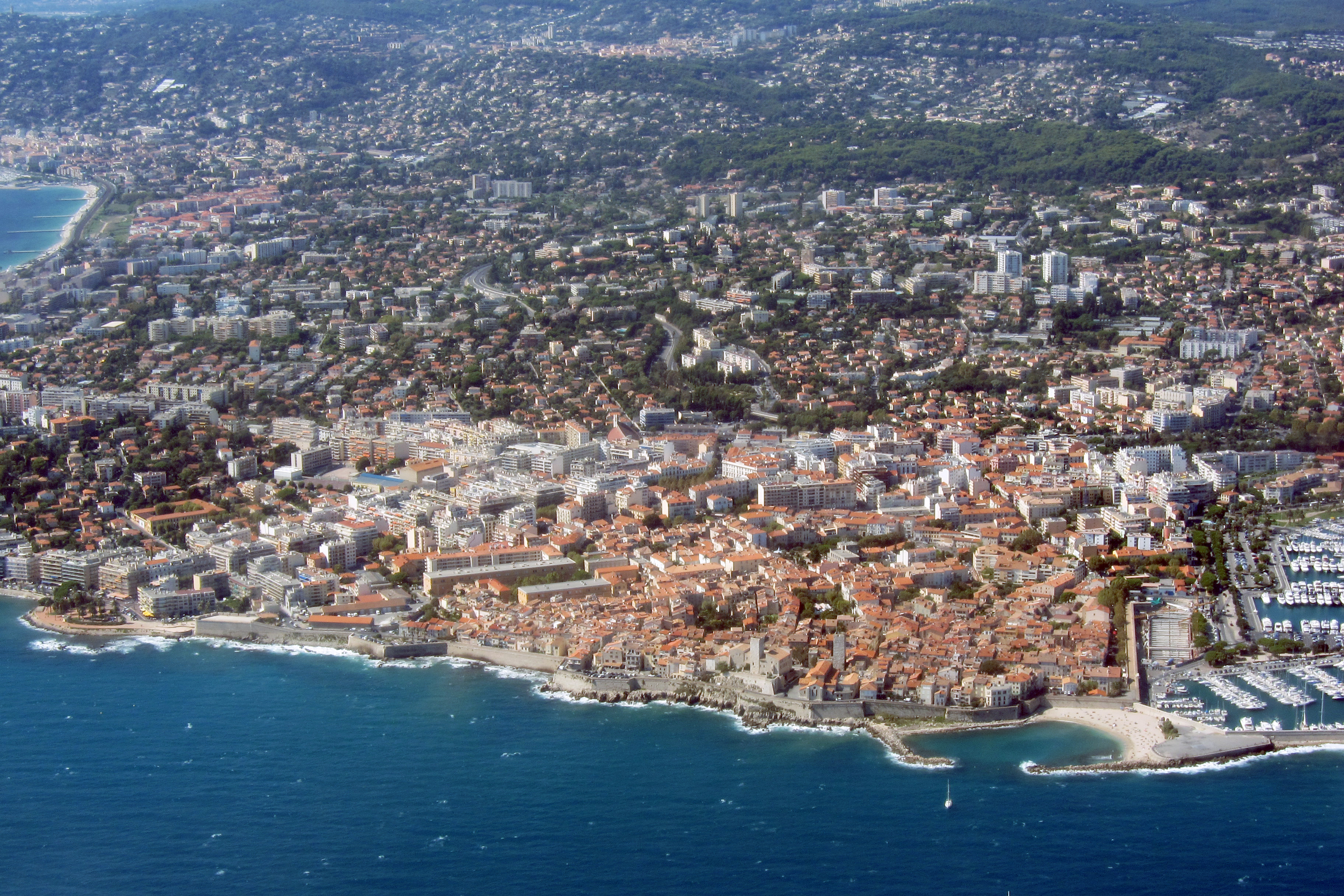
Antibes
Ancient Greek colony with medieval fortifications.
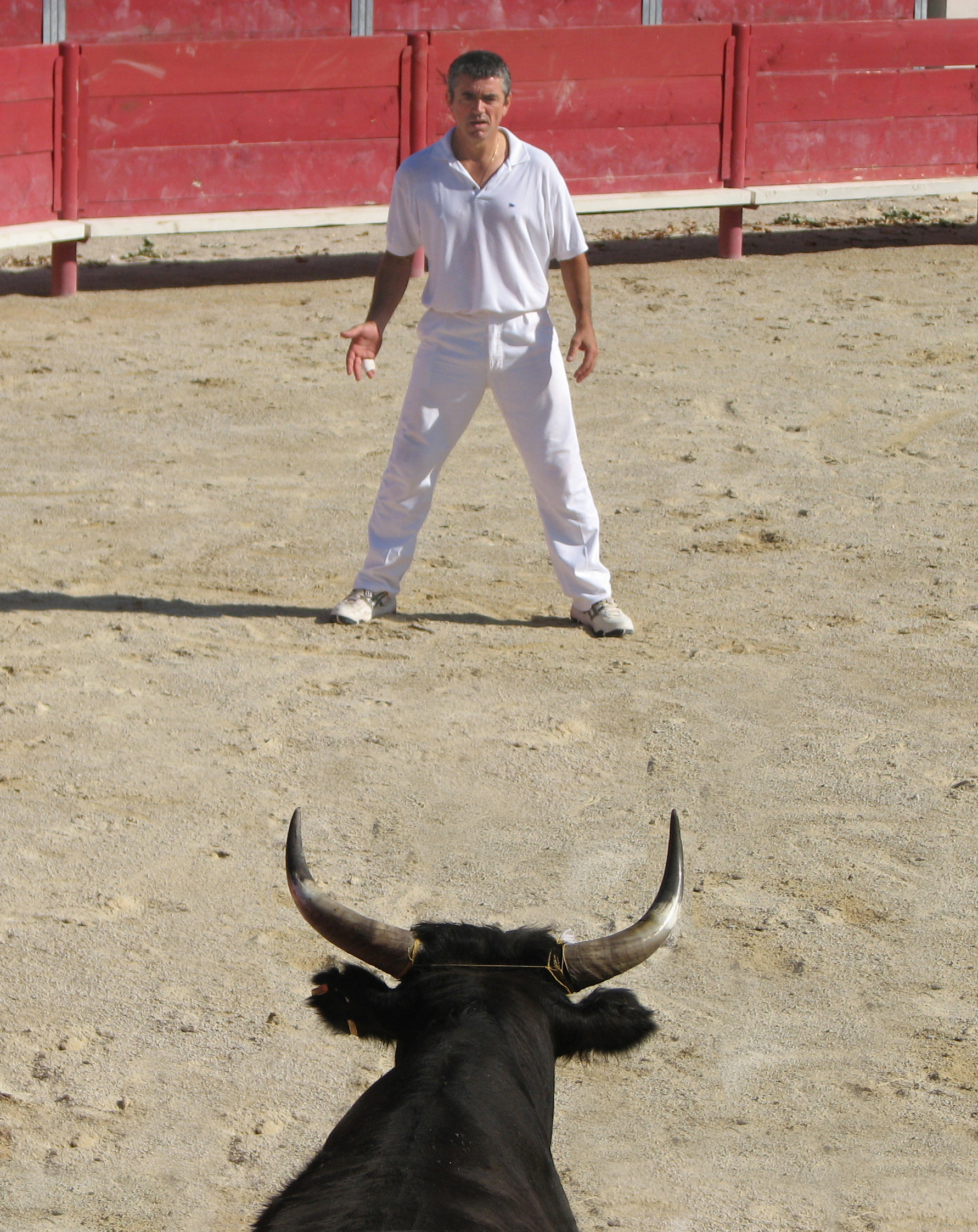
Aimargues
Ancient town with Roman origins, castle.
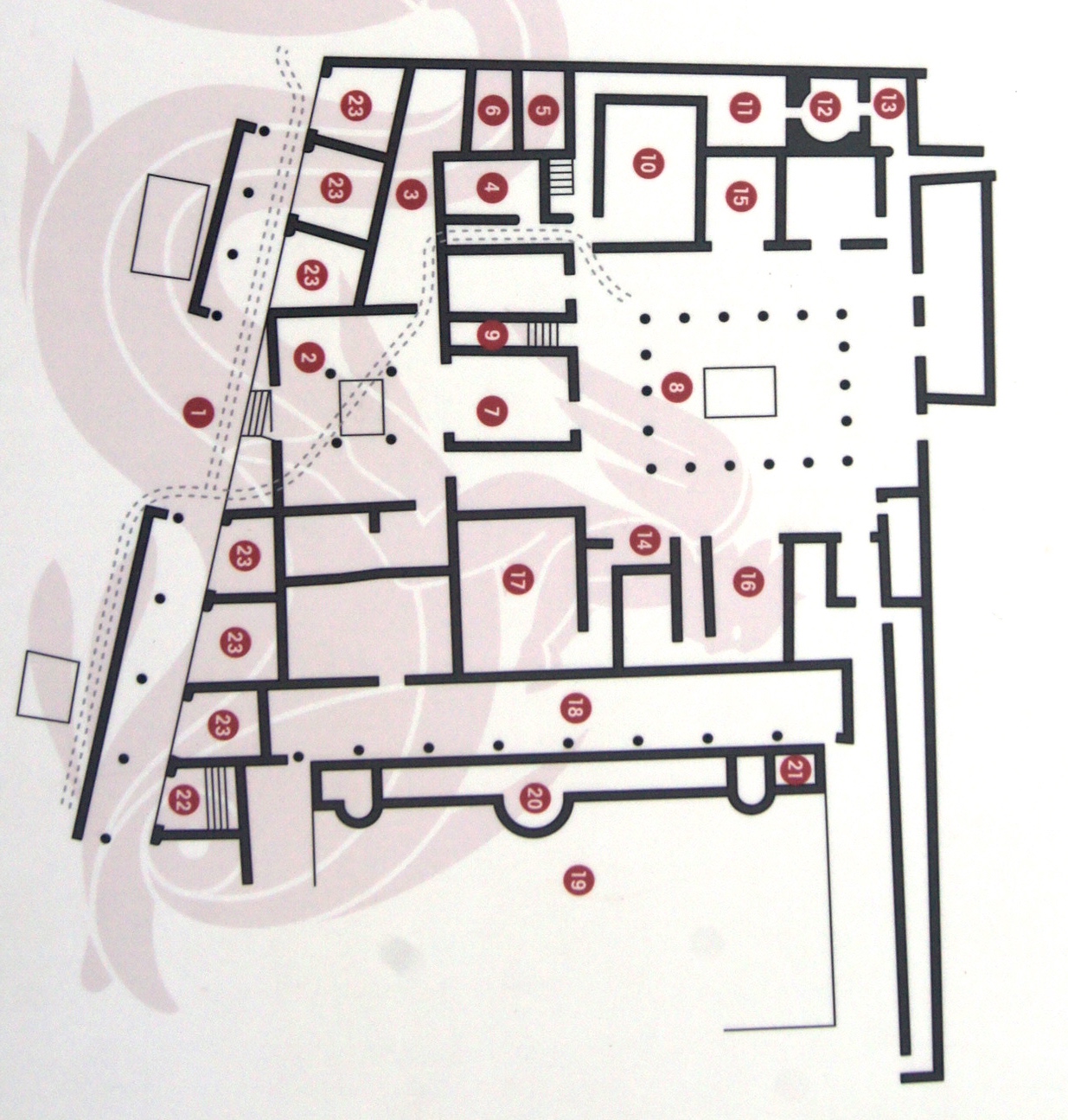
Vaison-la-Romaine
Roman ruins with medieval heritage in France
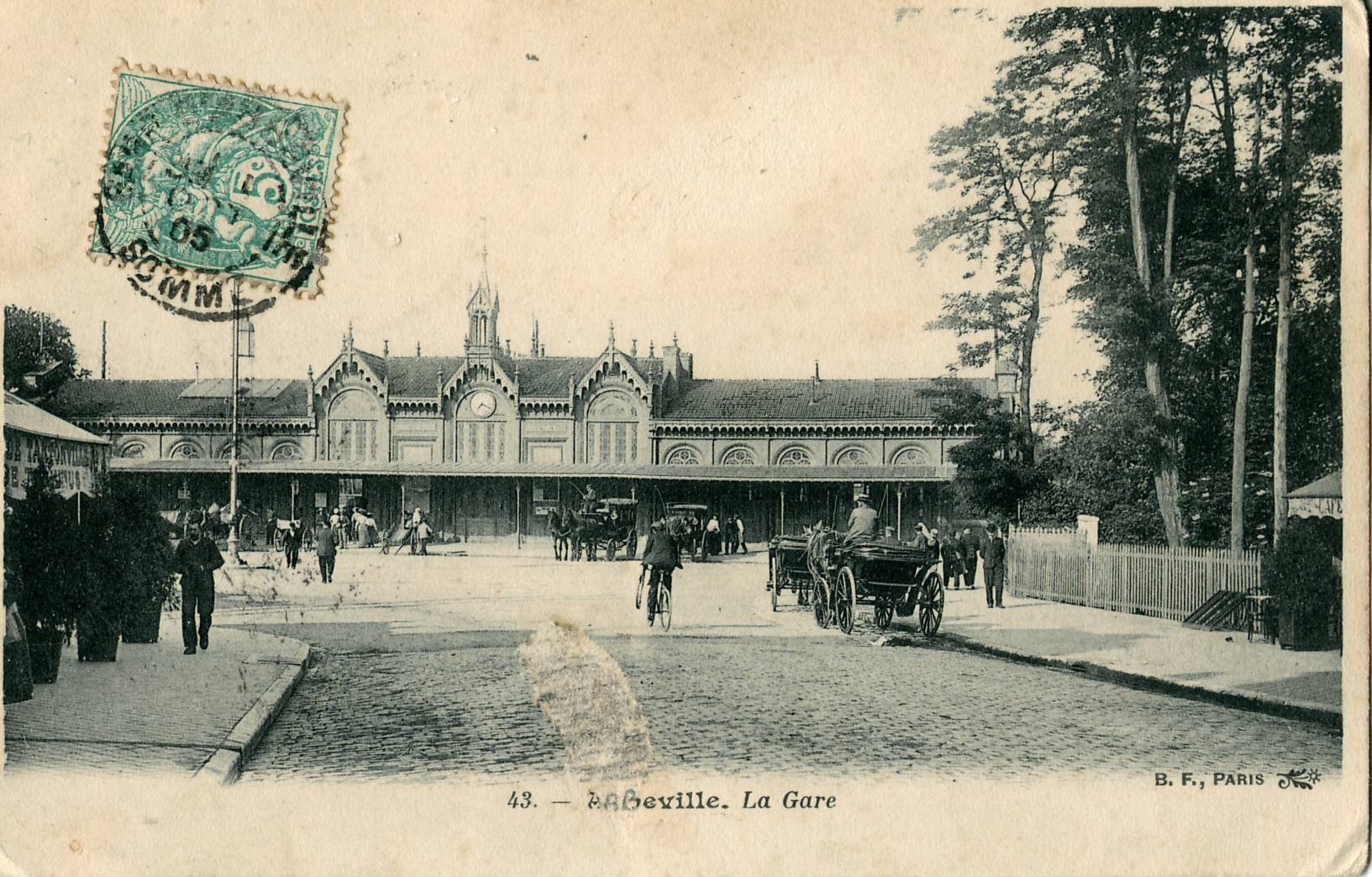
Abbeville
Paleolithic site with Abbevillian handaxes.
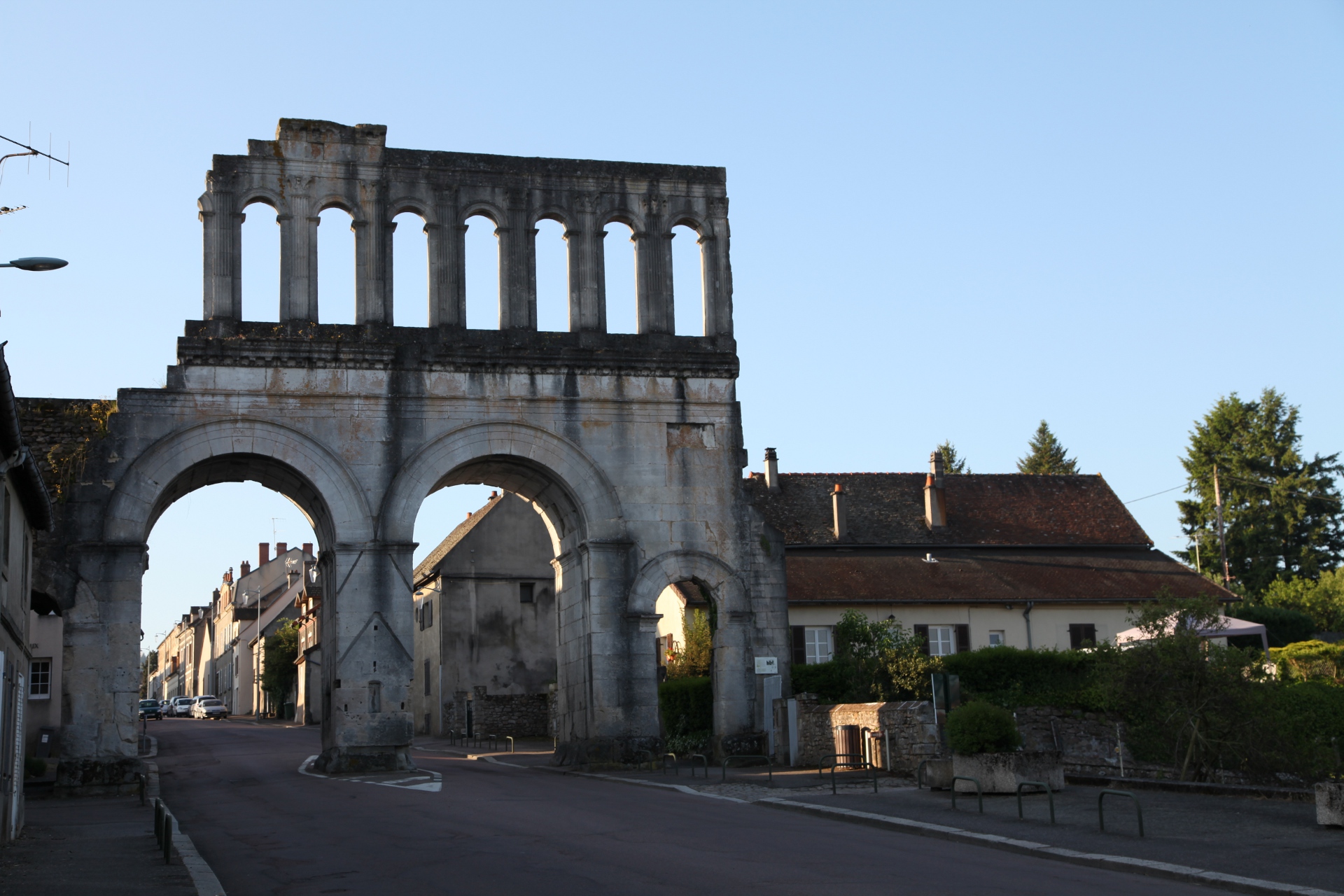
Autun
Roman city with significant ancient structures