Time Periods
Paleolithic
Mesolithic
Neolithic
Chalcolithic
Bronze Age
Iron Age
Classical Period
Post-Classical Period
Early Modern Period
Industrial Period
Contemporary Period
Time Periods
Paleolithic
Mesolithic
Neolithic
Chalcolithic
Bronze Age
Iron Age
Classical Period
Post-Classical Period
Early Modern Period
Industrial Period
Contemporary Period
Location
About
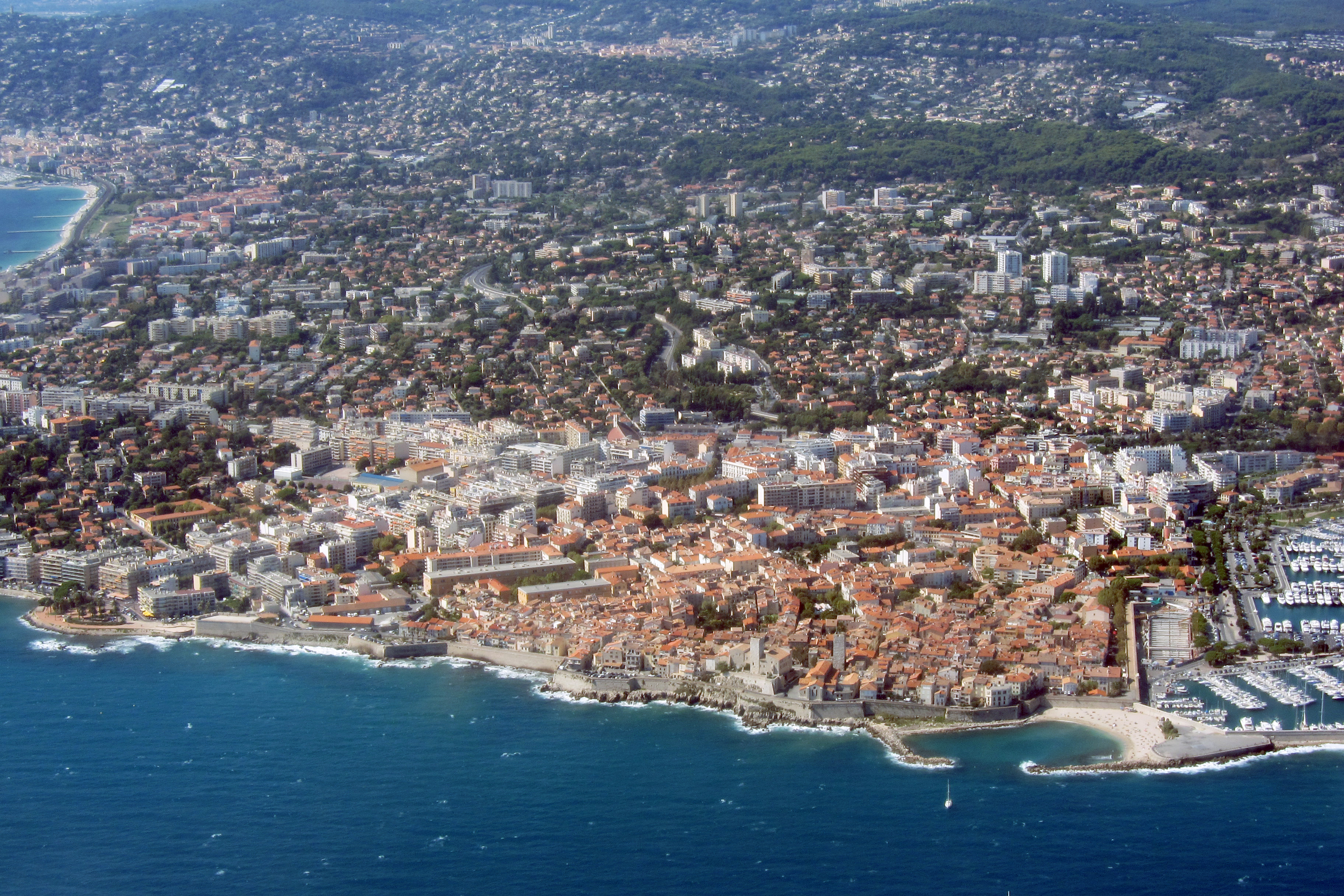
Antibes, a seaside city on the French Riviera, has a rich archaeological and historical significance. Originally founded by Greek Phocaeans as the colony Antipolis in the 4th century BCE, it served as a vital trade post. The town's strategic location led to its development over centuries, with notable structures such as the medieval Château Grimaldi and the 16th-century Fort Carré, constructed to protect against invasions. Religious influence is marked by the establishment of the Bishopric in the 5th century CE and the multiple reconstructions of the Antibes Cathedral, which was repeatedly destroyed by invaders. The town's dynamic history includes periods of Saracen raids, rule under the Genoese Grimaldi family, and significant fortification during the Early Modern Period, reflecting its enduring importance as a maritime and cultural hub.
Gallery
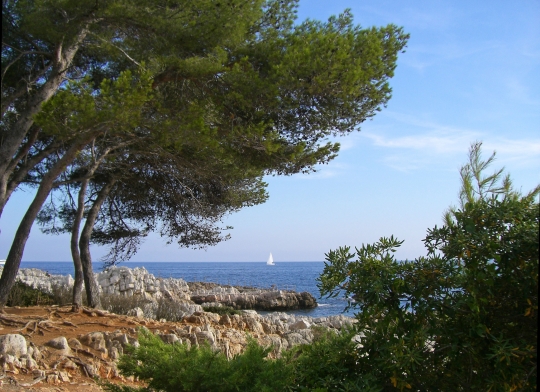
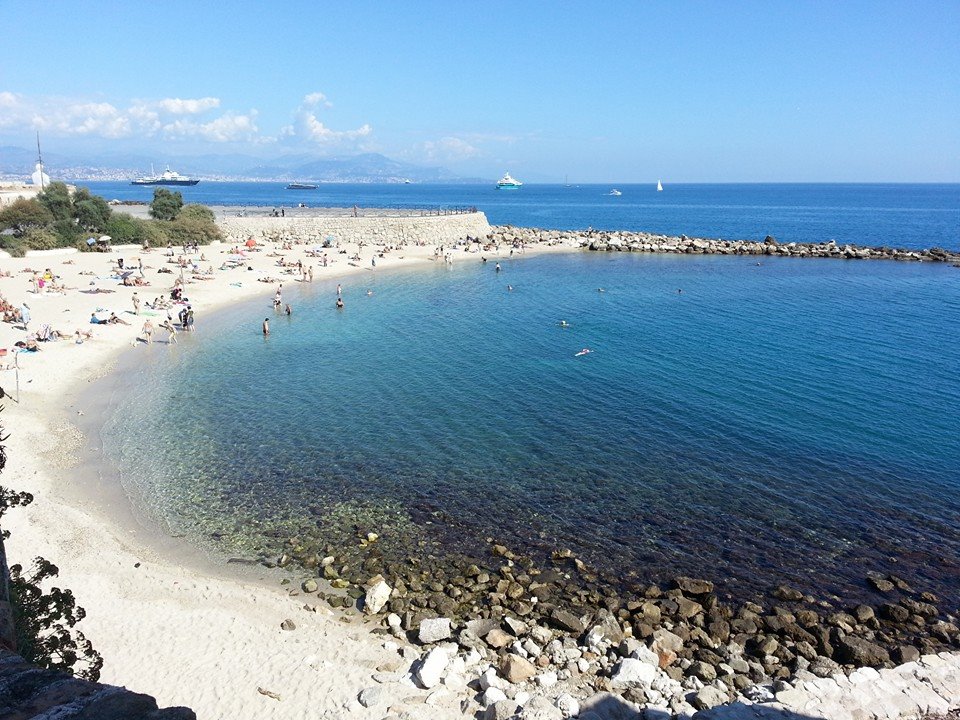
Explore photographs of ancient structures, artifacts, and archaeological excavations at Antibes
Archaeological Features
Explore the unique architectural and cultural elements found at this historical site
Defensive Structures
Water Management Features
Religious and Ritual Structures
Domestic and Habitation Structures
Historical Timeline
Journey through time and discover key events in this site's archaeological history
Plan Your Visit
Details
- Country
- France
- Source
- Wikipedia
More Sites in France
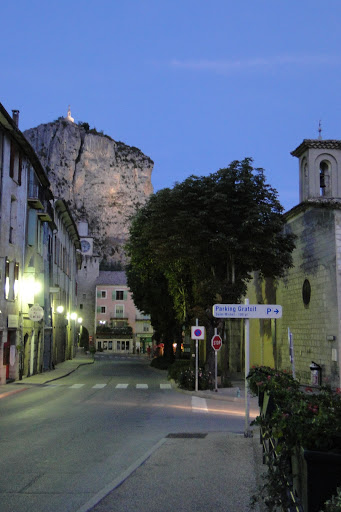
Castellane
Ancient settlement in limestone-rich area
Aimargues
Ancient town with Roman origins, castle.
Vaison-la-Romaine
Roman ruins with medieval heritage in France
Jublains archeological site
Roman city ruins with Celtic origins
Abbeville
Paleolithic site with Abbevillian handaxes.
Cenabum
Ancient Gallic oppidum and commercial hub.