Explore the Map
Cenabum
47.9025° N, 1.9090° E
About
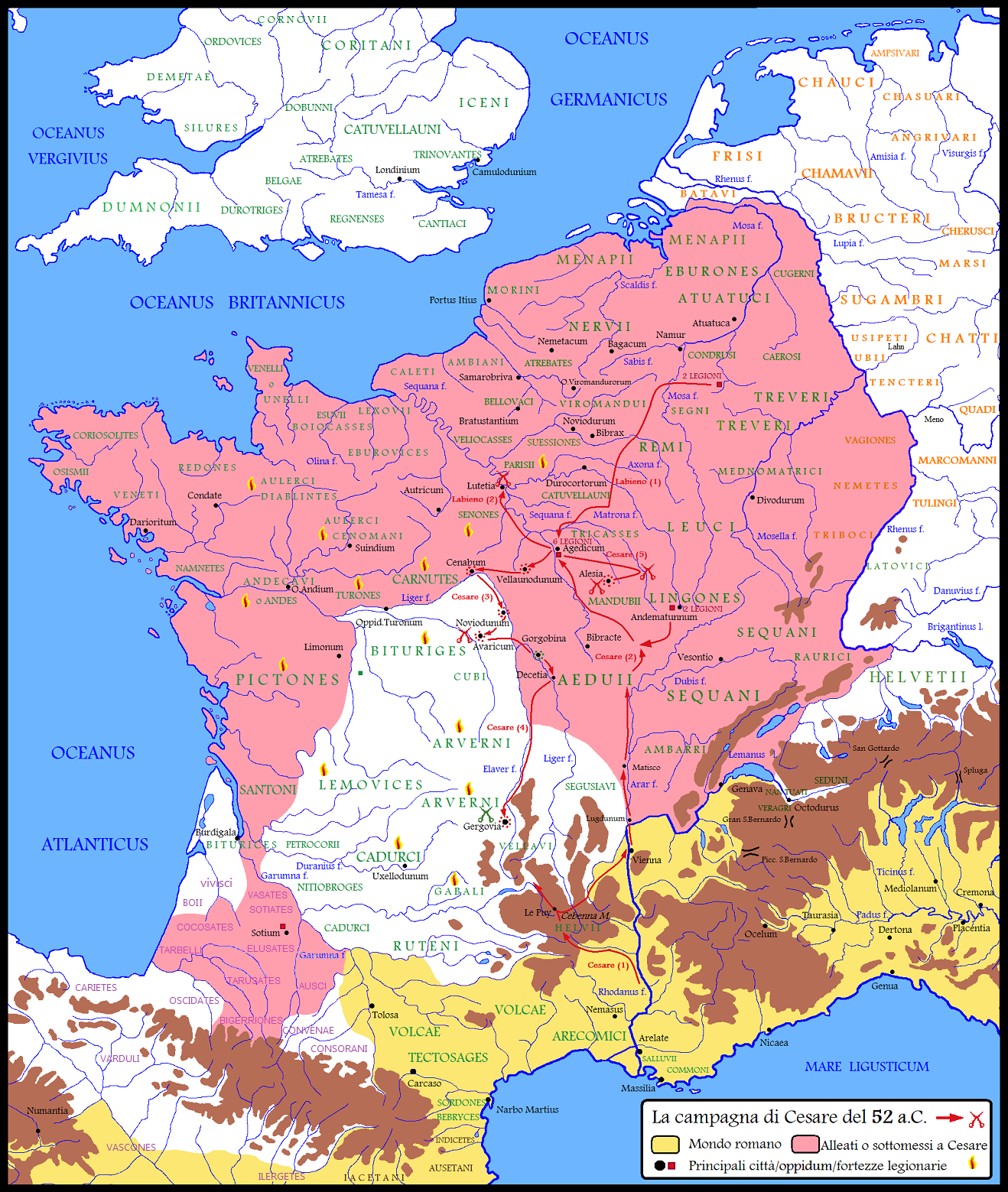
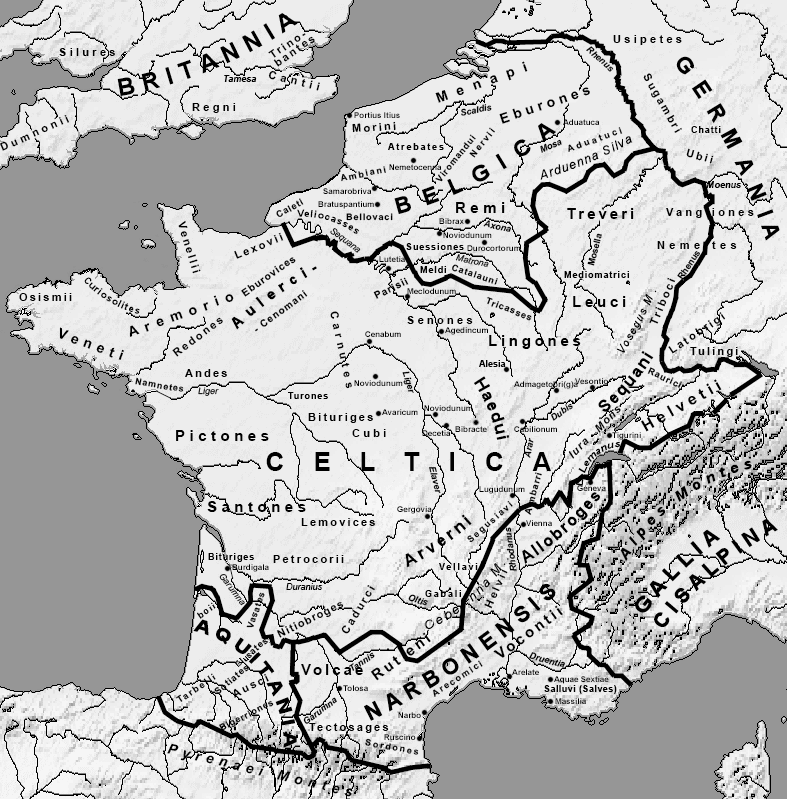
Cenabum, located near present-day Orléans, was an ancient Gallic oppidum and the capital of the Carnutes tribe, serving as a significant commercial hub on the Loire River. It was fortified with walls, moats, and a strategically vital bridge. In 52 BCE, during the Gallic Wars, it was captured and destroyed by Julius Caesar, marking a pivotal moment in Roman expansion. The site was later rebuilt and renamed Urbs Aurelianorum by Emperor Aurelian in 273 CE, featuring new defensive structures to protect against barbarian invasions. It endured several sieges, including one by Attila the Hun in 451 CE, and was eventually integrated into the Merovingian kingdom after being conquered by the Salian Franks in 498 CE. Cenabum's archaeological significance lies in its transformation from a Gallic stronghold to a Romanized city, reflecting the broader historical shifts in the region.
Gallery
Explore photographs of ancient structures, artifacts, and archaeological excavations
Historical Timeline
Journey through time and discover key events in this site's history
Cenabum as Carnutes' capital
1st century BCE
Roman Conquest and Destruction
52 BCE
Rebuilding by Emperor Aurelian
273 CE
Siege by Attila the Hun
451 CE
Conquest by Salian Franks
498 CE
Archaeological Features
Unique architectural and cultural elements found at this historical site
Defensive Structures
Public and Civic Structures
Domestic and Habitation Structures
Transportation and Communication Structures
Frequently Asked Questions
Plan Your Visit
Tours, travel arrangements, and practical information
More Sites in France

Oppidum de Nages
Iron Age hilltop oppidum with public buildings.
Bibracte
Gallic oppidum in Burgundy, France
Cosquer Cave
Upper Paleolithic cave art site, southern France
La Marche (cave)
Paleolithic cave art site, Western France
Grotte du Renne
Paleolithic cave site in Bourgogne-Franche-Comté, France
Talietumu
Tongan fortified settlement and marae, 15th century