Explore the Map
Jublains archeological site
48.2591° N, -0.4978° E
About
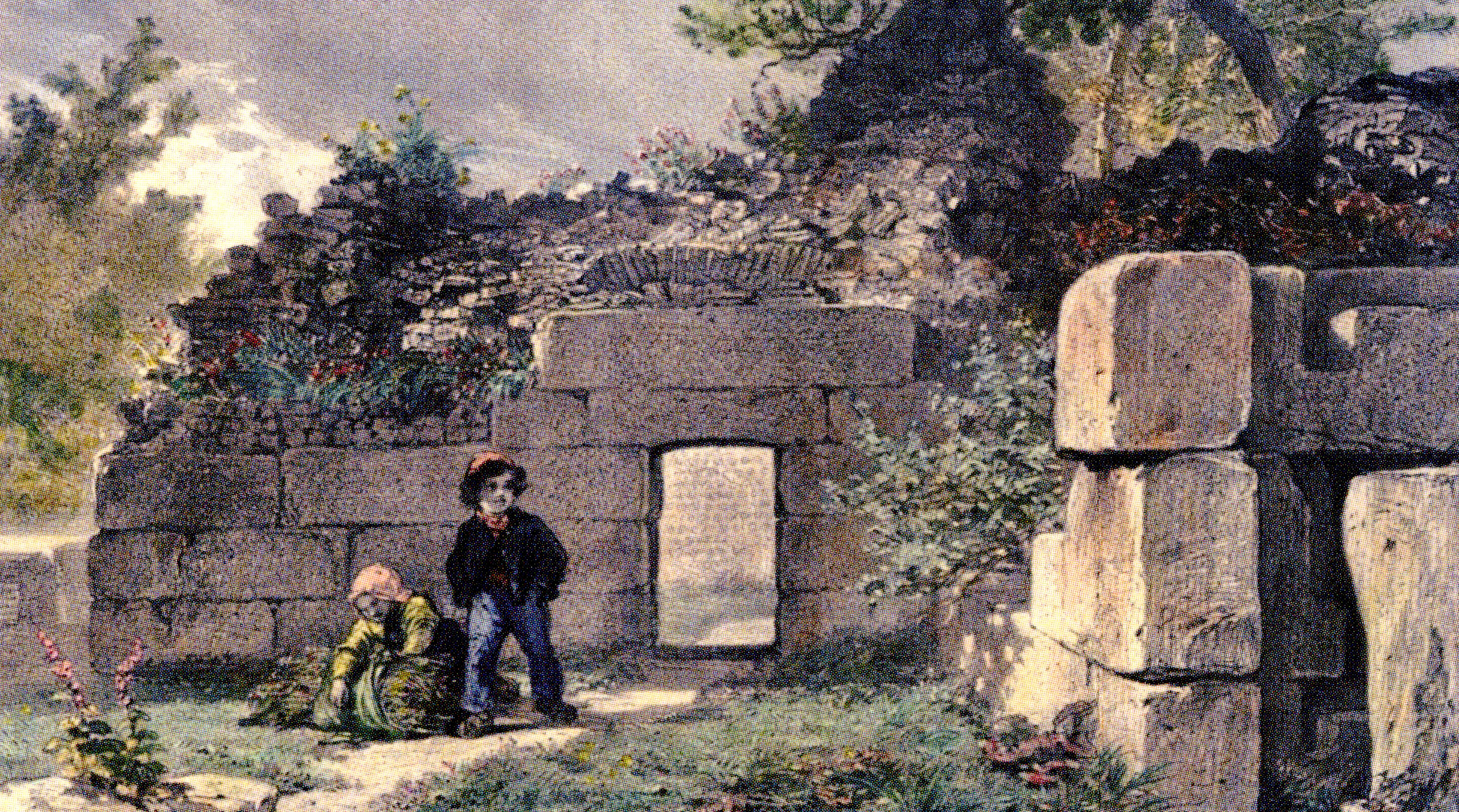
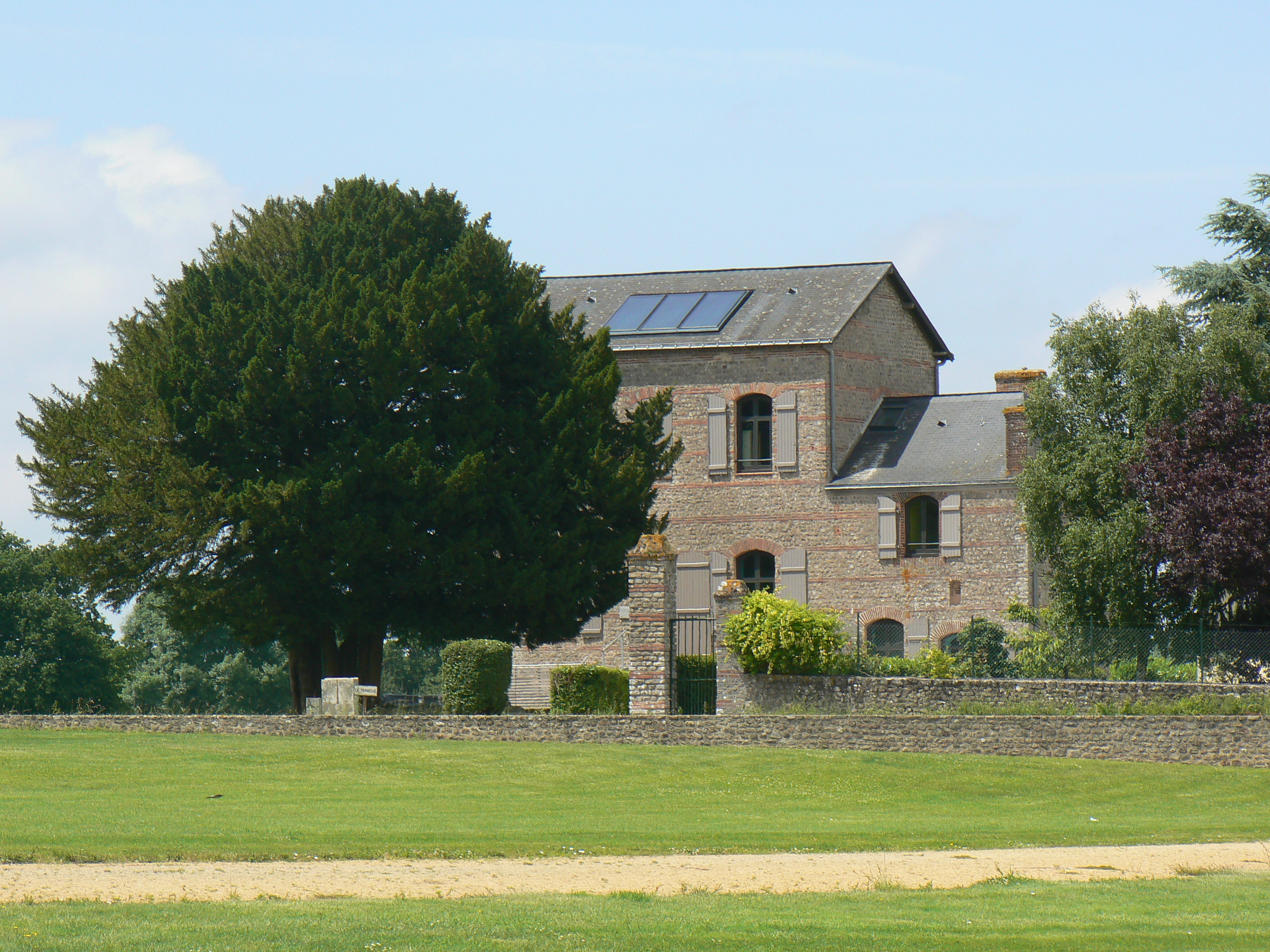
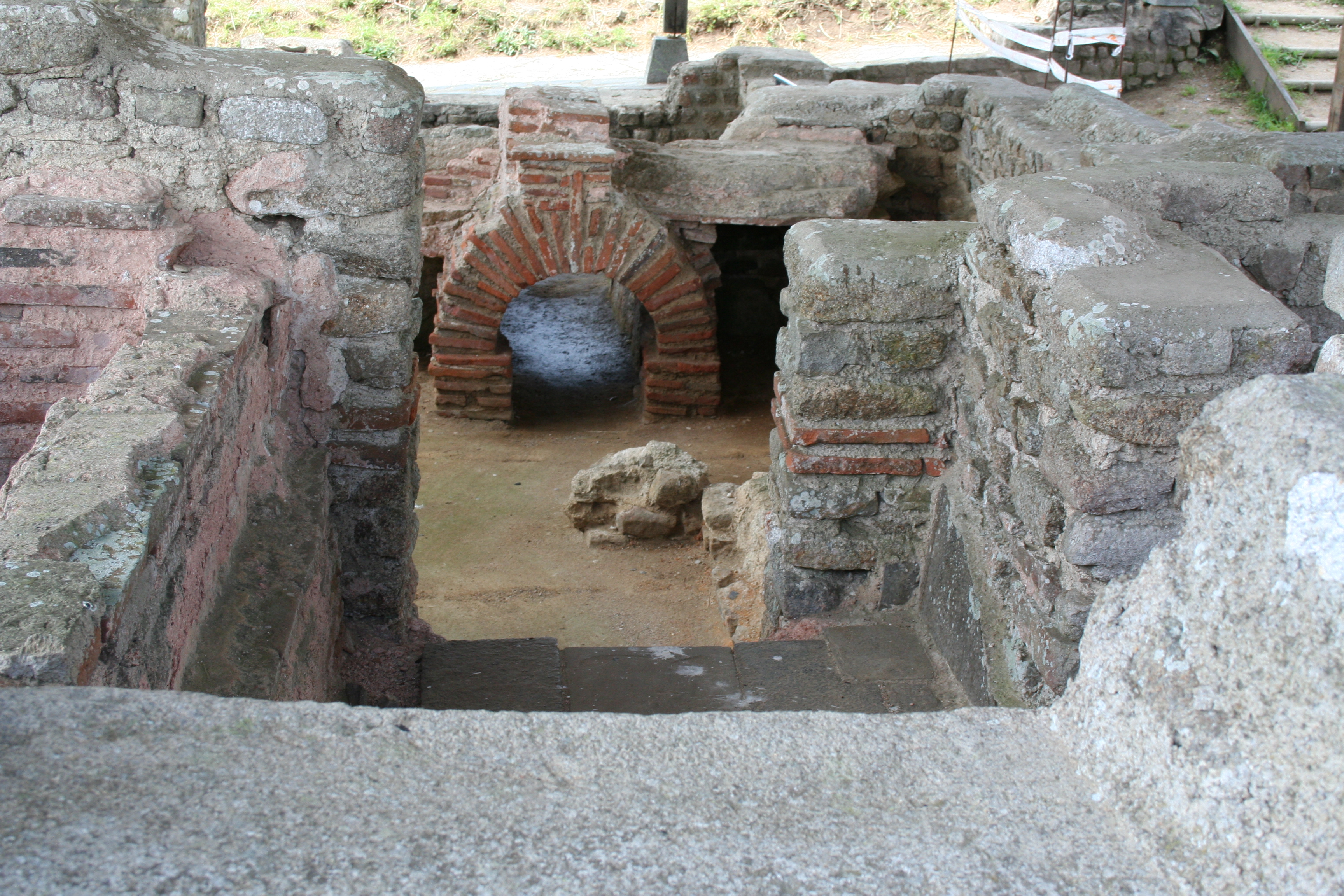
The Jublains archaeological site, located in the modern French commune of Jublains, is a significant cluster of ancient Roman ruins with antecedent Celtic origins. It was initially settled during the Late Iron Age by the Celtic Diablintes and later developed into the Roman city of Noviodunum. The site features a mix of Roman public buildings such as a theater, baths, and a forum, which illustrate the Romanization of the area. Notable defensive structures at the site include the castellum, a well-preserved Roman fortification. The site underwent a gradual decline beginning in the 4th century CE, eventually becoming a vicus as the Diablintes were absorbed into the Cenomani culture. Jublains is recognized for its archaeological significance and its remarkably preserved state, offering insights into both Celtic and Roman architectural and cultural influences.
Gallery
Explore photographs of ancient structures, artifacts, and archaeological excavations
Historical Timeline
Journey through time and discover key events in this site's history
Celtic site inhabitation
1st century BCE
Roman city Noviodunum founded
20 CE
Stone temple reconstruction
65 CE
Roman theater built
81-83 CE
Castellum construction begins
2nd/3rd century CE
Site becomes a vicus
4th/5th century CE
Decline of Noviodunum
4th century CE
Archaeological Features
Unique architectural and cultural elements found at this historical site
Defensive Structures
Water Management Features
Public and Civic Structures
Burial and Funerary Structures
Industrial and Craft Structures
Religious and Ritual Structures
Artistic and Decorative Features
Domestic and Habitation Structures
Transportation and Communication Structures
Frequently Asked Questions
Plan Your Visit
Tours, travel arrangements, and practical information
More Sites in France
Bibracte
Gallic oppidum in Burgundy, France

Oppidum de Nages
Iron Age hilltop oppidum with public buildings.
Cosquer Cave
Upper Paleolithic cave art site, southern France
Isturitz and Oxocelhaya caves
Paleolithic caves in the French Basque Country
La Marche (cave)
Paleolithic cave art site, Western France
Talietumu
Tongan fortified settlement and marae, 15th century