
Explore the Map
Gremi
42.0020° N, 45.6600° E
About
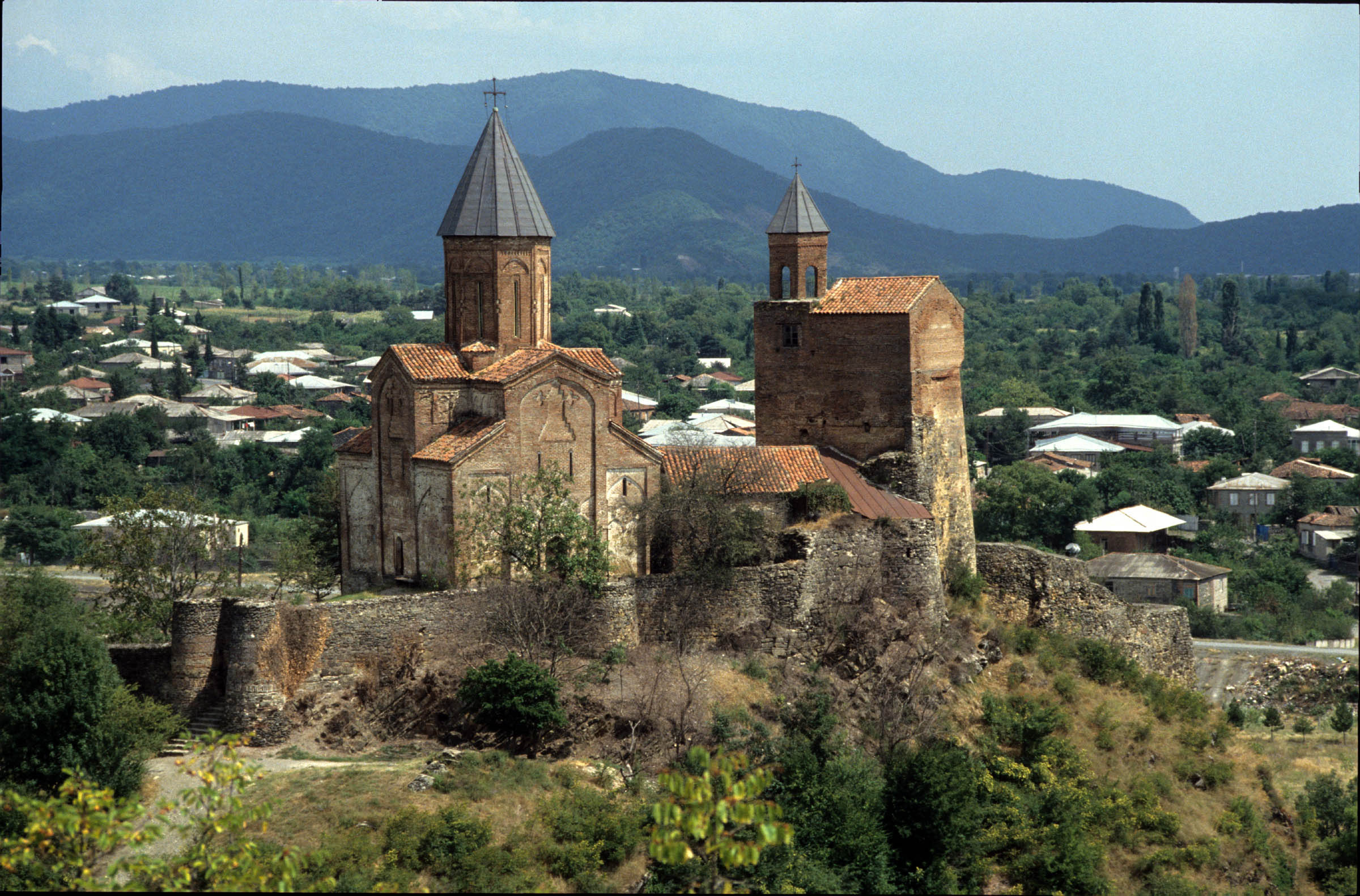
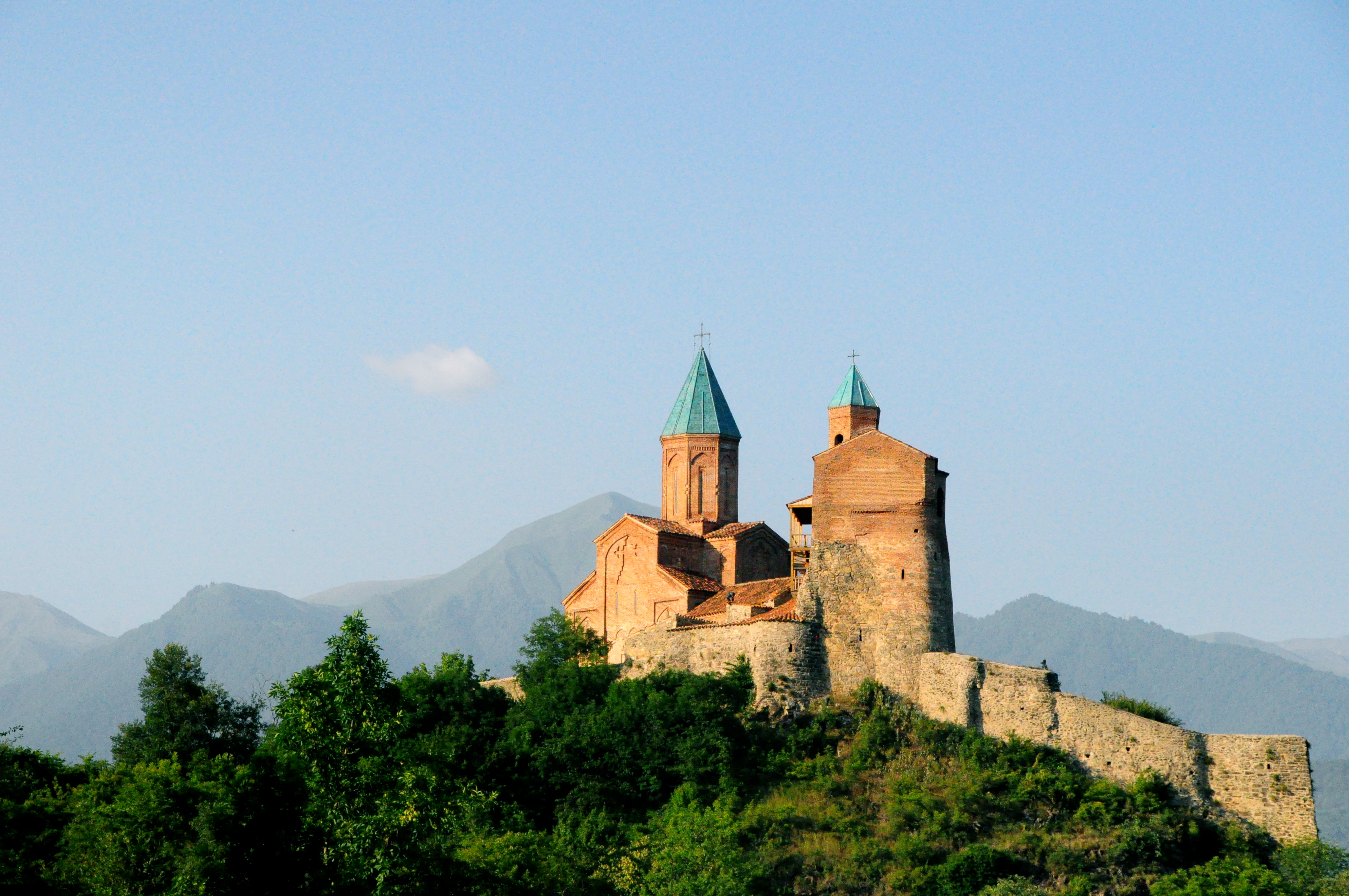
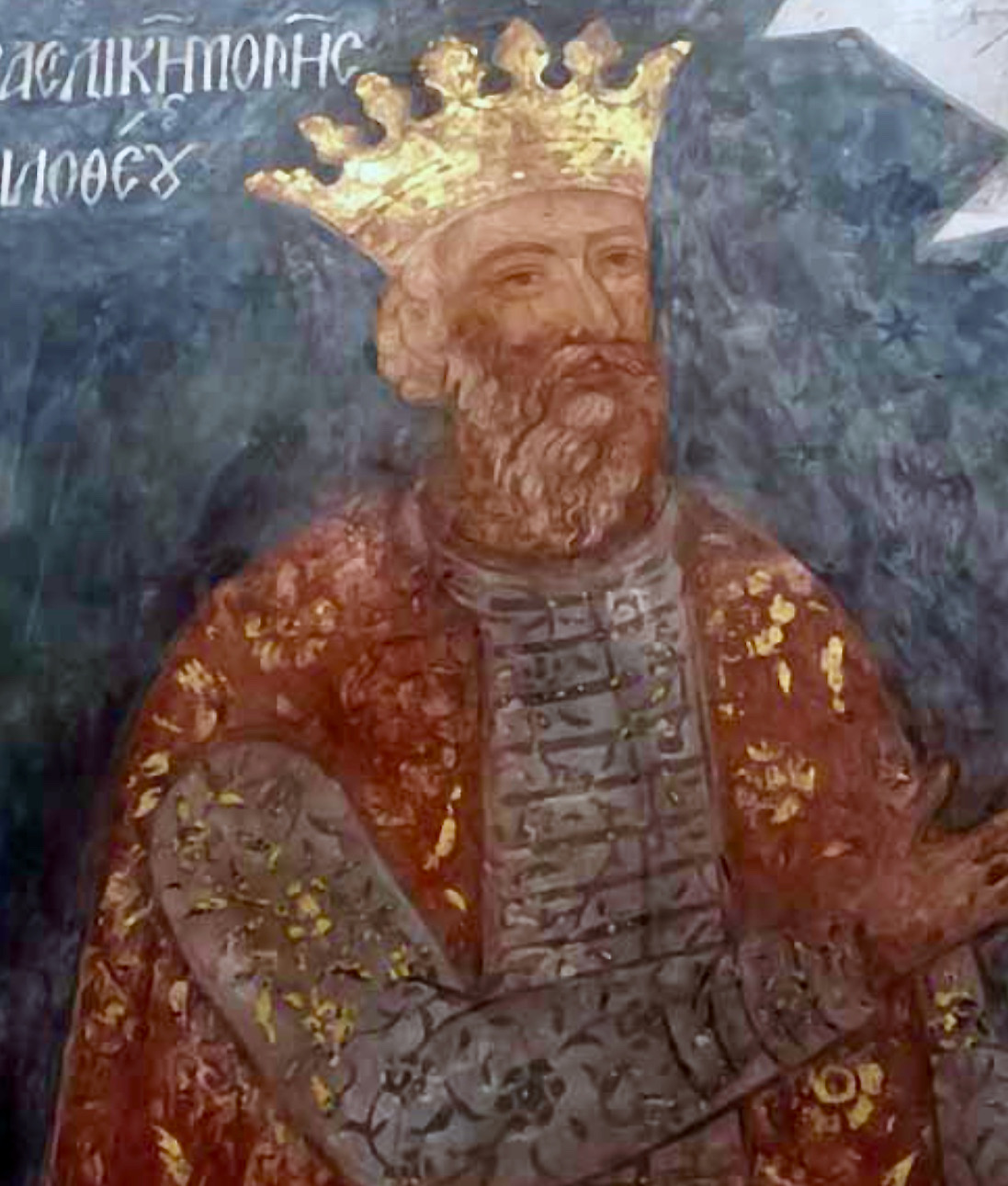
Gremi, a 16th-century architectural site in Kakheti, Georgia, was once the capital of the Kingdom of Kakheti. Founded by Levan of Kakheti, it served as a hub on the Silk Road, boasting a vibrant trading town and royal residence. The site features the Church of the Archangels, a cruciform domed church built in 1565, blending Georgian and Iranian architectural styles. The complex also includes a castle, bell tower, and remnants of a secret tunnel. Despite its former prosperity, Gremi was destroyed by Shah Abbas I of Persia in 1615, and the capital was later relocated to Telavi. The remains of Gremi stand as a testament to its historical and cultural significance.
Gallery
Explore photographs of ancient structures, artifacts, and archaeological excavations
Historical Timeline
Journey through time and discover key events in this site's history
Capital Transfer to Telavi
mid-17th century CE
Gremi Capital Establishment
1520 CE
Construction of Archangels’ Church
1565 CE
Razing by Shah Abbas I
1615 CE
Archaeological Features
Unique architectural and cultural elements found at this historical site
Defensive Structures
Religious and Ritual Structures
Domestic and Habitation Structures
Transportation and Communication Structures
Frequently Asked Questions
Plan Your Visit
Tours, travel arrangements, and practical information
More Sites in Georgia (country)
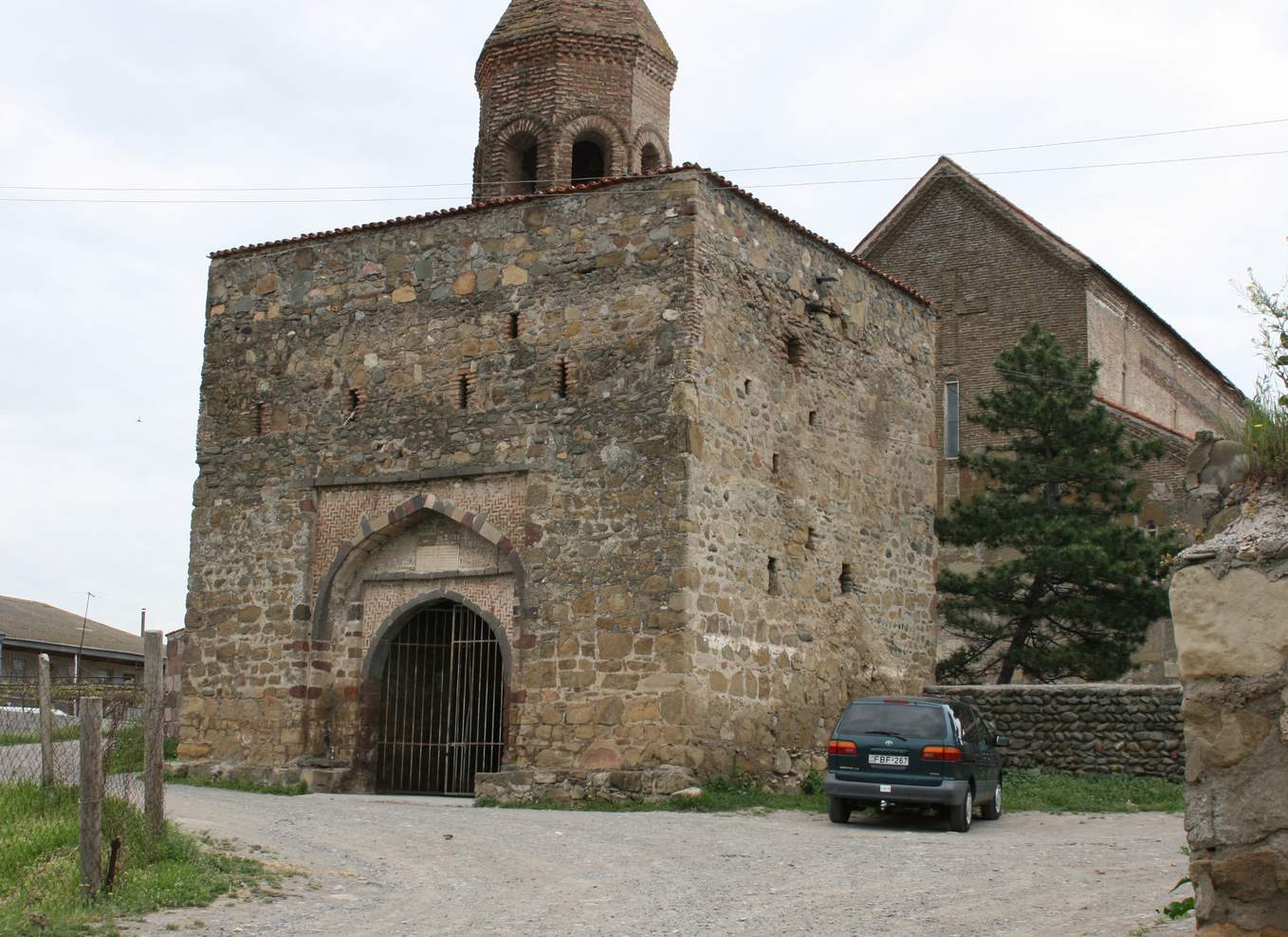
Urbnisi
Ancient Iberian city with diverse structures
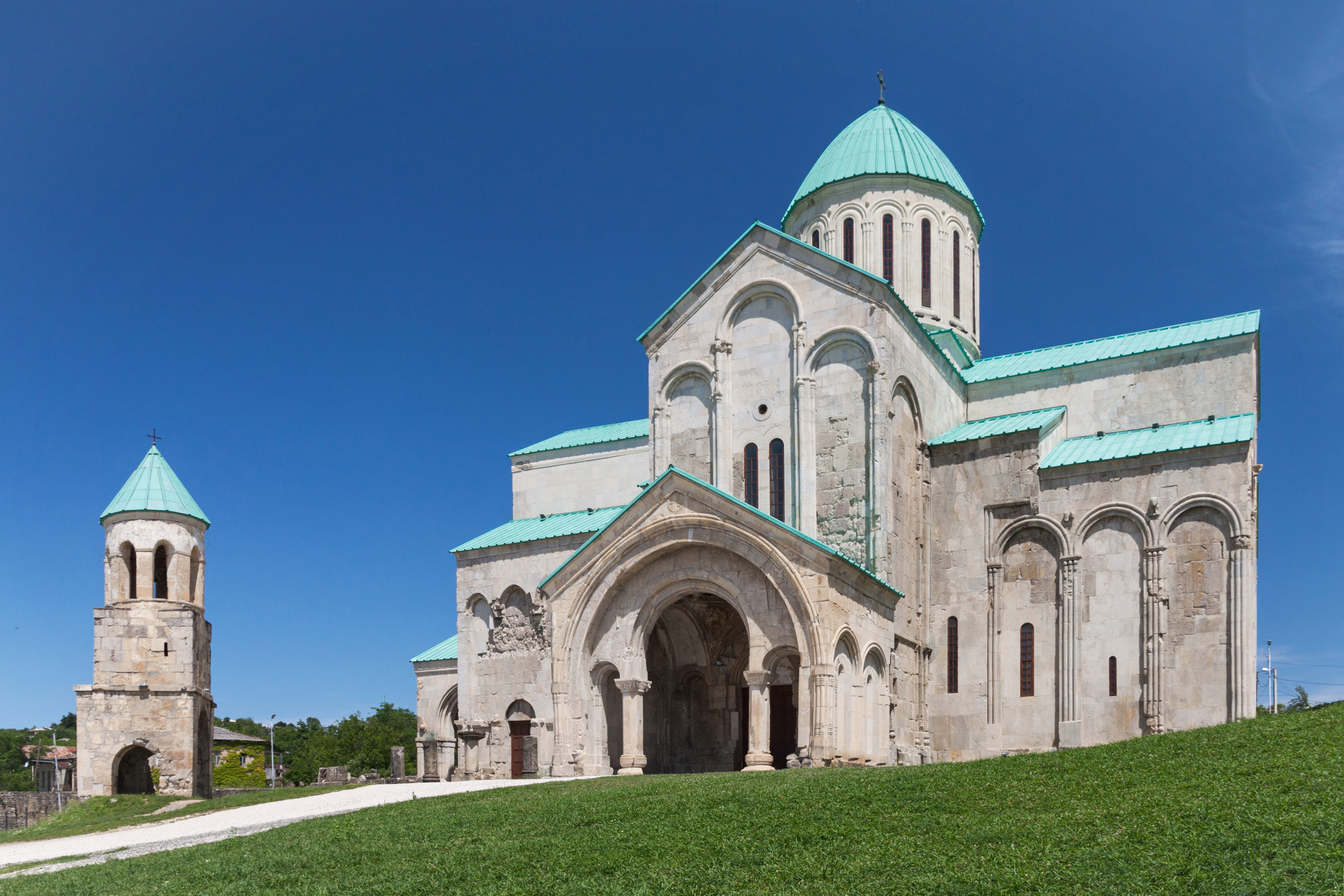
Kutaisi
Ancient city with historical significance in Georgia
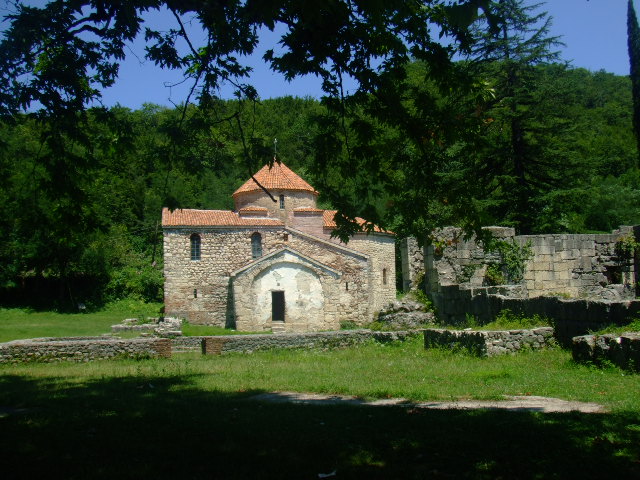
Nokalakevi
Byzantine fortress with Colchian origins
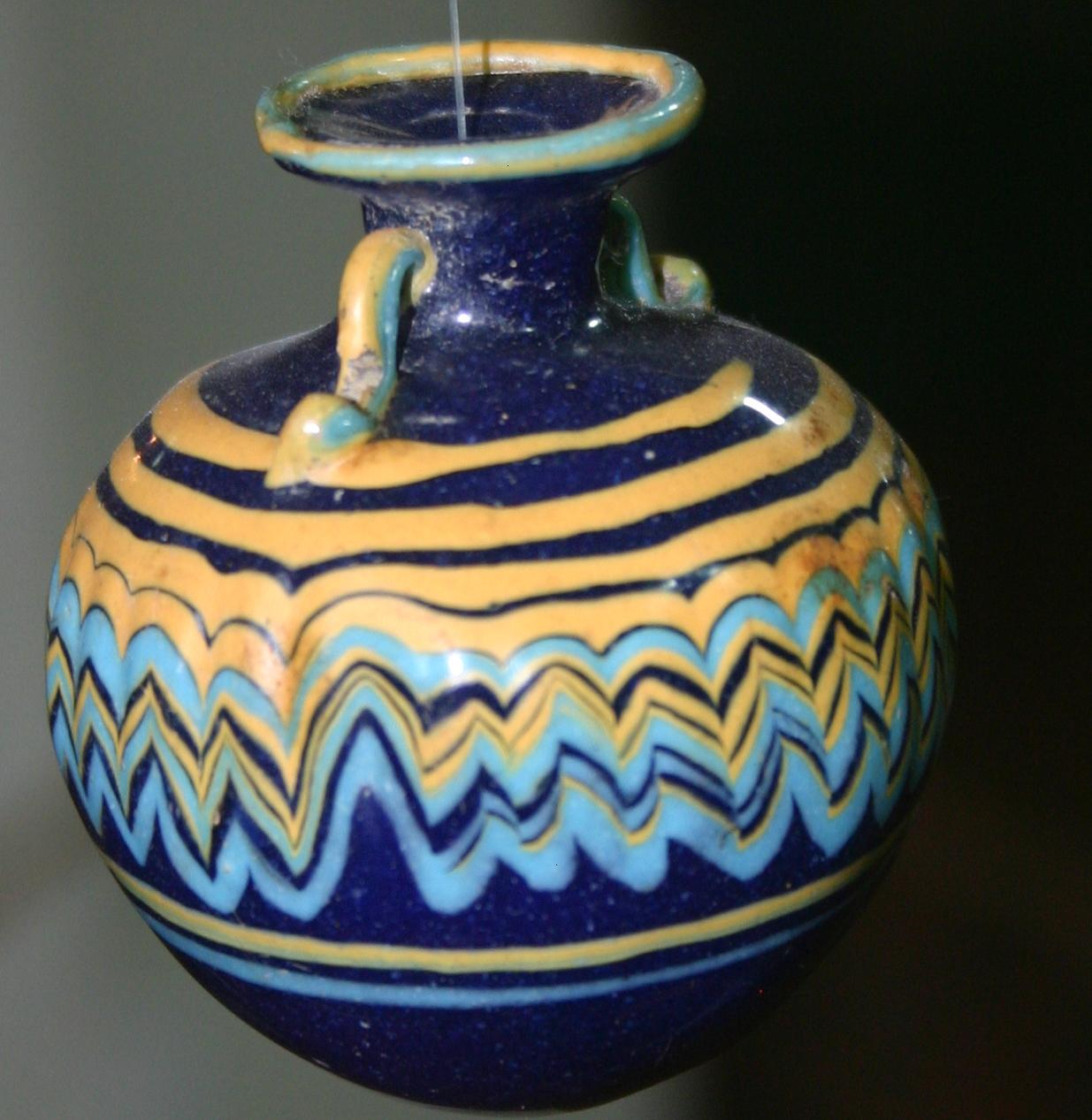
Pichvnari
Colchian settlement near rivers in Georgia
Tsebelda fortress
Ruined fortress with towers and chapels
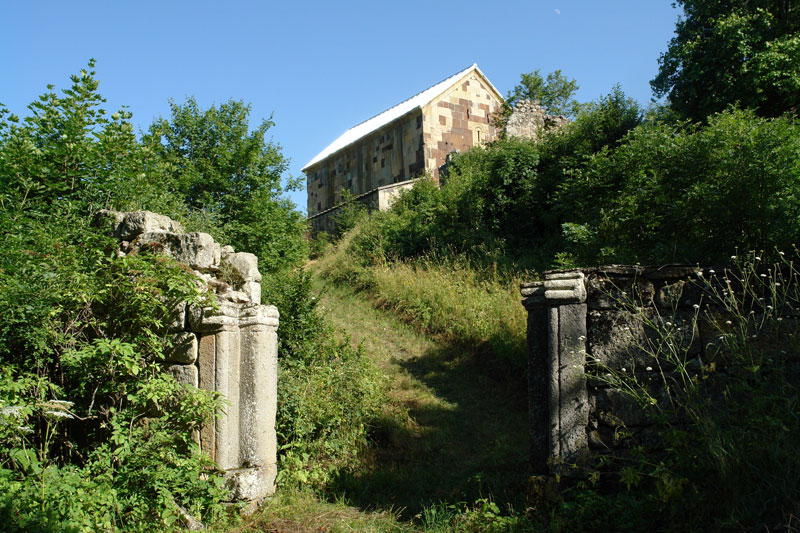
Gudarekhi
Medieval monastic complex and settlement, Kvemo Kartli, Georgia