Time Periods
Paleolithic
Mesolithic
Neolithic
Chalcolithic
Bronze Age
Iron Age
Classical Period
Post-Classical Period
Early Modern Period
Industrial Period
Contemporary Period
Time Periods
Paleolithic
Mesolithic
Neolithic
Chalcolithic
Bronze Age
Iron Age
Classical Period
Post-Classical Period
Early Modern Period
Industrial Period
Contemporary Period
Location
About
Anaklia, located in western Georgia near the Black Sea, showcases a rich archaeological timeline stretching from the Middle Bronze Age to modern times. Initially settled by the Colchian culture, Anaklia became known as a fortified town and seaport, later becoming a significant strategic location due to its capture by the Ottoman Empire in 1723. The town was regained by the Kingdom of Imereti in 1770, but control shifted to Russia in the early 19th century. Throughout the Soviet era, it served as a minor Black Sea Fleet base. Today, Anaklia is notable for its historical significance and its continued evolution, including recent attempts to develop a deepwater port. These developments underscore Anaklia's enduring strategic and cultural importance in the region.
Gallery
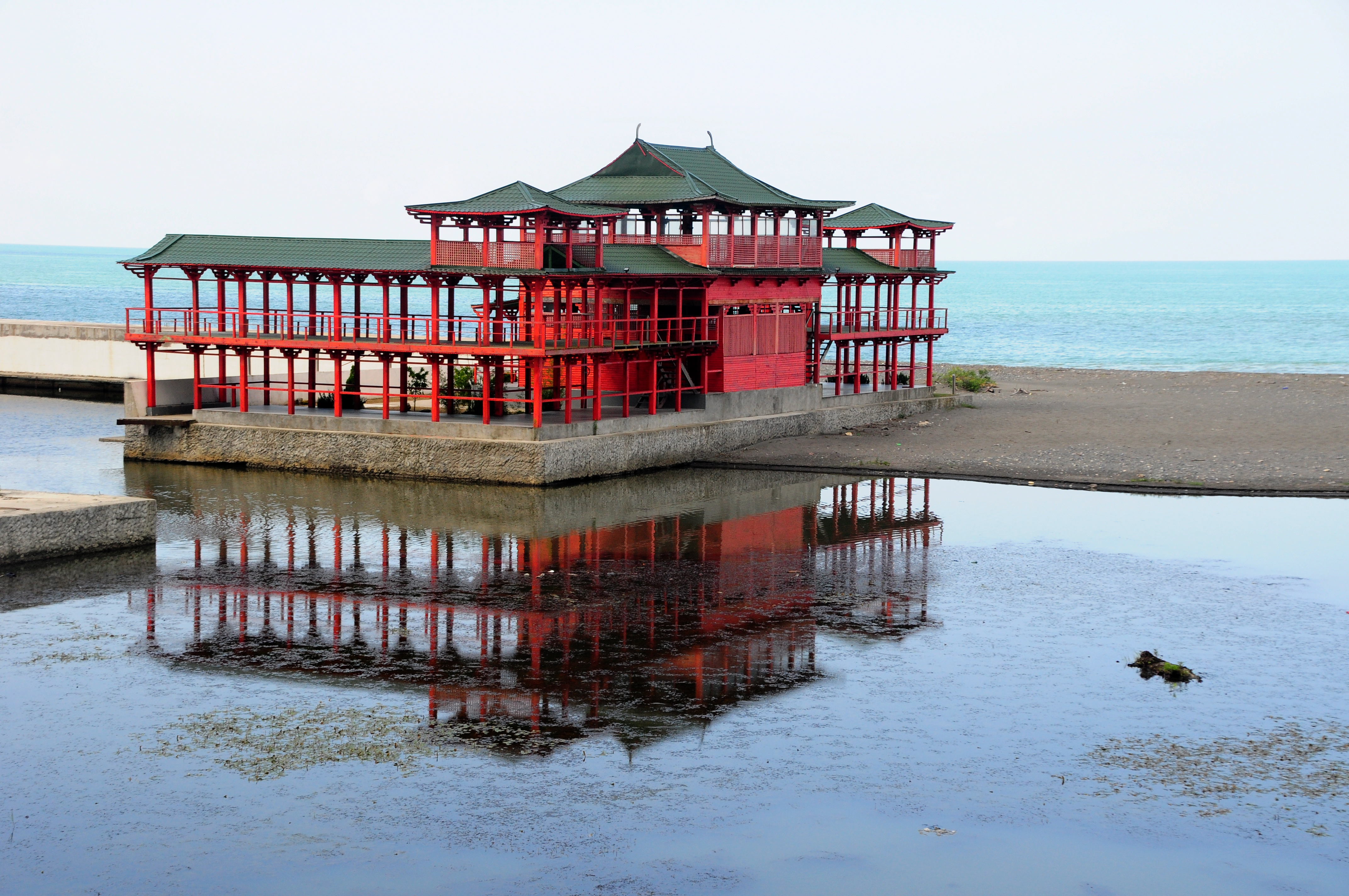
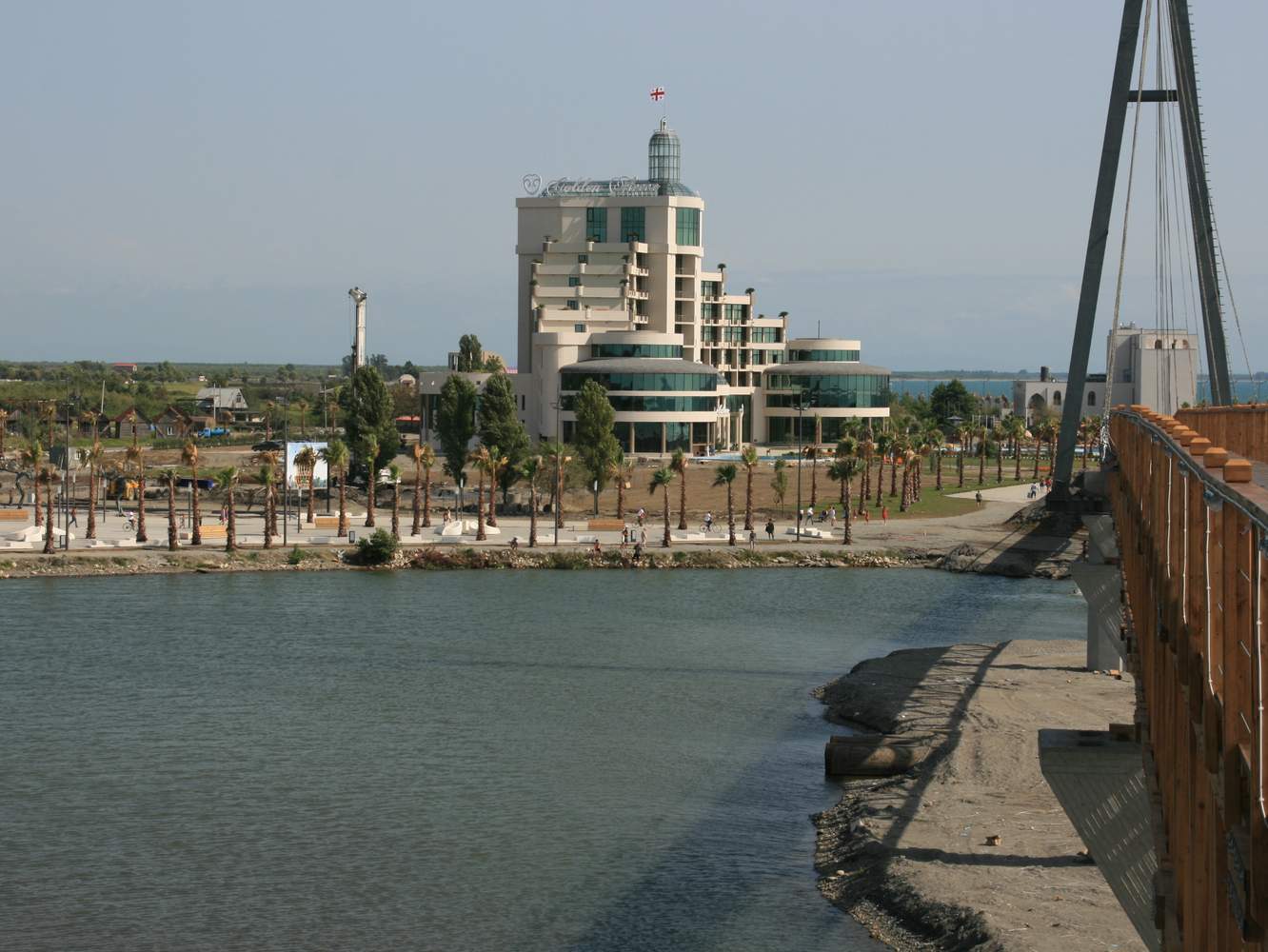
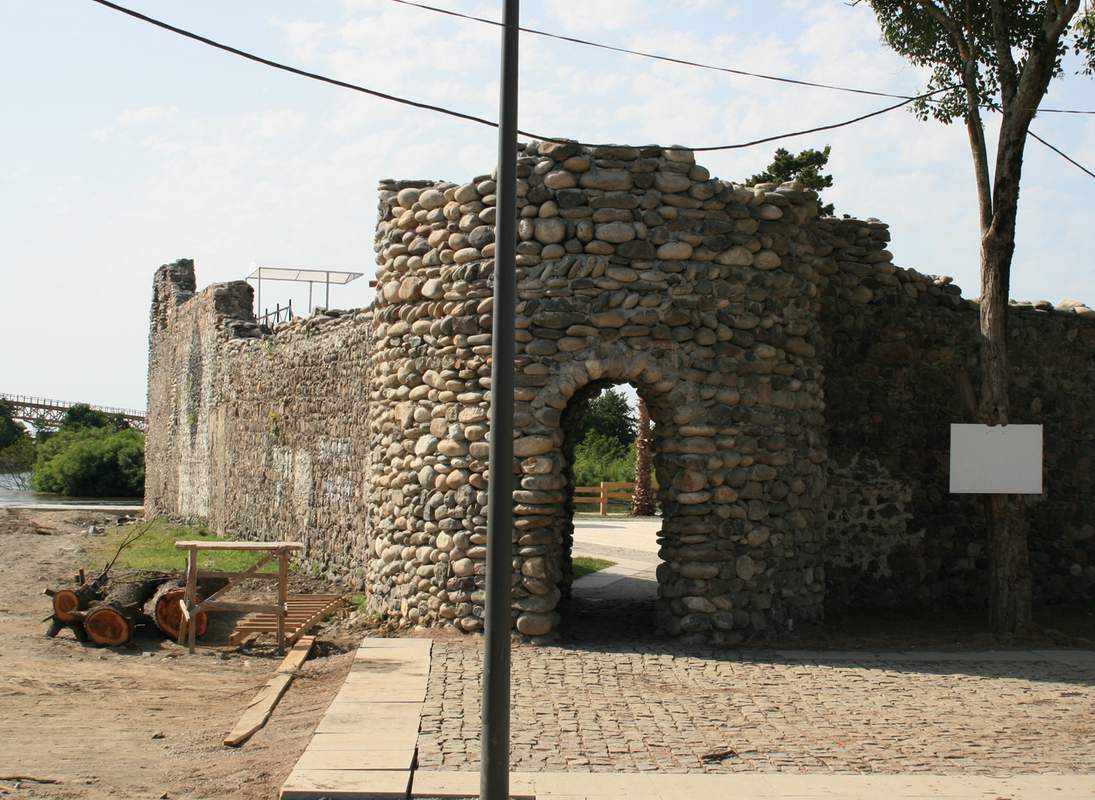
Explore photographs of ancient structures, artifacts, and archaeological excavations at Anaklia
Archaeological Features
Explore the unique architectural and cultural elements found at this historical site
Defensive Structures
Water Management Features
Public and Civic Structures
Artistic and Decorative Features
Domestic and Habitation Structures
Historical Timeline
Journey through time and discover key events in this site's archaeological history
Plan Your Visit
Details
- Country
- Georgia (country)
- Source
- Wikipedia
More Sites in Georgia (country)
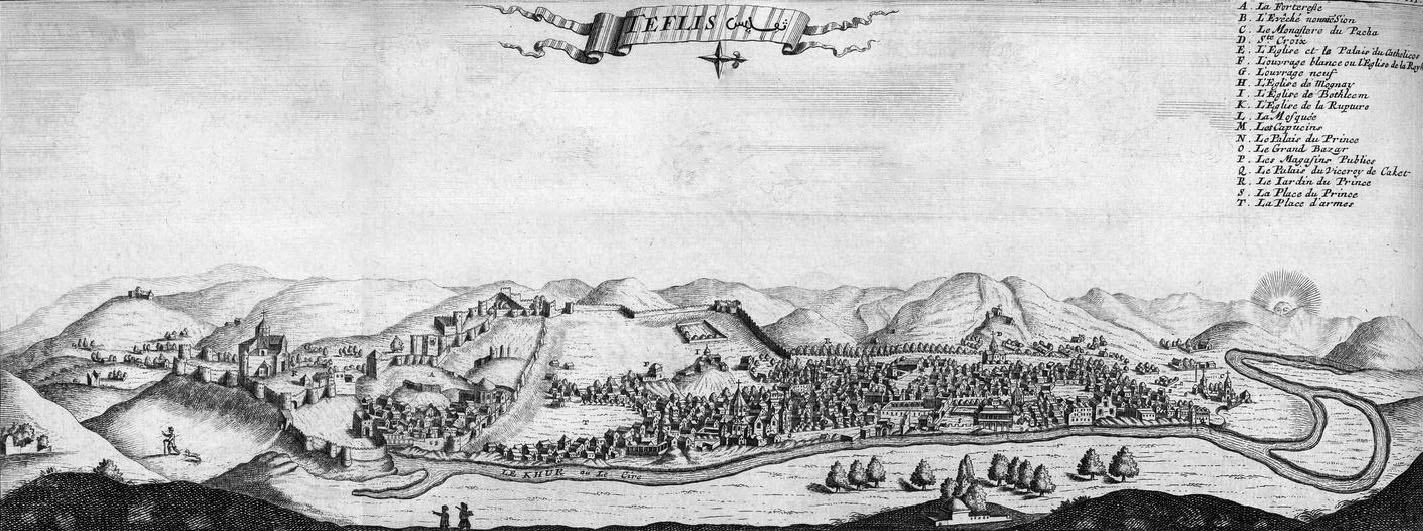
Tbilisi
Historic city with diverse architectural styles.
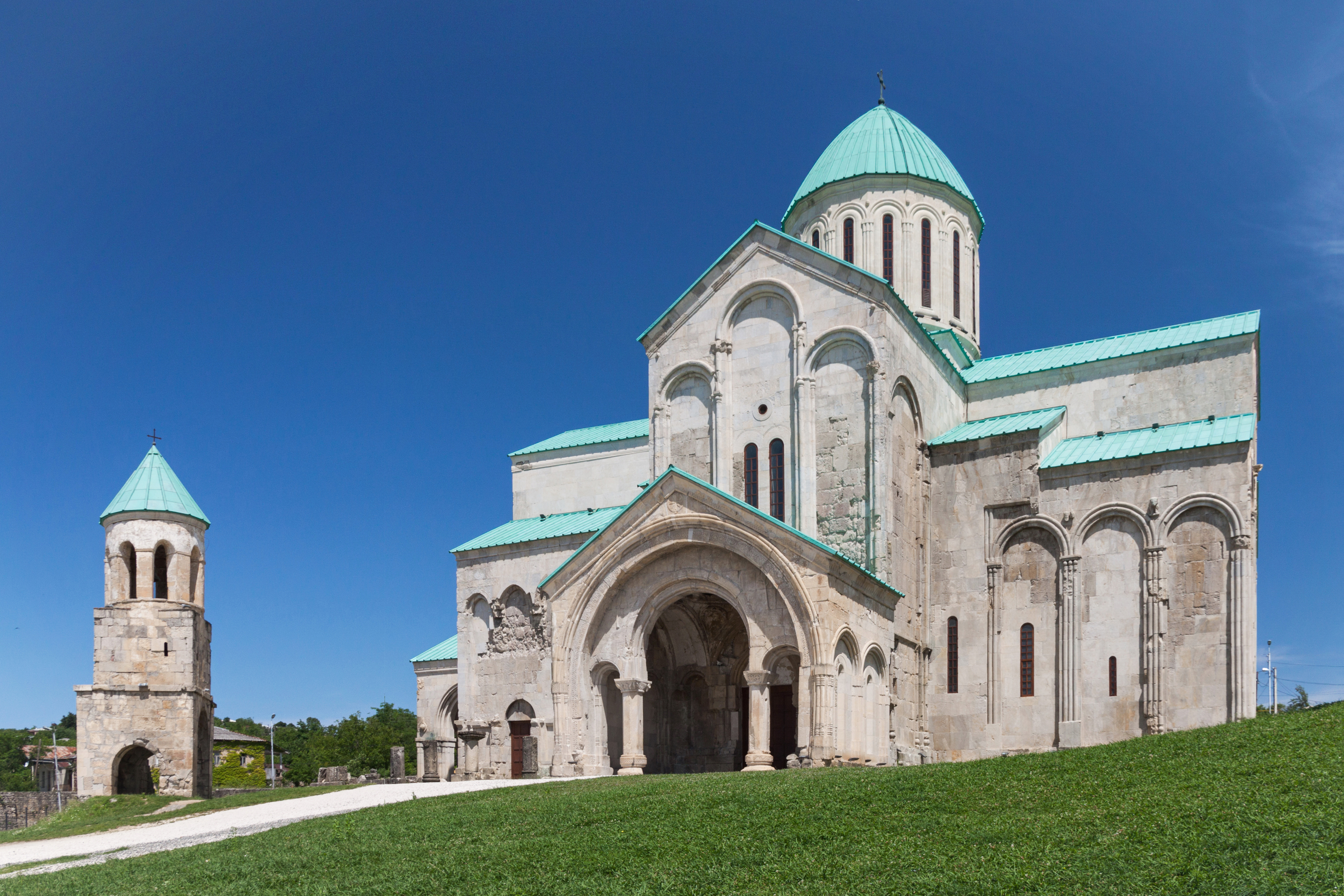
Kutaisi
Ancient city with historical significance in Georgia
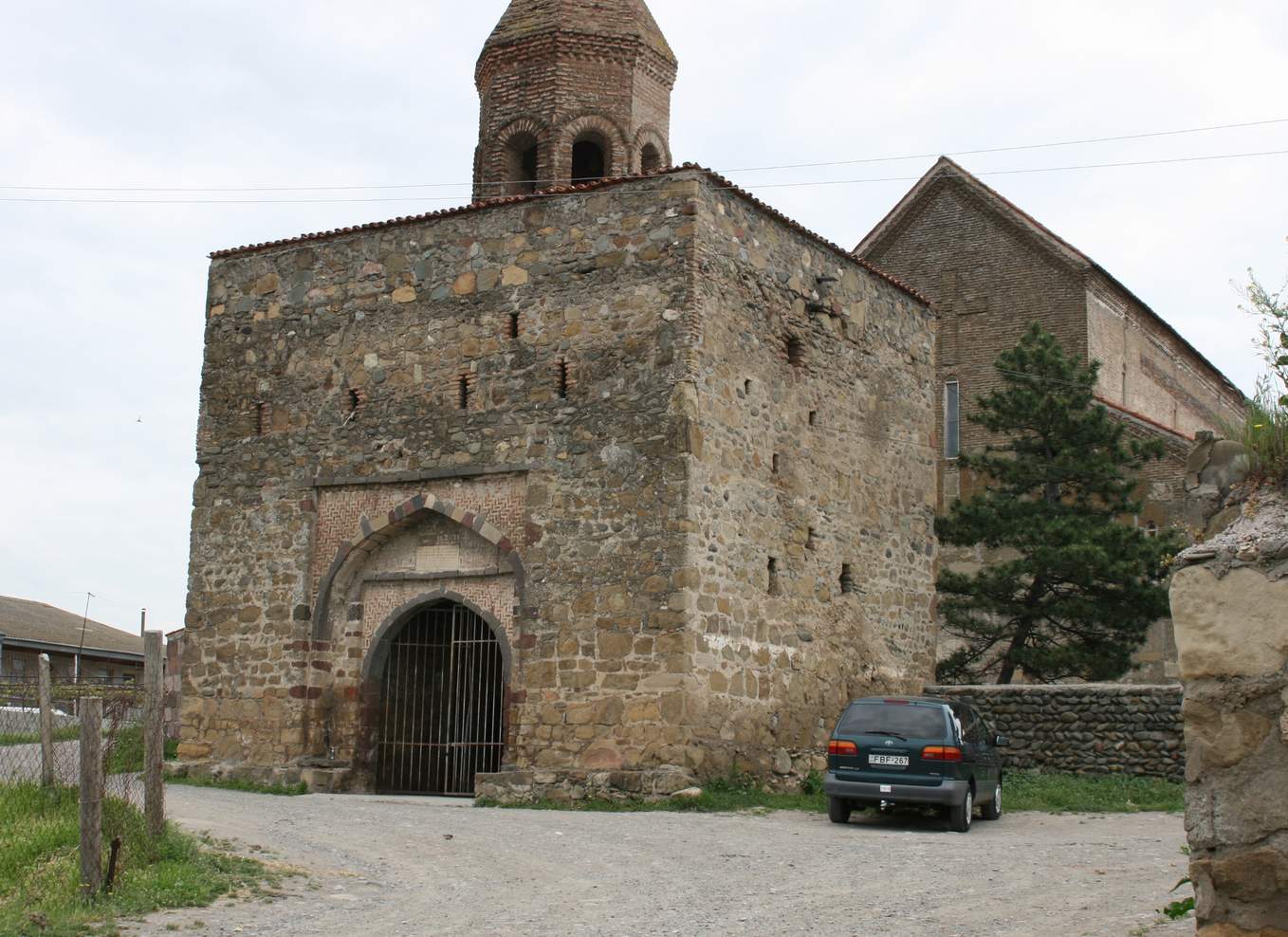
Urbnisi
Ancient Iberian city with diverse structures
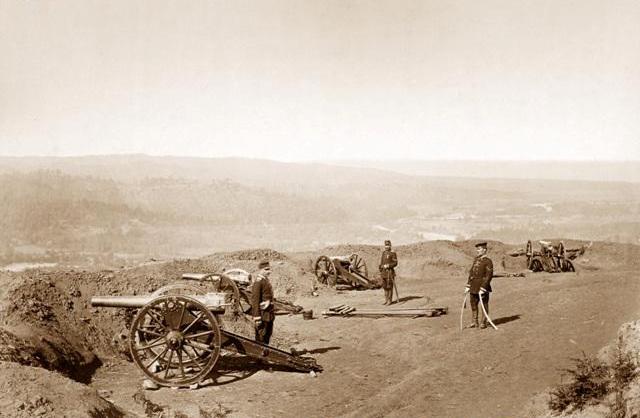
Tsikhisdziri, Kobuleti Municipality
Late Antique fortified town on Black Sea
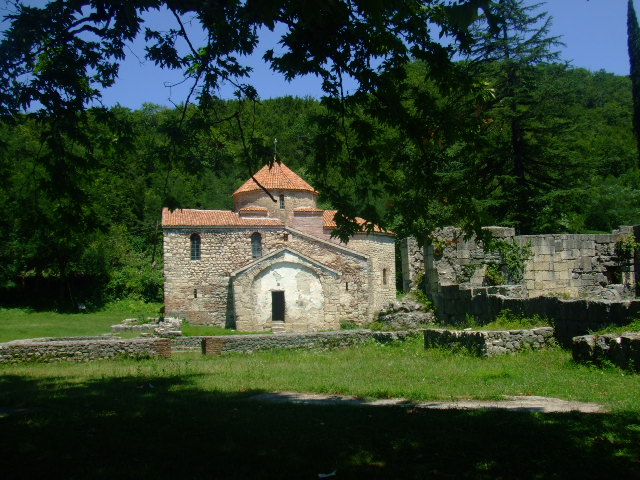
Nokalakevi
Byzantine fortress with Colchian origins
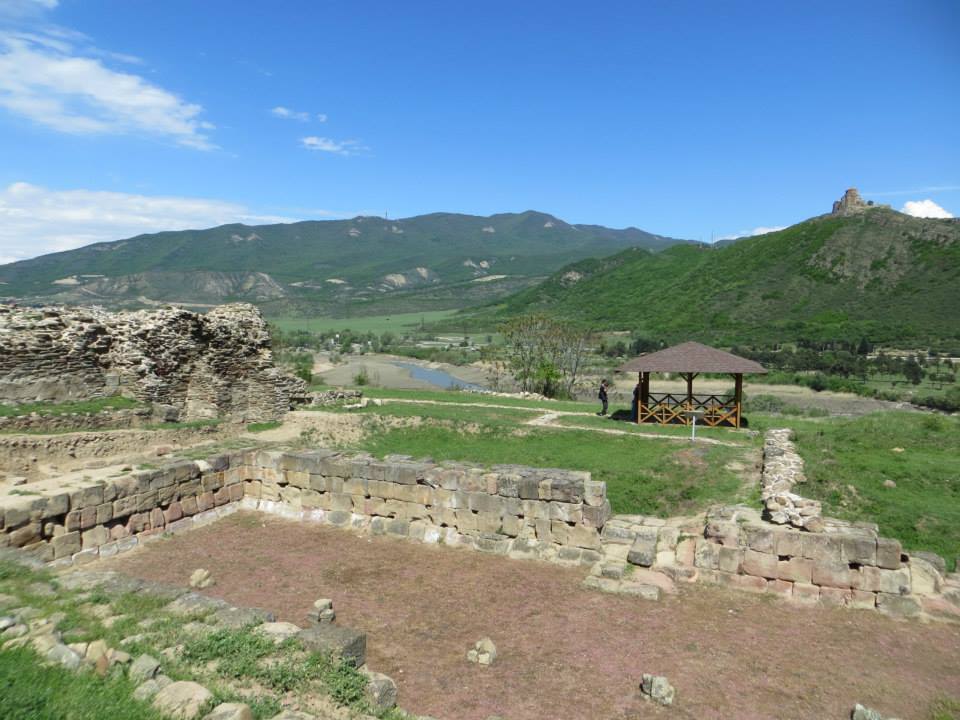
Armazi
Ancient fortified city with rich cultural layers