Explore the Map
Nokalakevi
42.3572° N, 42.1939° E
About
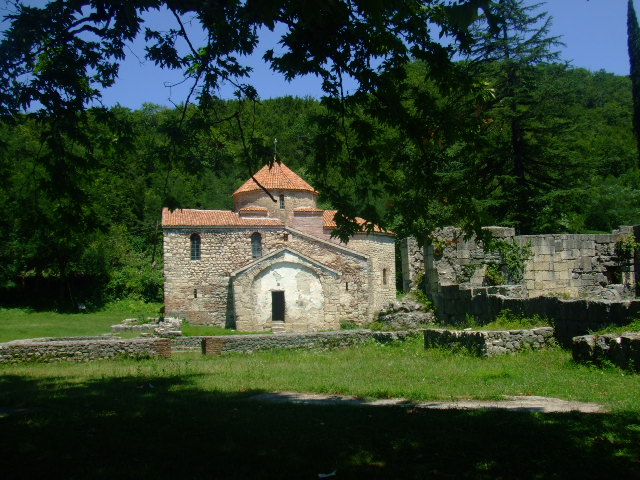
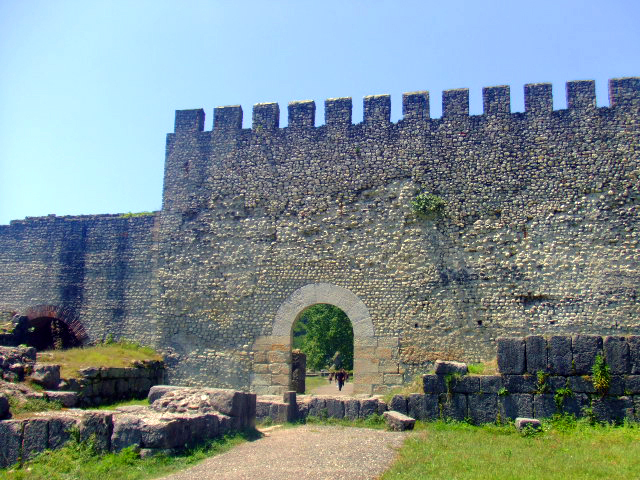
Nokalakevi, also known as Archaeopolis, is an archaeological site located in western Georgia by the Tekhuri River. It served as a significant Byzantine fortress in the region of Lazika, protecting against Sasanian and Persian invasions during the 6th century CE. The site comprises both an upper and lower town, with well-preserved defensive walls and towers that date back to the late Classical period. Excavations have uncovered evidence of earlier occupation phases dating back to the Middle Iron Age. The site's strategic position made it a crucial point during the Byzantine-Sasanian conflicts, reflecting its importance in the regional power dynamics of the time. Today, Nokalakevi offers insight into the complex history of the South Caucasus, showcasing the blend of local Colchian and Byzantine influences.
Gallery
Explore photographs of ancient structures, artifacts, and archaeological excavations
Historical Timeline
Journey through time and discover key events in this site's history
Middle Iron Age Settlement
8th century BCE
Late Classical Byzantine Fortress
4th century CE
6th Century War Event
540-562 CE
Archaeological Features
Unique architectural and cultural elements found at this historical site
Defensive Structures
Public and Civic Structures
Domestic and Habitation Structures
Frequently Asked Questions
Plan Your Visit
Tours, travel arrangements, and practical information
More Sites in Georgia (country)
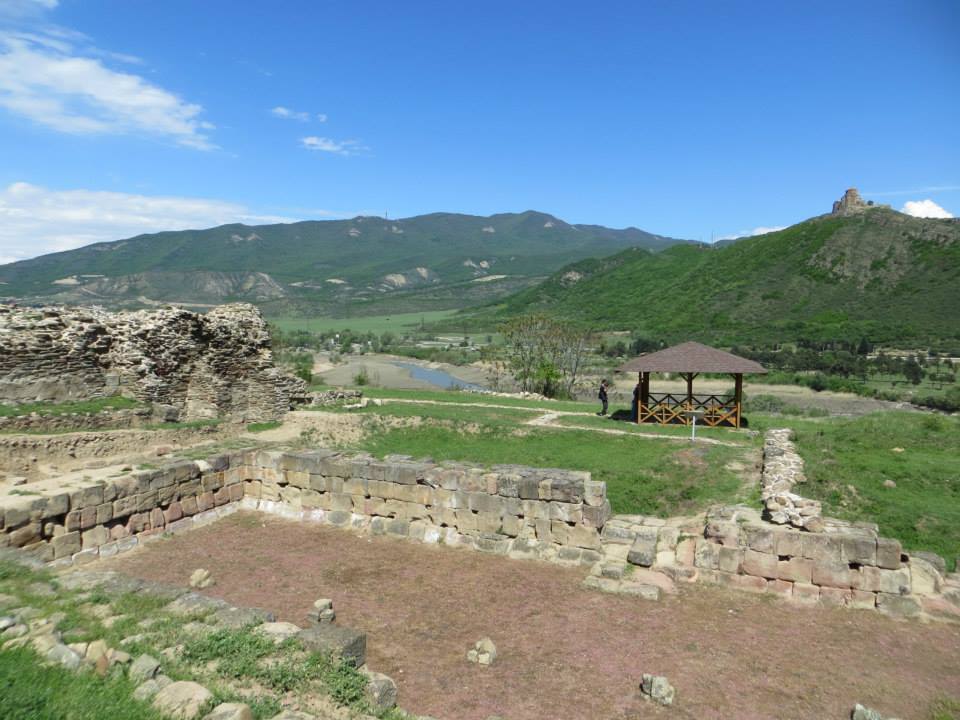
Armazi
Ancient fortified city with rich cultural layers
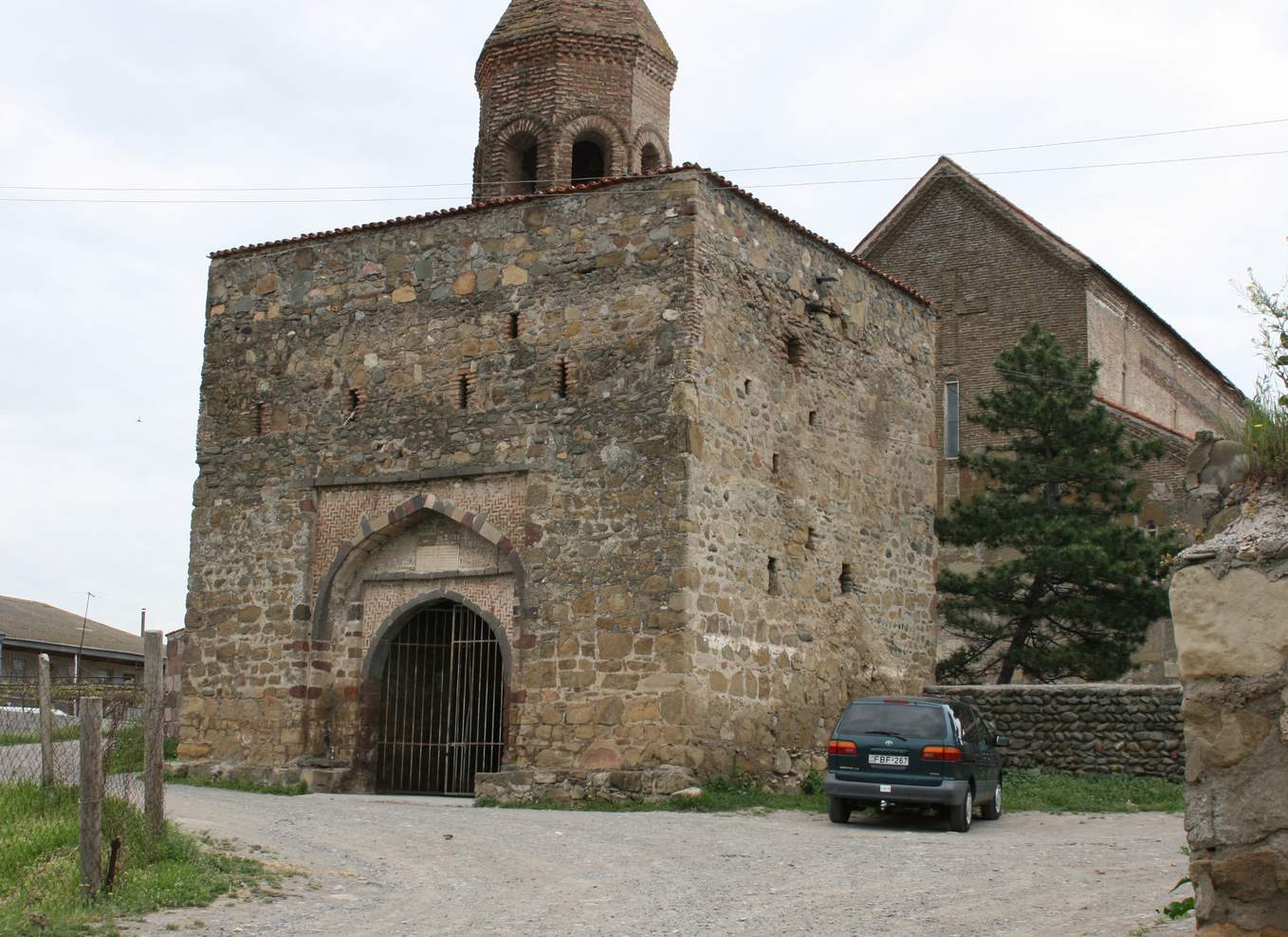
Urbnisi
Ancient Iberian city with diverse structures
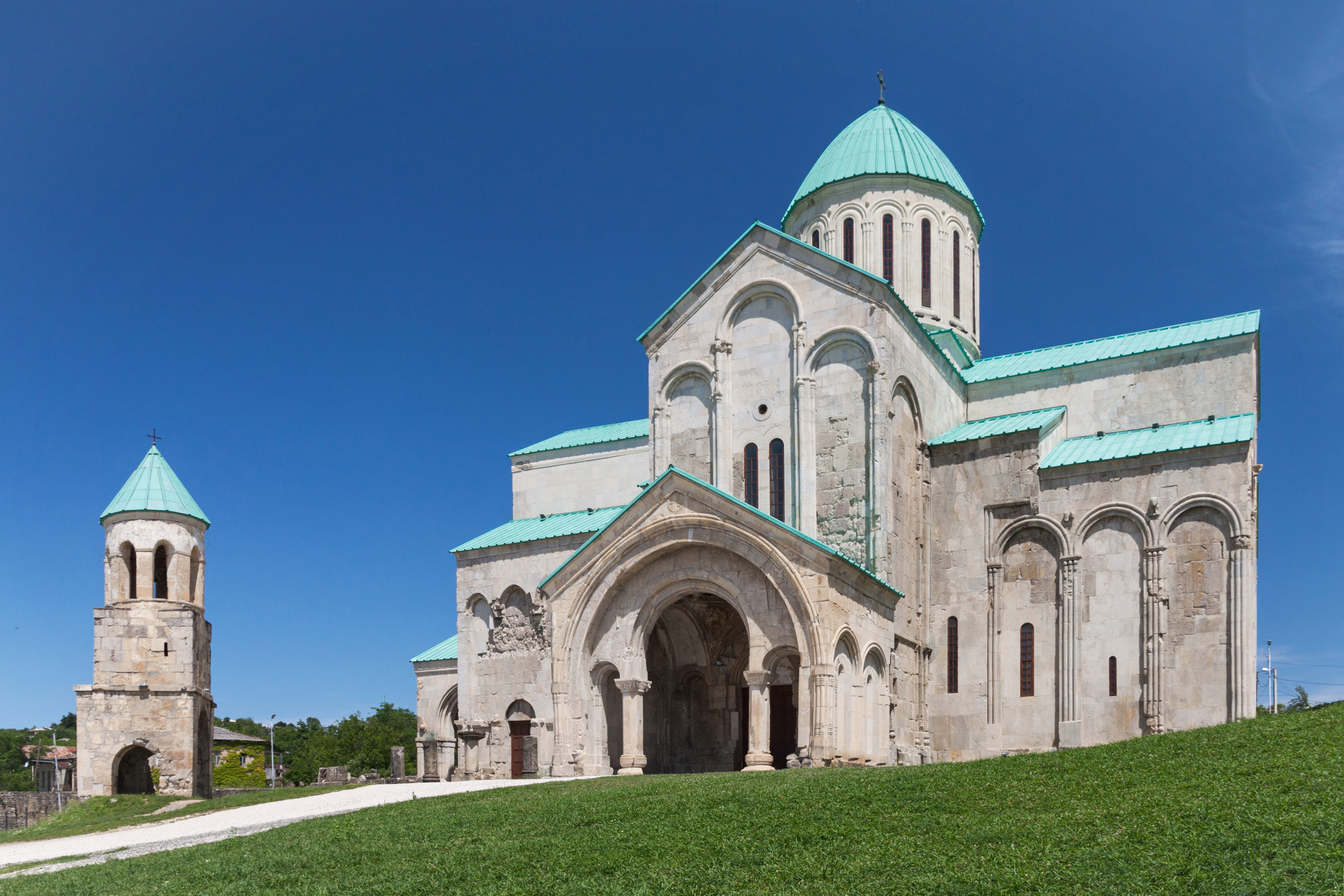
Kutaisi
Ancient city with historical significance in Georgia
Tsebelda fortress
Ruined fortress with towers and chapels
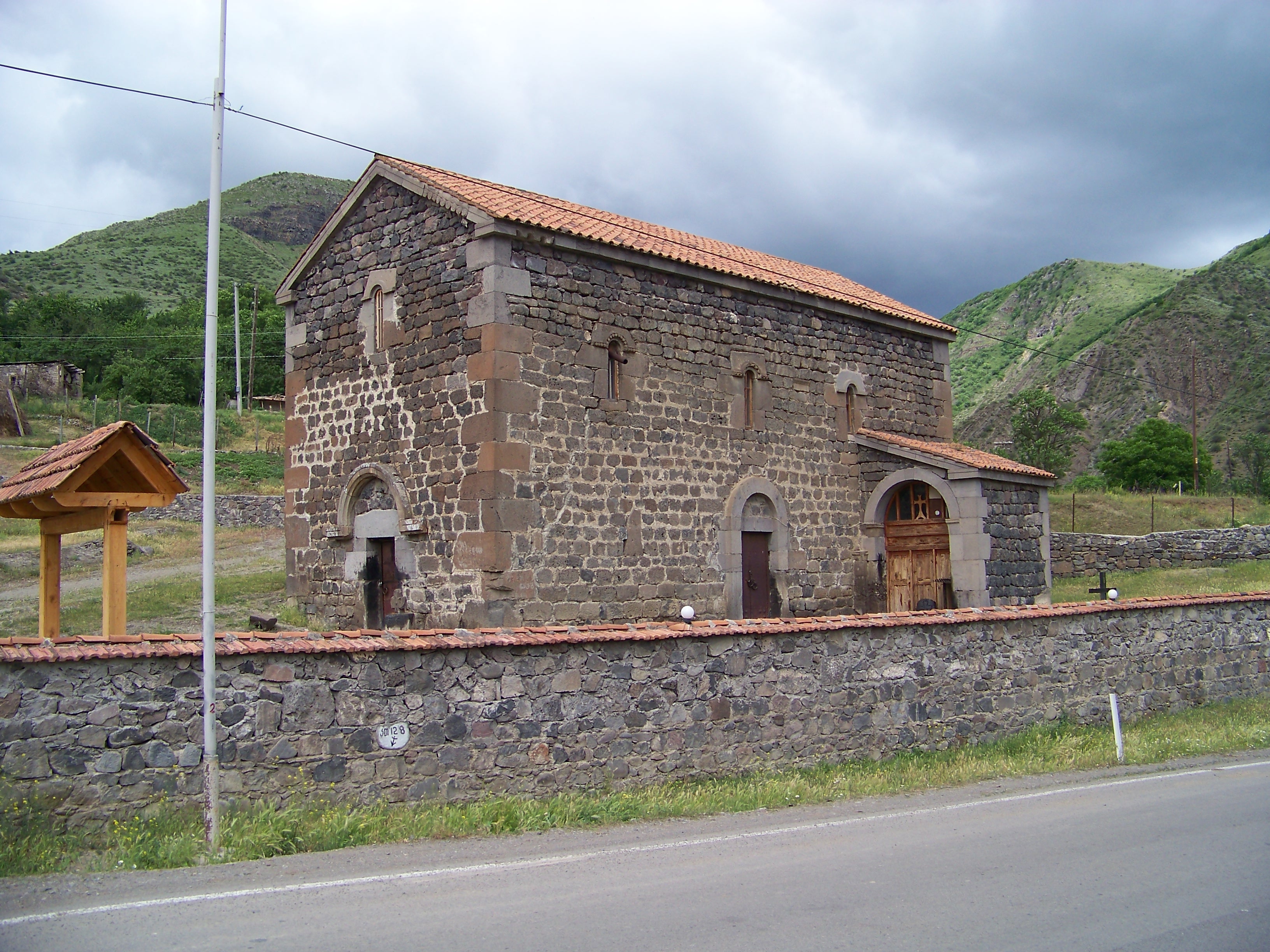
Khvilisha Church
9th-century Georgian Orthodox church structure

Keselo
Medieval fortress in Tusheti, Georgia