
Explore the Map
Kutaisi
42.2500° N, 42.7000° E
About
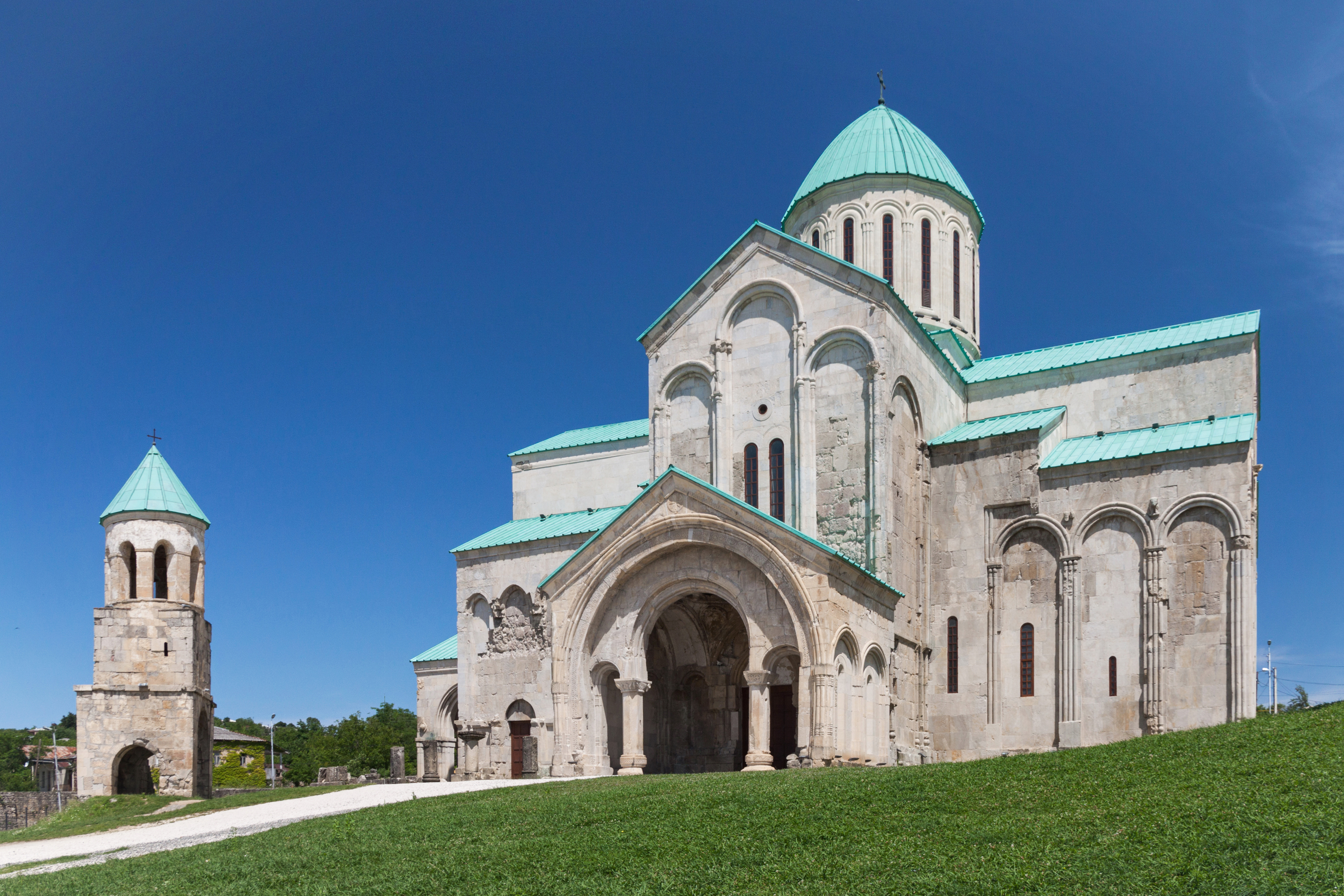
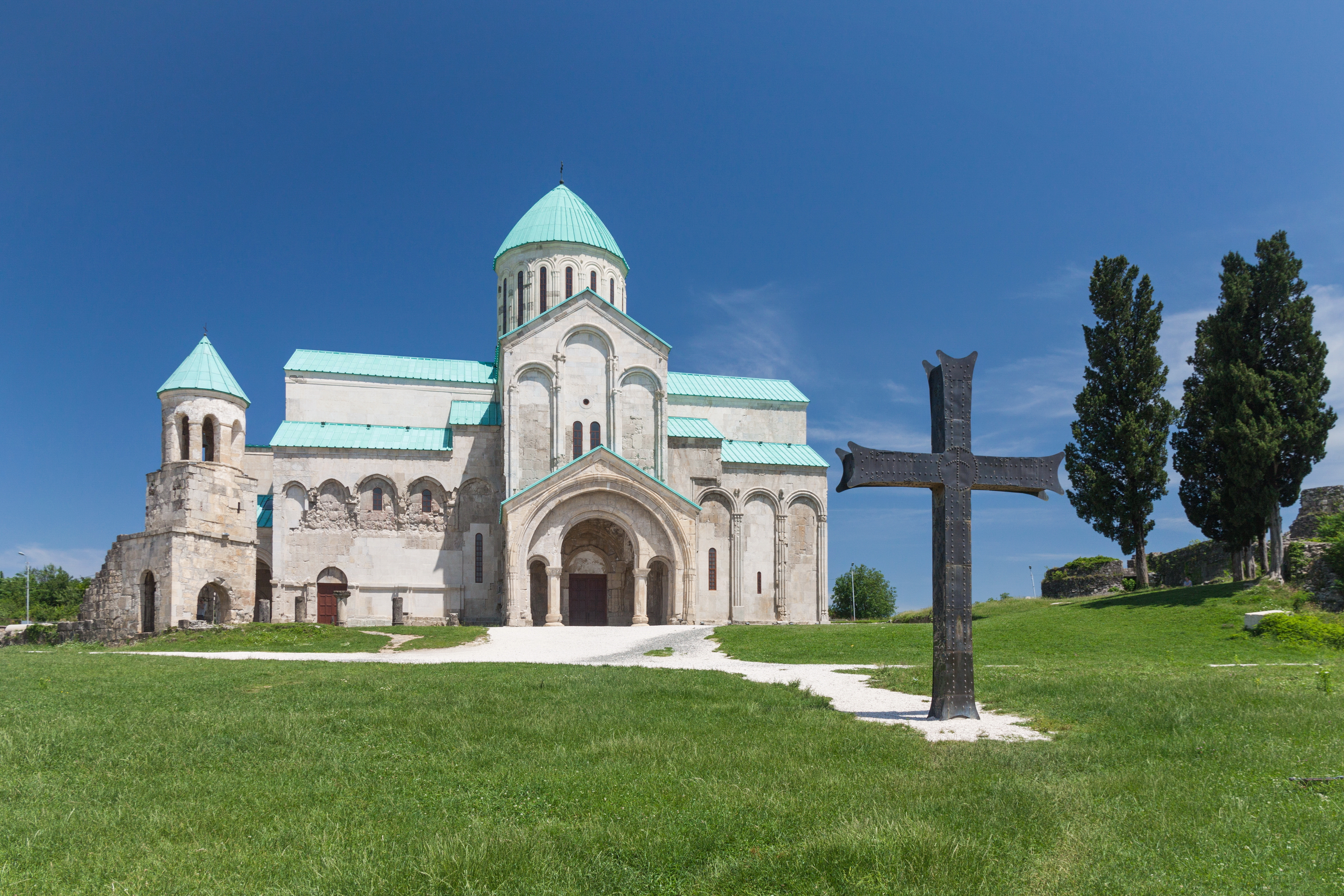
Kutaisi, located in the Imereti region of Georgia, is one of the world's oldest continuously inhabited cities. It holds significant historical and archaeological interest as it served as the capital of Colchis in the 6th century BCE. Throughout its rich history, Kutaisi has been a critical political and cultural center, including being the capital of the Kingdom of Georgia and later the Kingdom of Imereti. The city's landscape features notable archaeological sites such as the ruins of Bagrati Cathedral and Gelati Monastery, both of which highlight its religious significance. Kutaisi's industrial evolution in the 20th century marked it as a major center in Georgia. The city's archaeological narrative is woven with periods of occupation, independence, and cultural development, making it a site of immense historical importance.
Gallery
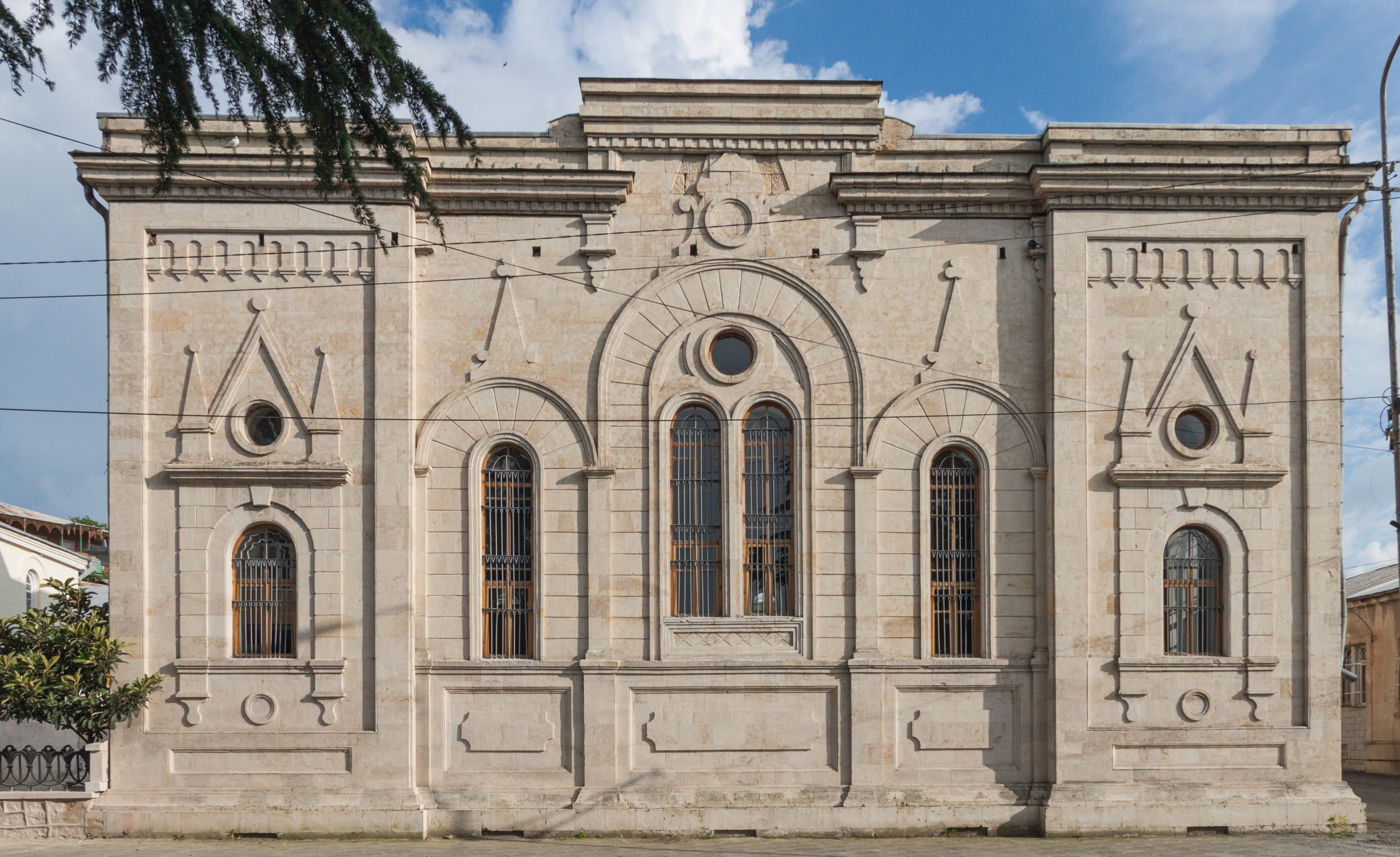
Explore photographs of ancient structures, artifacts, and archaeological excavations
Historical Timeline
Journey through time and discover key events in this site's history
Colchis Capital
6th century BCE
Arab Occupation
736 CE
Leon II Independence
786 CE
Georgia Kingdom Capital
1008 CE
Imereti Kingdom Capital
1508 CE
Russian Annexation
1810 CE
Blood Libel Trial
1879 CE
Industrial Center
1945 CE
Parliament Relocation
2012 CE
Archaeological Features
Unique architectural and cultural elements found at this historical site
Industrial and Craft Structures
Religious and Ritual Structures
Domestic and Habitation Structures
Plan Your Visit
Tours, travel arrangements, and practical information
More Sites in Georgia (country)
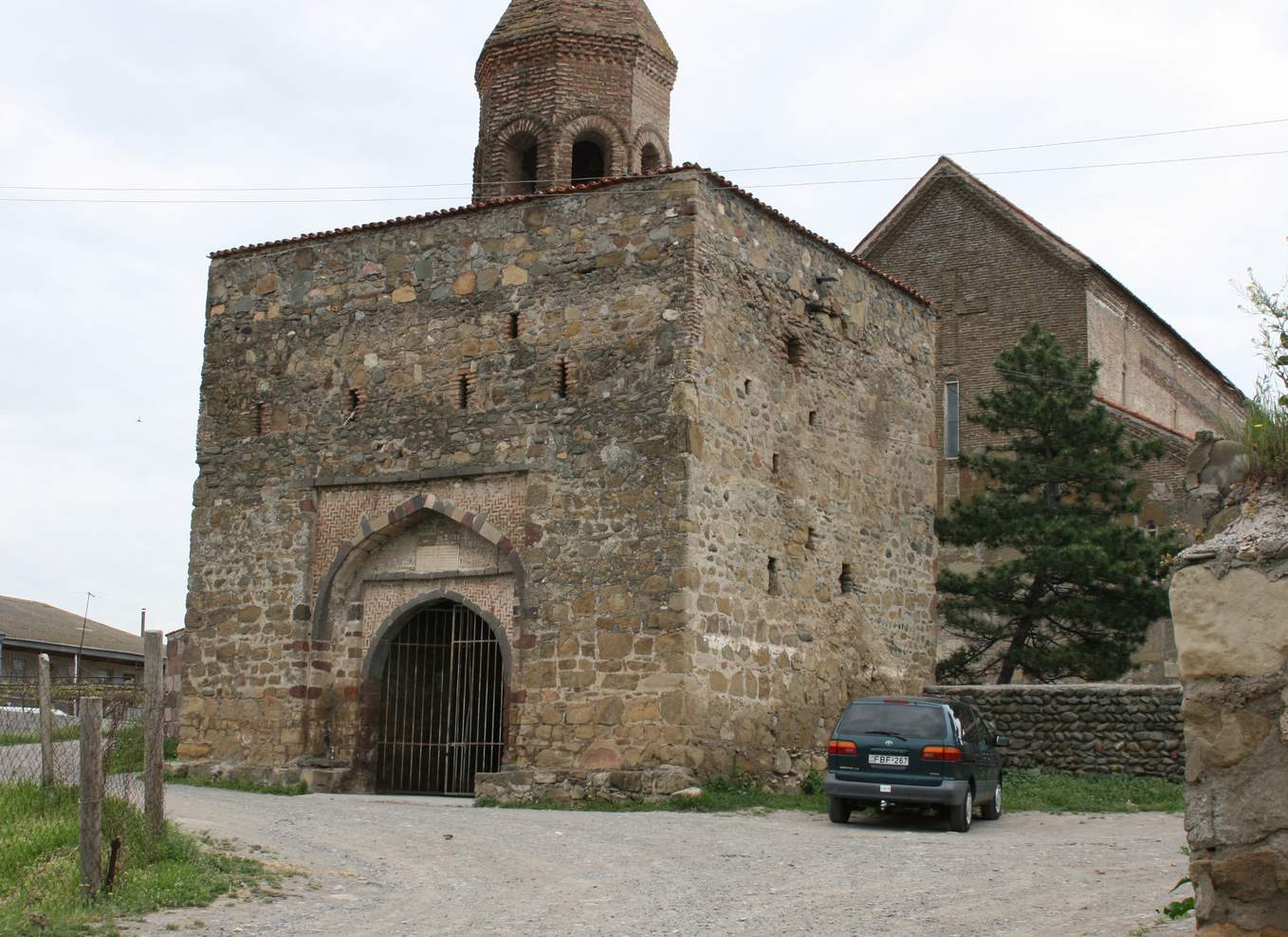
Urbnisi
Ancient Iberian city with diverse structures
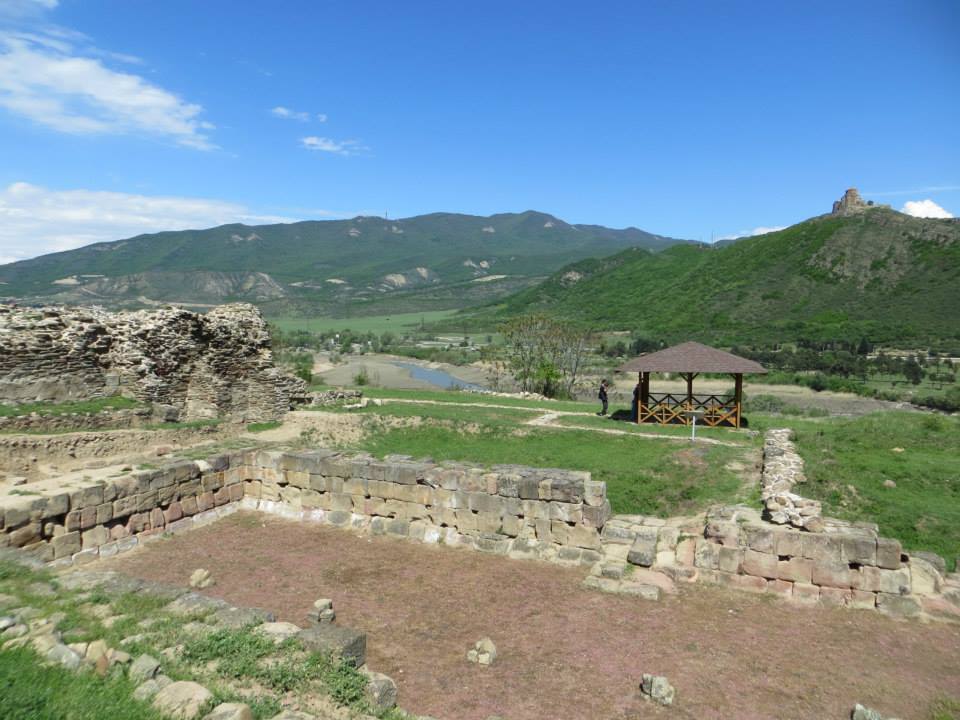
Armazi
Ancient fortified city with rich cultural layers
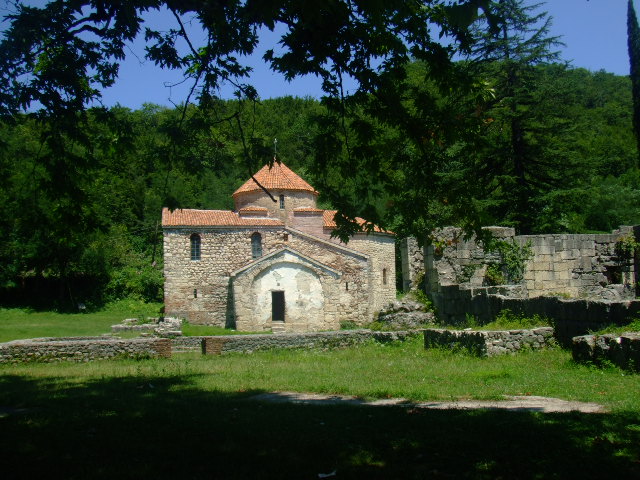
Nokalakevi
Byzantine fortress with Colchian origins
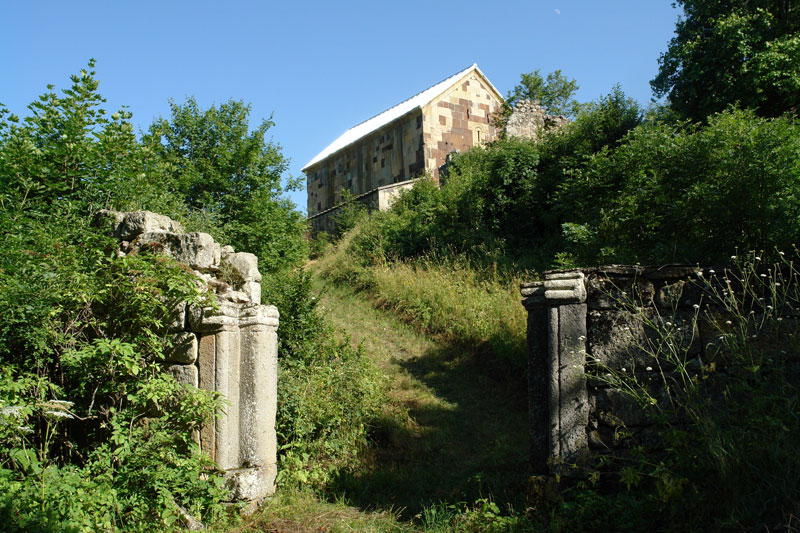
Gudarekhi
Medieval monastic complex and settlement, Kvemo Kartli, Georgia
Tsebelda fortress
Ruined fortress with towers and chapels
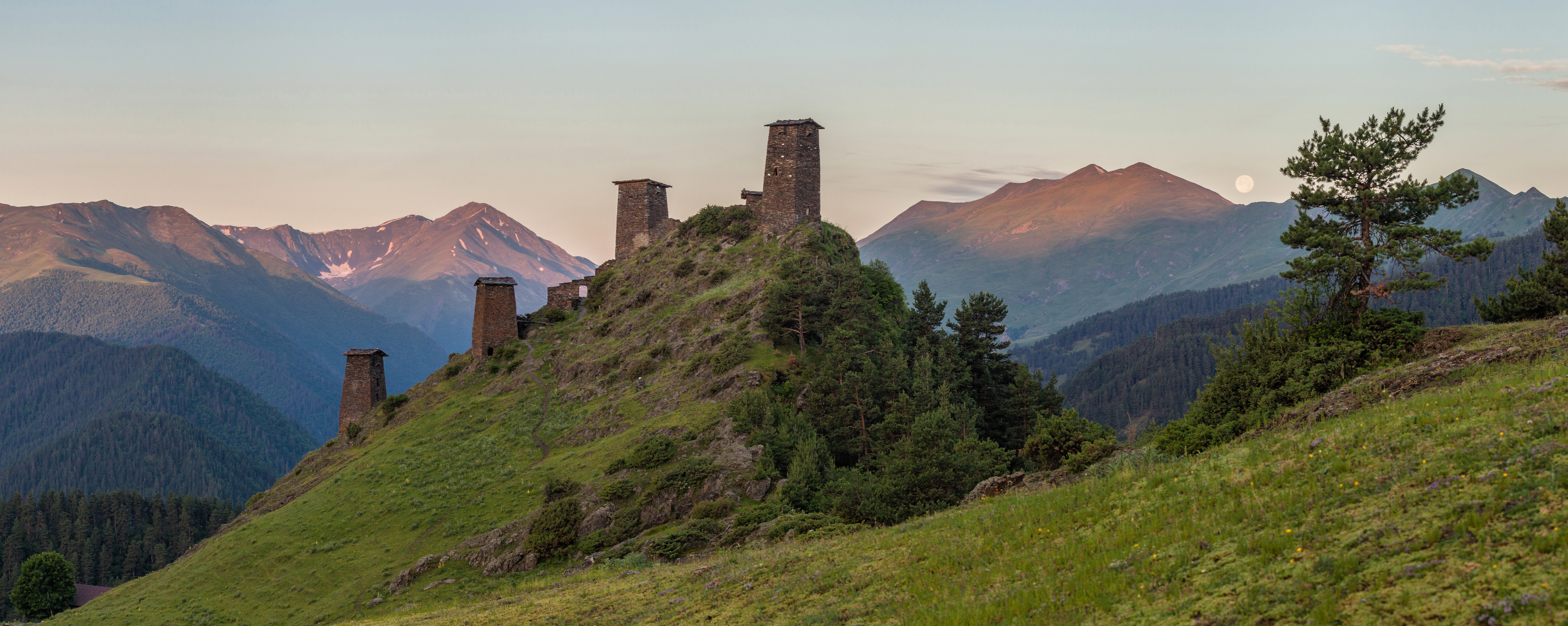
Keselo
Medieval fortress in Tusheti, Georgia