Time Periods
Paleolithic
Mesolithic
Neolithic
Chalcolithic
Bronze Age
Iron Age
Classical Period
Post-Classical Period
Early Modern Period
Industrial Period
Contemporary Period
Time Periods
Paleolithic
Mesolithic
Neolithic
Chalcolithic
Bronze Age
Iron Age
Classical Period
Post-Classical Period
Early Modern Period
Industrial Period
Contemporary Period
Location
About
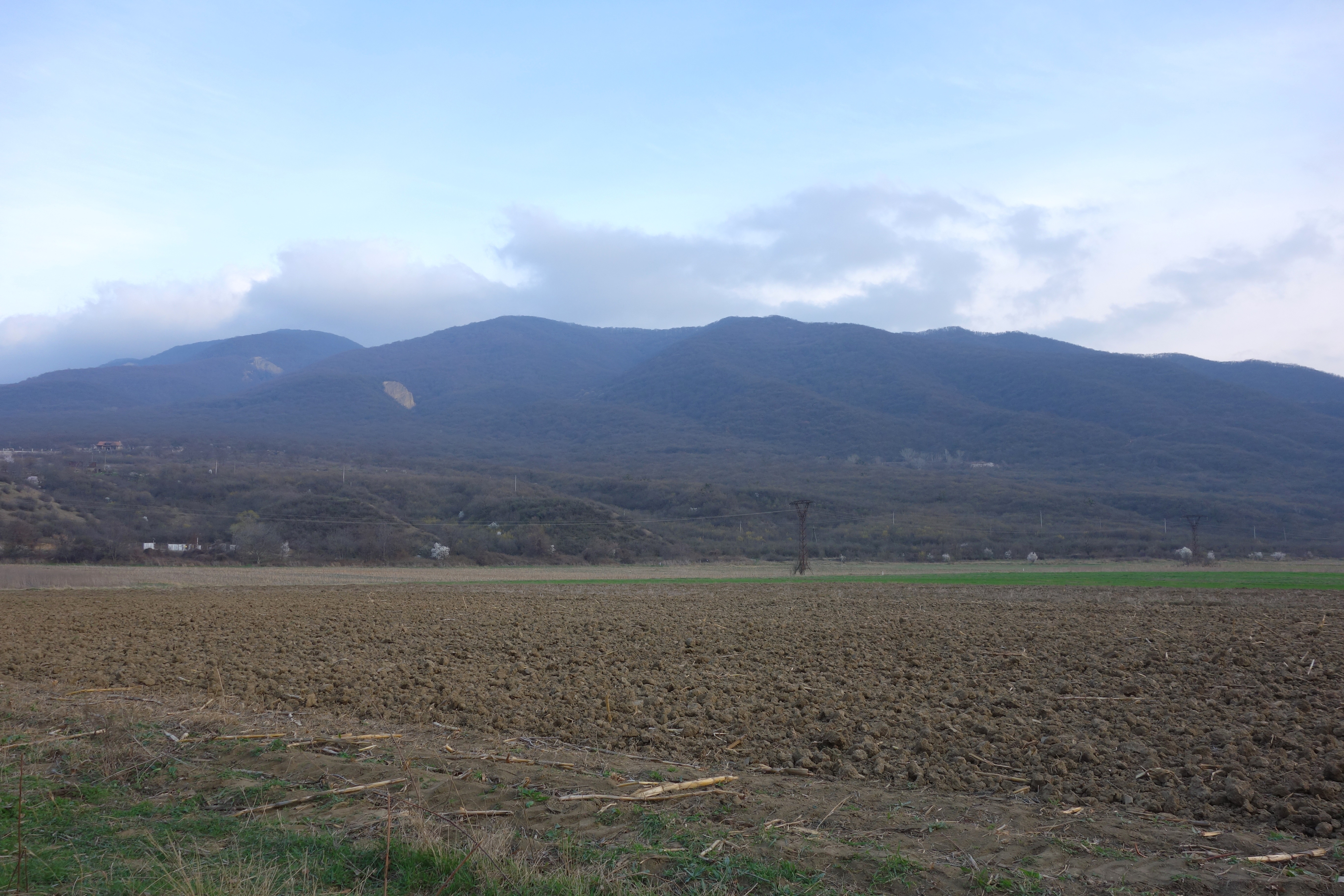
Tsitsamuri, a historically significant site near Mtskheta, Georgia, offers a glimpse into the ancient past with its ruins of an acropolis of ancient Iberia. Identified by Andria Apakidze in 1953, the site aligns with the Zaden-tsikhe fortress from medieval Georgian chronicles, highlighting its defensive significance. Overlooking the site is Mount Zedazeni, which later became the location of a Christian monastery, suggesting a transition from pagan to Christian worship. A necropolis dating from the 1st century BCE to the 2nd century CE reveals burial practices and artifacts such as a bronze batillum and an Italic oenochoe, indicating cultural interactions. The archaeological significance of Tsitsamuri lies in its rich layers of history, showcasing defensive, religious, and funerary structures that span across crucial historical periods.
Gallery
Explore photographs of ancient structures, artifacts, and archaeological excavations at Tsitsamuri
Archaeological Features
Explore the unique architectural and cultural elements found at this historical site
Defensive Structures
Burial and Funerary Structures
Religious and Ritual Structures
Historical Timeline
Journey through time and discover key events in this site's archaeological history
Plan Your Visit
Details
- Country
- Georgia (country)
- Source
- Wikipedia
More Sites in Georgia (country)
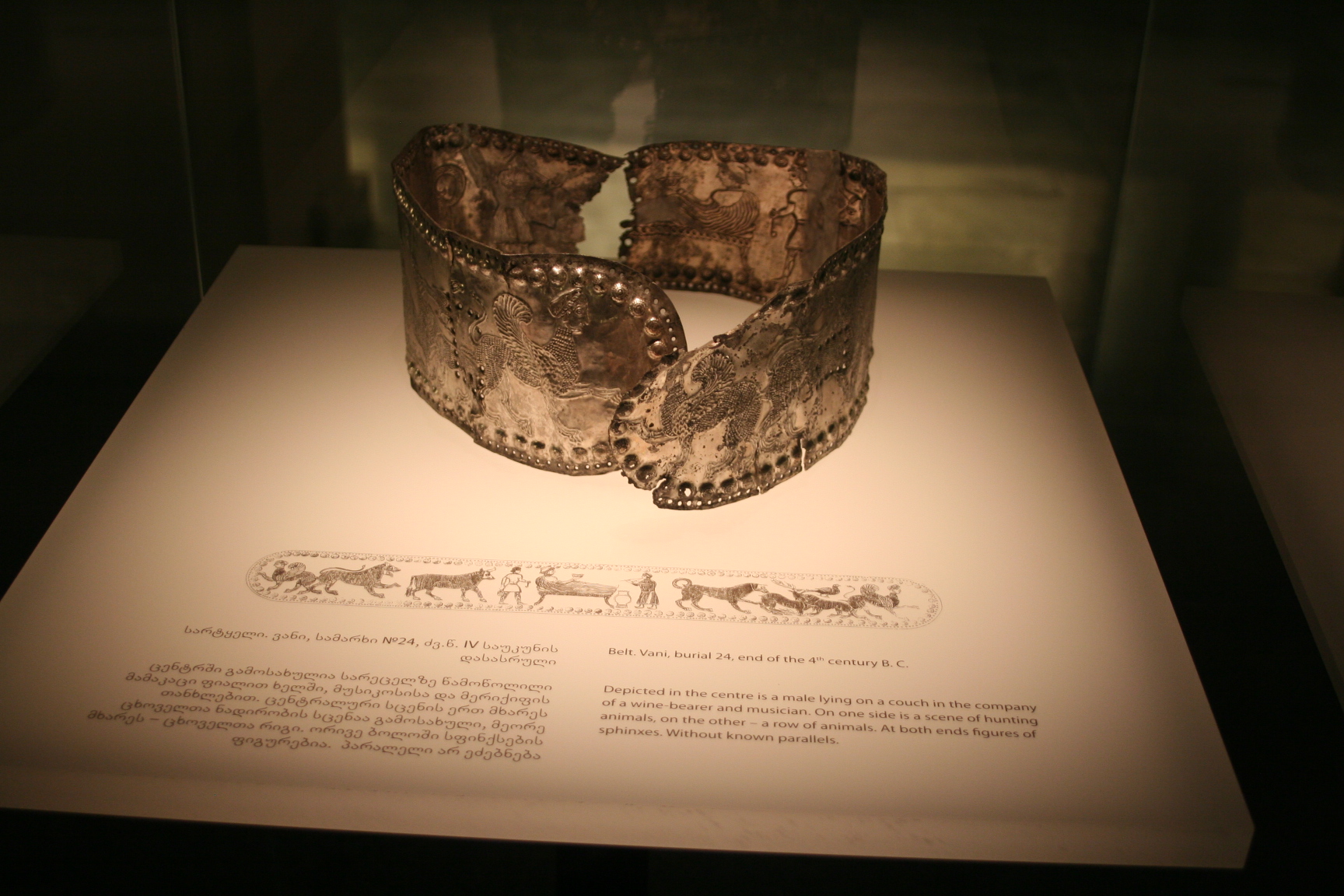
Vani
Ancient Colchis city with rich burials
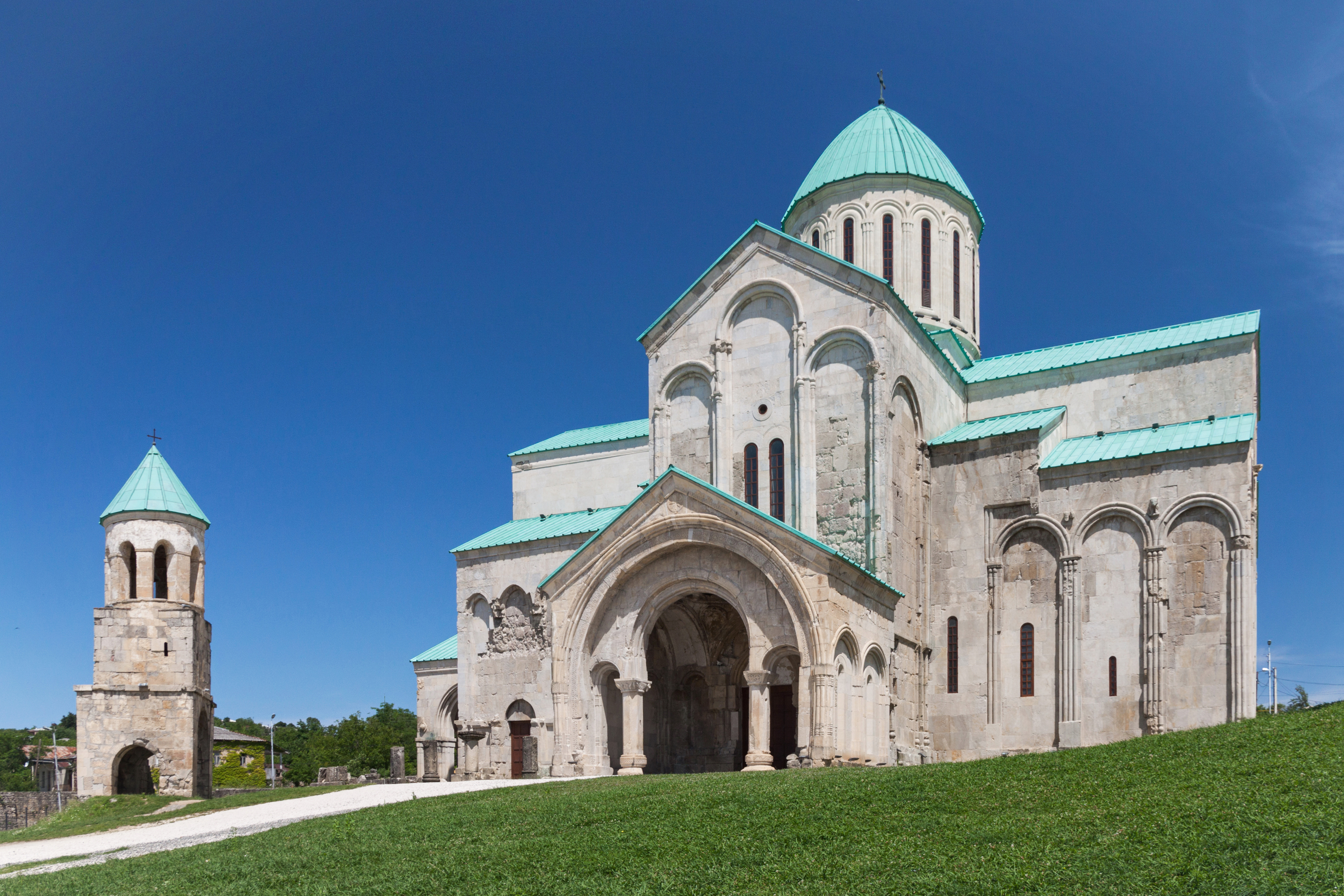
Kutaisi
Ancient city with historical significance in Georgia
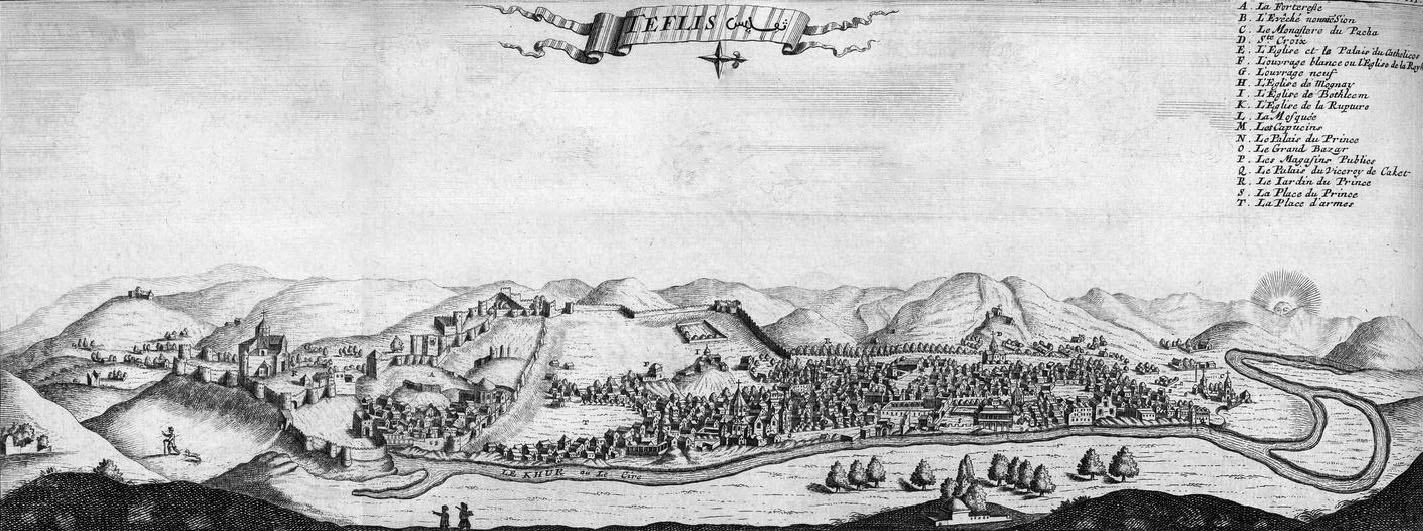
Tbilisi
Historic city with diverse architectural styles.
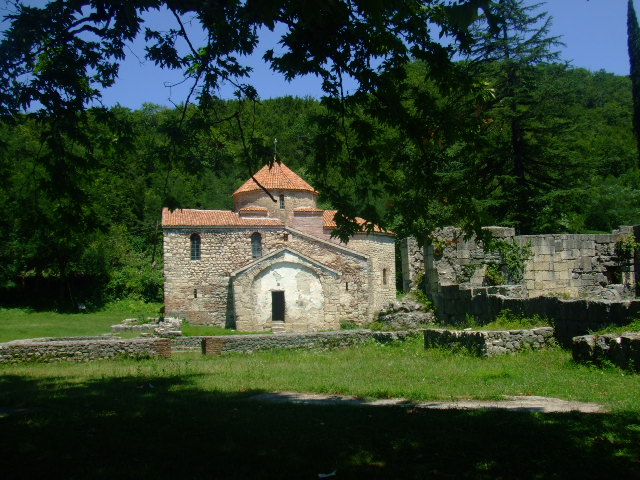
Nokalakevi
Byzantine fortress with Colchian origins
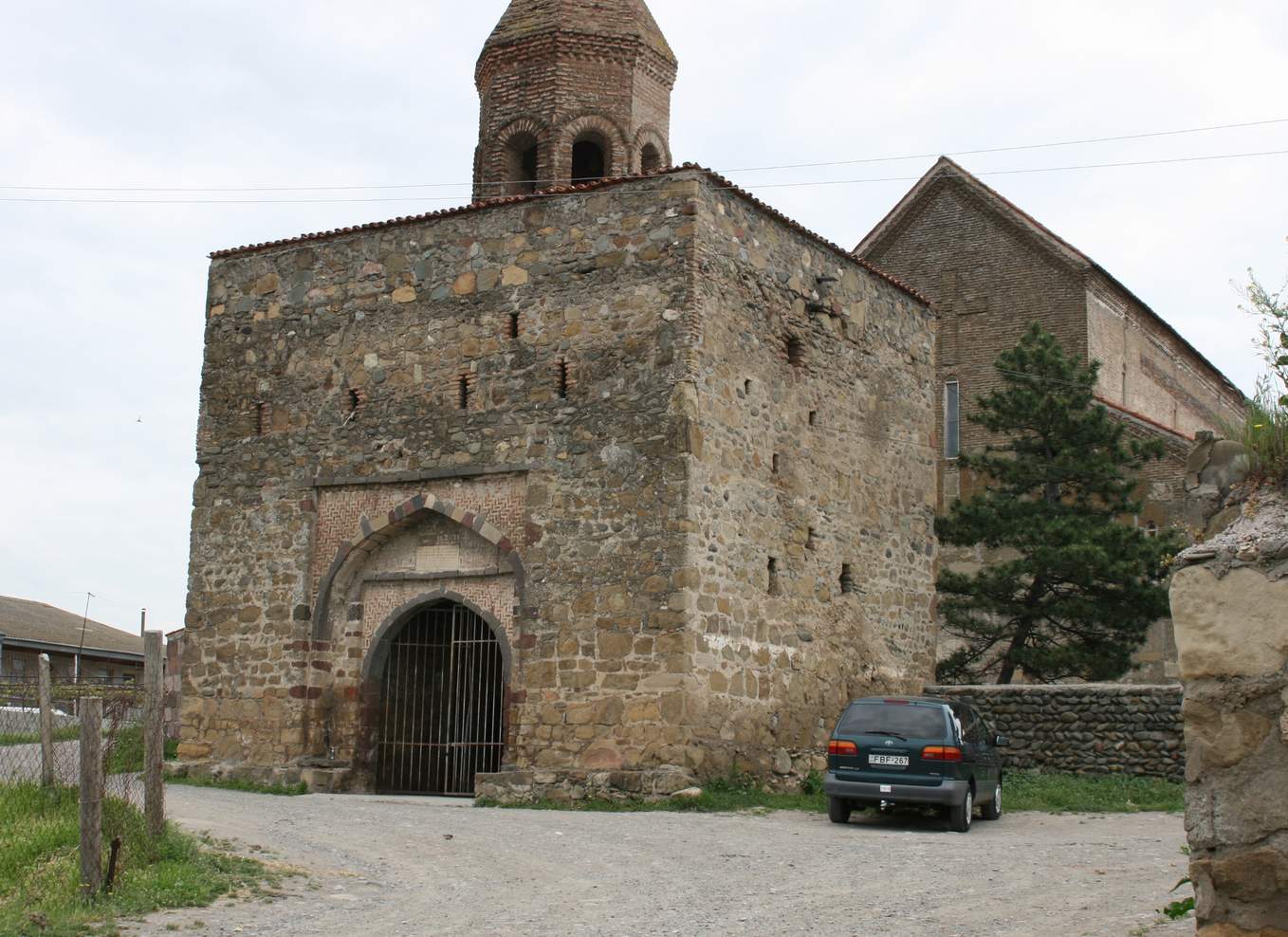
Urbnisi
Ancient Iberian city with diverse structures
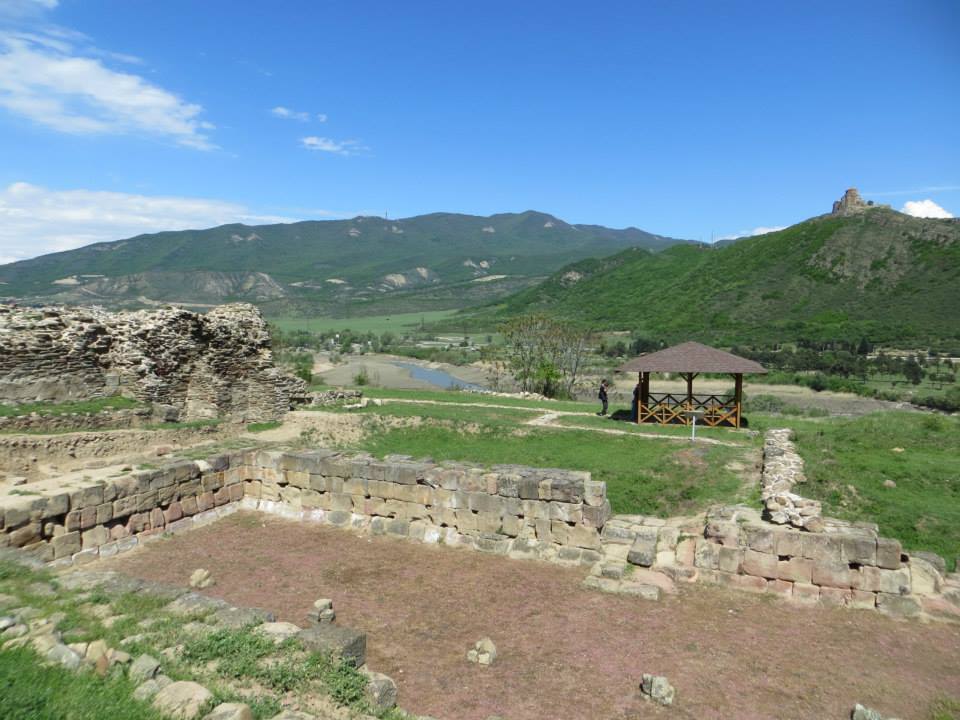
Armazi
Ancient fortified city with rich cultural layers