
Explore the Map
Baumann's Cave
51.7550° N, 10.8433° E
About
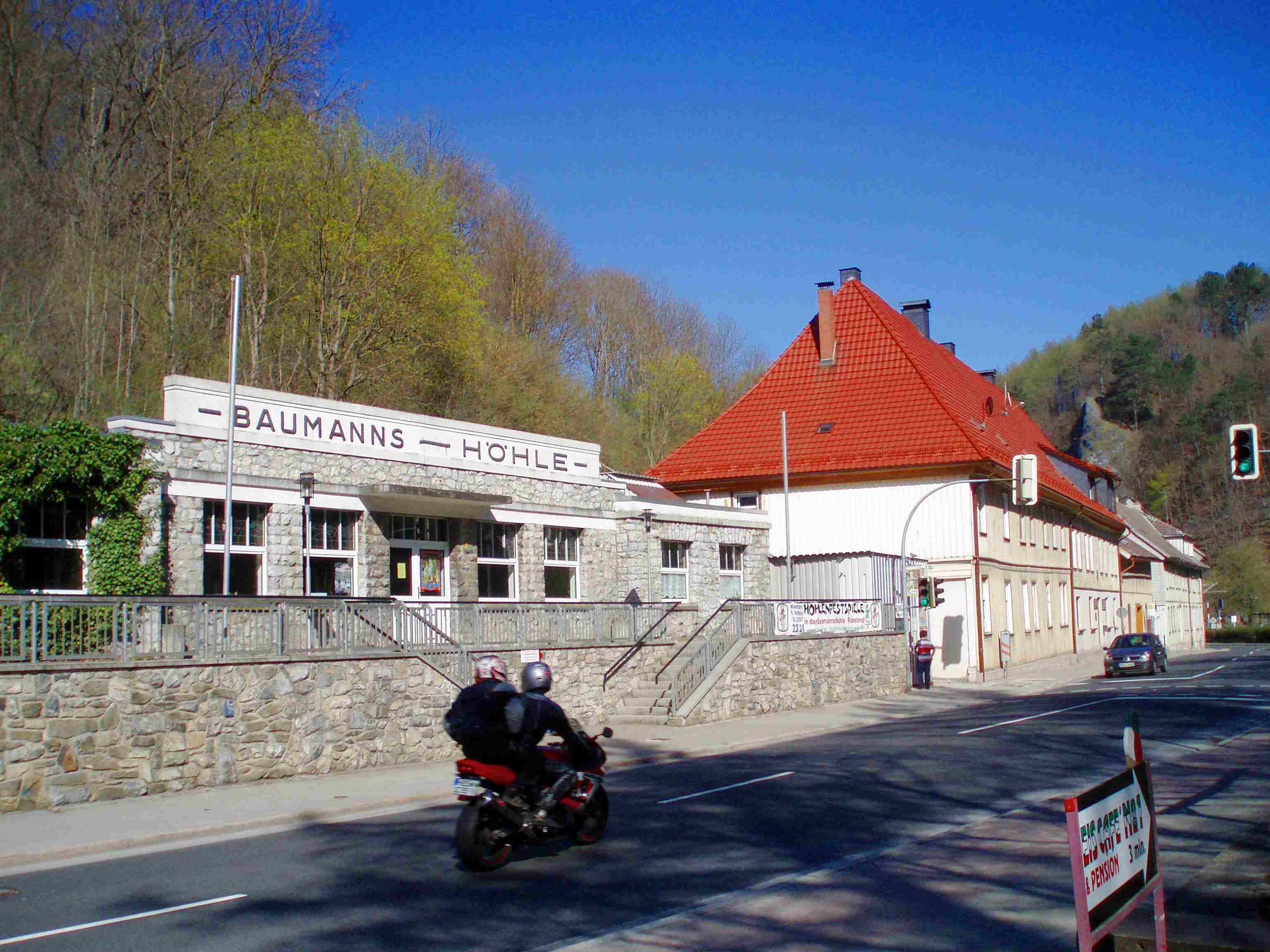
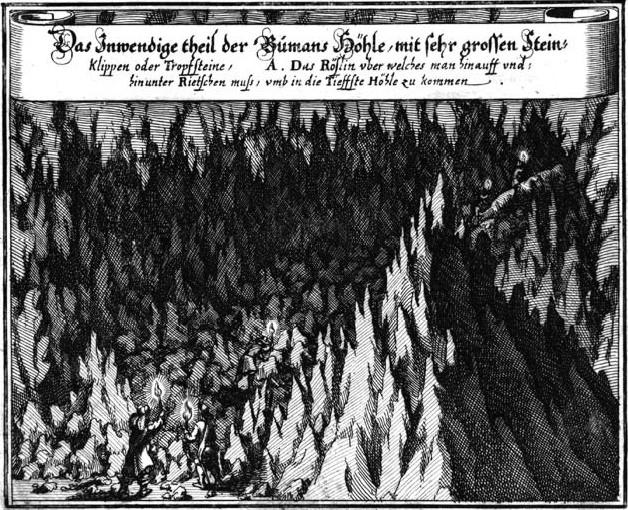
Baumann's Cave, situated in the Harz region of Germany, stands as a prominent archaeological and natural site, known for its historical human activity and natural formations. Formed in Devonian limestone, this cave has been a site of interest since the Stone Age, marking it as a significant locale for prehistoric human visitation. Its rich and well-preserved display of stalactites and stalagmites adds to its natural allure, while the discovery of numerous cave bear bones provides valuable insight into the fauna of past eras. As one of Germany's oldest show caves, it has a storied history of public engagement, having been a guided attraction since the mid-17th century. The cave also holds cultural significance, with its Goethesaal chamber named after the famous writer Johann Wolfgang von Goethe.
Gallery
Explore photographs of ancient structures, artifacts, and archaeological excavations
Historical Timeline
Journey through time and discover key events in this site's history
Stone Age Human Visitation
50,000 BCE – 10,000 BCE
Archaeological Features
Unique architectural and cultural elements found at this historical site
Domestic and Habitation Structures
Environmental and Natural Features
Frequently Asked Questions
Plan Your Visit
Tours, travel arrangements, and practical information


More Sites in Germany
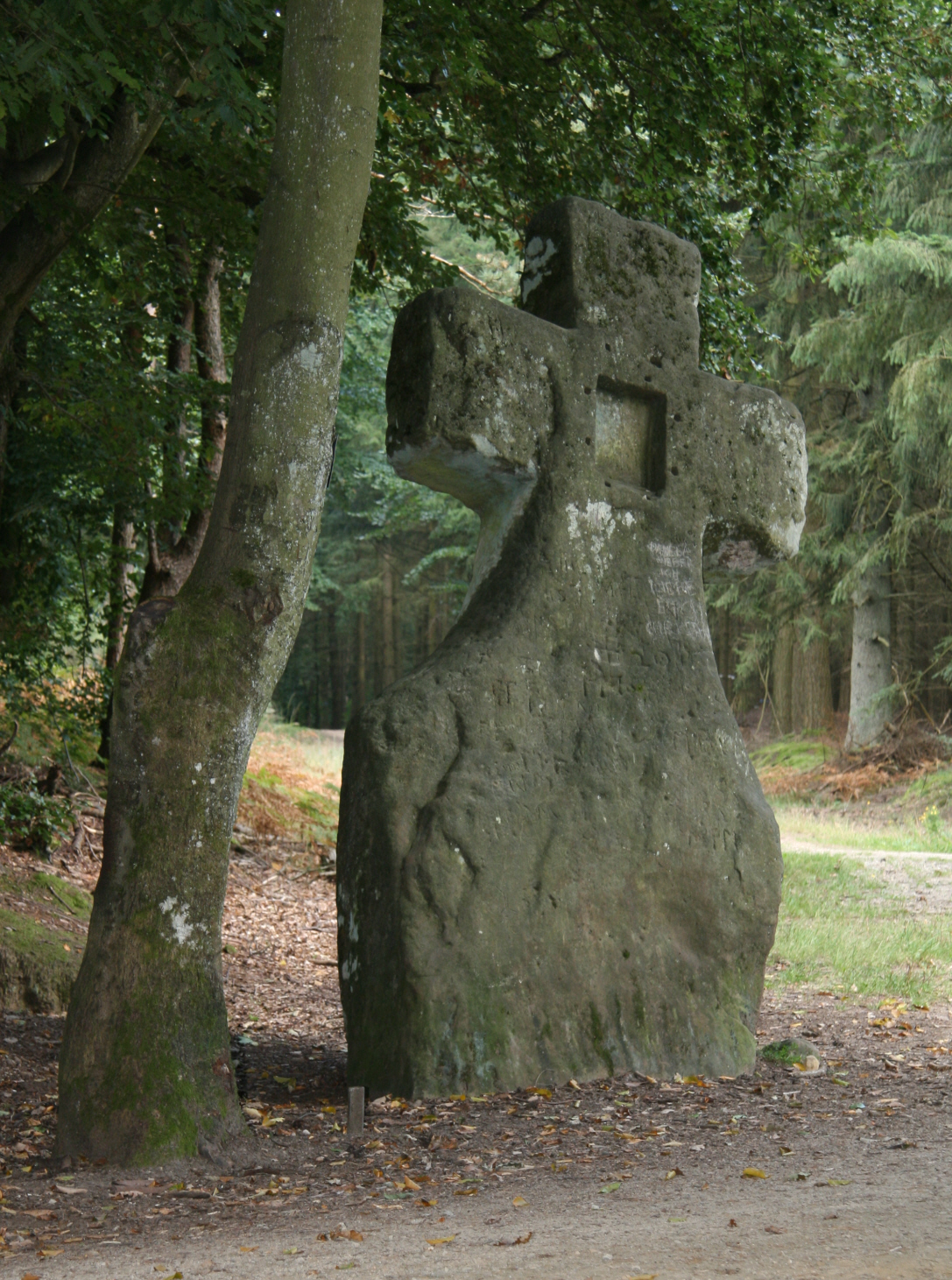
Fraubillen cross
Resculpted menhir into a Christian cross
Langweiler (archaeological site)
Neolithic farming settlement with ritual enclosures
Kyffhausen Castle
Medieval castle ruin with Neolithic origins
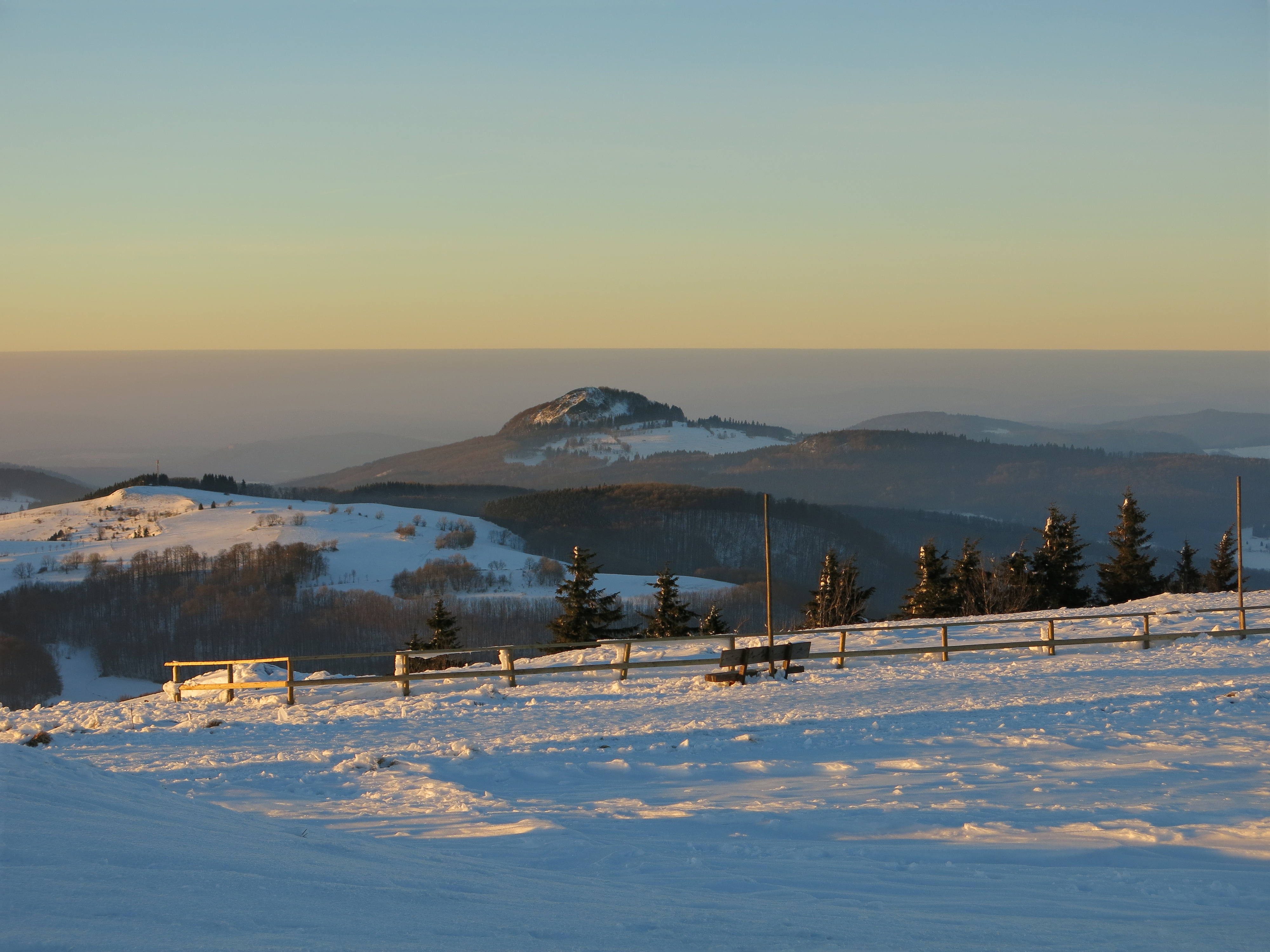
Milseburg
Extinct volcano with Celtic oppidum remains
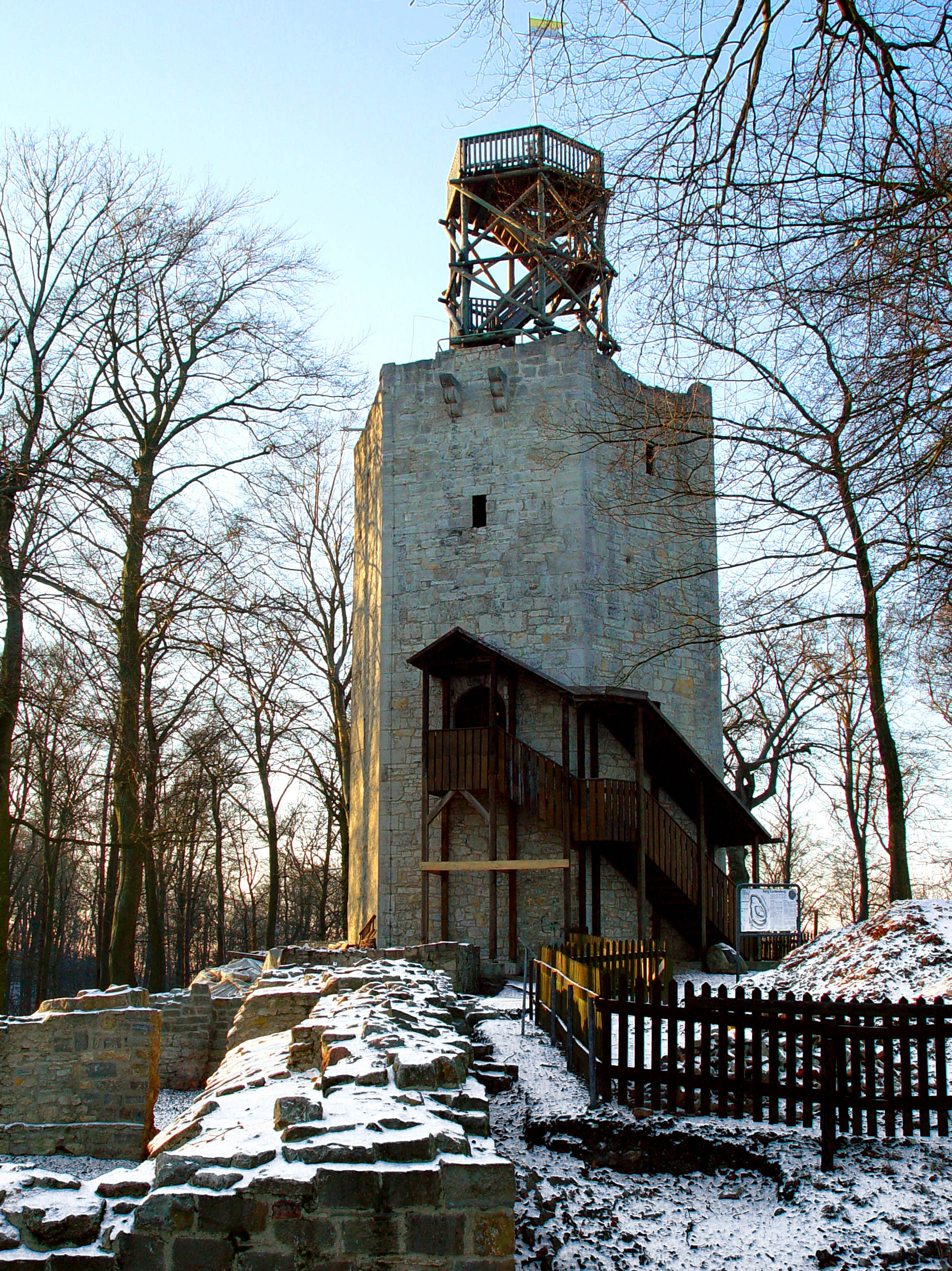
Lichtenberg Castle (Salzgitter)
12th-century hill castle ruins in Germany
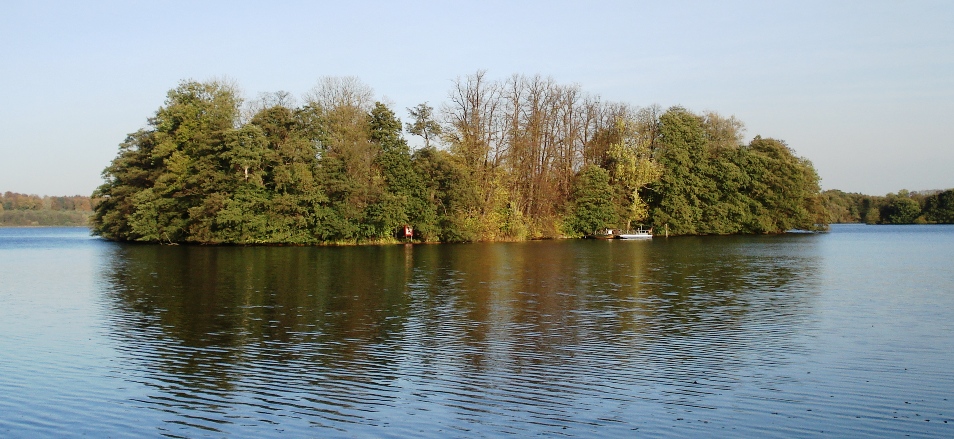
Pheasant Island (Eutin)
Small island with medieval castle ruins.