Explore the Map
Pheasant Island (Eutin)
54.1390° N, 10.6260° E
About
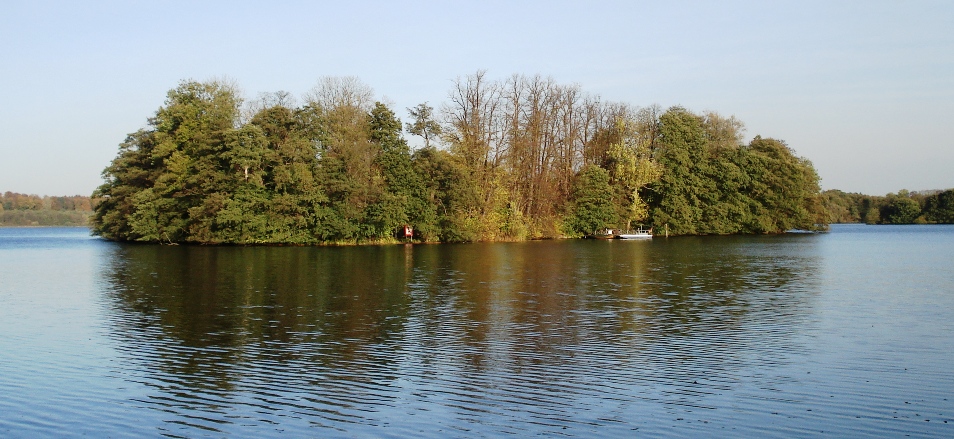
Pheasant Island, located in the Großer Eutiner See in Schleswig-Holstein, Germany, has served as a notable archaeological site due to its historical significance. From the 9th century CE, the island was home to a Wendish castle named Utin, which served as the center of the eponymous Gau. The strategic location of the castle was further enhanced by its connection to the mainland via a bridge. This defensive structure was a focal point during the Post-Classical period until its destruction in 1138/39 CE by the Holsteiners during the conquest of Wagria. The subsequent relocation of the settlement to the shore laid the foundations for the modern town of Eutin. The island's historical significance is further enriched by its role as a landmark within the Baroque garden of Eutin Castle. Today, privately owned and inhabited, the island's past remains a testament to the region's medieval history.
Gallery
Explore photographs of ancient structures, artifacts, and archaeological excavations
Historical Timeline
Journey through time and discover key events in this site's history
Wendish Castle Construction
9th century CE
Castle Destruction by Holsteiners
1138/39 CE
Archaeological Features
Unique architectural and cultural elements found at this historical site
Defensive Structures
Transportation and Communication Structures
Frequently Asked Questions
Plan Your Visit
Tours, travel arrangements, and practical information
More Sites in Germany
Reric
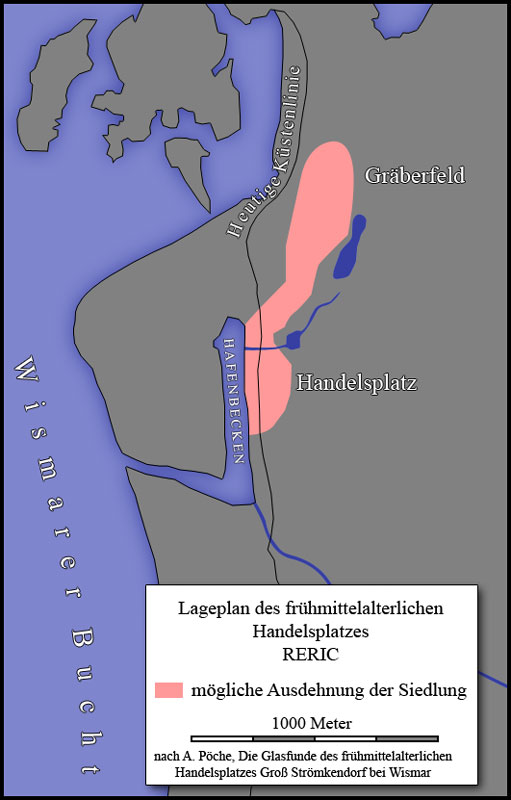
Slavic-Scandinavian Viking Age emporium remains
Blankenhagen Castle
Ruins of 13th-century motte-and-bailey castle
Burgstall Schlosshügel
Early medieval motte (burgstall), Upper Franconia, Germany
Liubice
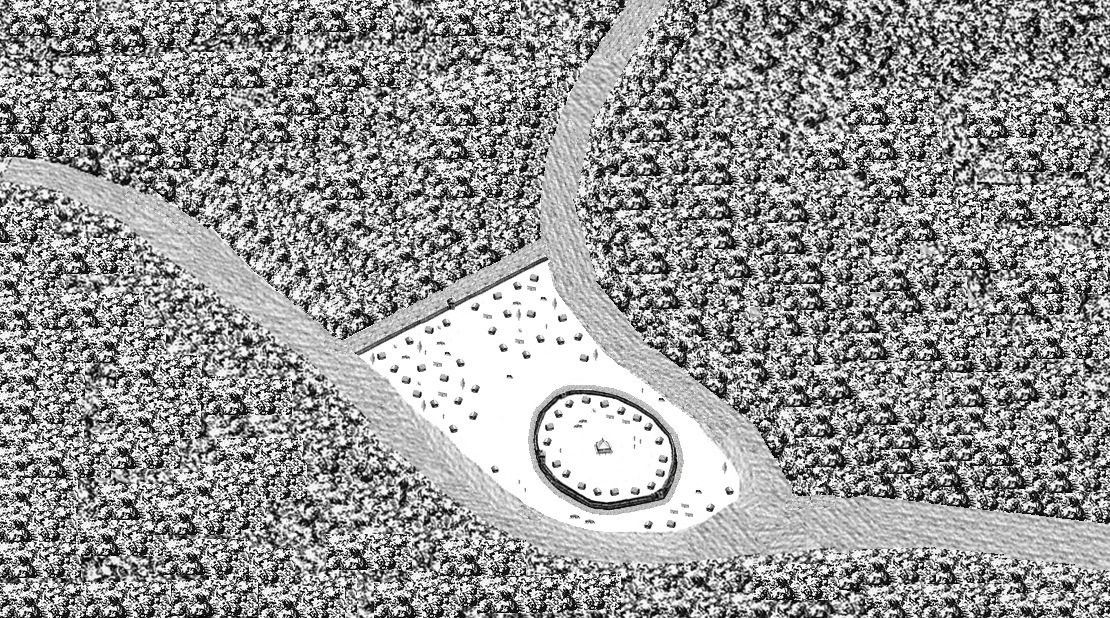
Medieval Slavic settlement with fortifications.
Kyffhausen Castle
Medieval castle ruin with Neolithic origins
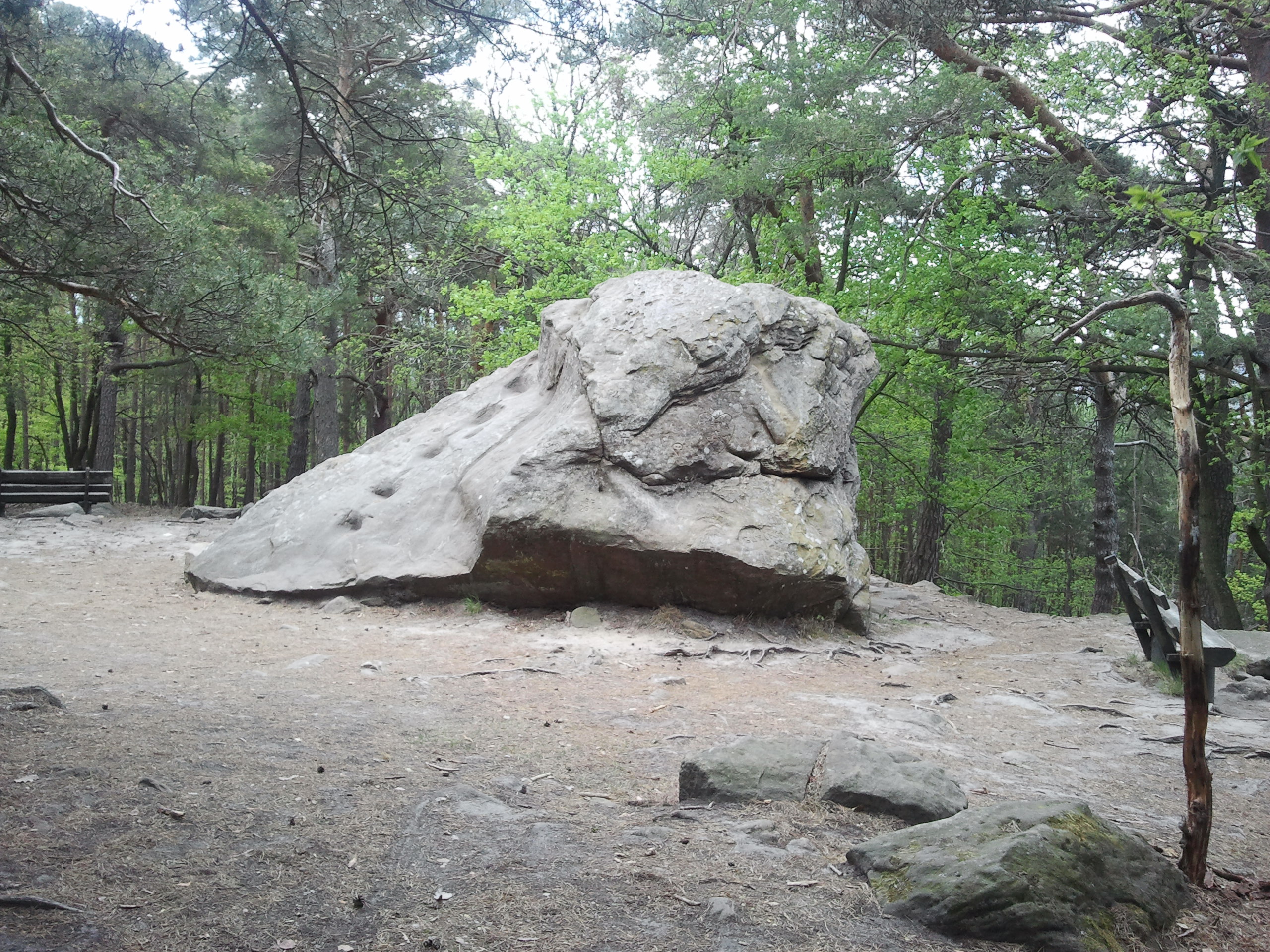
Teufelsstein (Haardt)
Monolith with Celtic and Roman carvings