Explore the Map
Ancient Thera
36.3646° N, 25.4779° E
About
Ancient Thera (Greek: Αρχαία Θήρα) is the name of an archaeological site from classical antiquity on the island of Santorini, which sits on the top of a limestone hill called Mesa Vouno. Starting in 1895, Friedrich Hiller von Gaertringen systematically investigated the city until 1904. Later excavations by N. Zapheiropoulos between 1961 and 1982, under the auspices of the Archaeological Society of Athens, unearthed the city's necropolis in Sellada. Findings from these excavations are on exhibit at the archaeological museum in Fira. Excavation work continued between 1990 and 1994 under the leadership of Wolfram Hoepfner of the Free University of Berlin and resulted in a more precise understanding of the history of the southern Aegean. Ancient Thera is open to the public and can be reached on a winding road that starts at Kamari or several footpaths from both sides of the mountain.
Historical Timeline
Journey through time and discover key events in this site's history
Earliest archaeological evidence
9th century BCE
Seven-year drought and Cyrenaica colonisation
c. 630 BCE
Coin hoard indicating trade links
6th century BCE
Ptolemaic garrison established
3rd century BCE
Ptolemaic fleet withdrawn
c. 145 BCE
Integration into Roman province of Asia
1st century BCE
Gap in reports during Roman dissolution
3rd century CE
Byzantine mention and later decline
5th century CE
Eruption and abandonment
726 CE
Early excavations
1895–1904
Sellada necropolis unearthed
1961–1982
Modern study and reassessment
1990–1994
Archaeological Features
Unique architectural and cultural elements found at this historical site
Military Installations
Water Management Features
Public and Civic Structures
Burial and Funerary Structures
Religious and Ritual Structures
Artistic and Decorative Features
Agricultural and Land Use Features
Domestic and Habitation Structures
Transportation and Communication Structures
Frequently Asked Questions
Plan Your Visit
Tours, travel arrangements, and practical information


More Sites in Greece
Dodona
Ancient Hellenic oracle in Epirus, northwestern Greece
Philippi
Roman and early-Christian city in Greek Macedonia
Lower Larymna
Ruins of ancient Boeotian port city
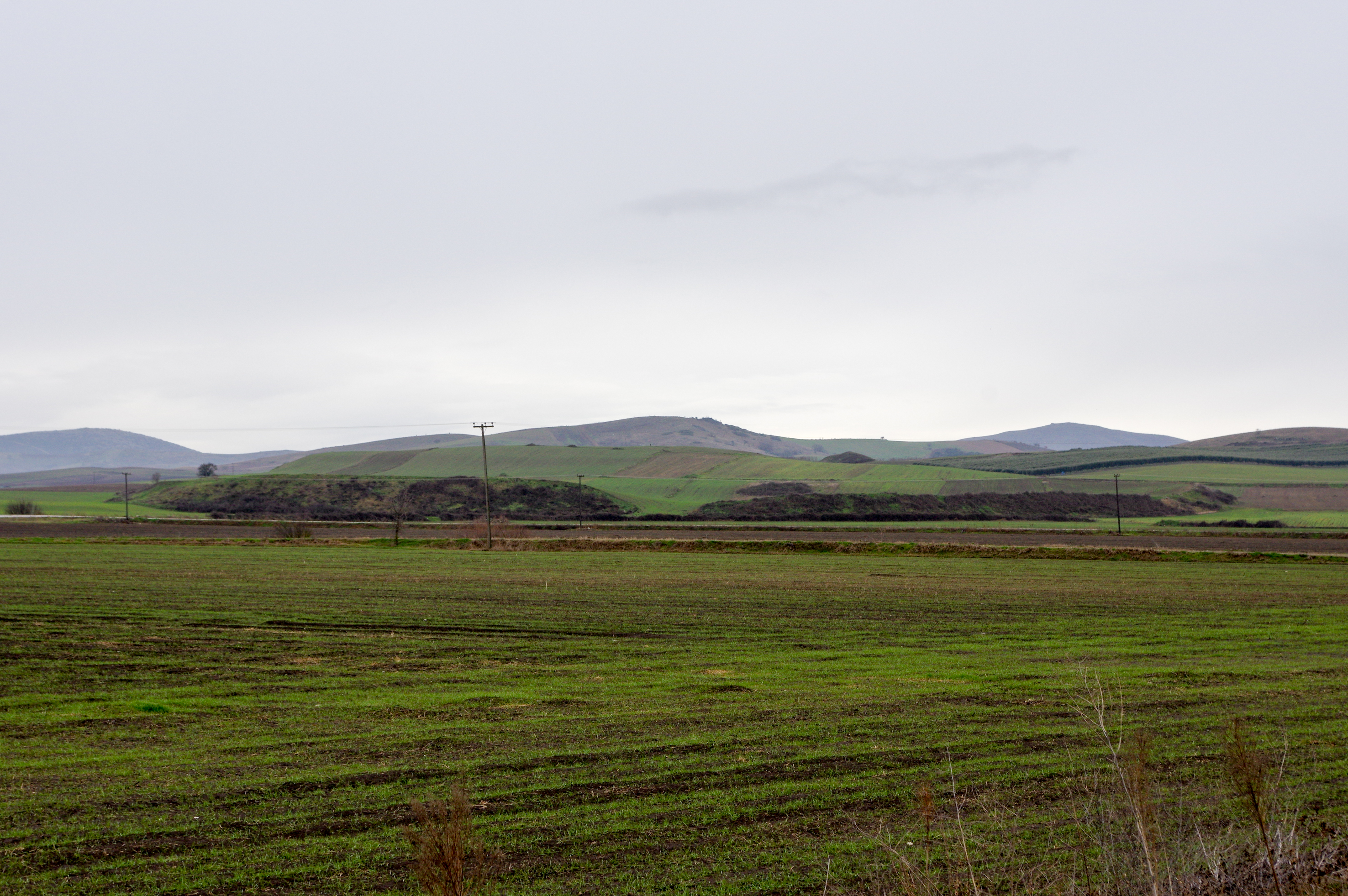
Cranon
Ancient fortified city in Thessaly, Greece.
Temple of Sangri
Late Archaic Ionic temple, Naxos (6th century BCE)
Lappa (Crete)
Ancient Greek city in Crete