Explore the Map
Lower Larymna
38.5660° N, 23.2880° E
About
Lower Larymna, an ancient town in Boeotia, played a significant role as a port city on the river Cephissus. Originally split as Upper Larymna in the region of Opuntian Locris and eventually annexed by the Romans, the area became a strategic communication hub with the eastern sea. The town's ruins, referred to as Kastri, indicate its prominence with defensive walls constructed of red soft stone, now corroded by the sea. Lower Larymna's strategic importance grew after joining the Boeotian League in 230 BCE, enhancing its port's role in regional trade. The site reflects the complex socio-political shifts in ancient Greece, from Locrian origins to integration into Boeotian and Roman domains.
Historical Timeline
Journey through time and discover key events in this site's history
Locrian Upper Larymna established
600 BCE
Joined Boeotian League
230 BCE
Annexation by Romans
200 BCE
Archaeological Features
Unique architectural and cultural elements found at this historical site
Defensive Structures
Water Management Features
Domestic and Habitation Structures
Frequently Asked Questions
Plan Your Visit
Tours, travel arrangements, and practical information
More Sites in Greece
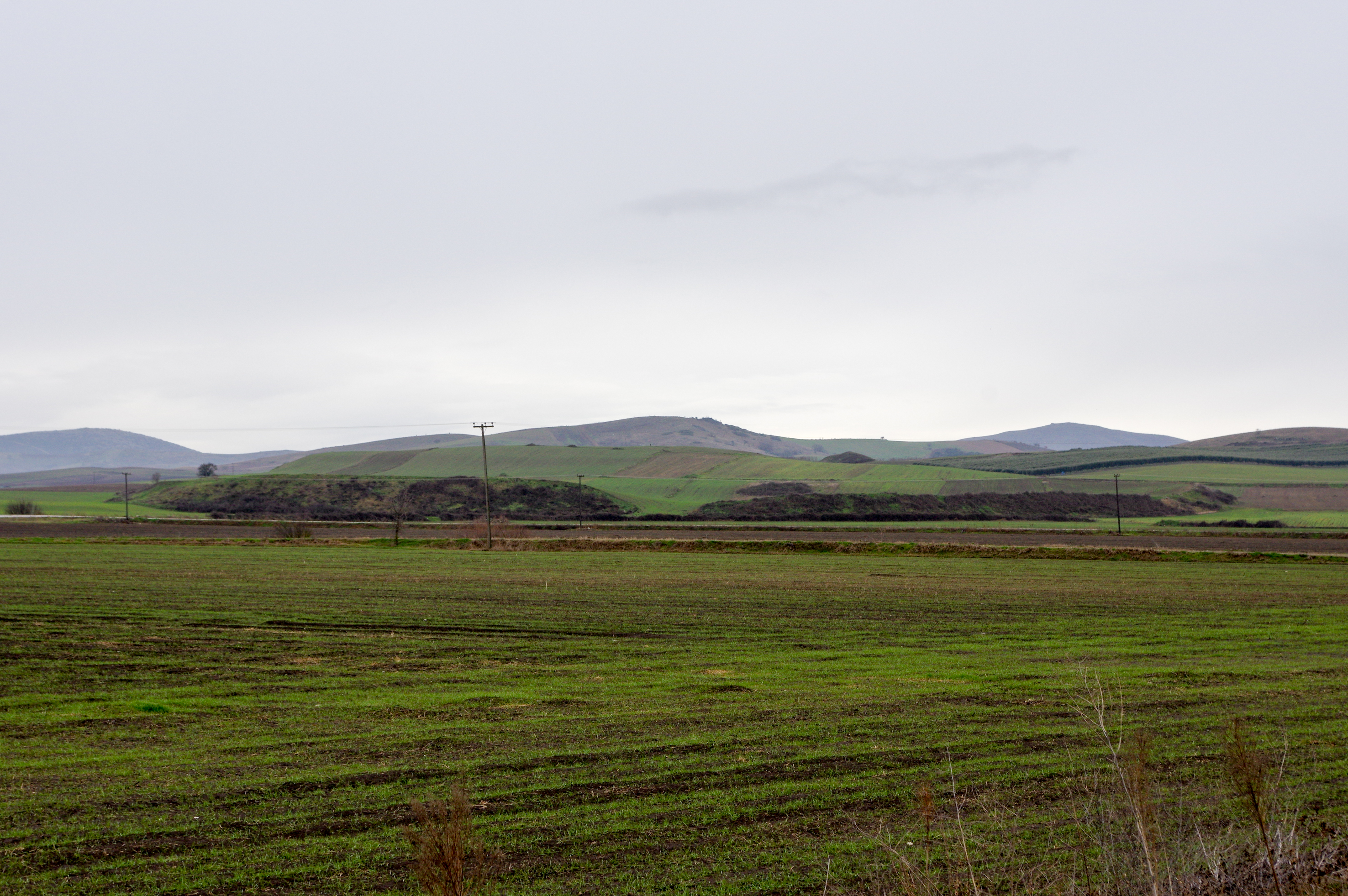
Cranon
Ancient fortified city in Thessaly, Greece.
Dodona
Ancient Hellenic oracle in Epirus, northwestern Greece
Delphi
Ancient Greek sanctuary, 6th century BC
Necromanteion of Acheron
Greek necromancy temple site, Epirus (Greece)
Lappa (Crete)
Ancient Greek city in Crete
Petsofas
Minoan peak sanctuary in eastern Crete