Time Periods
Paleolithic
Mesolithic
Neolithic
Chalcolithic
Bronze Age
Iron Age
Classical Period
Post-Classical Period
Early Modern Period
Industrial Period
Contemporary Period
Time Periods
Paleolithic
Mesolithic
Neolithic
Chalcolithic
Bronze Age
Iron Age
Classical Period
Post-Classical Period
Early Modern Period
Industrial Period
Contemporary Period
Location
About
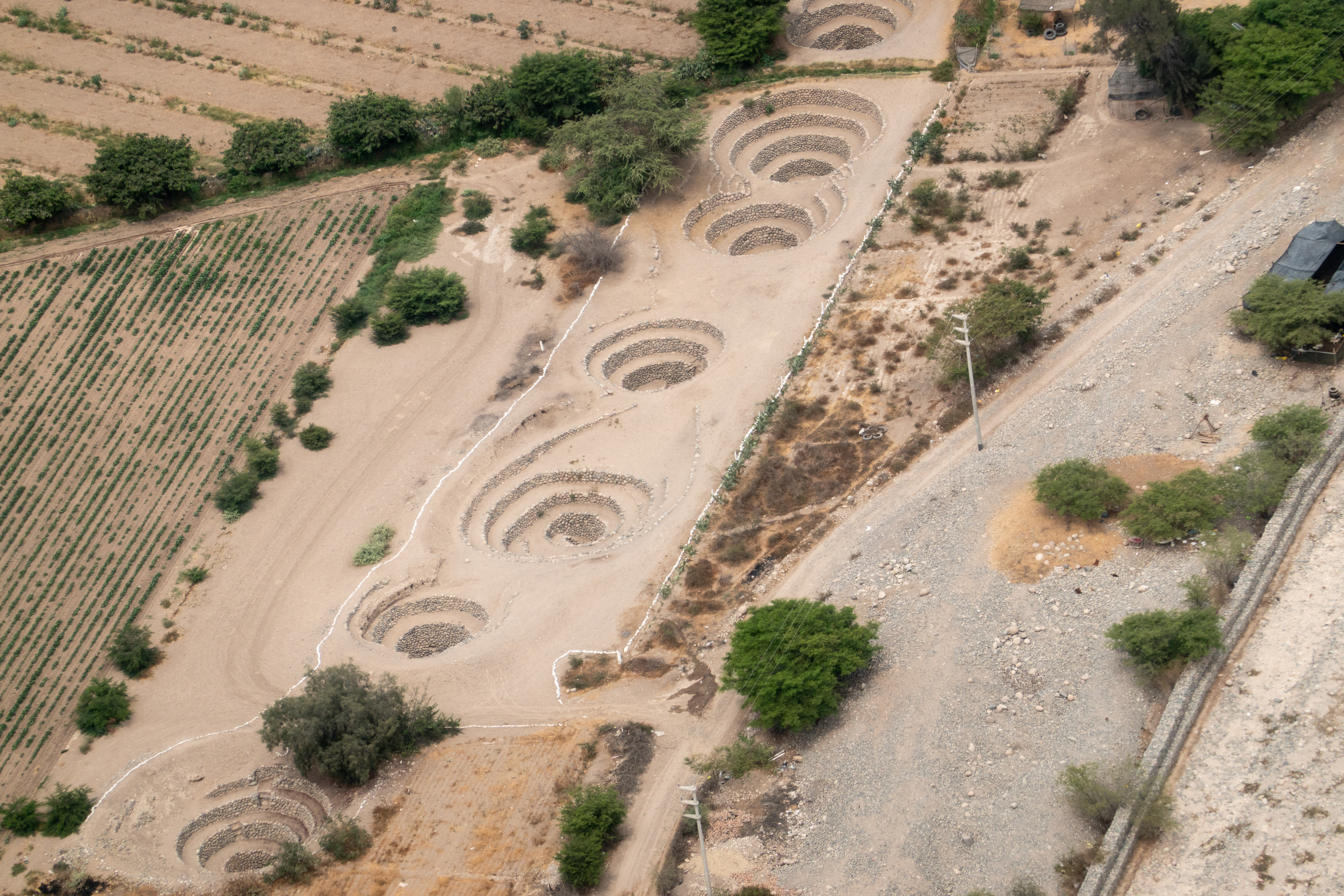
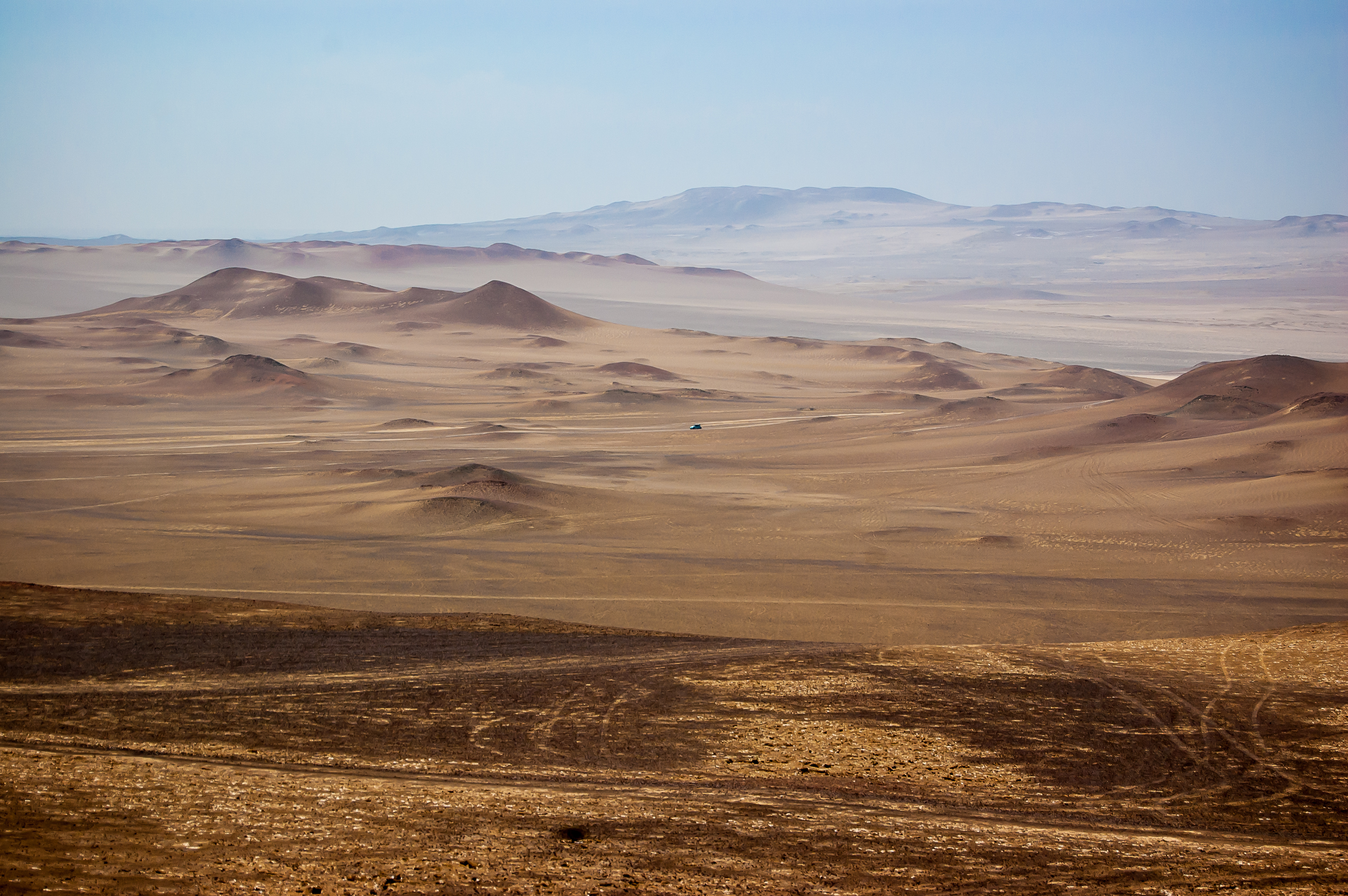
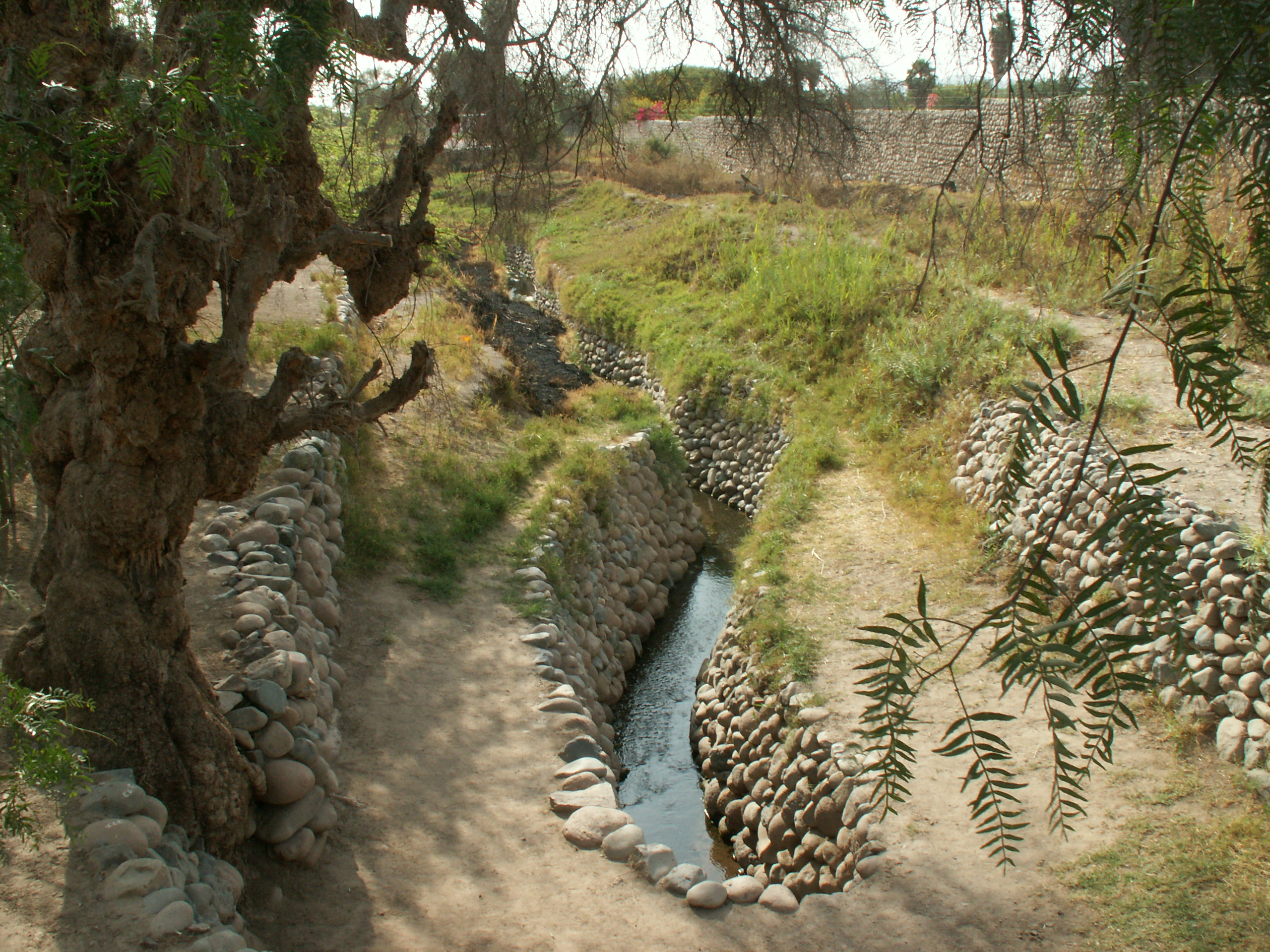
The puquios are ancient subterranean aqueduct systems located in the coastal deserts of southern Peru, particularly in the Nazca region, and northern Chile. These structures were ingeniously designed to transport water over long distances in arid climates, minimizing evaporation. The puquios of the Nazca region are of particular archaeological interest due to their association with the pre-Columbian Nazca culture, which thrived from 100 BCE to 800 CE. Although the exact dating is debated, most scholars believe these systems were constructed around 500 CE. The puquios enabled significant settlement and agricultural activities in this arid region. Their design is comparable to the qanats found in Iran and other ancient civilizations. Despite modern challenges, some puquios remain in use, highlighting their enduring legacy in water management.
Gallery
Explore photographs of ancient structures, artifacts, and archaeological excavations at Puquios
Archaeological Features
Explore the unique architectural and cultural elements found at this historical site
Water Management Features
Transportation and Communication Structures
Historical Timeline
Journey through time and discover key events in this site's archaeological history
Plan Your Visit
Details
- Country
- Ica Region
- Source
- Wikipedia
More Sites in Ica Region
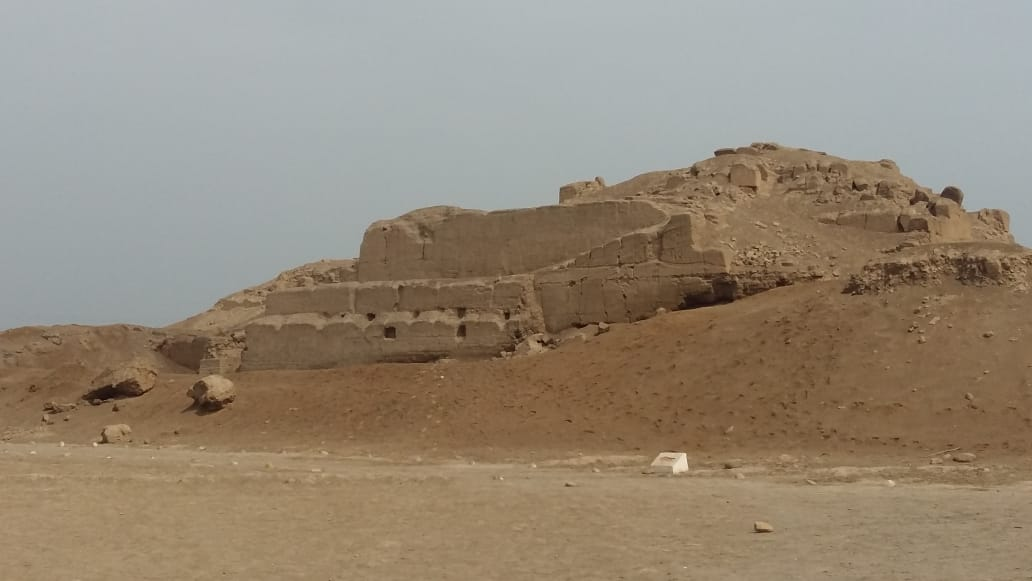
La Centinela
Adobe pyramids in Chincha Valley, Peru.
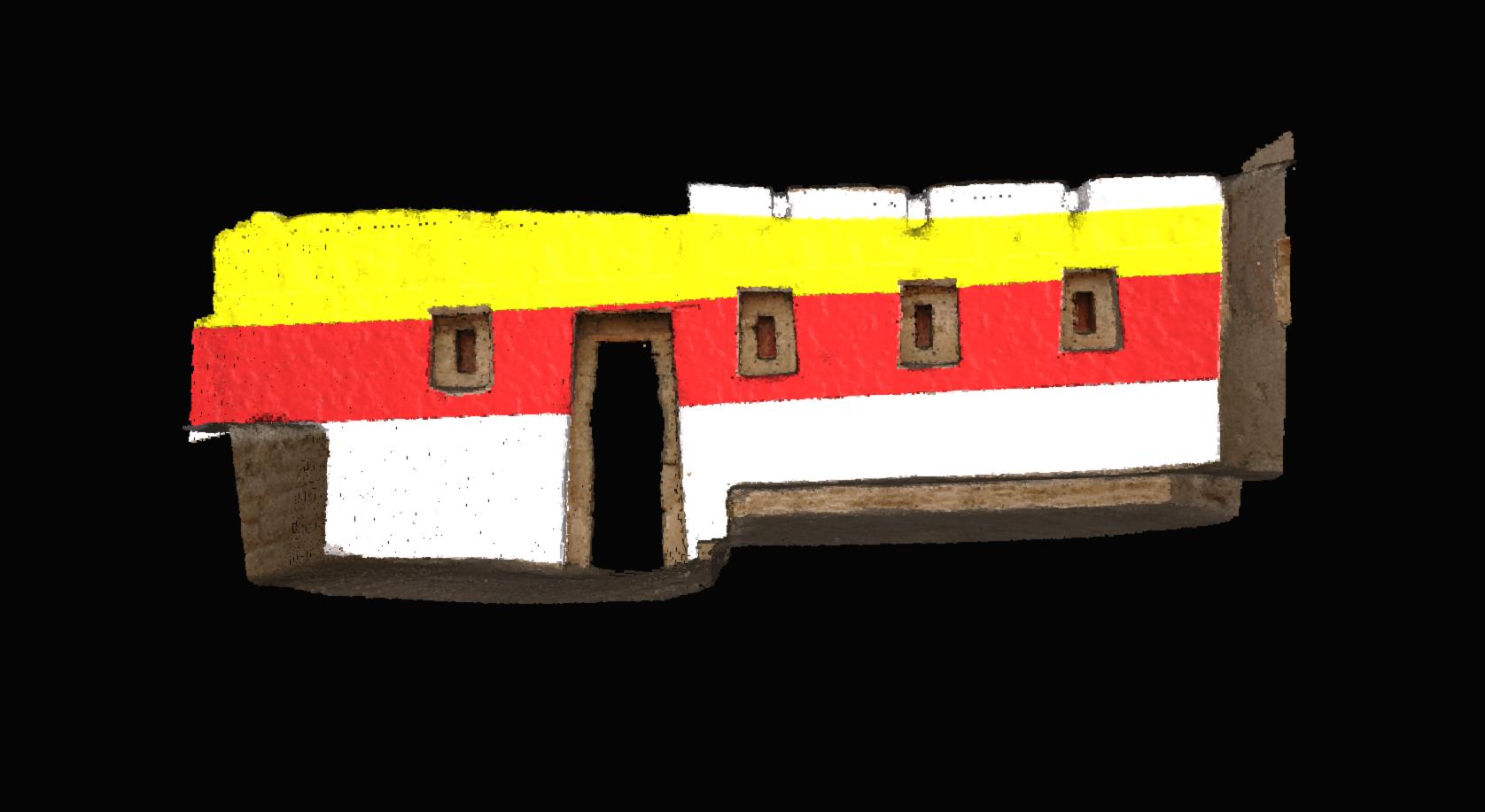
Tambo Colorado
Inca adobe complex with colorful walls
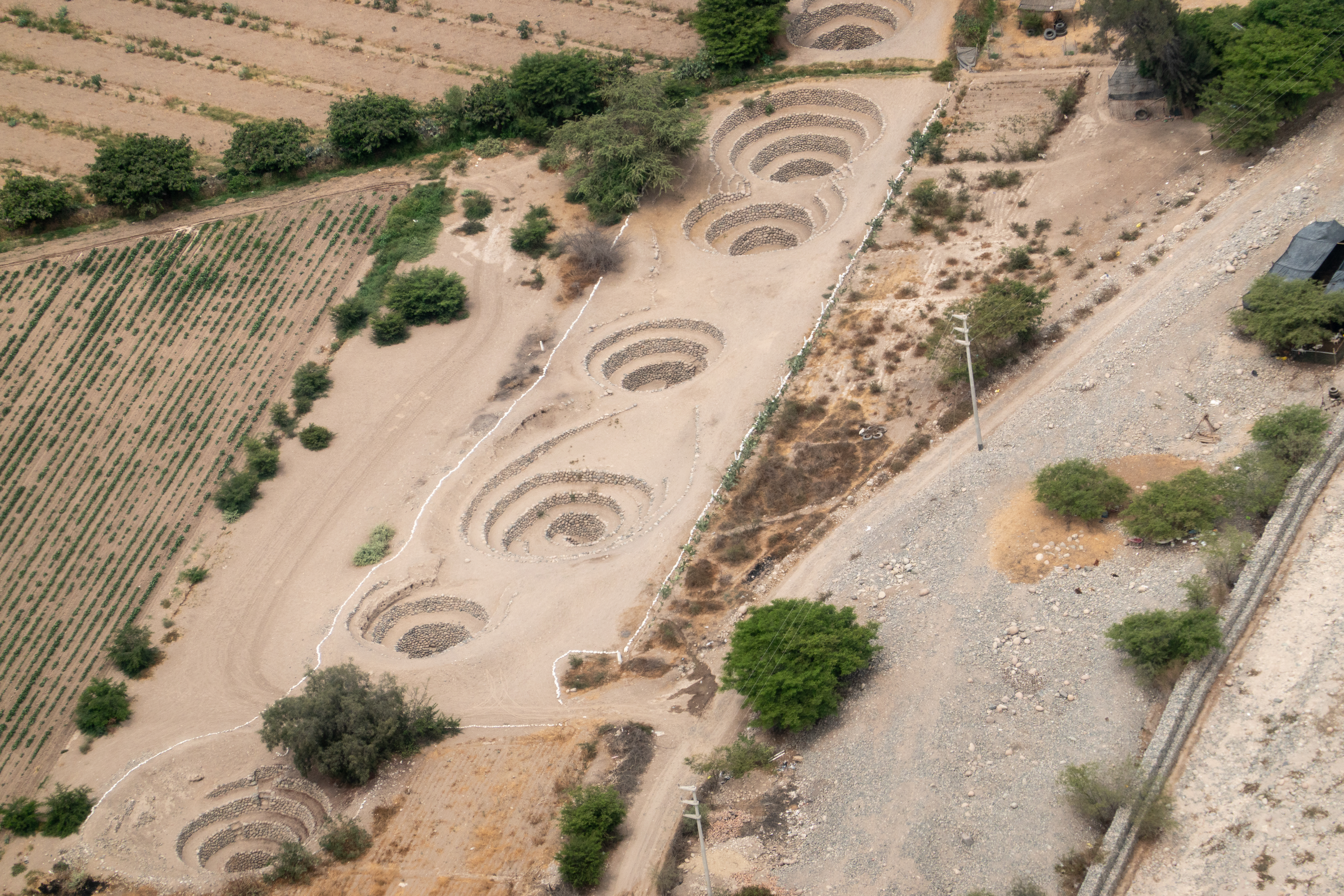
Cantalloc Aqueducts
Ancient Nazca culture water management system.

Pernil Alto
Oldest inland sedentary village in Andes
Huayuri
Explore this archaeological site.
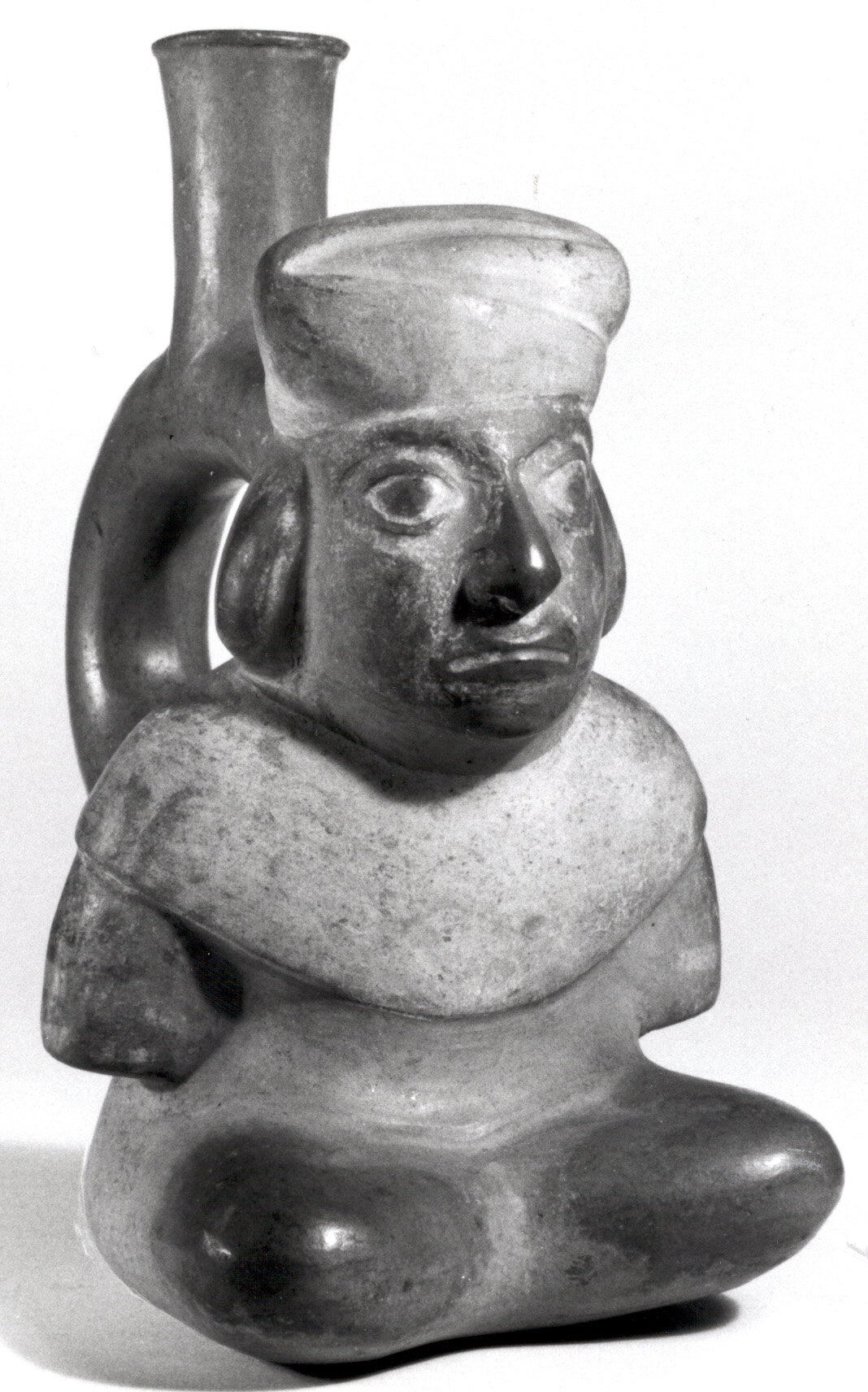
Paracas Candelabra
Large prehistoric geoglyph on Paracas Peninsula