Explore the Map
Daimabad
19.5103° N, 74.7008° E
About
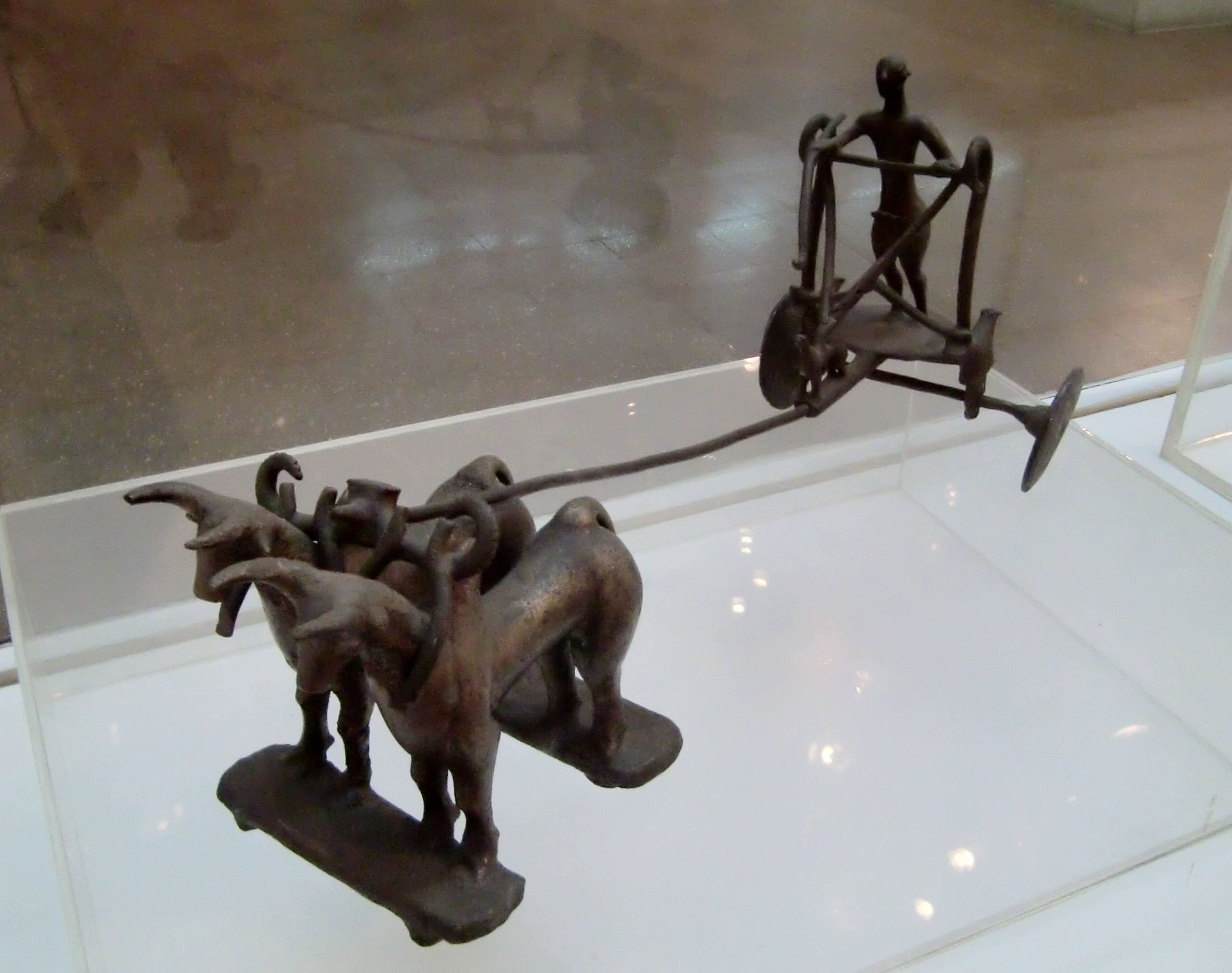
The archaeological site of Daimabad, located in Maharashtra, India, reveals a complex history of occupation spanning several Chalcolithic cultural phases. Initially occupied during the Savalda culture around 3000 BCE, the site exhibits characteristic mud houses and early craft activities. The Late Harappan phase, circa 2000 BCE, marks an expansion in settlement size and showcases influences from the Harappan civilization, including seals with Harappan script. Subsequent phases, such as the Daimabad culture, introduce unique burial practices and pottery styles. The Malwa phase sees the emergence of religious structures, while the Jorwe phase highlights a flourishing community with specialized crafts and fortified structures. The site is renowned for its bronze artifacts, including a hoard discovered in 1974, adding significant insight into the technological and cultural exchanges during the Bronze Age.
Gallery
Explore photographs of ancient structures, artifacts, and archaeological excavations
Historical Timeline
Journey through time and discover key events in this site's history
Phase I: Savalda culture
c. 3000 BCE
Phase II: Late Harappan culture
c. 2000 BCE
Phase III: Daimabad culture
c. 1800 BCE
Phase IV: Malwa culture
c. 1500 BCE
Phase V: Jorwe culture
c. 1200 BCE
Archaeological Features
Unique architectural and cultural elements found at this historical site
Defensive Structures
Burial and Funerary Structures
Industrial and Craft Structures
Religious and Ritual Structures
Artistic and Decorative Features
Domestic and Habitation Structures
Food Production and Processing Features
Frequently Asked Questions
Plan Your Visit
Tours, travel arrangements, and practical information
More Sites in India
Dihar
Chalcolithic village site and twin temples, West Bengal
Loteshwar
Indus Valley archaeological site, Mesolithic–Chalcolithic Gujarat
Devankuruchi
Megalithic habitation site and medieval temple, Tamil Nadu
Kuntasi
Indus Valley port town in Gujarat, 2200–1700 BCE
Bangarh
Ancient city in West Bengal, India
Mallikarjuna Temple, Srisailam
Hindu temple complex in Andhra Pradesh, India