
Explore the Map
Sujata Stupa
24.6976° N, 85.0045° E
About
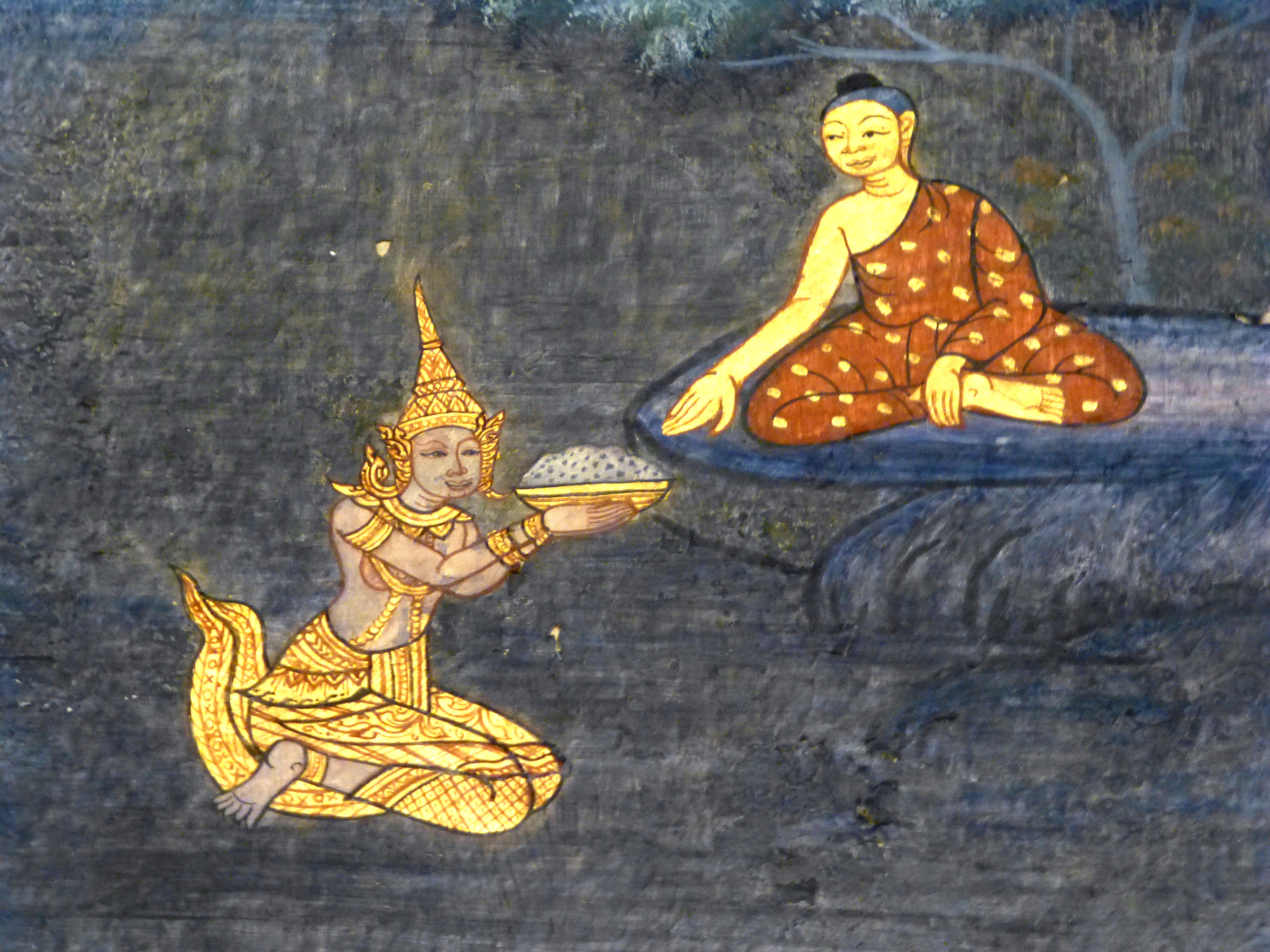
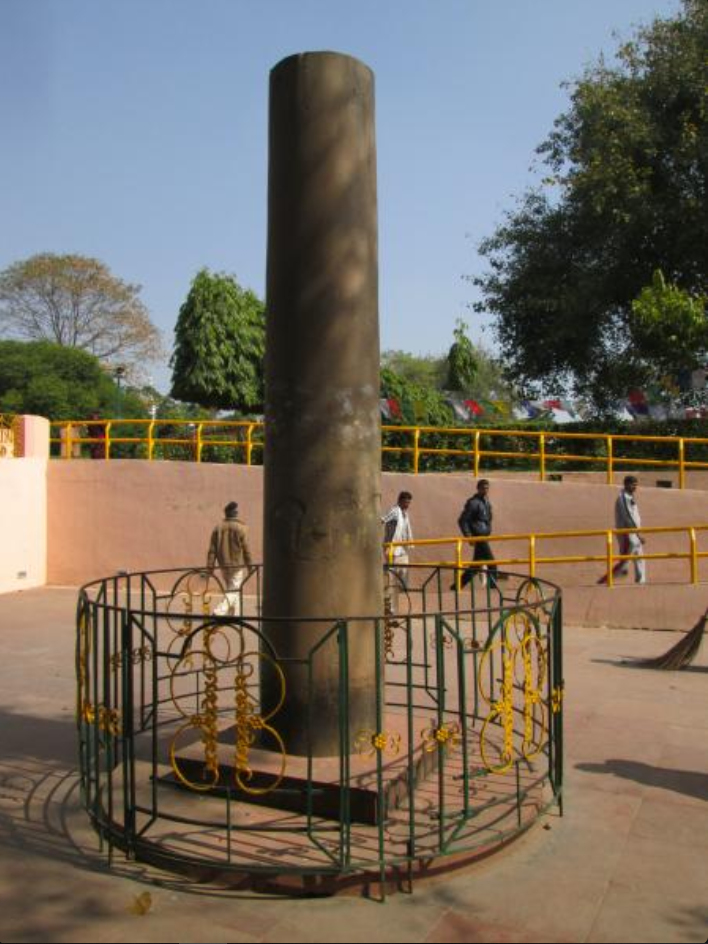
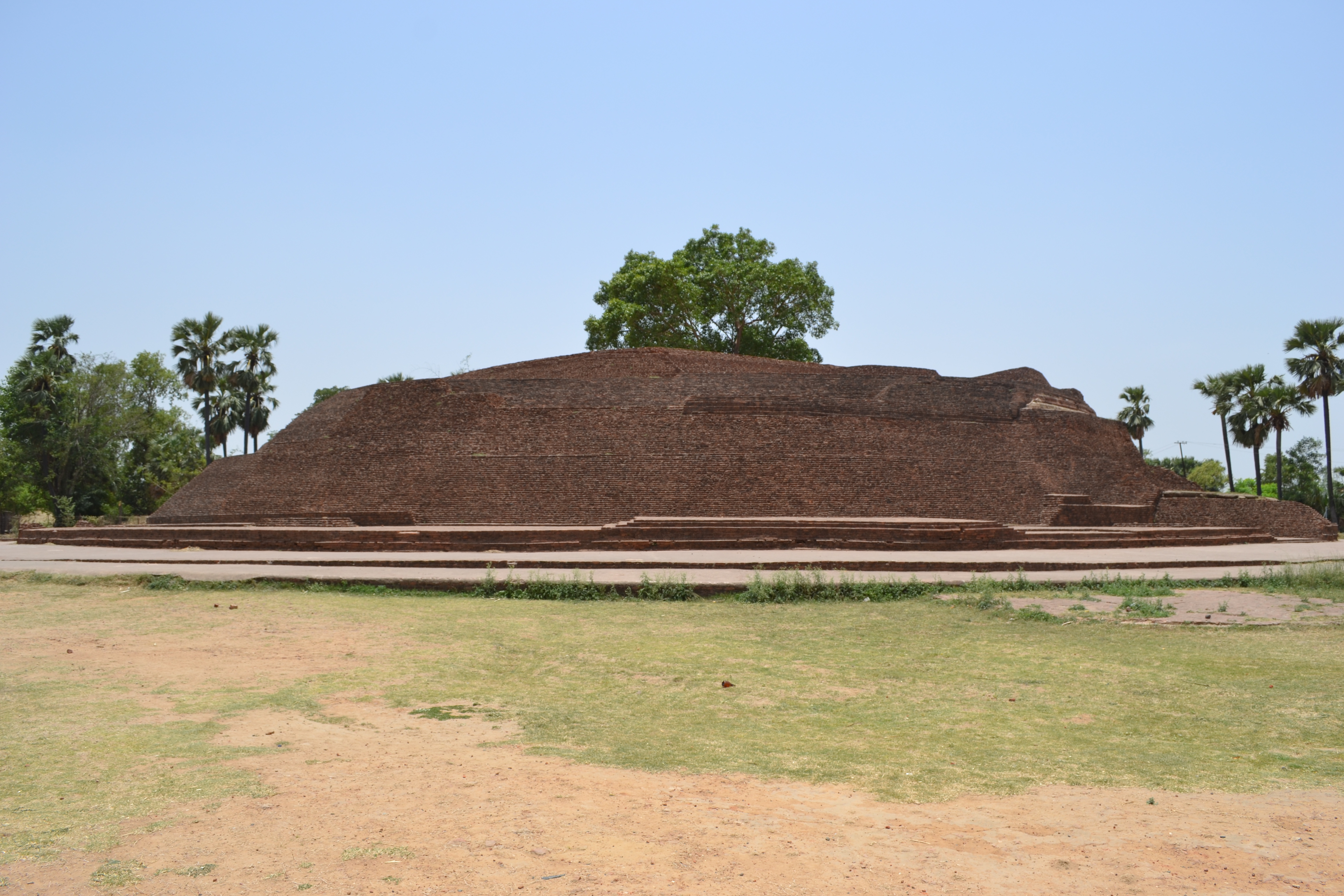
The Sujata Stupa, located in Senanigrama (Bakraur) near Bodh Gaya, Bihar, India, is an archaeological site of significant religious importance. Originally constructed in the 2nd century BCE, the stupa is a tribute to Sujata, the milkmaid who is said to have offered Gautama Buddha milk and rice, enabling him to attain enlightenment. The site has undergone several phases of construction and enlargement, with a notable phase attributed to the 9th-century Pala dynasty under King Devapala, as indicated by an inscription found during excavations. Once adorned with a pillar of Ashoka, the stupa is an essential part of the Buddhist heritage landscape around Bodh Gaya, reflecting the enduring influence of Buddhism in the region.
Gallery
Explore photographs of ancient structures, artifacts, and archaeological excavations
Historical Timeline
Journey through time and discover key events in this site's history
Initial Construction
200 BCE
Devapala Phase
800 CE
Archaeological Features
Unique architectural and cultural elements found at this historical site
Religious and Ritual Structures
Artistic and Decorative Features
Frequently Asked Questions
Plan Your Visit
Tours, travel arrangements, and practical information
More Sites in India
Devankuruchi
Megalithic habitation site and medieval temple, Tamil Nadu
Dihar
Chalcolithic village site and twin temples, West Bengal
Keezhadi excavation site
Sangam-period settlement in Tamil Nadu, 6th–3rd century BCE
Thirupparankundram Rock-cut Cave and Inscription
Shaiva rock-cut temple, 8th–13th century, Tamil Nadu
Mallikarjuna Temple, Srisailam
Hindu temple complex in Andhra Pradesh, India
Bangarh
Ancient city in West Bengal, India