Explore the Map
Sojiwan
-7.7608° N, 110.4958° E
About
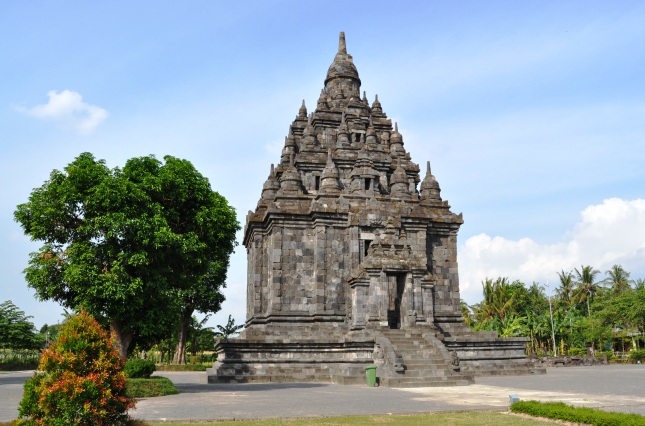
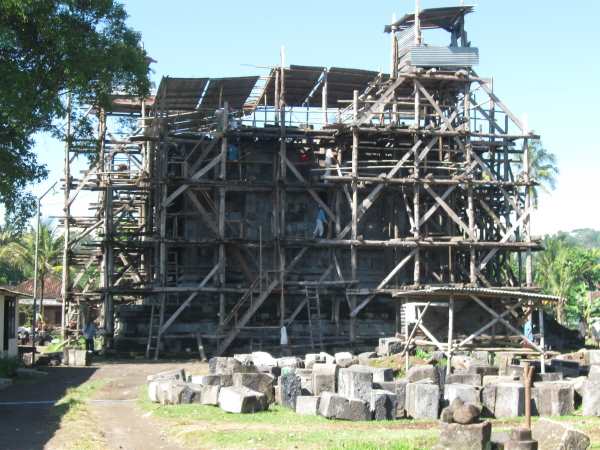
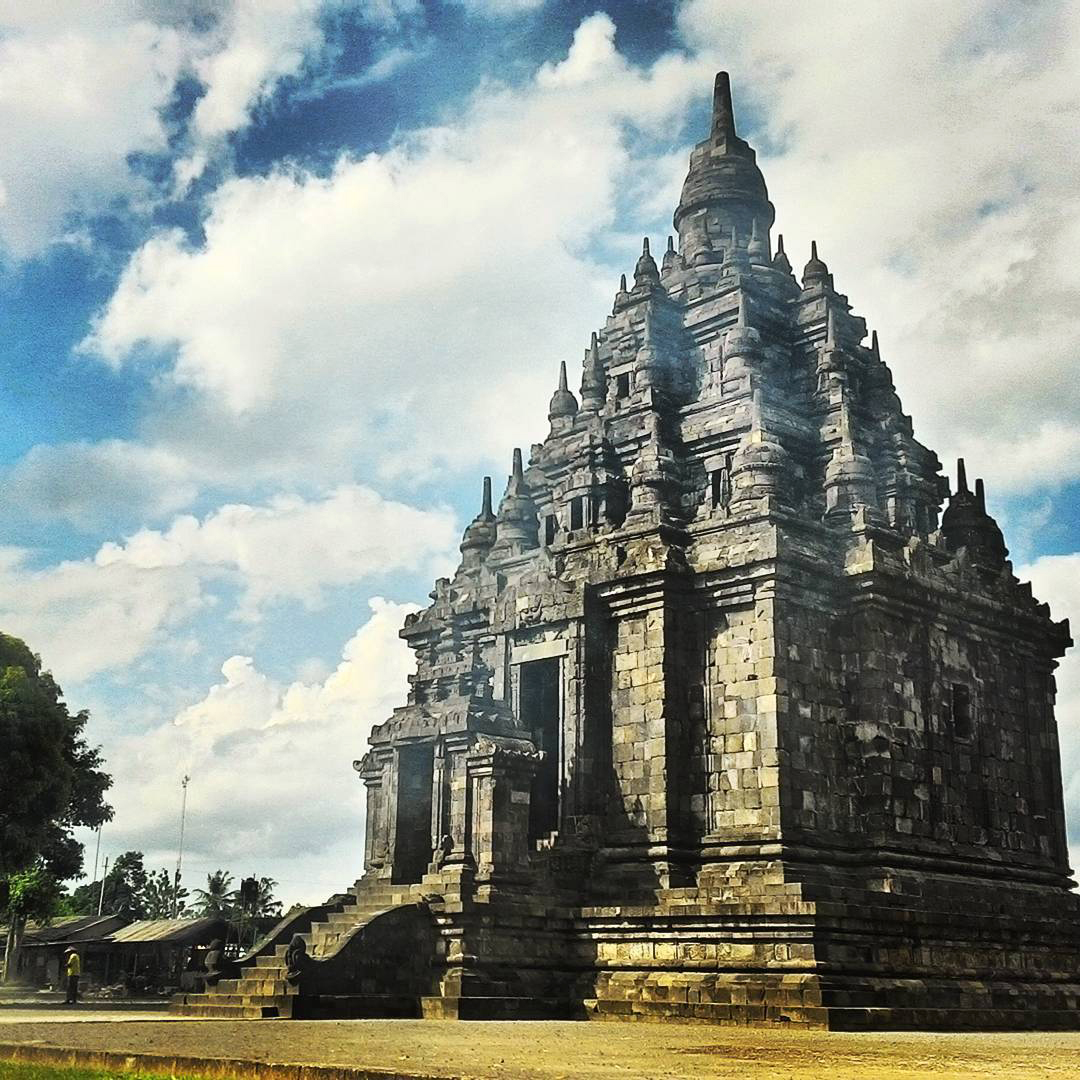
Sojiwan Temple, a significant archaeological site, is a 9th-century Mahayana Buddhist temple located in Central Java, Indonesia. Built between 842 and 850 CE, it is attributed to the reign of Queen Pramodhawardhani, as evidenced by the Rukam inscription. The temple is constructed from andesite stone and features architectural styles similar to the nearby Mendut Temple. It includes a main building with an inner chamber that originally housed Buddha and Bodhisattva statues, although these are no longer present. The temple's artistic significance is highlighted by its 20 bas-reliefs, which depict Buddhist stories from the Pancatantra and Jatakas, with 19 of these reliefs still intact. The site also includes a stone-paved causeway and was originally surrounded by two rows of walls, indicating its importance as a temple complex that likely included additional structures.
Gallery
Explore photographs of ancient structures, artifacts, and archaeological excavations
Historical Timeline
Journey through time and discover key events in this site's history
Construction of Sojiwan Temple
842-850 CE
Rukam Inscription
907 CE
Archaeological Features
Unique architectural and cultural elements found at this historical site
Religious and Ritual Structures
Artistic and Decorative Features
Transportation and Communication Structures
Frequently Asked Questions
Plan Your Visit
Tours, travel arrangements, and practical information

More Sites in Indonesia
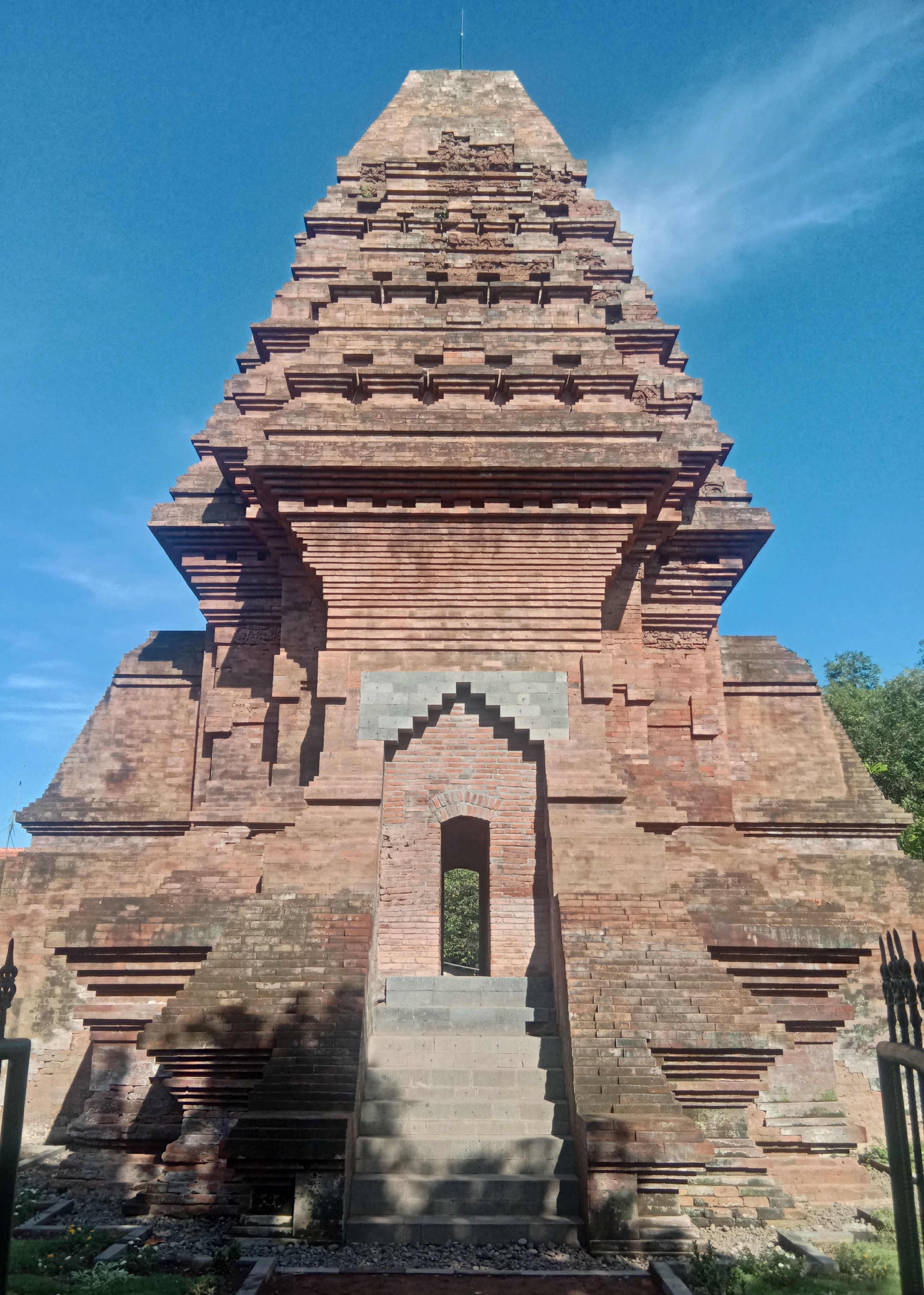
Dermo Temple
14th-century Hindu-Buddhist temple gate.
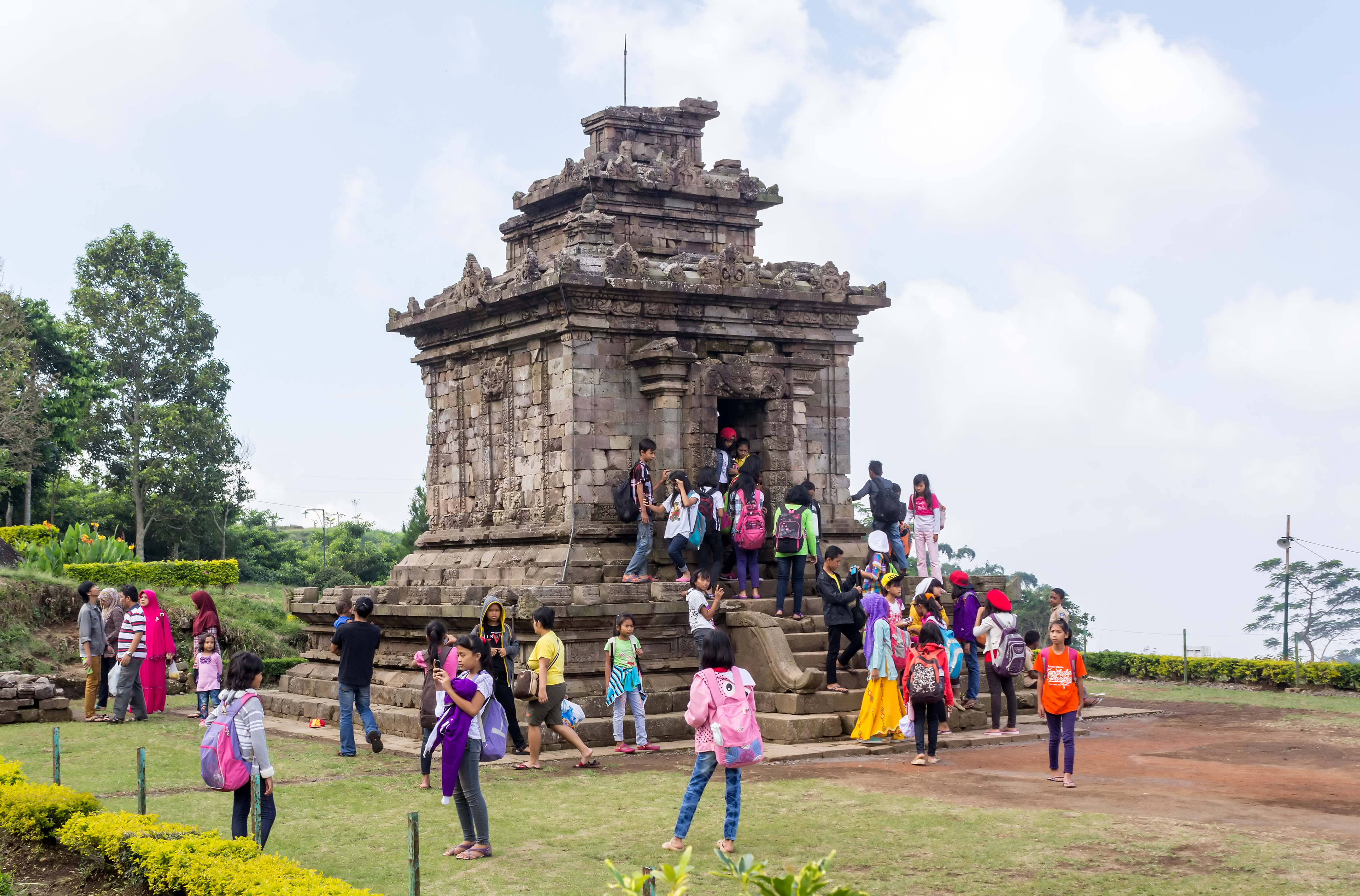
Gedong Songo
Hindu temples with Indian architectural influence.
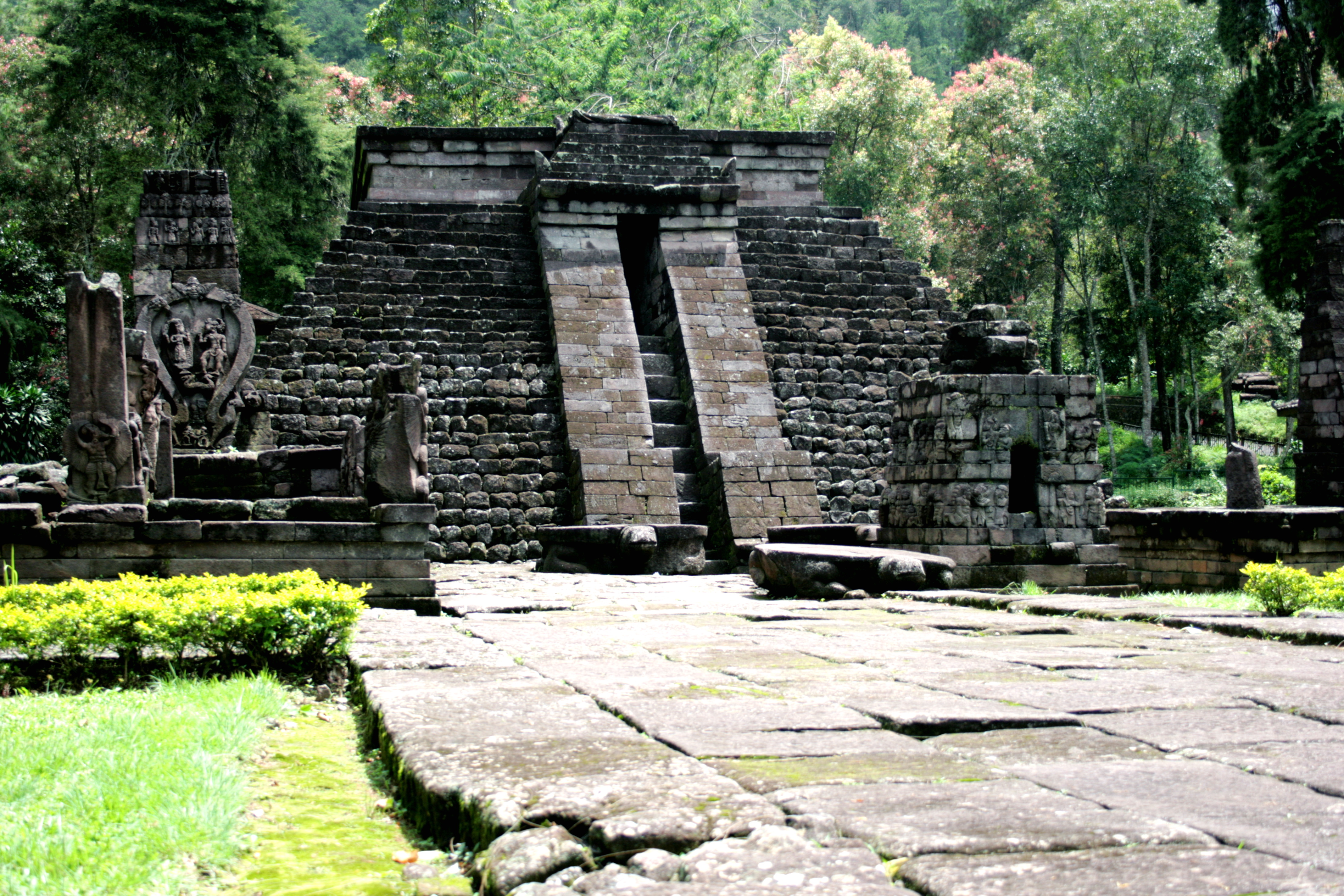
Sukuh
15th-century Javanese-Hindu pyramid temple
Bojongmenje
7th-century Hindu temple ruins in Java.
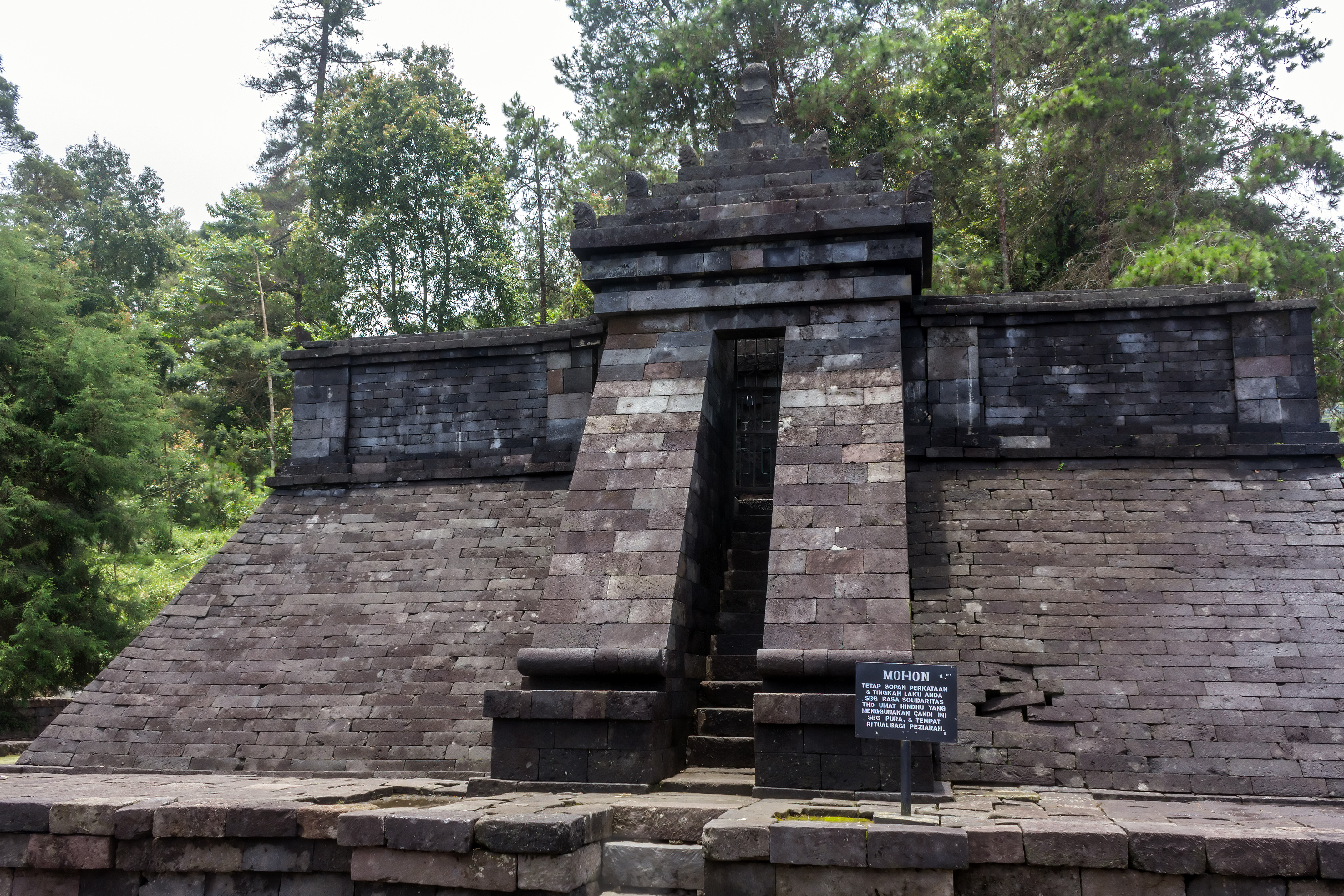
Ceto Temple
Fifteenth-century Javanese-Hindu temple on Mount Lawu.
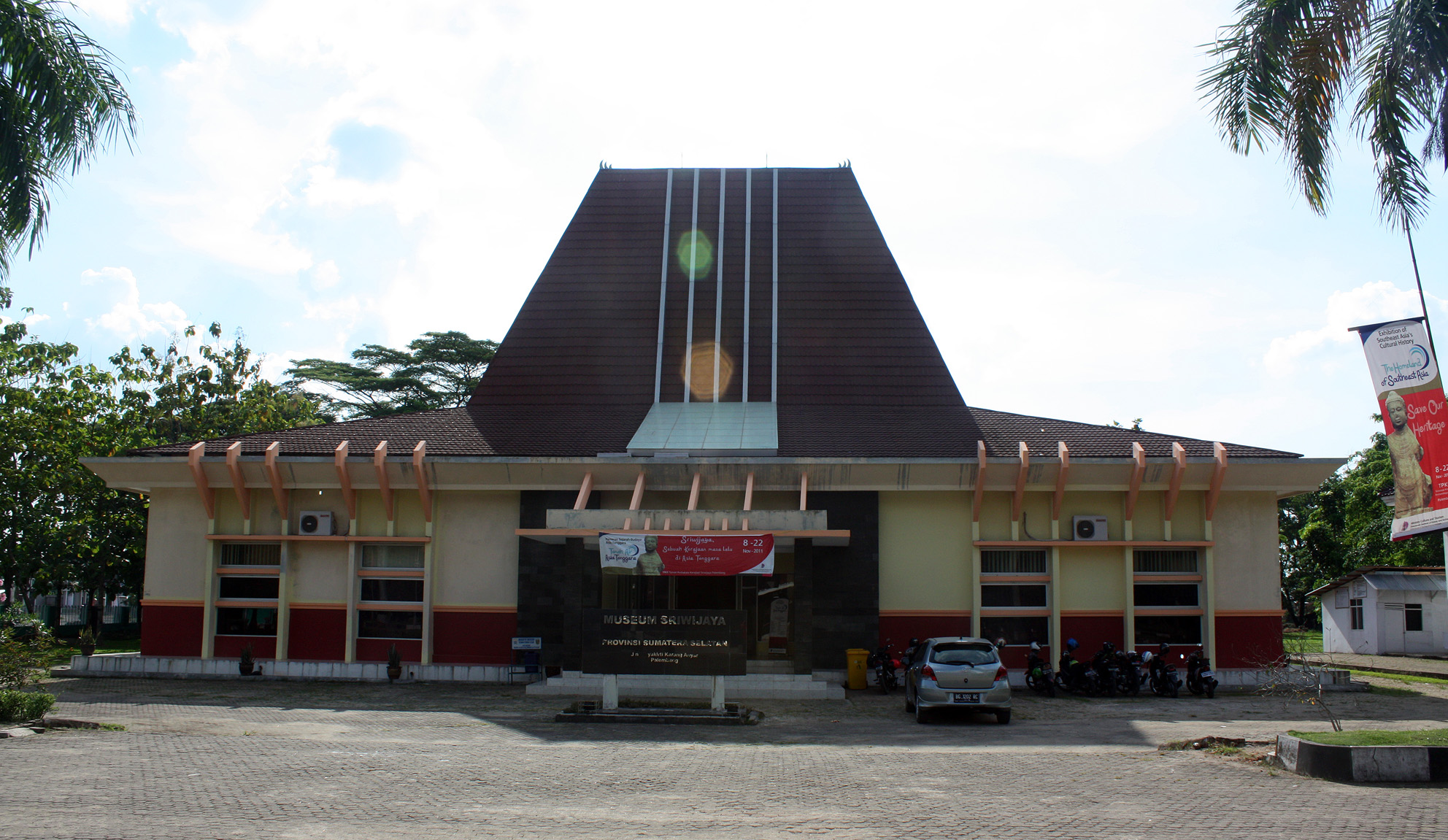
Sriwijaya Kingdom Archaeological Park
Ancient habitation with canals and ponds.