Explore the Map
Bahal temple
1.4056° N, 99.7306° E
About
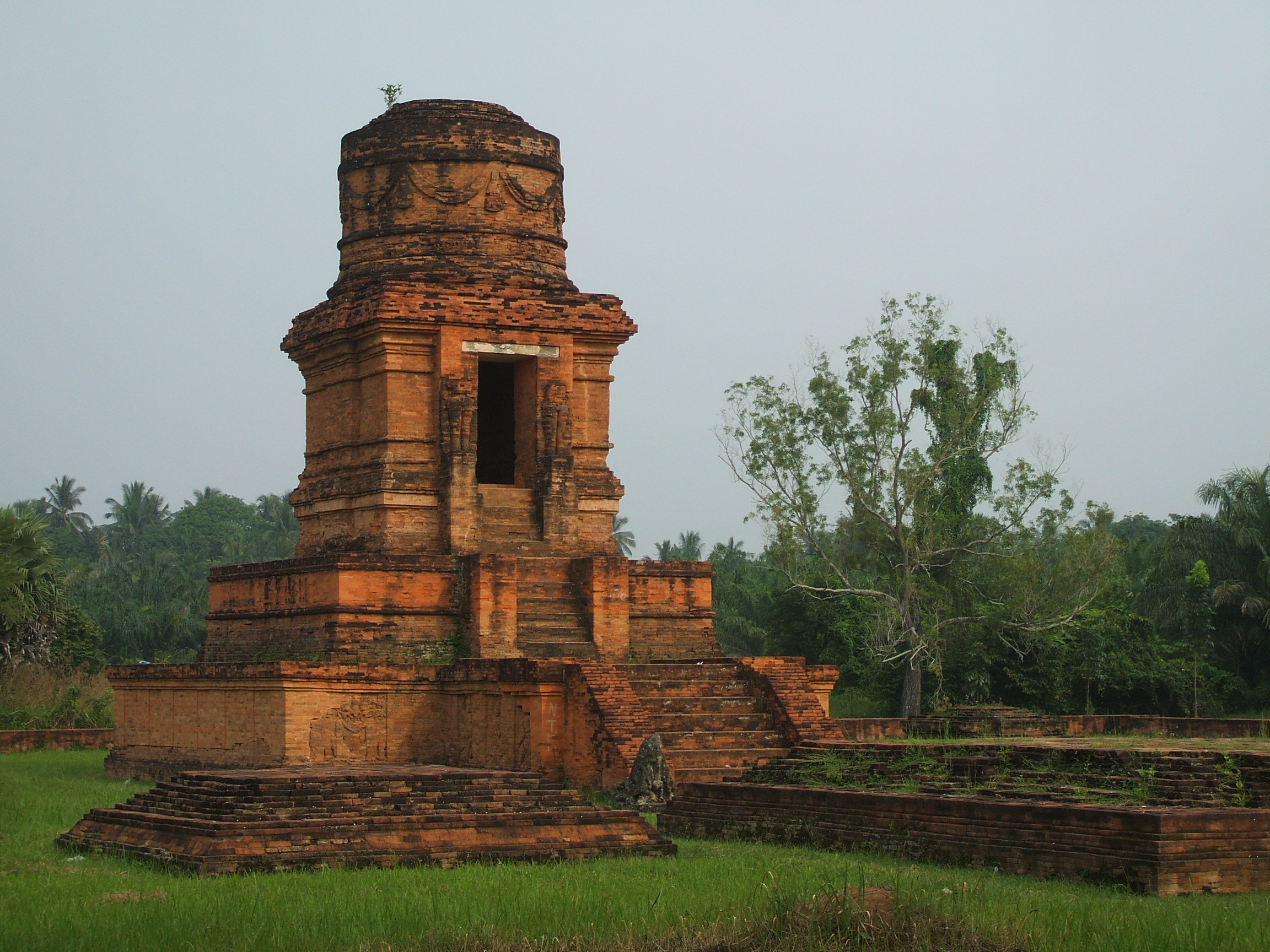
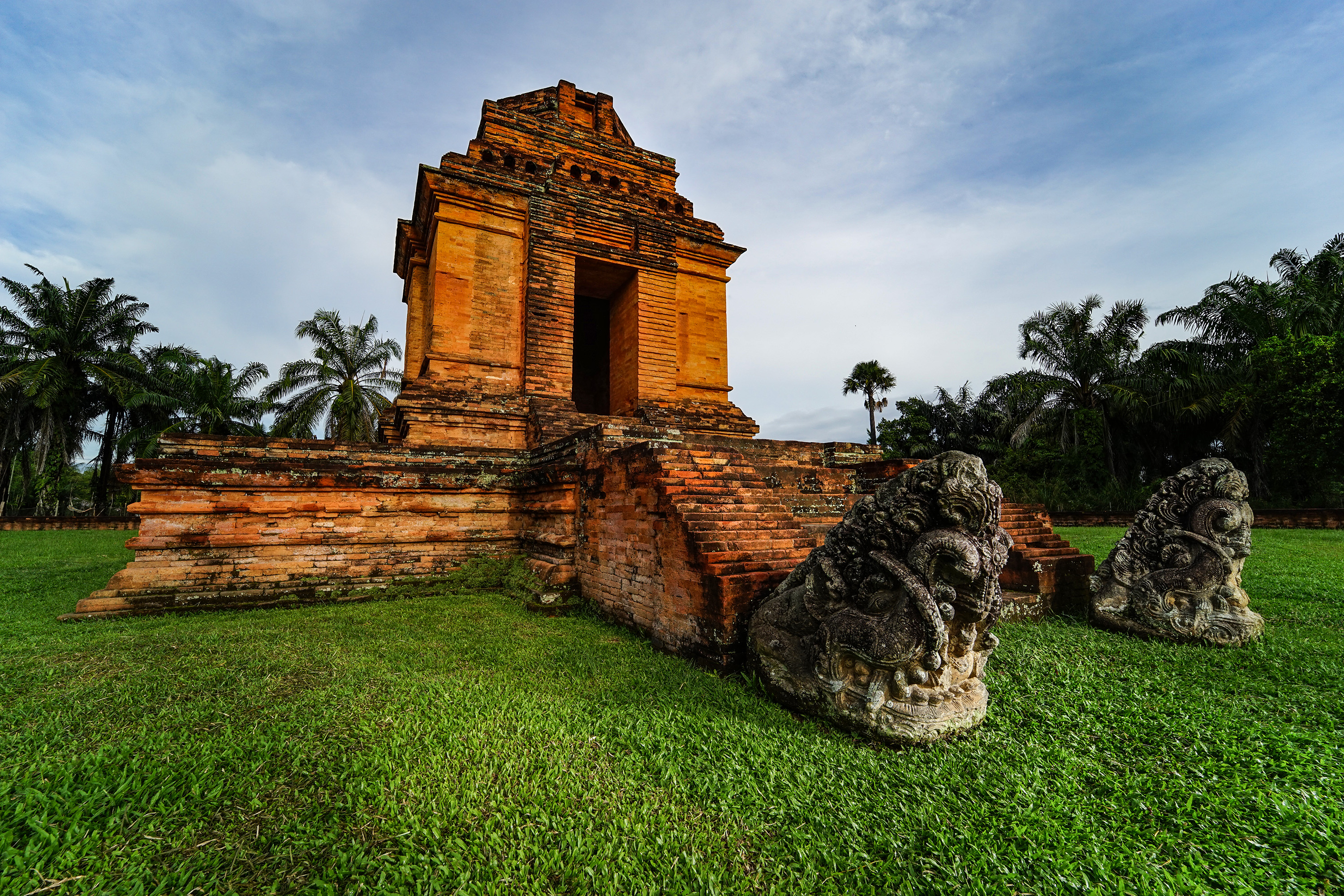
Candi Bahal, located in Bahal village, North Sumatra, Indonesia, is a significant archaeological site comprising a Vajrayana Buddhist temple complex from the Late Post-Classical Period. The complex features three red brick temples: Candi Bahal I, II, and III. It is associated with the Pannai Kingdom and dates back to the 11th to 13th century CE. The temples are notable for their architectural resemblance to Nepalese Vajrayana temples and Sri Lankan carvings. Despite being the largest temple complex in North Sumatra, Candi Bahal and the surrounding Padang Lawas temples are relatively neglected due to their remote location. Restoration efforts have been made on some temples, highlighting their historical and cultural significance. The site's architecture and connections provide valuable insights into the spread of Vajrayana Buddhism and the cultural exchanges across Asia during this period.
Gallery
Explore photographs of ancient structures, artifacts, and archaeological excavations
Historical Timeline
Journey through time and discover key events in this site's history
Construction of Candi Bahal
11th to 13th century CE
Archaeological Features
Unique architectural and cultural elements found at this historical site
Religious and Ritual Structures
Frequently Asked Questions
Plan Your Visit
Tours, travel arrangements, and practical information
More Sites in Indonesia
Sriwijaya Kingdom Archaeological Park
Ancient habitation with canals and ponds.
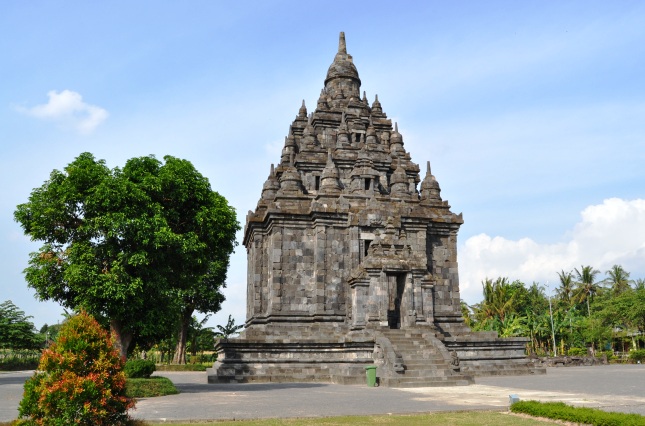
Sojiwan
9th-century Mahayana Buddhist temple complex
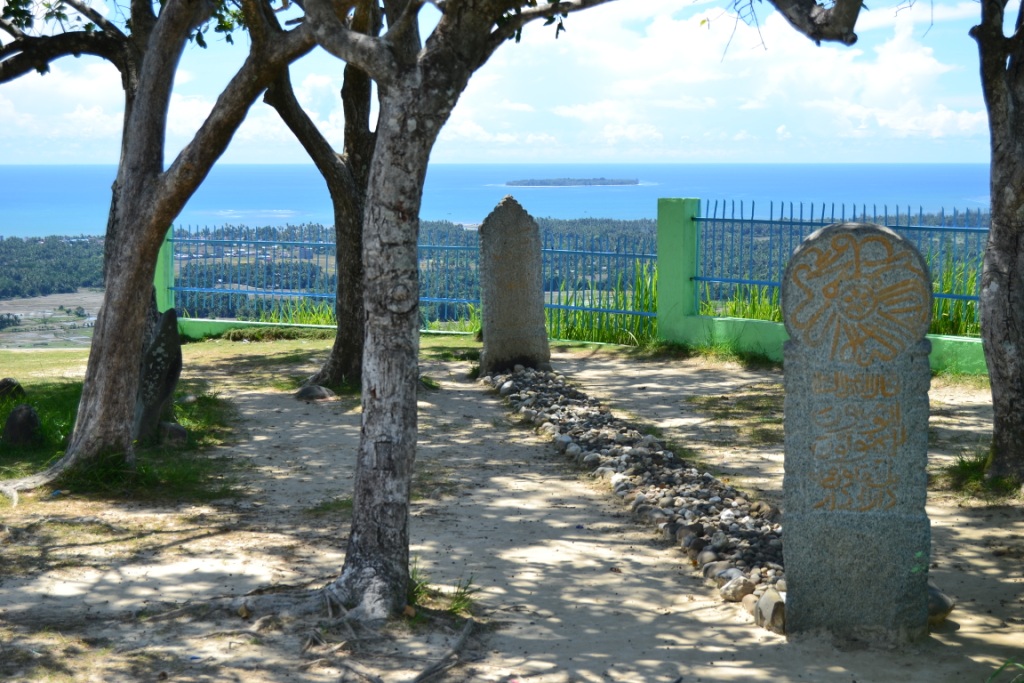
Makam Papan Tinggi
7th-8th century funerary complex on hill
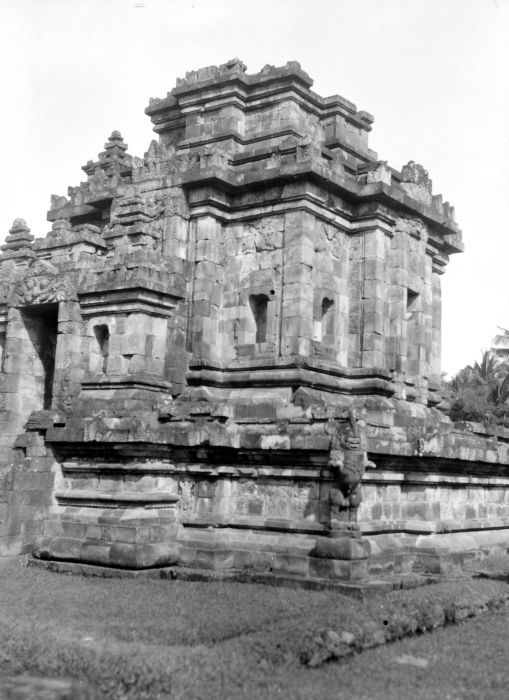
Ngawen
8th-century Buddhist temple with lion statues
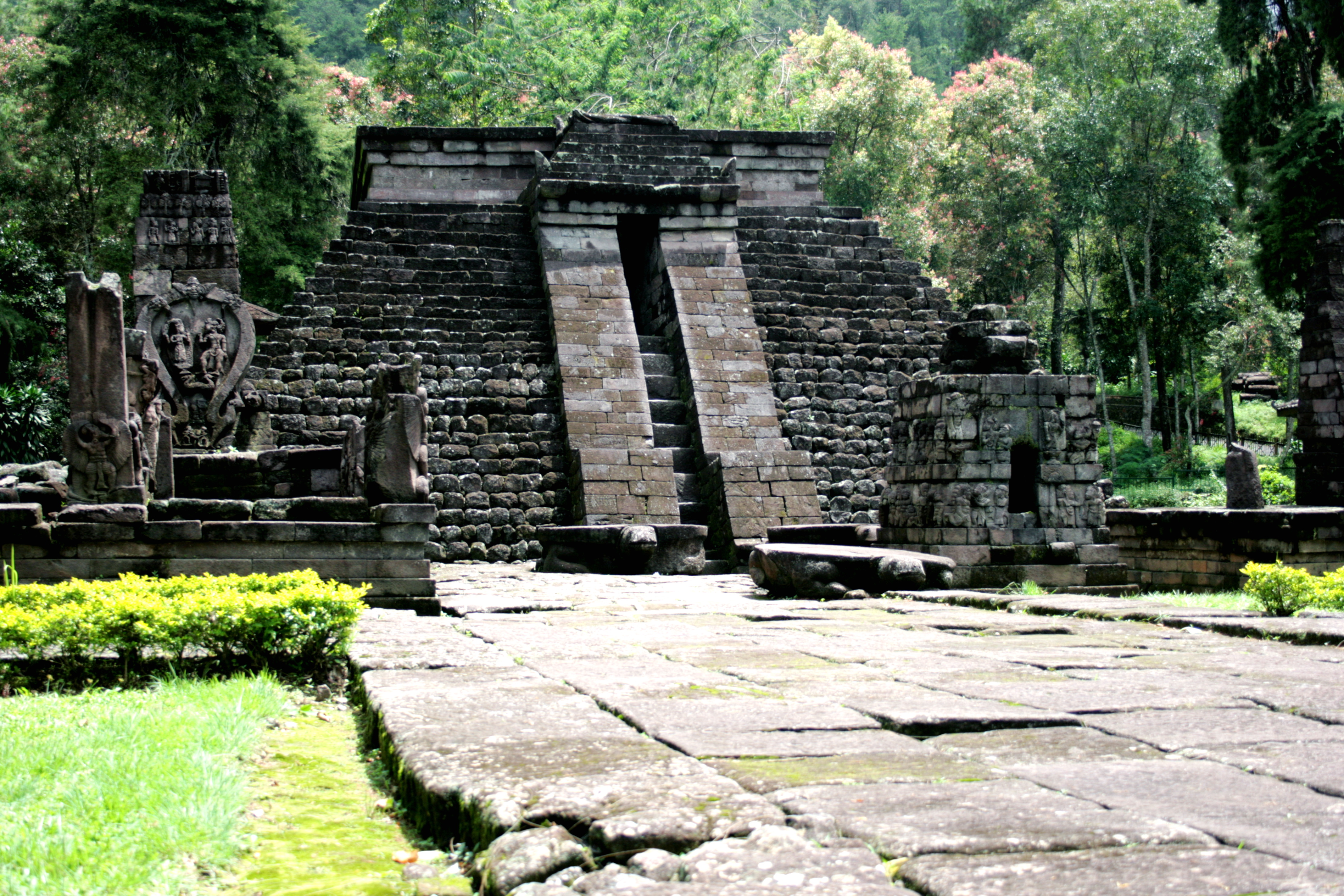
Sukuh
15th-century Javanese-Hindu pyramid temple
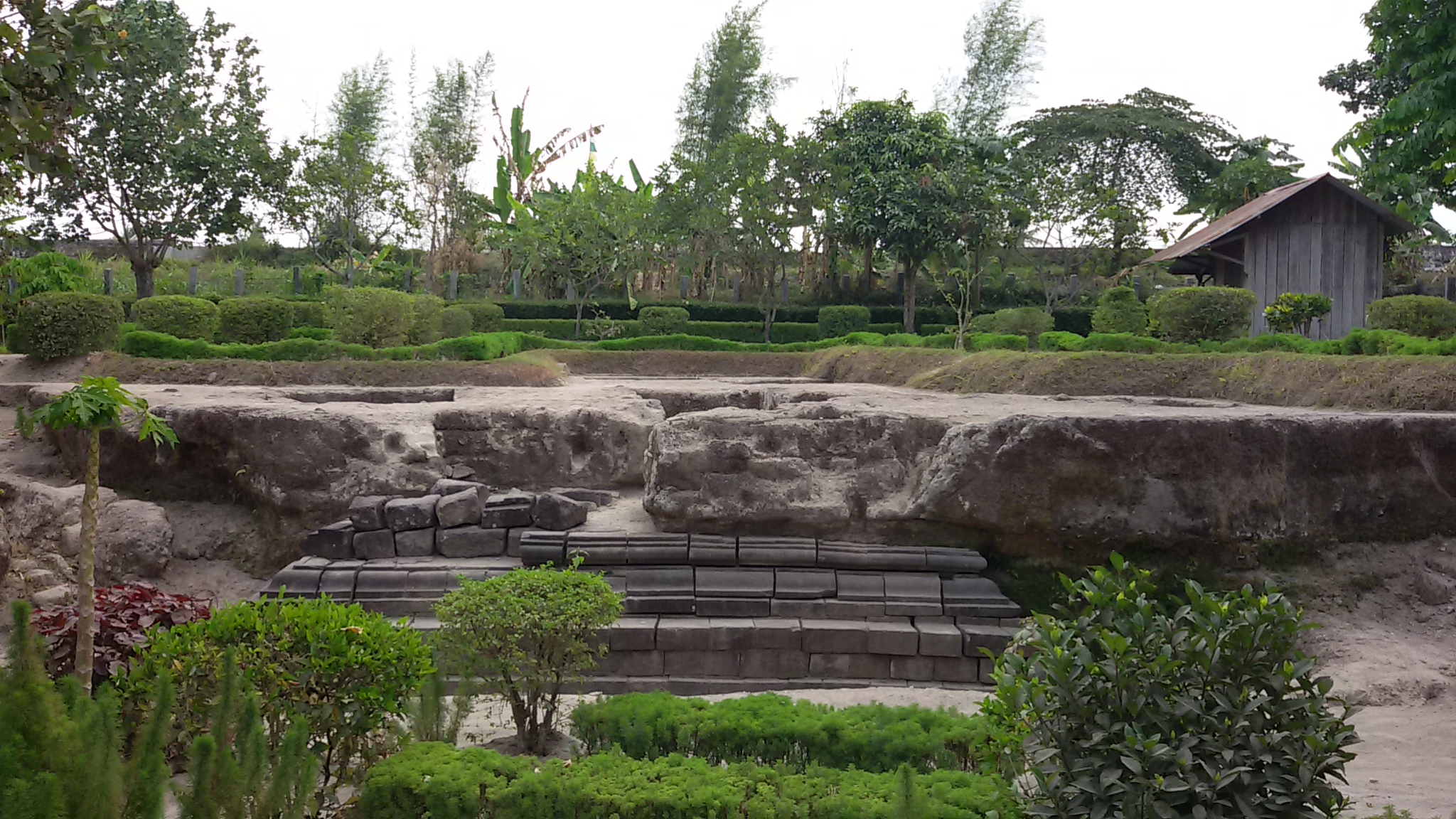
Kadisoka
Partially excavated Hindu temple in Indonesia.