Explore the Map
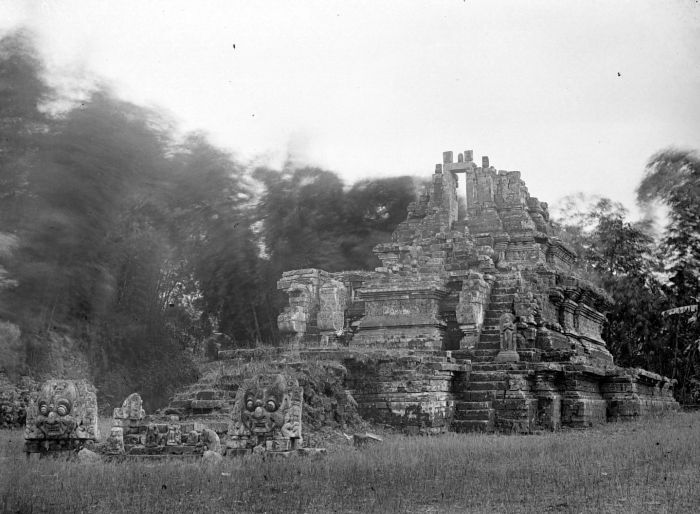
Jago Temple
-8.0058° N, 112.7641° E
About
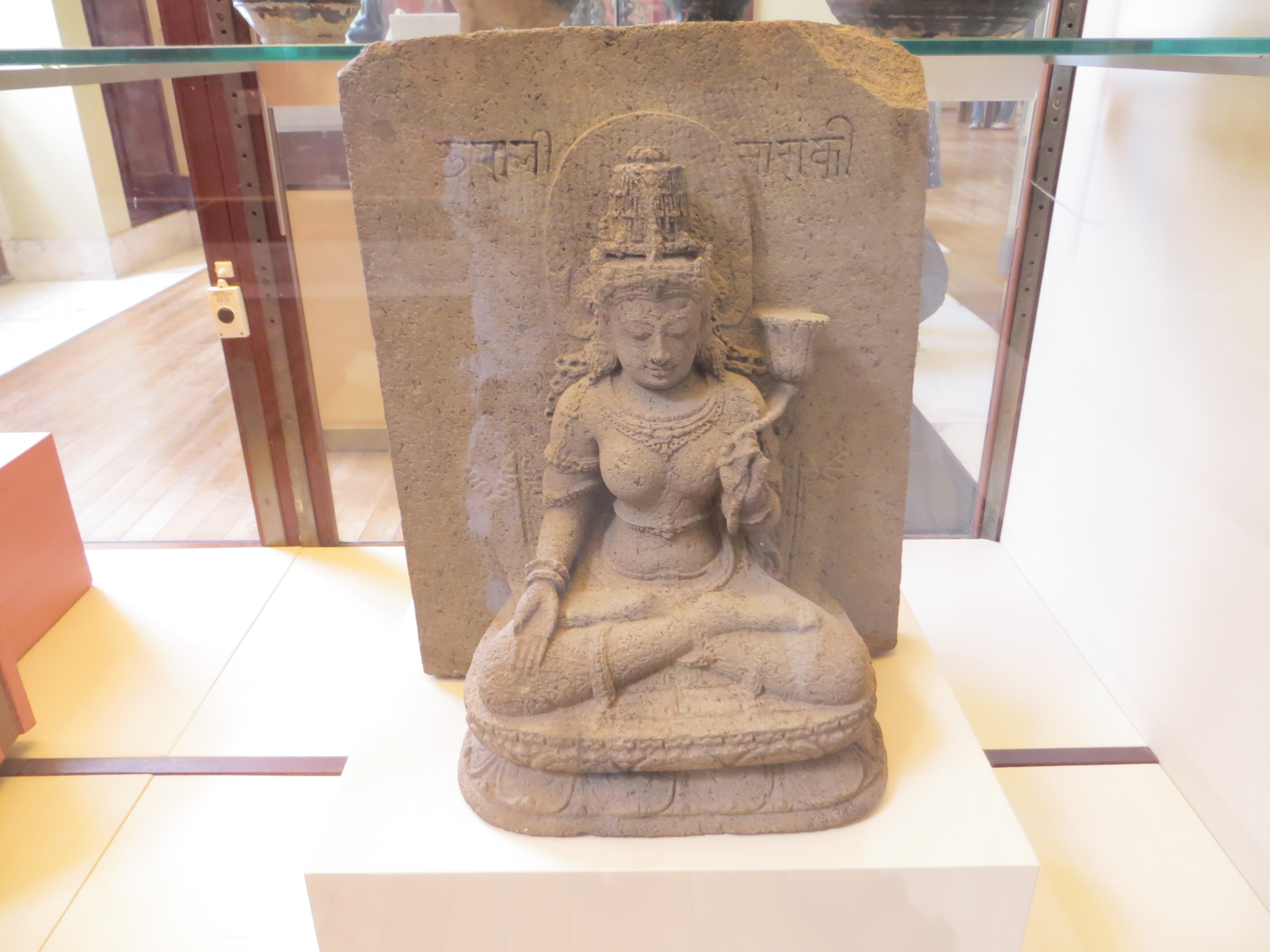
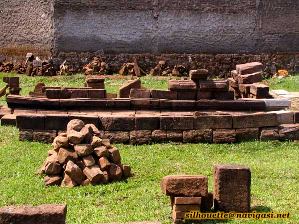
Jago Temple, also known as Candi Jago, is a significant 13th-century Hindu religious site from the Singhasari kingdom, located in East Java, Indonesia. This temple is notable for its intricate bas-reliefs depicting various Hindu mythological scenes from the Kunjarakarna, Parthayajna, Arjunavivaha, and Krishnayana texts. It holds historical importance as the place where King Vishnuvardhana was deified as Shiva, represented as the Bodhisattva Avalokitesvara after his death in 1268 CE. Additionally, the temple features an image of the Bodhisattva Manjusri with the name of Adityawarman inscribed in 1343 CE. This site, referred to as Jajaghu in the Nagarakretagama, was visited by King Hayam Wuruk during his 14th-century royal tour of East Java, emphasizing its cultural and political significance during the late Post-Classical Period.
Gallery
Explore photographs of ancient structures, artifacts, and archaeological excavations
Historical Timeline
Journey through time and discover key events in this site's history
Singhasari King deification
1268 CE
Adityawarman Image
1343 CE
Archaeological Features
Unique architectural and cultural elements found at this historical site
Religious and Ritual Structures
Artistic and Decorative Features
Frequently Asked Questions
Plan Your Visit
Tours, travel arrangements, and practical information
More Sites in Indonesia
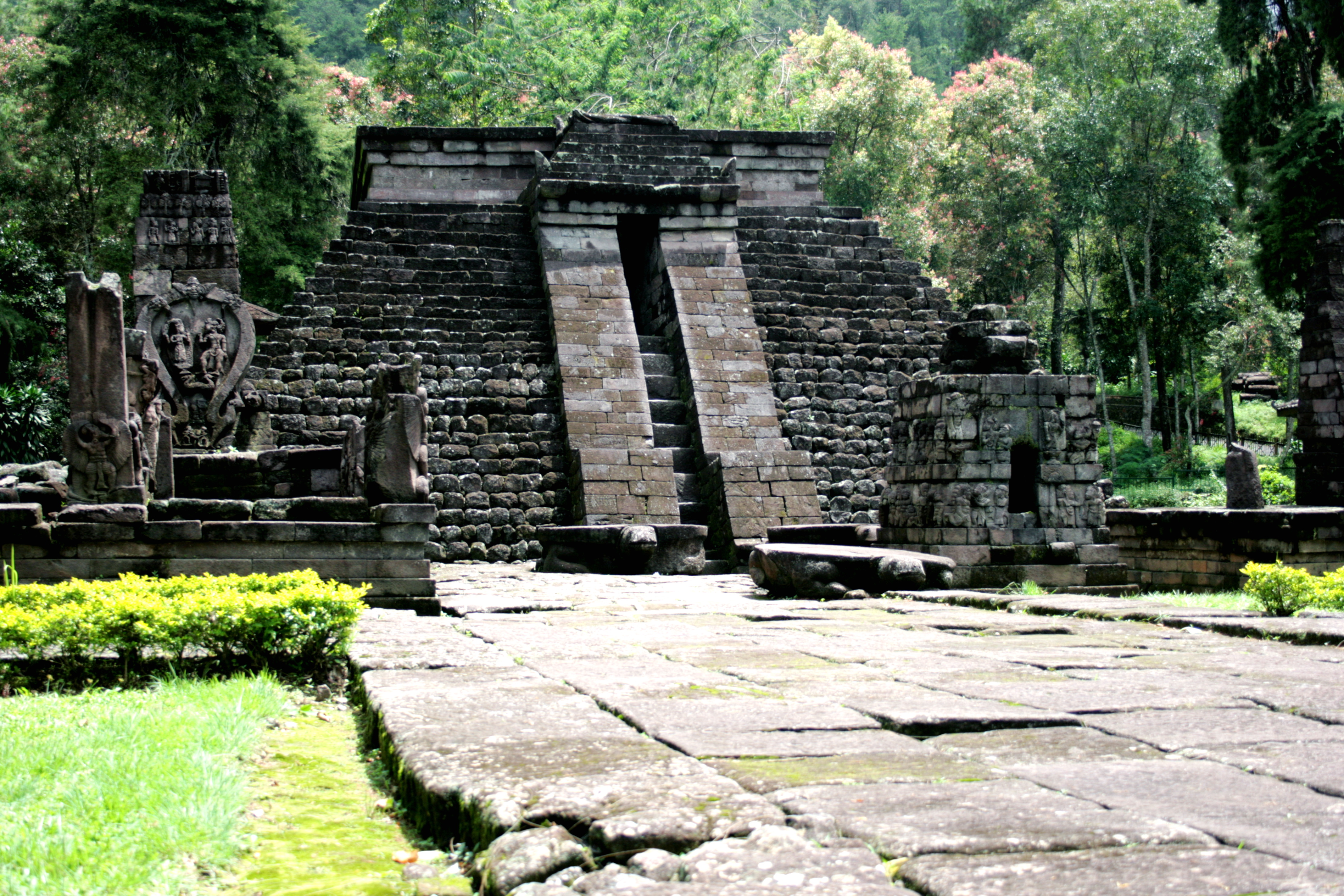
Sukuh
15th-century Javanese-Hindu pyramid temple
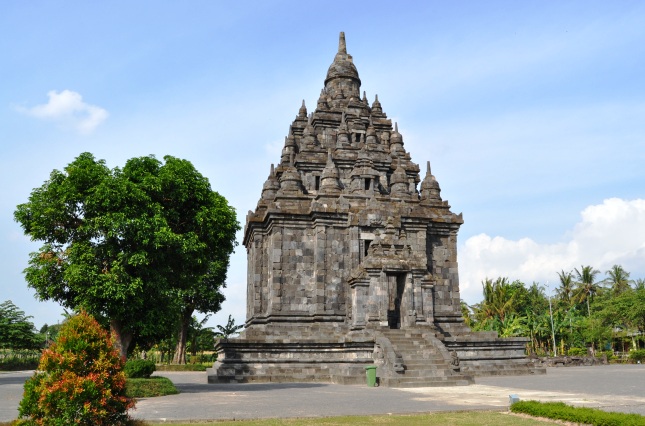
Sojiwan
9th-century Mahayana Buddhist temple complex
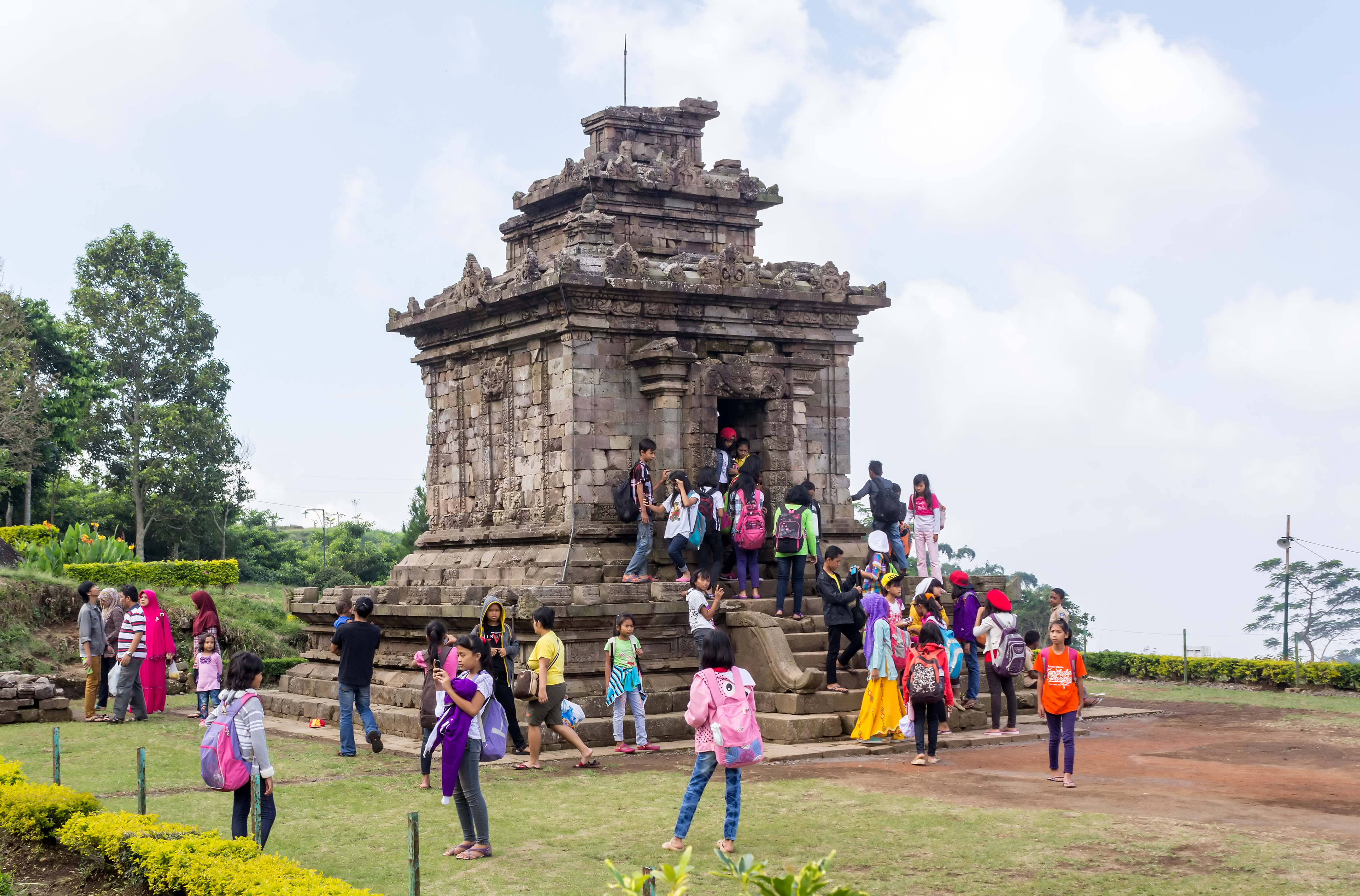
Gedong Songo
Hindu temples with Indian architectural influence.
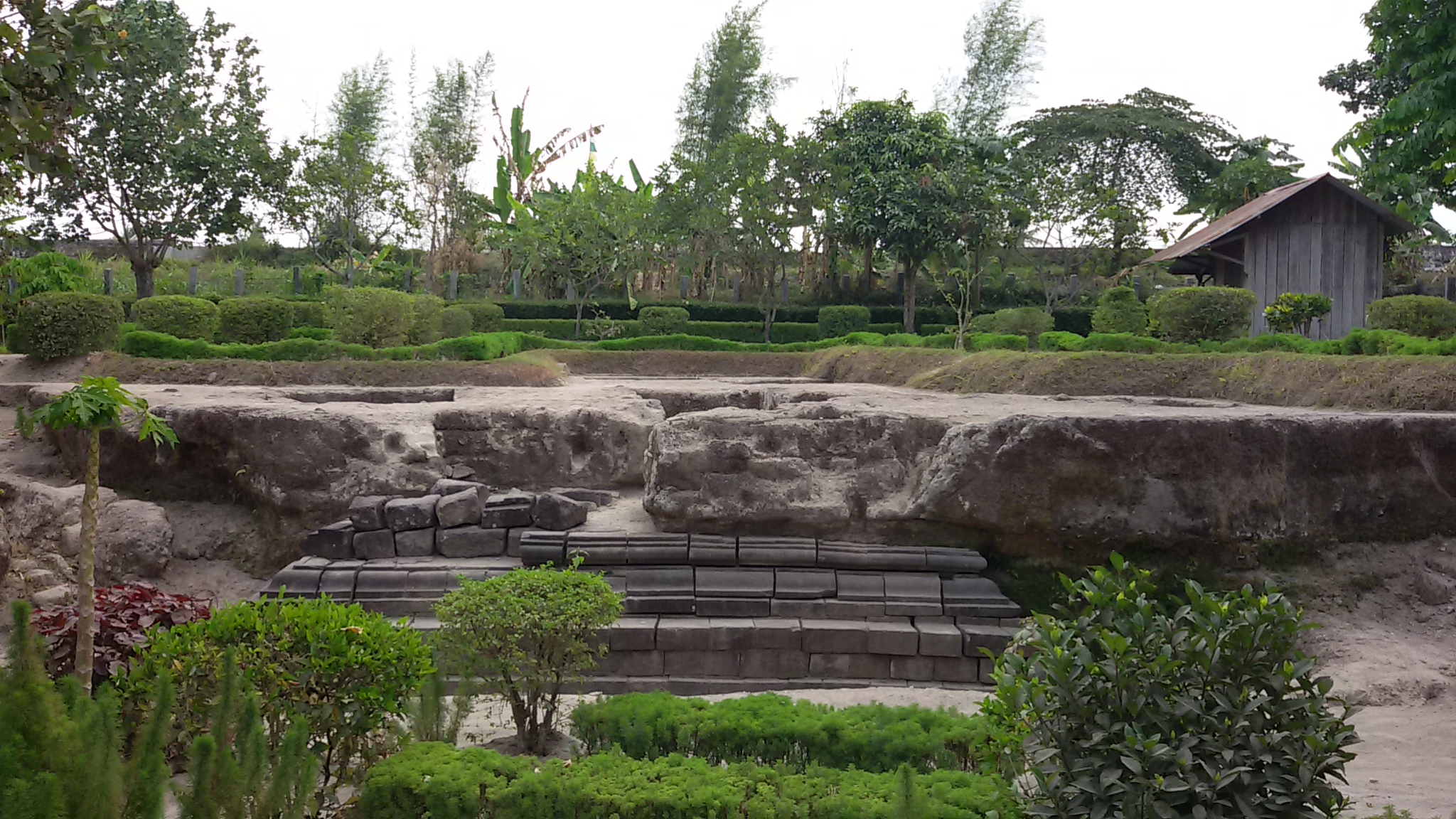
Kadisoka
Partially excavated Hindu temple in Indonesia.
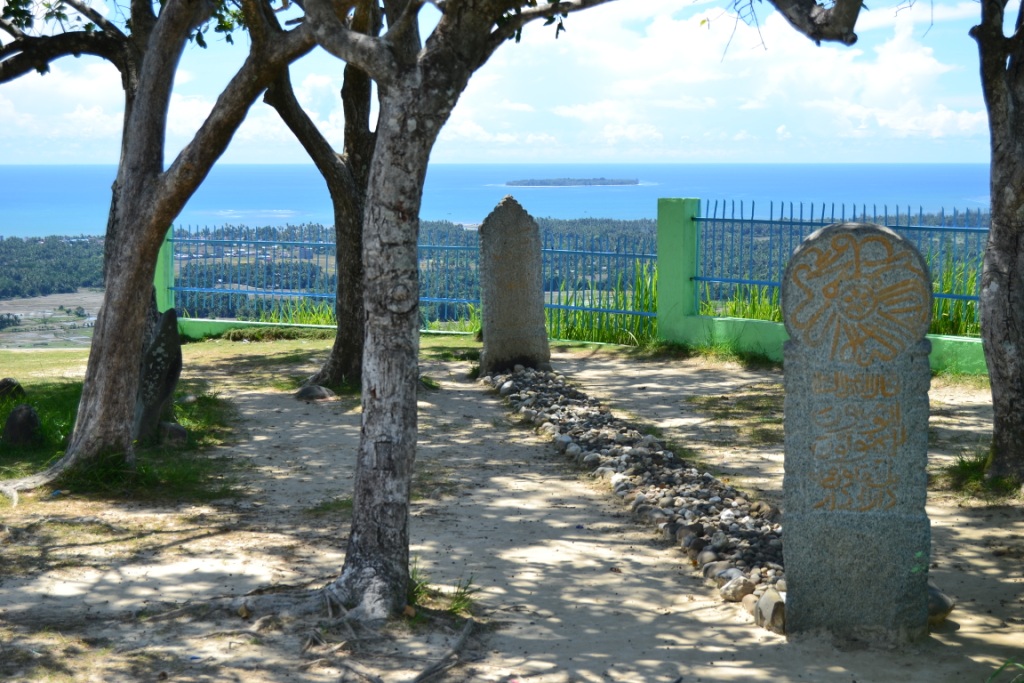
Makam Papan Tinggi
7th-8th century funerary complex on hill
Bojongmenje
7th-century Hindu temple ruins in Java.