
Explore the Map
Prambanan
-7.7522° N, 110.4917° E
About
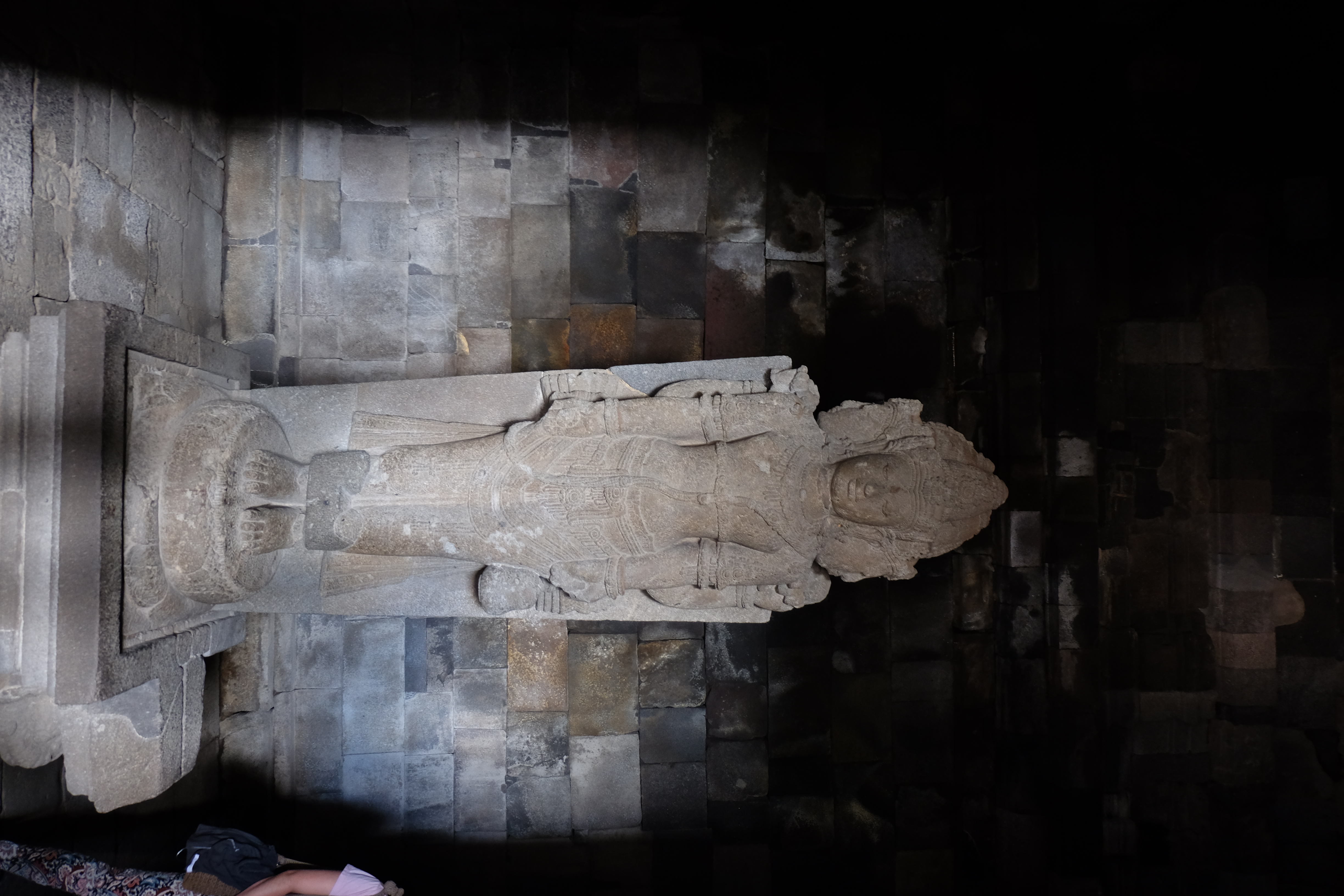
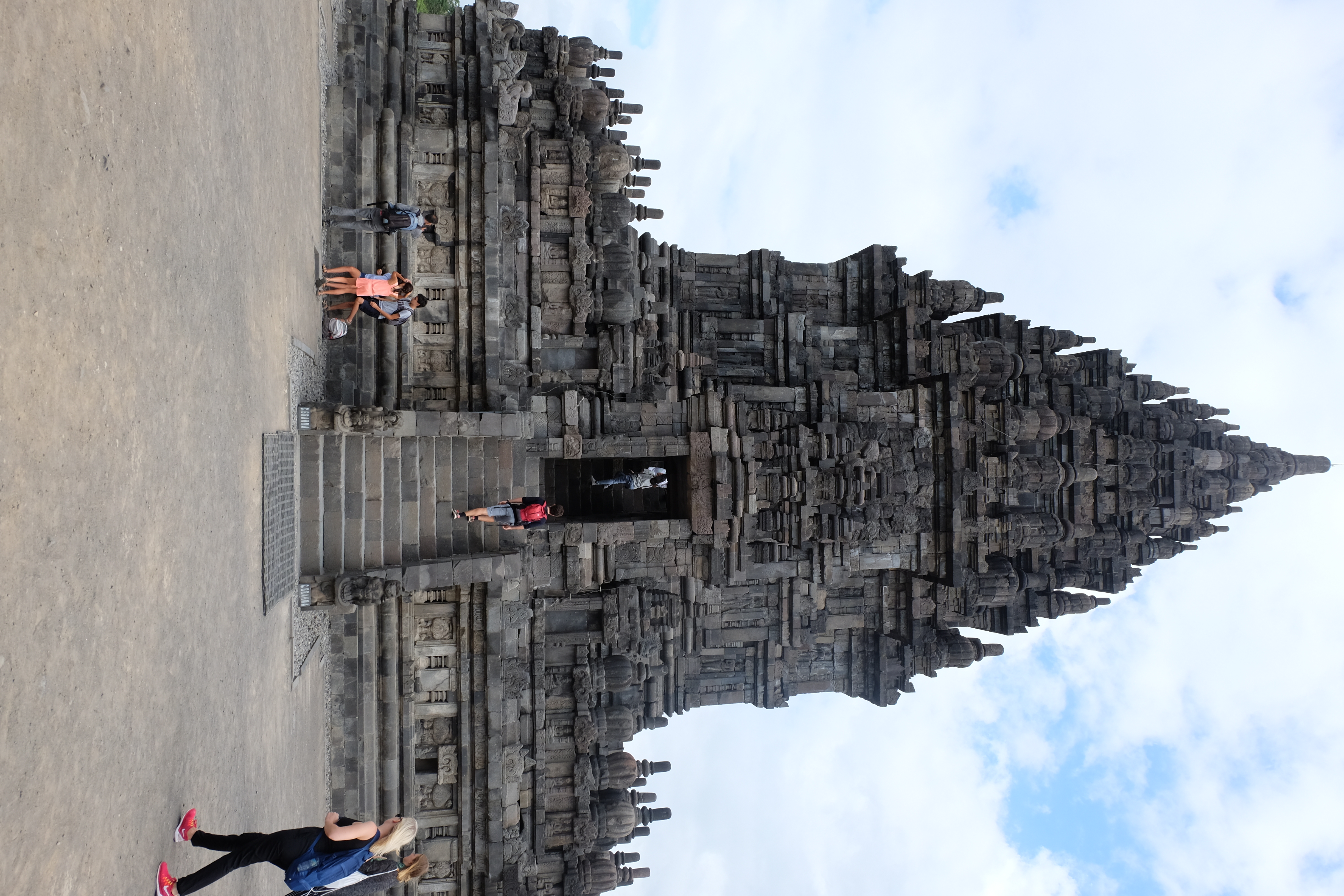
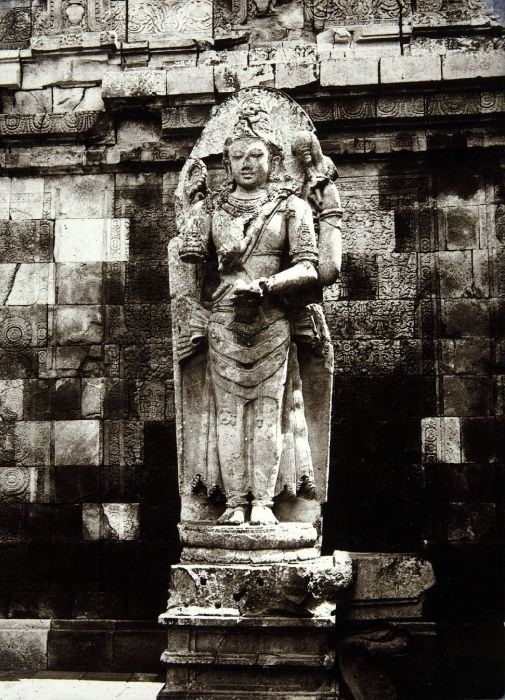
The Prambanan temple complex, located in Java, Indonesia, is a significant archaeological site dating back to the 9th century CE. Constructed during the reign of the Hindu Sanjaya dynasty, it represents a shift from Buddhist to Hindu dominance in the region. The site is renowned for its three main temples dedicated to the Hindu deities Brahma, Vishnu, and Shiva, with the towering Shiva temple being the most prominent. The complex originally comprised 240 temples, showcasing intricate bas-reliefs depicting stories from the Ramayana and Bhagavata Purana. Despite its abandonment in the 10th century due to volcanic activity, Prambanan stands as a masterpiece of Hindu architecture and a symbol of the religious and cultural history of Indonesia.
Gallery
Explore photographs of ancient structures, artifacts, and archaeological excavations
Historical Timeline
Journey through time and discover key events in this site's history
Temple Expansion
Late 9th century CE
Construction Begins
850 CE
Shiva Temple Inauguration
856 CE
Abandonment
930s CE
Archaeological Features
Unique architectural and cultural elements found at this historical site
Water Management Features
Religious and Ritual Structures
Artistic and Decorative Features
Frequently Asked Questions
Plan Your Visit
Tours, travel arrangements, and practical information


More Sites in Indonesia
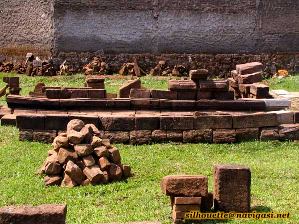
Bojongmenje
7th-century Hindu temple ruins in Java.
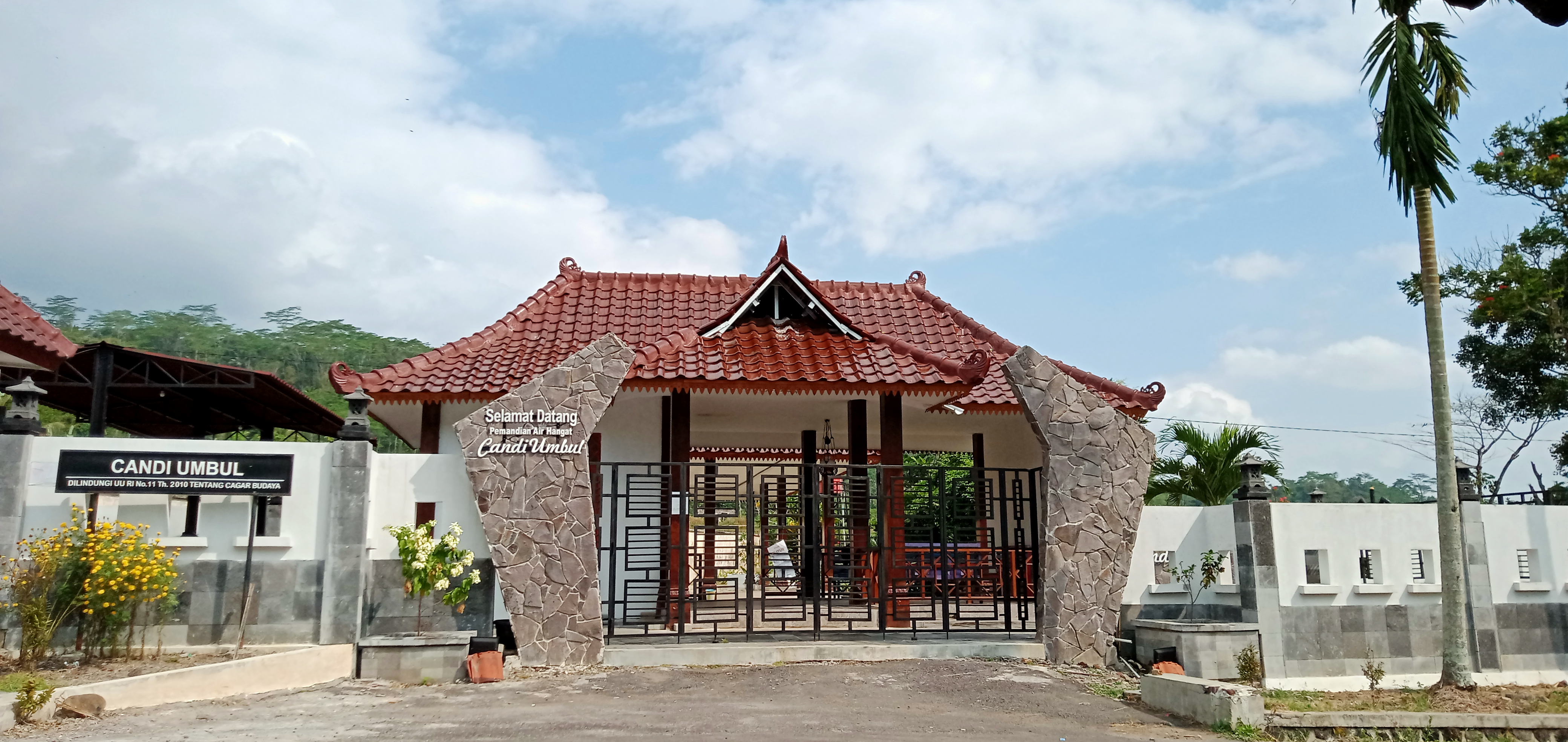
Umbul Temple
9th-century Hindu temple with bathing pools.
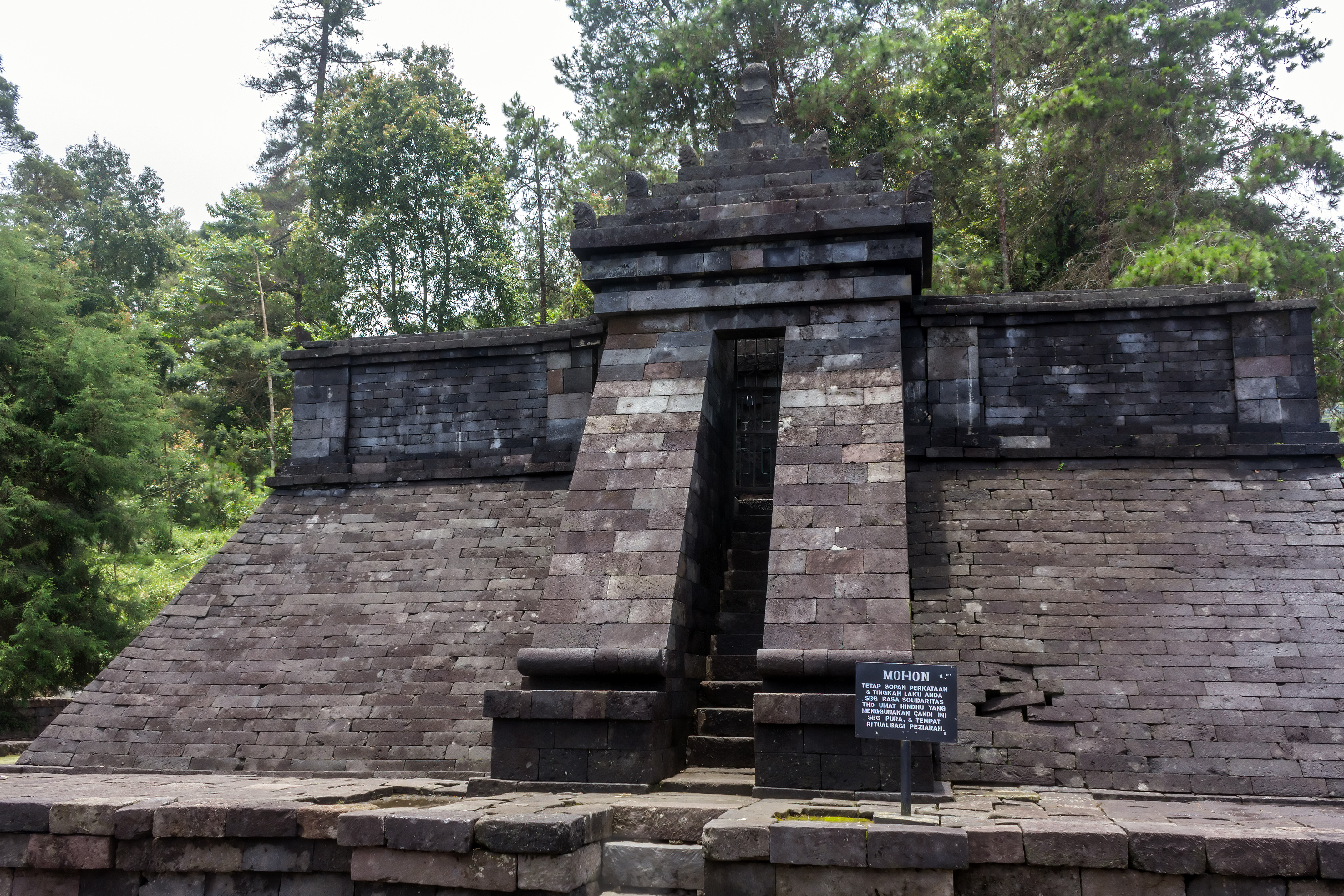
Ceto Temple
Fifteenth-century Javanese-Hindu temple on Mount Lawu.
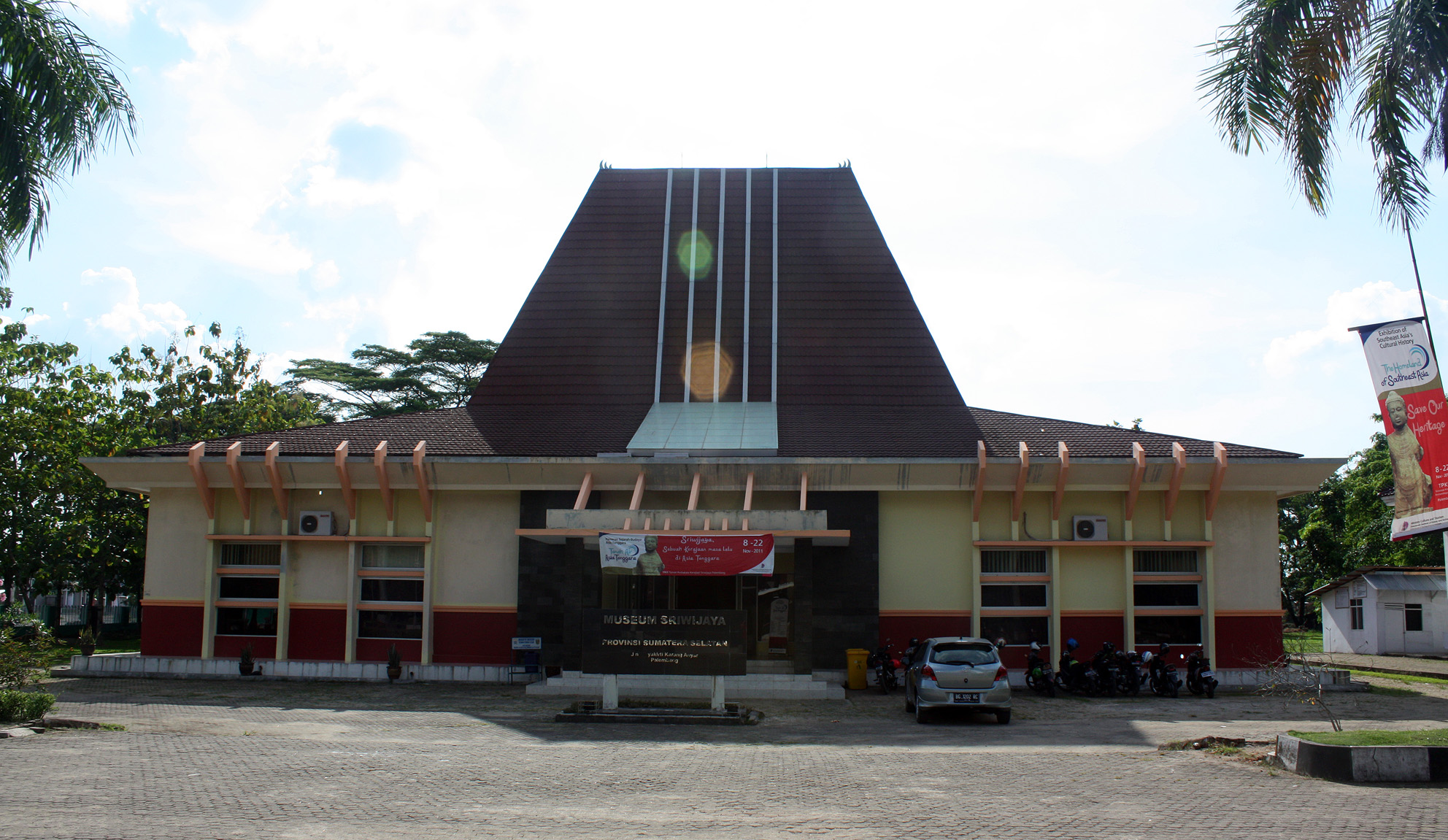
Sriwijaya Kingdom Archaeological Park
Ancient habitation with canals and ponds.
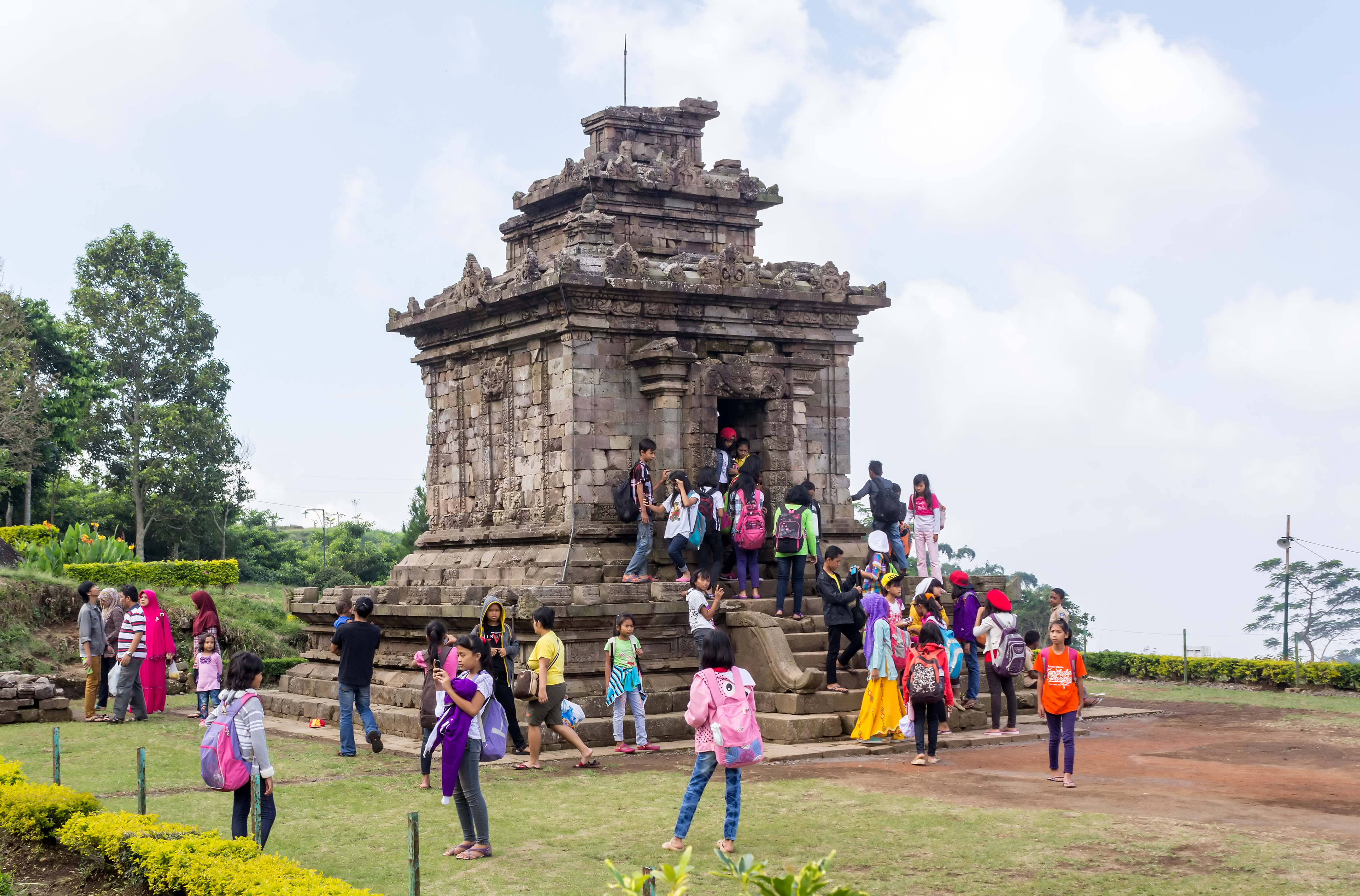
Gedong Songo
Hindu temples with Indian architectural influence.
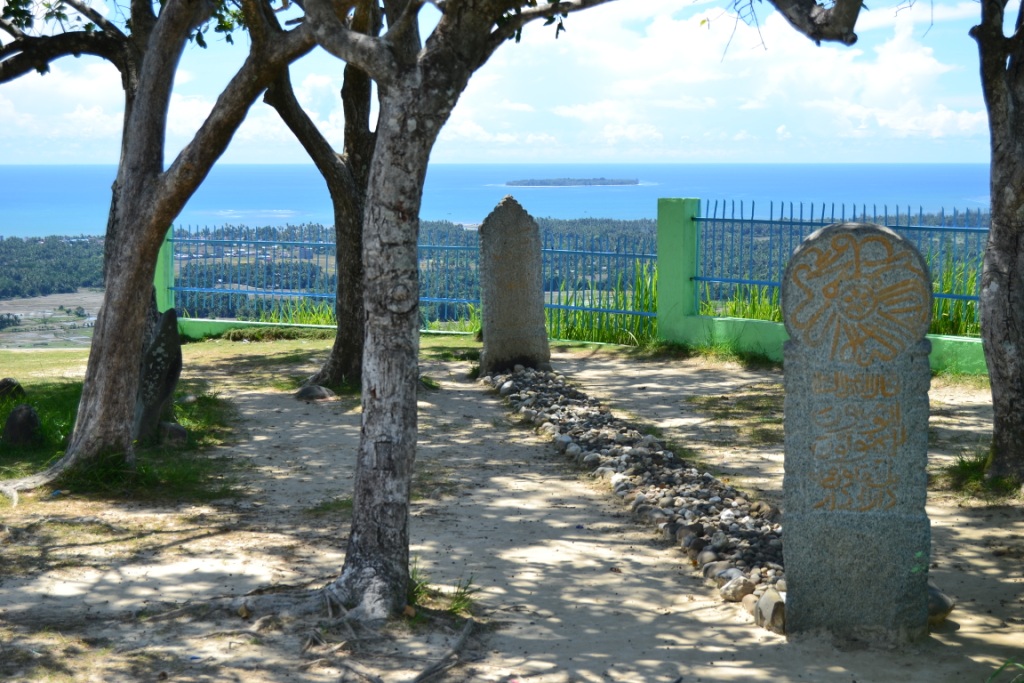
Makam Papan Tinggi
7th-8th century funerary complex on hill