Explore the Map
Bojongmenje
-6.9658° N, 107.8017° E
About
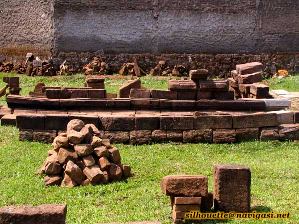
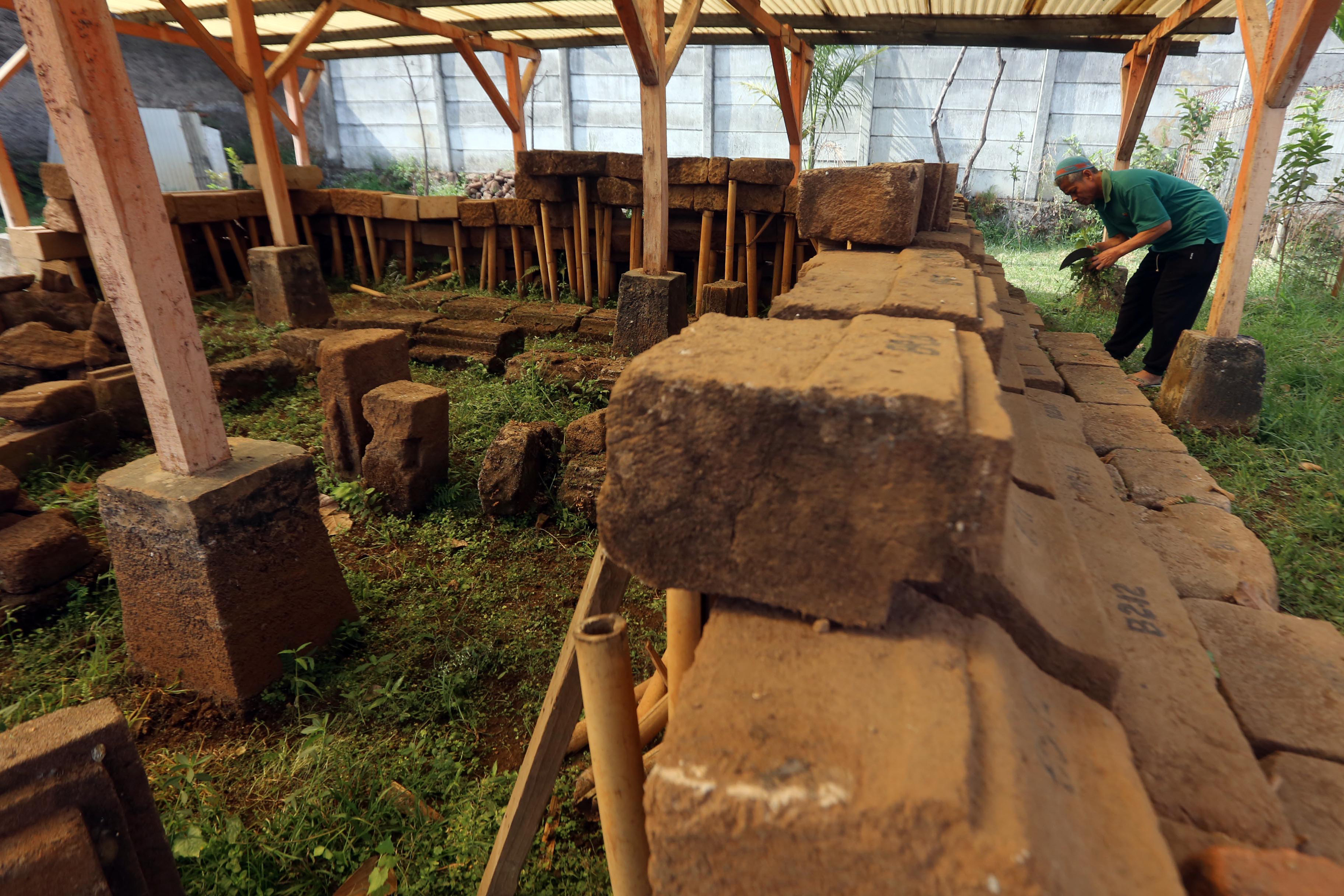
Bojongmenje is a significant archaeological site located in West Java, Indonesia, and dates to the Early Post-Classical Period. The site features the remnants of a 7th-century Hindu candi, marking it as one of the oldest temple structures on Java island. Built using andesite stone, the temple showcases a simple architectural design with a square base measuring six meters per side and walls devoid of decoration or bas-relief. Its construction era predates many other known temples in Central and East Java, aligning it temporally with the Dieng temples in Central Java. Bojongmenje offers valuable insights into the early Hindu influences and architectural practices on Java during this period.
Gallery
Explore photographs of ancient structures, artifacts, and archaeological excavations
Historical Timeline
Journey through time and discover key events in this site's history
Construction of Bojongmenje Temple
7th century CE
Archaeological Features
Unique architectural and cultural elements found at this historical site
Religious and Ritual Structures
Frequently Asked Questions
Plan Your Visit
Tours, travel arrangements, and practical information

More Sites in Indonesia
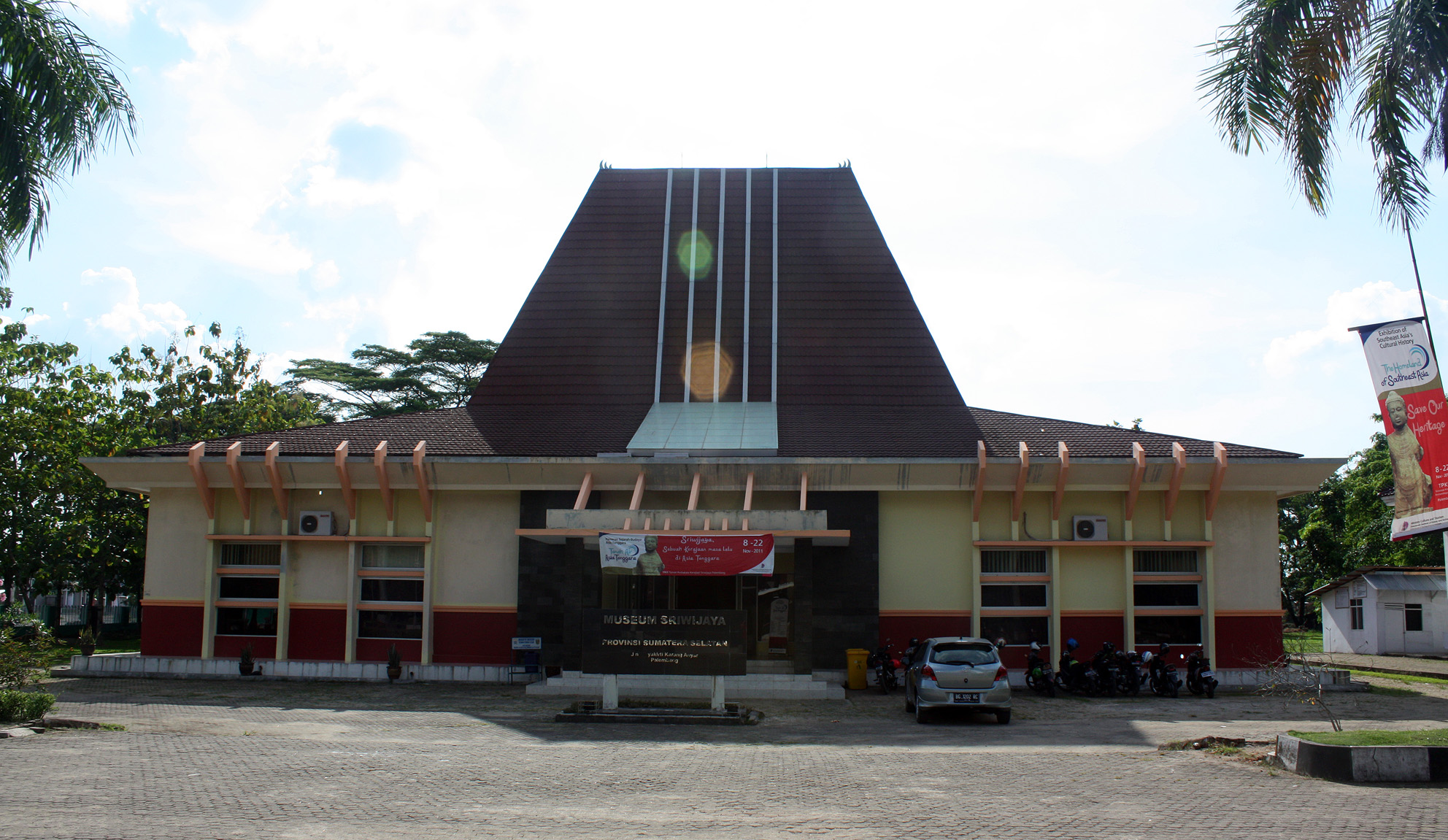
Sriwijaya Kingdom Archaeological Park
Ancient habitation with canals and ponds.
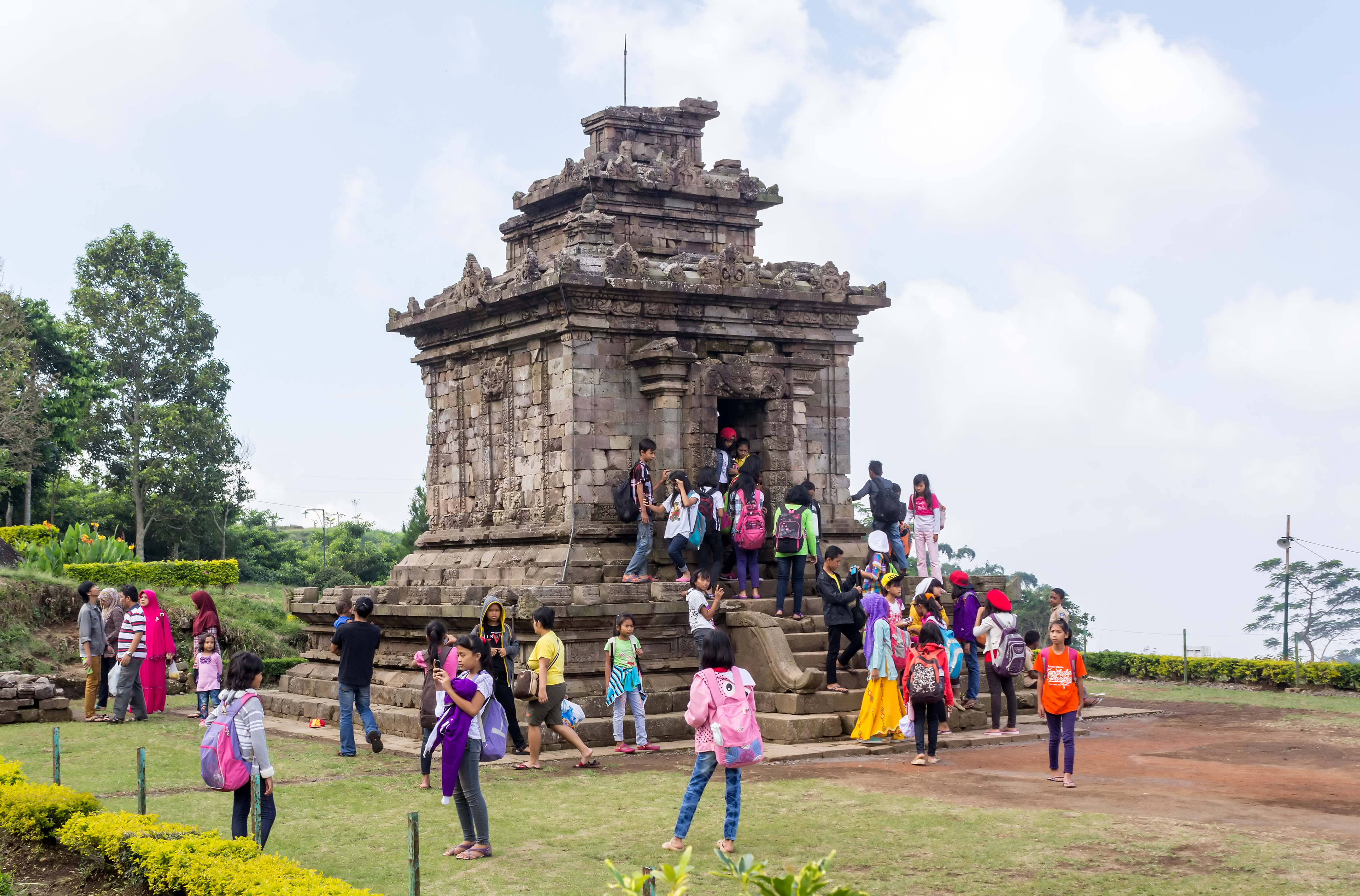
Gedong Songo
Hindu temples with Indian architectural influence.
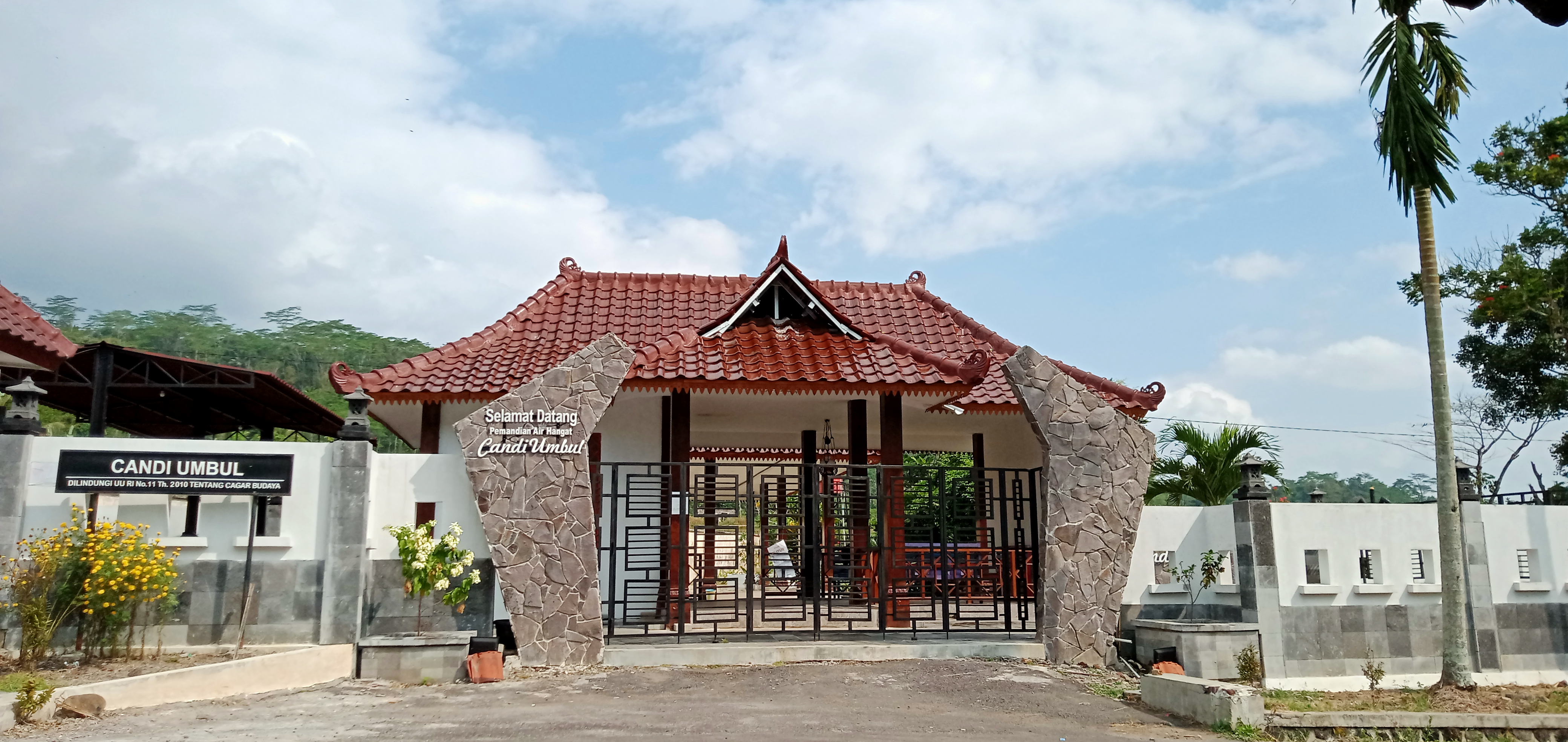
Umbul Temple
9th-century Hindu temple with bathing pools.
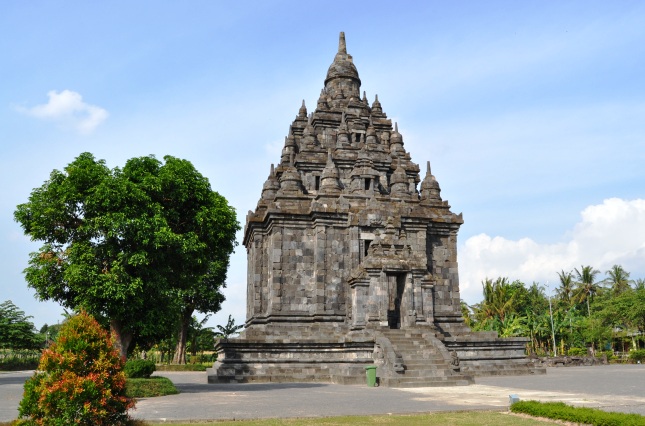
Sojiwan
9th-century Mahayana Buddhist temple complex
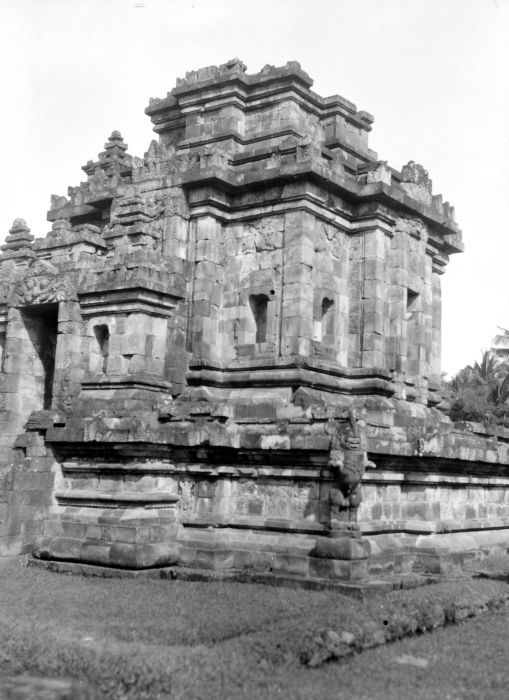
Ngawen
8th-century Buddhist temple with lion statues
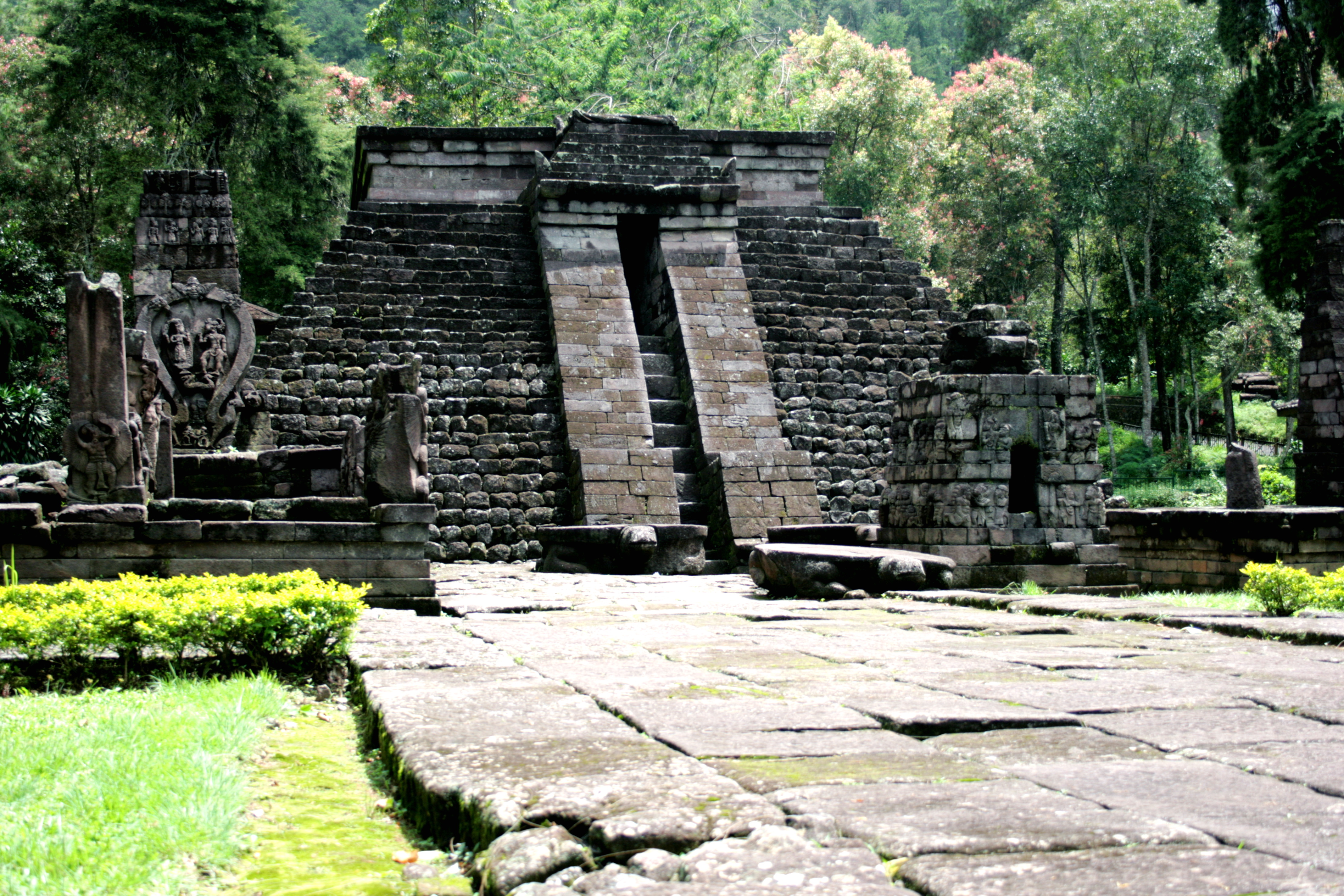
Sukuh
15th-century Javanese-Hindu pyramid temple