Explore the Map
Gebang
-7.7515° N, 110.4161° E
About
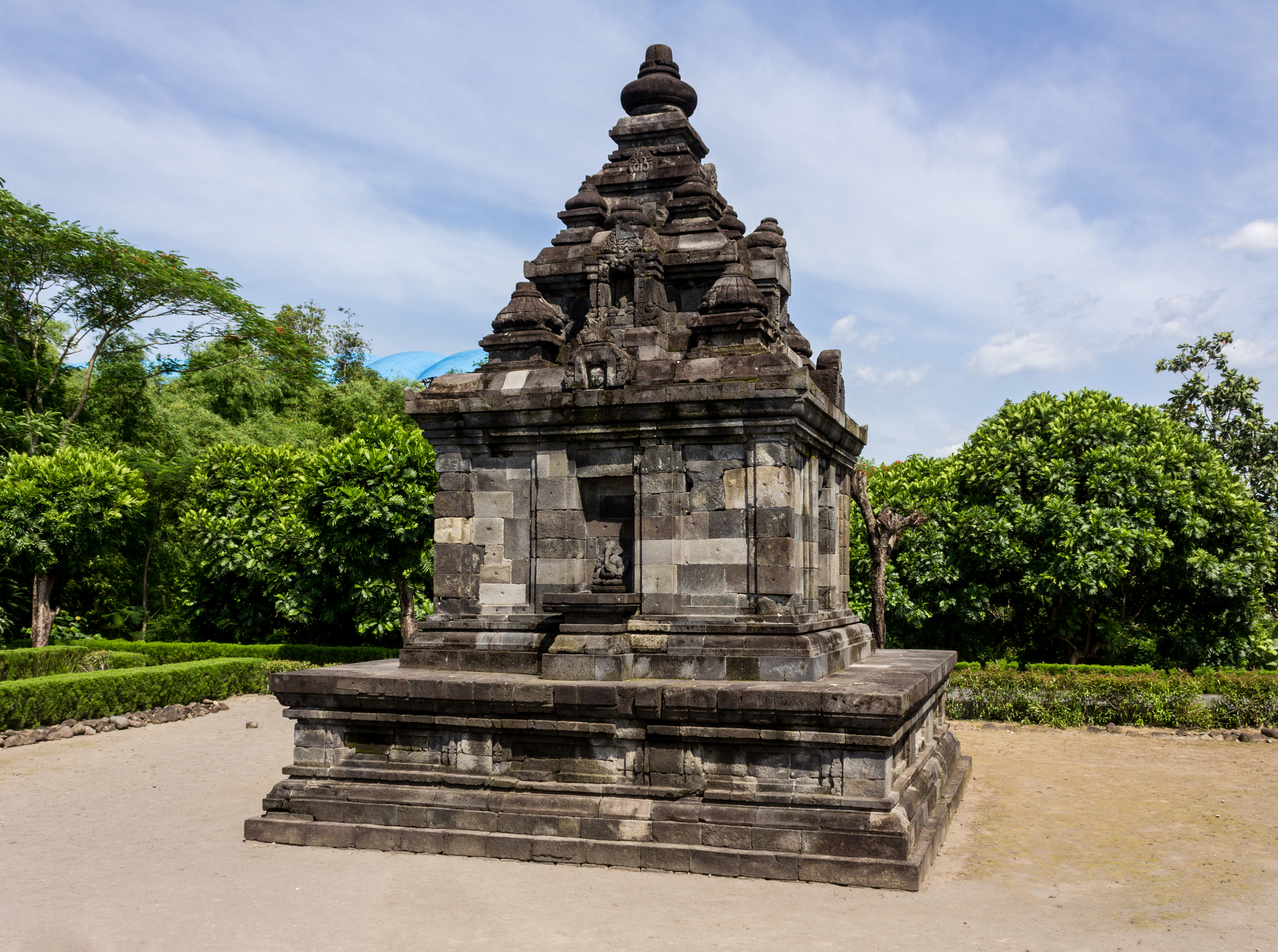
Gebang Temple is an 8th-century Hindu temple located near Yogyakarta, Indonesia, within the Mataram Kingdom's historical context. The temple is a small, square-based structure measuring 5.25 meters on each side and standing 7.75 meters tall. It features a unique architectural style, with niches housing statues and a central Yoni within the inner chamber, reflective of its Hindu religious significance. The temple's roof is adorned with small devata figures, and it is crowned with a ratna, a common feature in Javanese Hindu temples. Despite lacking detailed historical records, the temple's high base suggests it was built in the early period of the Mataram Kingdom. The temple was partially buried under Mount Merapi's lahar sediments but was reconstructed in the late 1930s.
Gallery
Explore photographs of ancient structures, artifacts, and archaeological excavations
Historical Timeline
Journey through time and discover key events in this site's history
Construction of Gebang Temple
730 CE - 800 CE
Archaeological Features
Unique architectural and cultural elements found at this historical site
Religious and Ritual Structures
Artistic and Decorative Features
Frequently Asked Questions
Plan Your Visit
Tours, travel arrangements, and practical information

More Sites in Indonesia
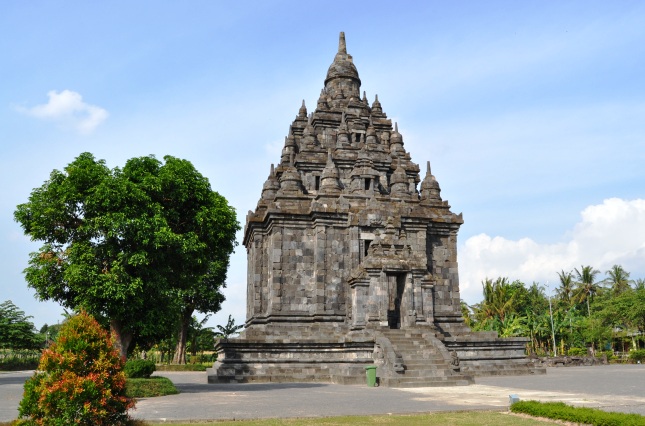
Sojiwan
9th-century Mahayana Buddhist temple complex
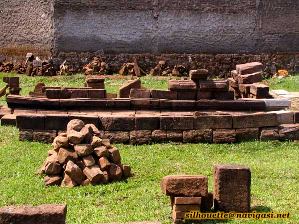
Bojongmenje
7th-century Hindu temple ruins in Java.
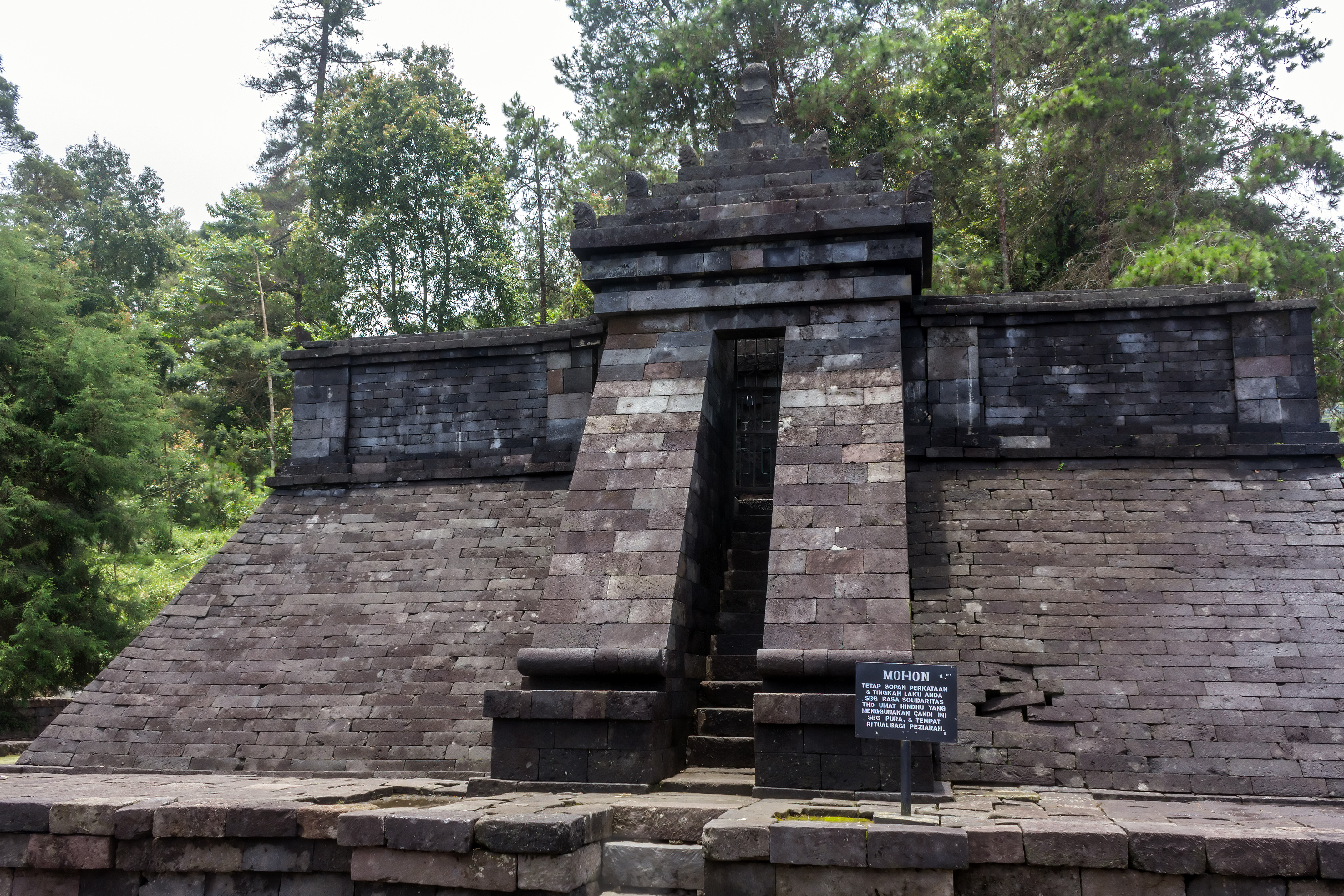
Ceto Temple
Fifteenth-century Javanese-Hindu temple on Mount Lawu.
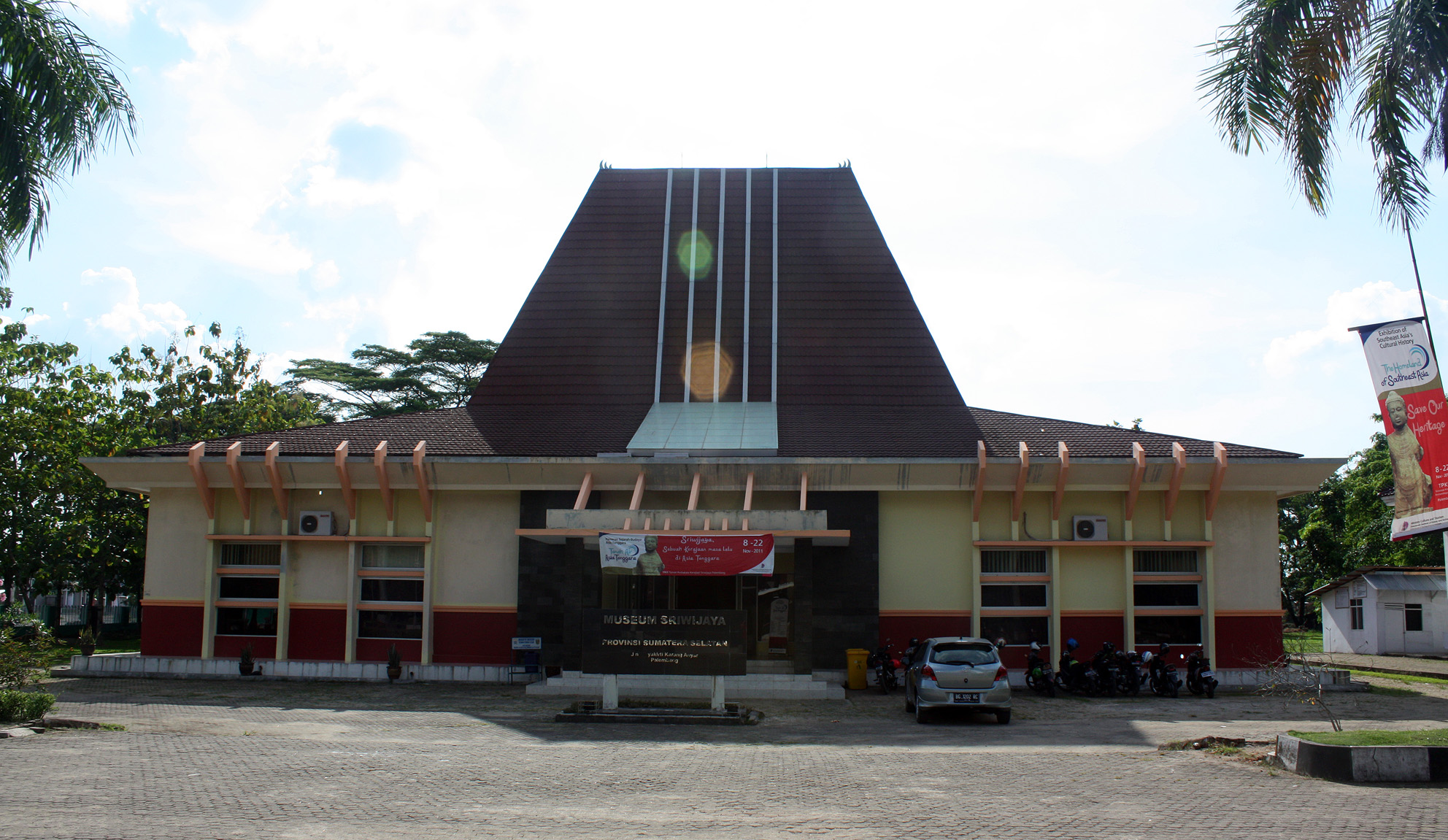
Sriwijaya Kingdom Archaeological Park
Ancient habitation with canals and ponds.
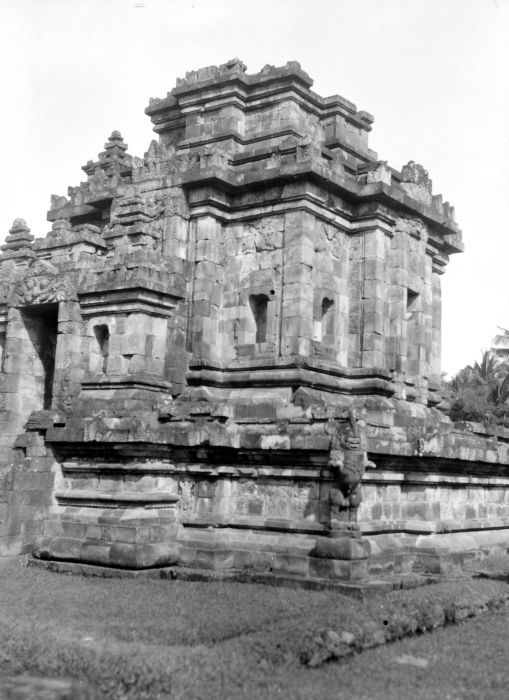
Ngawen
8th-century Buddhist temple with lion statues
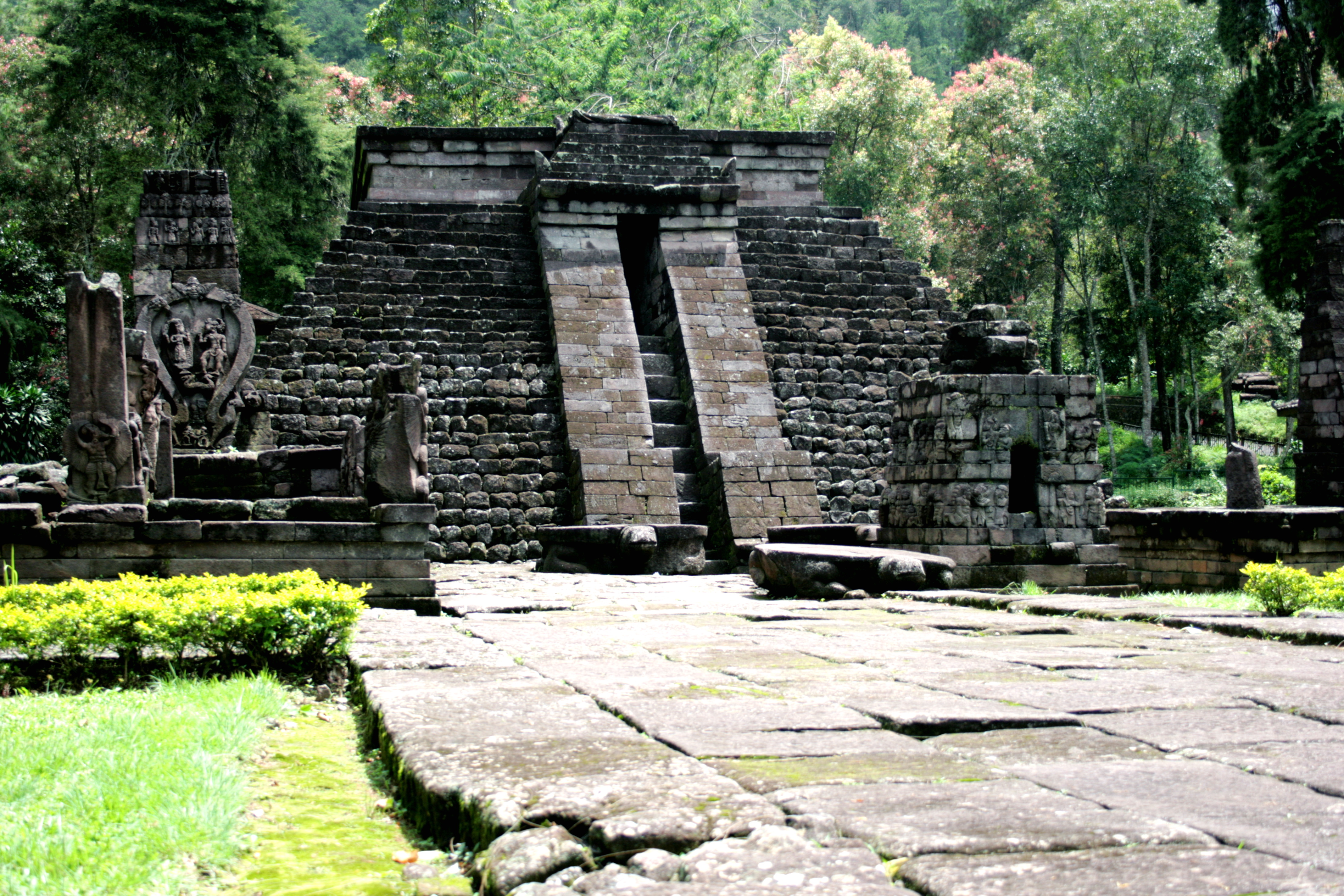
Sukuh
15th-century Javanese-Hindu pyramid temple