Explore the Map
Sukuh
-7.6272° N, 111.1311° E
About
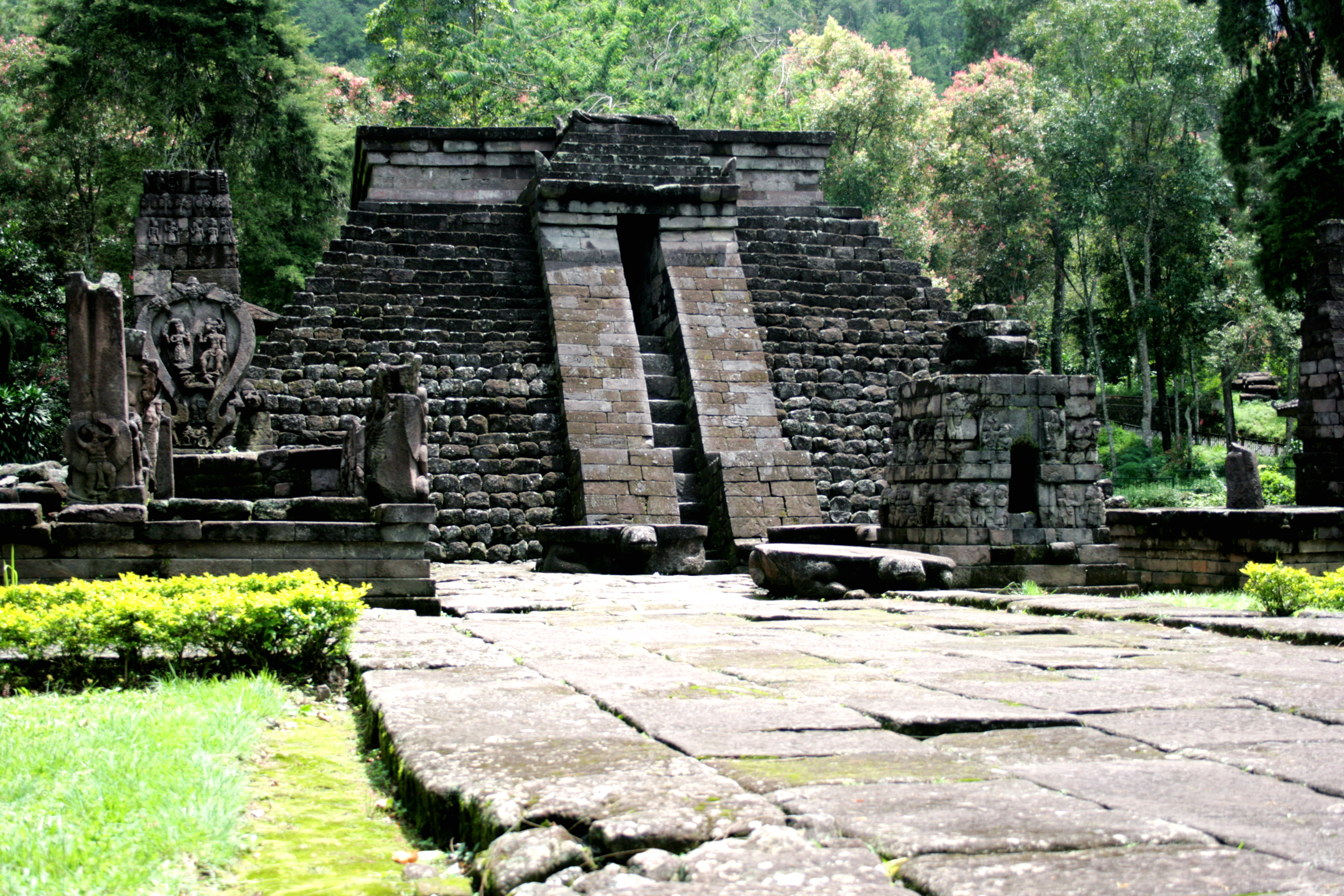
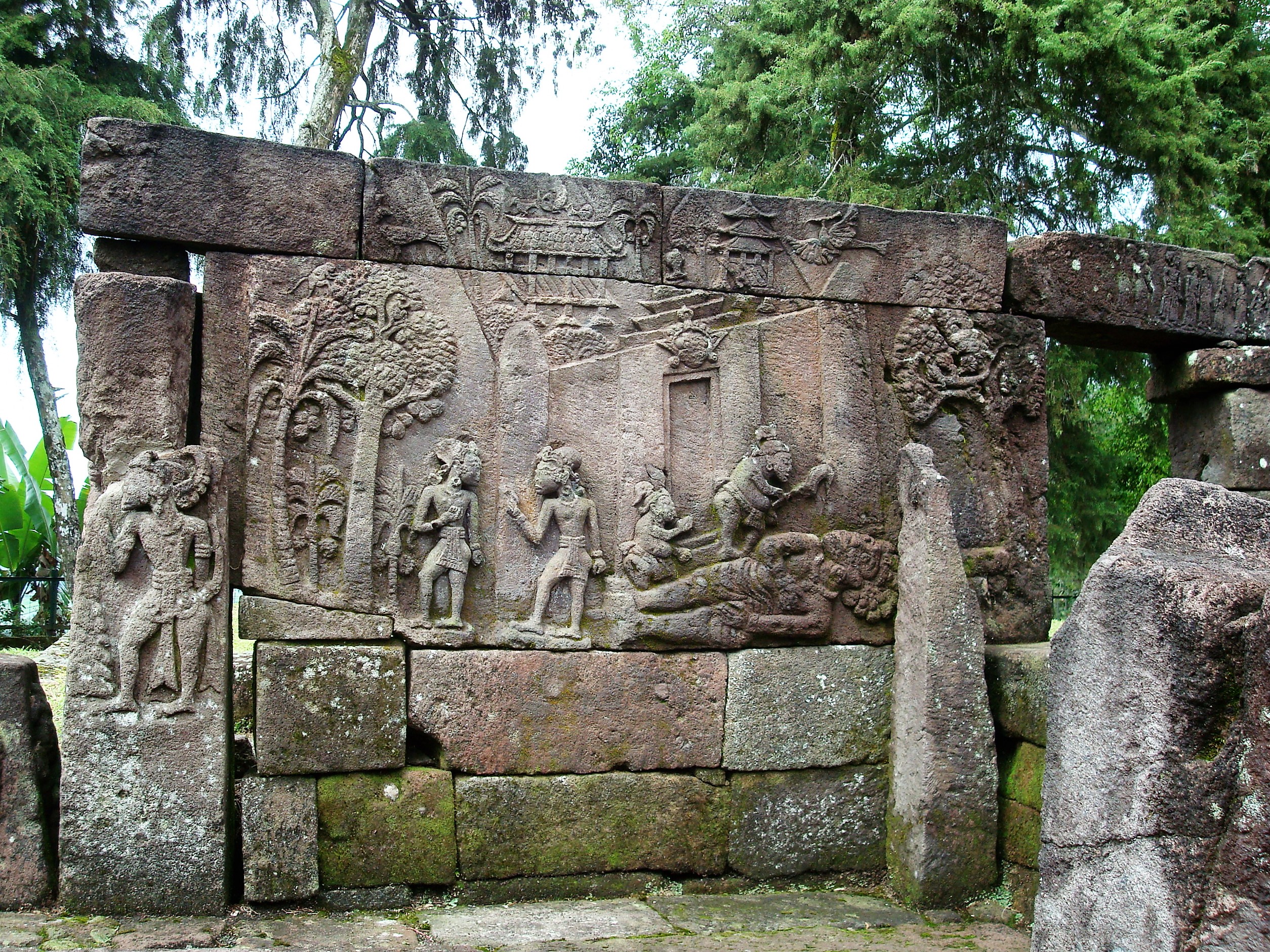
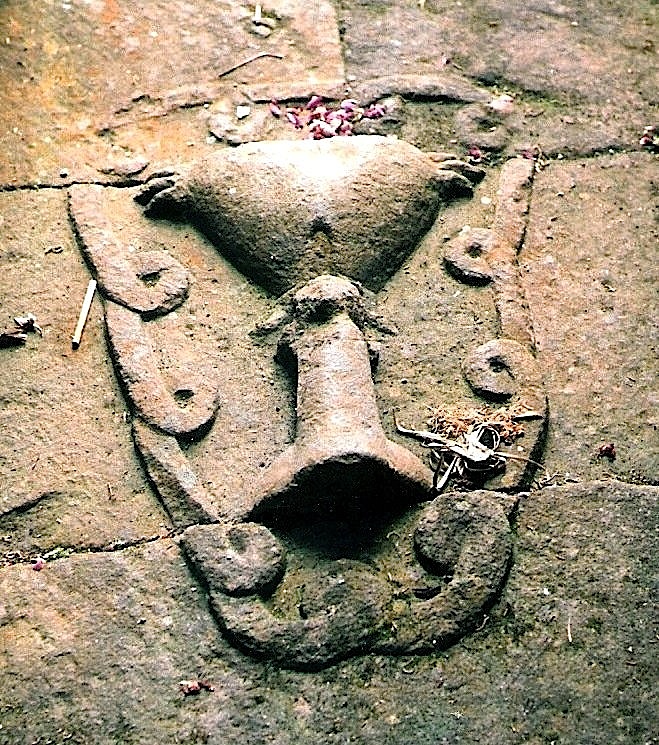
Sukuh Temple is a unique 15th-century Javanese-Hindu religious site located on the slopes of Mount Lawu in Central Java, Indonesia. Unlike traditional Hindu temples, Sukuh features a distinctive truncated pyramid structure, surrounded by terraces and decorated with intricate reliefs and statues. The temple's artwork emphasizes themes of life before birth, fertility, and sexual education, with explicit depictions of genitalia, which are rare in Javanese classical monuments. The site contains a smithy relief featuring Ganesha, indicative of the intersection of religious and craft significance. Sukuh Temple was constructed during the declining years of the Majapahit Kingdom, reflecting a divergence from Indian religious precepts. The temple's unique architecture and iconography provide insights into the cultural and religious transitions in Java before the spread of Islam.
Gallery
Explore photographs of ancient structures, artifacts, and archaeological excavations
Historical Timeline
Journey through time and discover key events in this site's history
Construction of Sukuh Temple
1437 CE
Inscription of Lingga Statue
1440 CE
Archaeological Features
Unique architectural and cultural elements found at this historical site
Burial and Funerary Structures
Industrial and Craft Structures
Religious and Ritual Structures
Artistic and Decorative Features
Frequently Asked Questions
Plan Your Visit
Tours, travel arrangements, and practical information

More Sites in Indonesia
Bojongmenje
7th-century Hindu temple ruins in Java.
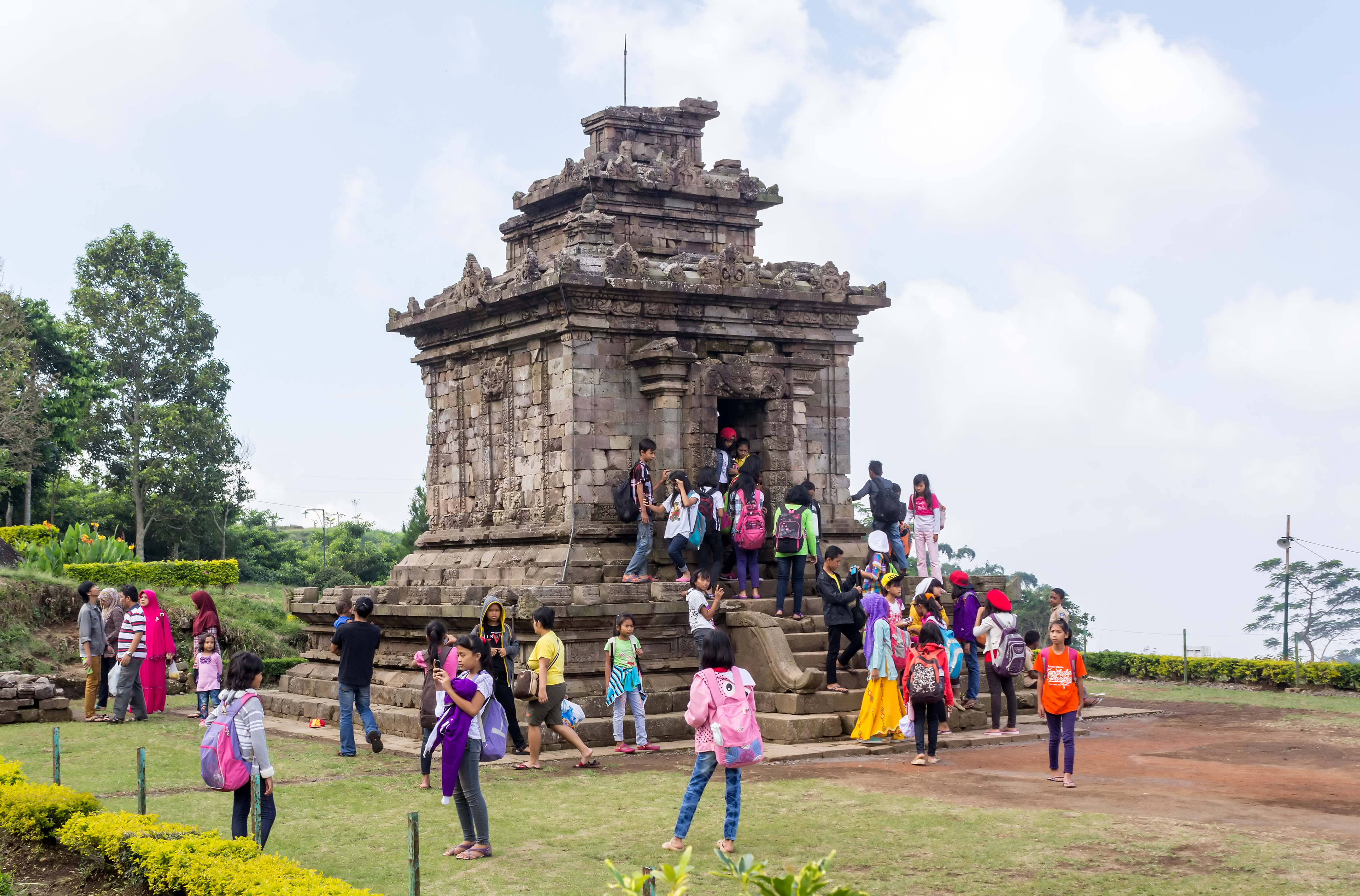
Gedong Songo
Hindu temples with Indian architectural influence.
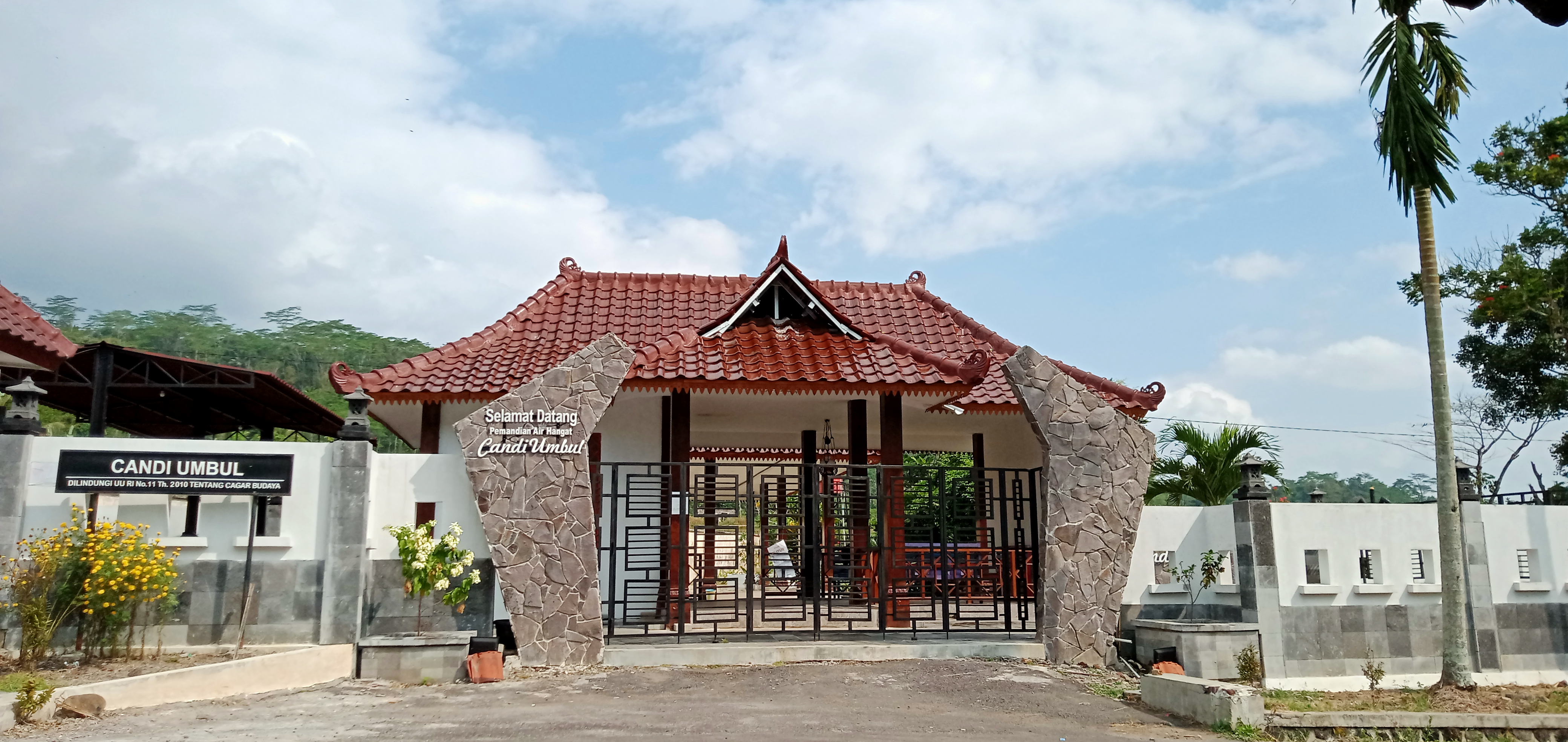
Umbul Temple
9th-century Hindu temple with bathing pools.
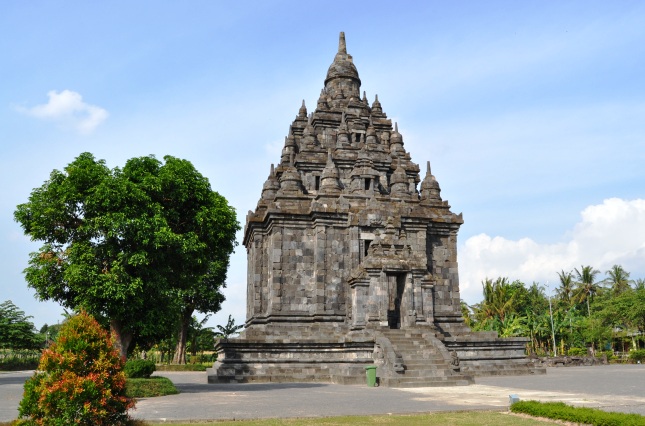
Sojiwan
9th-century Mahayana Buddhist temple complex
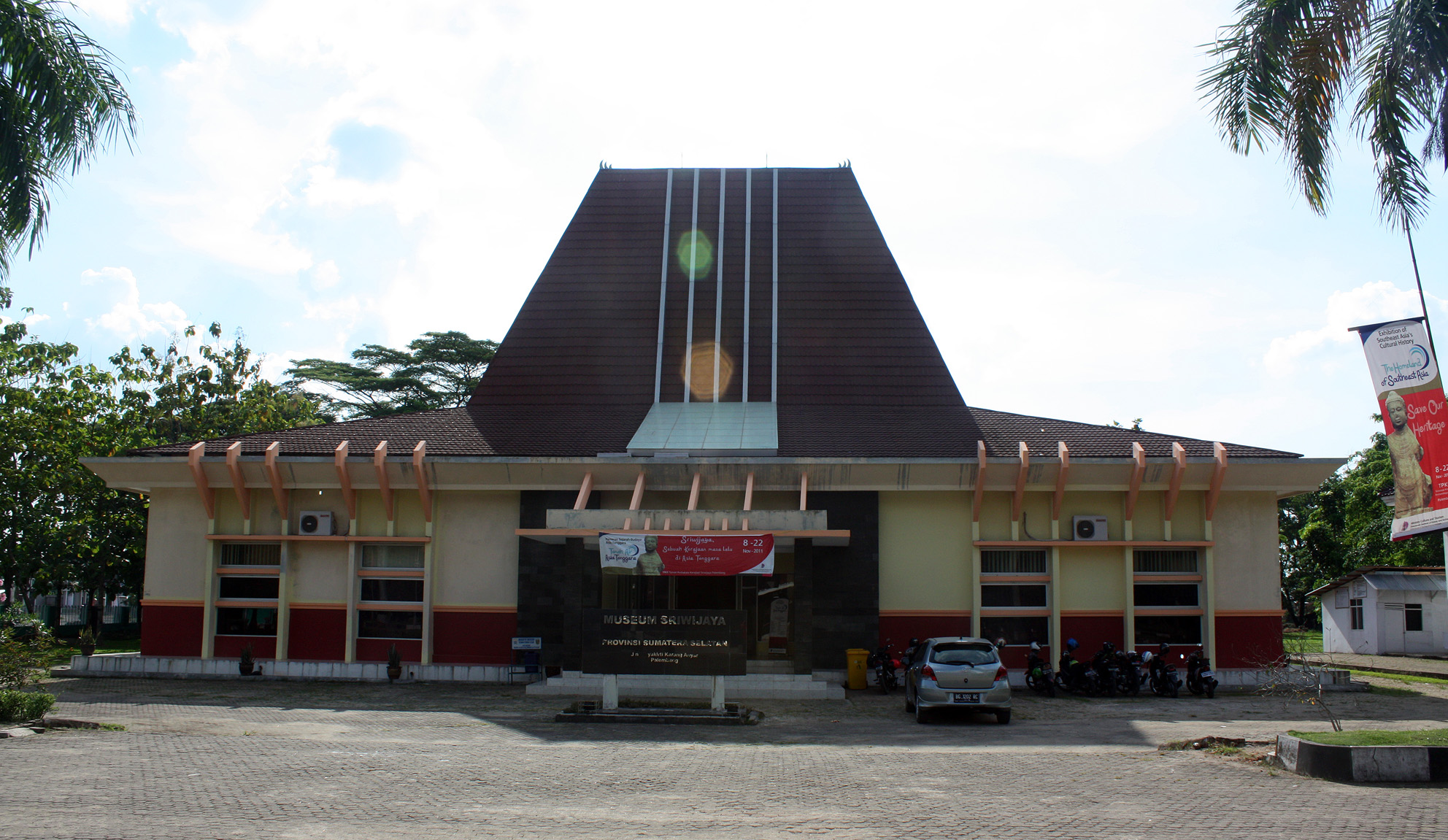
Sriwijaya Kingdom Archaeological Park
Ancient habitation with canals and ponds.
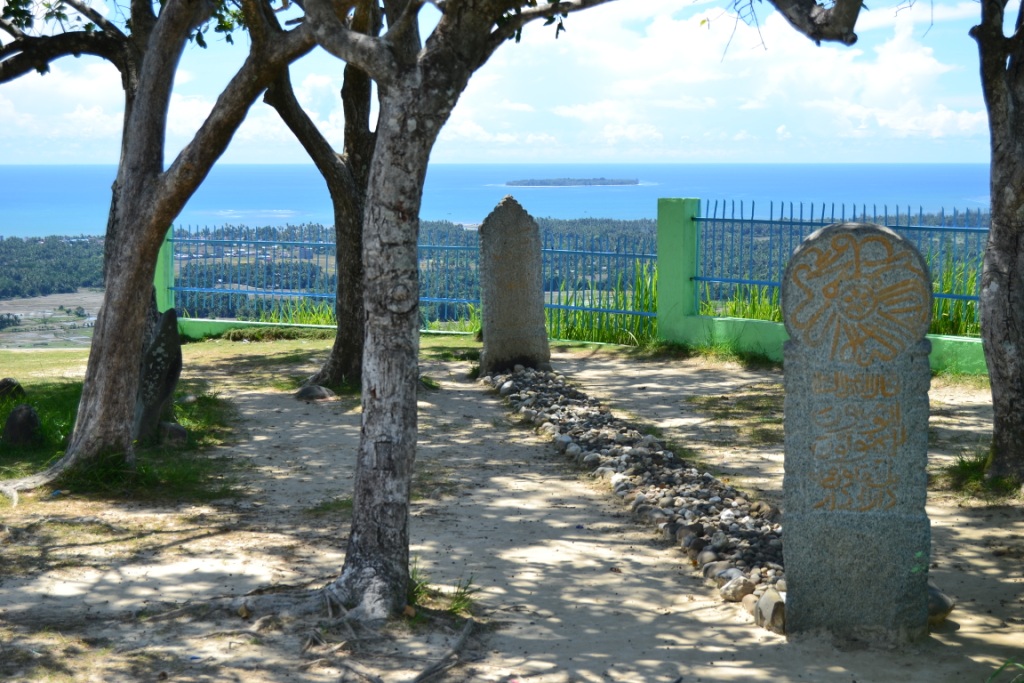
Makam Papan Tinggi
7th-8th century funerary complex on hill