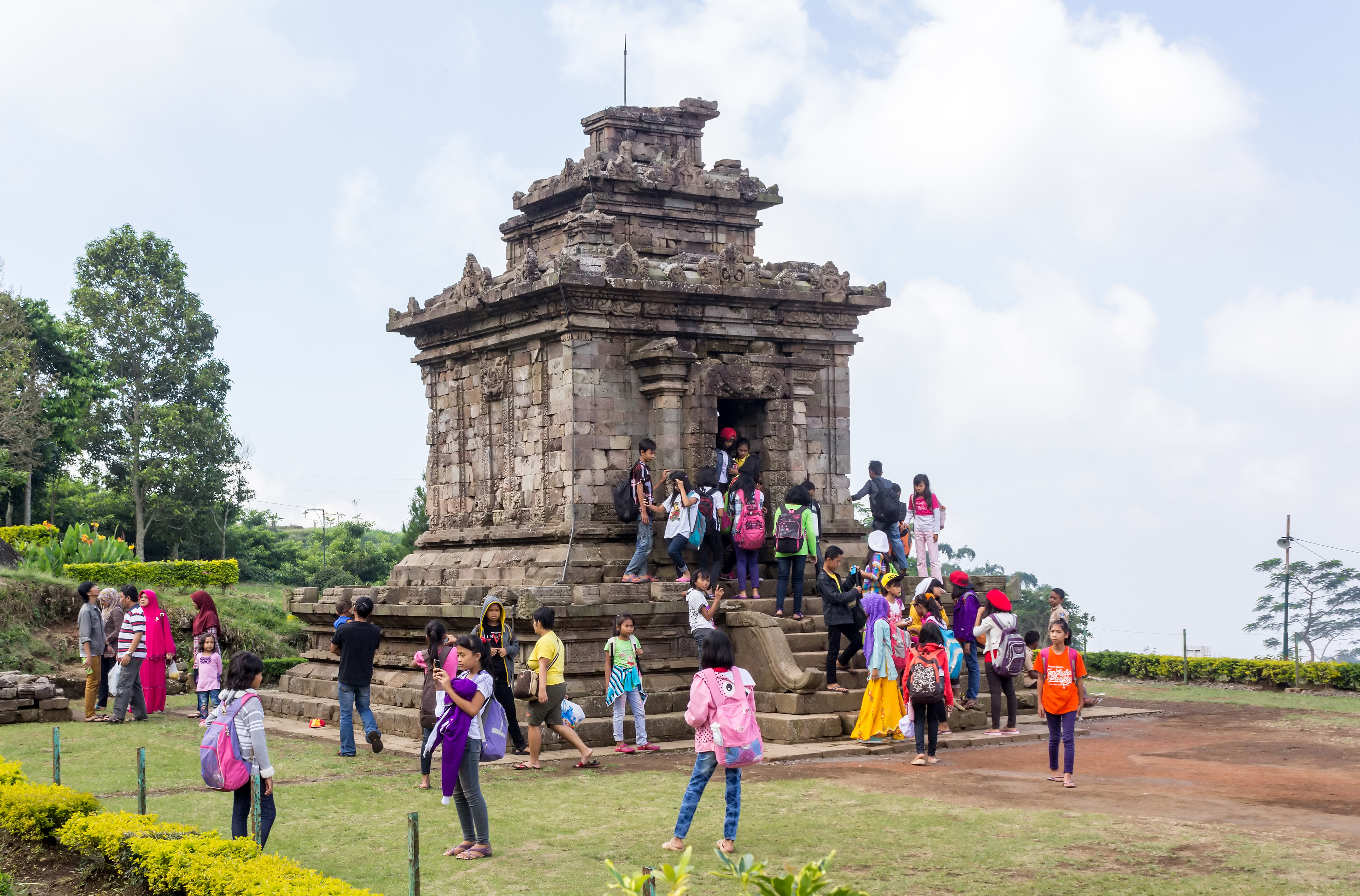
Explore the Map
Gedong Songo
-7.2085° N, 110.3418° E
About
The Gedong Songo complex is a significant archaeological site in Central Java, Indonesia, consisting of nine Hindu temples dedicated to Shiva and Parvati. Built on the slopes of Mount Ungaran, these temples date back to the 8th and 9th centuries CE, making them some of the earliest Hindu structures on Java island. The architecture reflects Indian influence, with features such as a square plan and intricate mouldings, yet adapted to local materials and styles. The temples served religious purposes and were active at least until the 15th century CE, as indicated by inscriptions found in the area. Gedong Songo is a testament to the early blending of Javanese and Indian architectural and religious traditions.
Gallery
Explore photographs of ancient structures, artifacts, and archaeological excavations

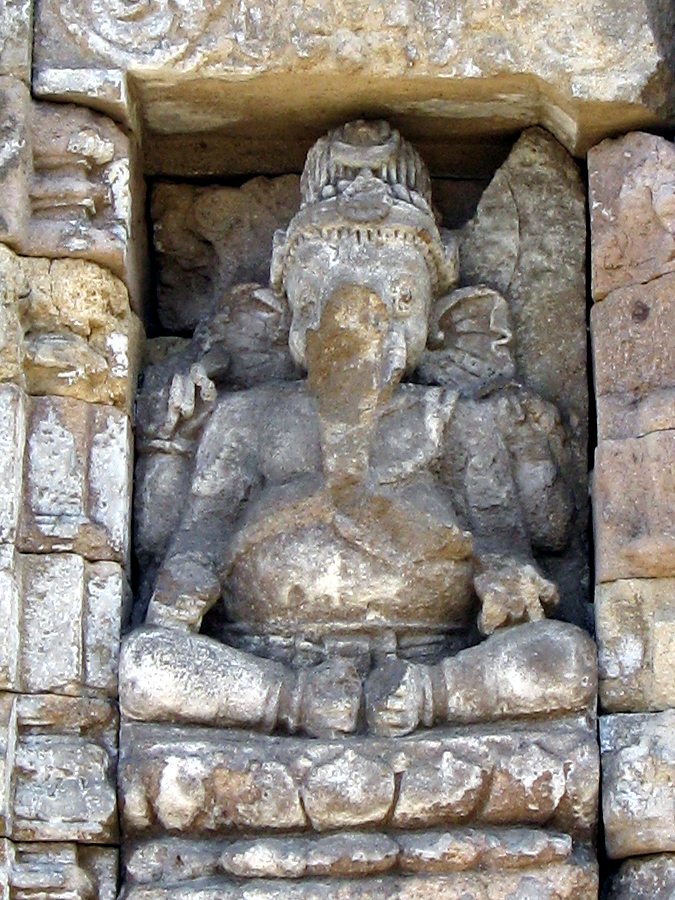
Historical Timeline
Journey through time and discover key events in this site's history
Construction of Gedong Songo Temples
780-830 CE
Inscription Evidence
1382 CE
Archaeological Features
Unique architectural and cultural elements found at this historical site
Religious and Ritual Structures
Artistic and Decorative Features
Frequently Asked Questions
Plan Your Visit
Tours, travel arrangements, and practical information

More Sites in Indonesia
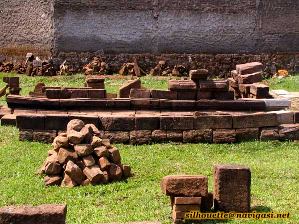
Bojongmenje
7th-century Hindu temple ruins in Java.
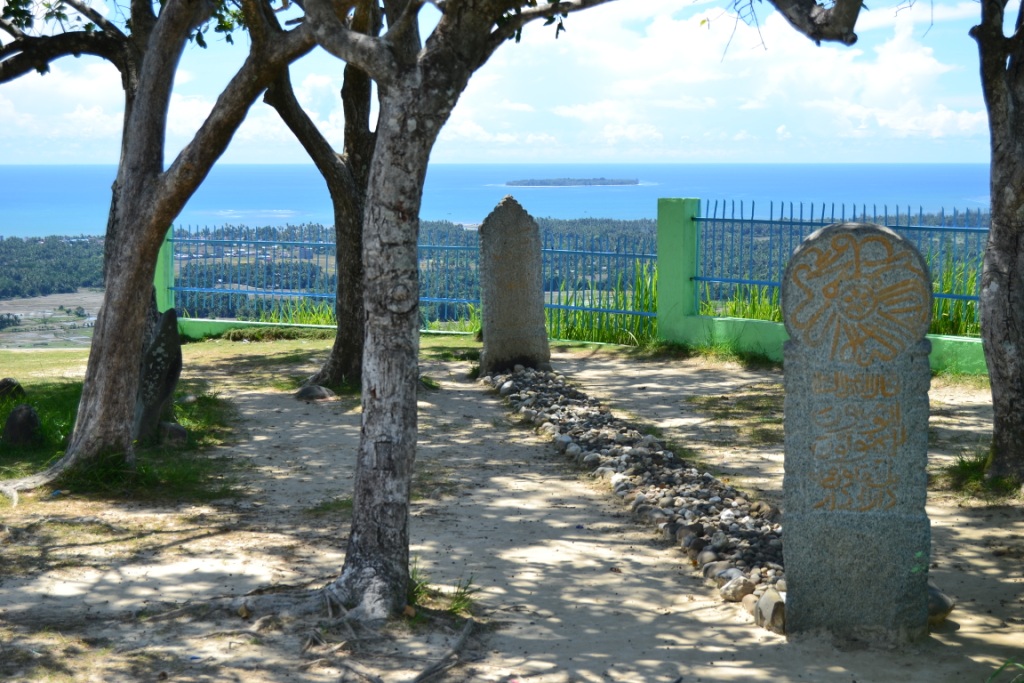
Makam Papan Tinggi
7th-8th century funerary complex on hill
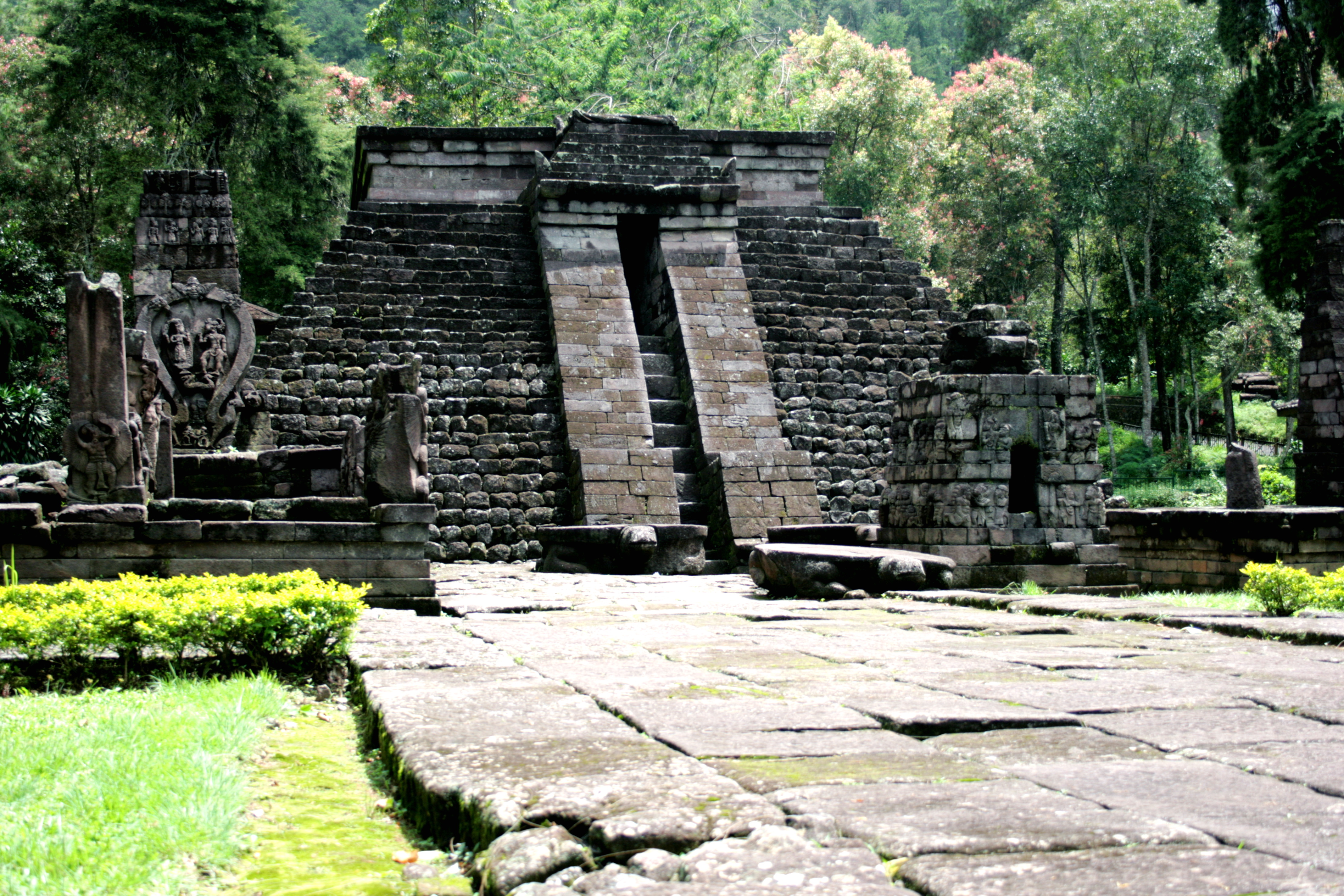
Sukuh
15th-century Javanese-Hindu pyramid temple
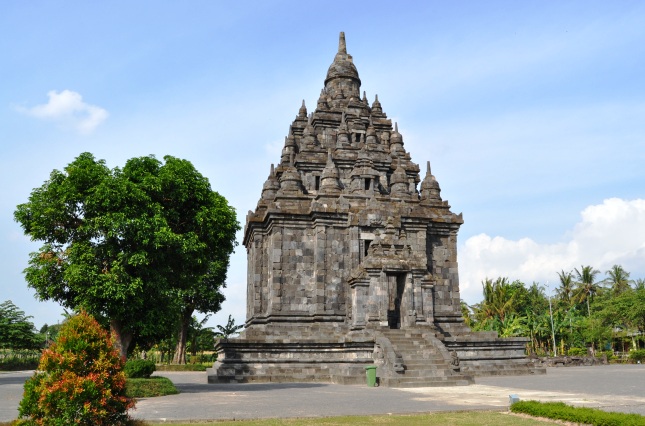
Sojiwan
9th-century Mahayana Buddhist temple complex
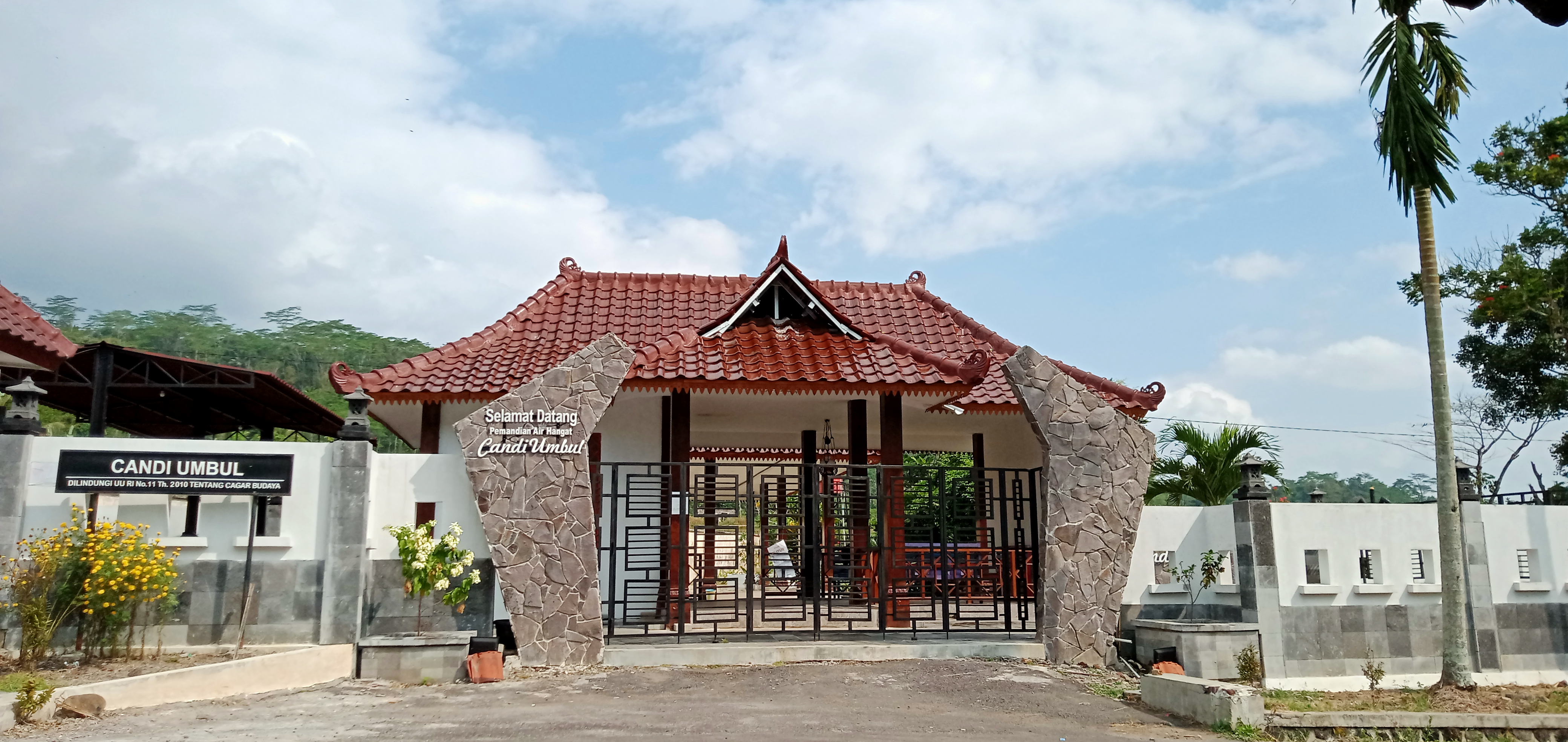
Umbul Temple
9th-century Hindu temple with bathing pools.
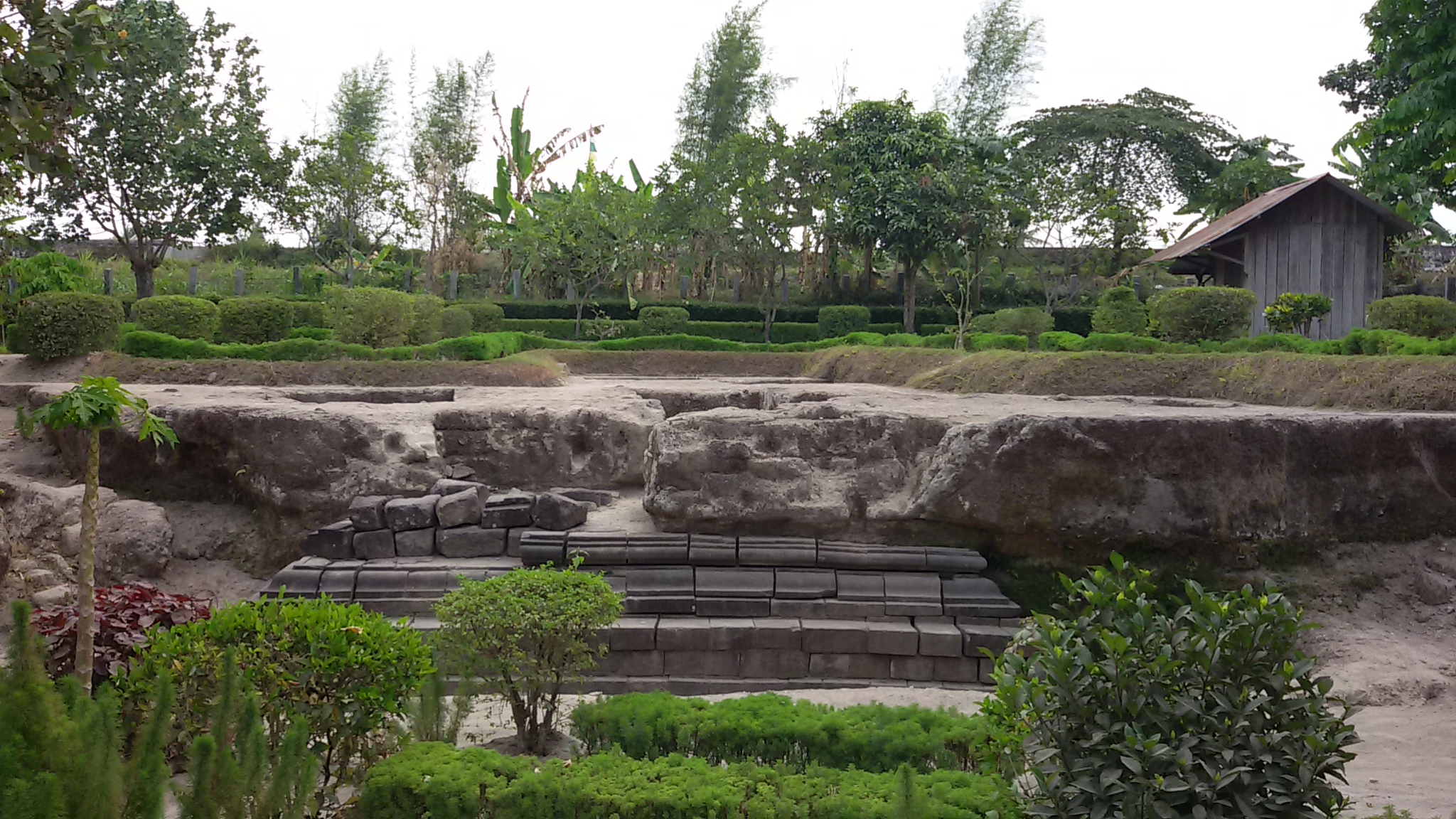
Kadisoka
Partially excavated Hindu temple in Indonesia.