Explore the Map
Sewu
-7.7439° N, 110.4925° E
About
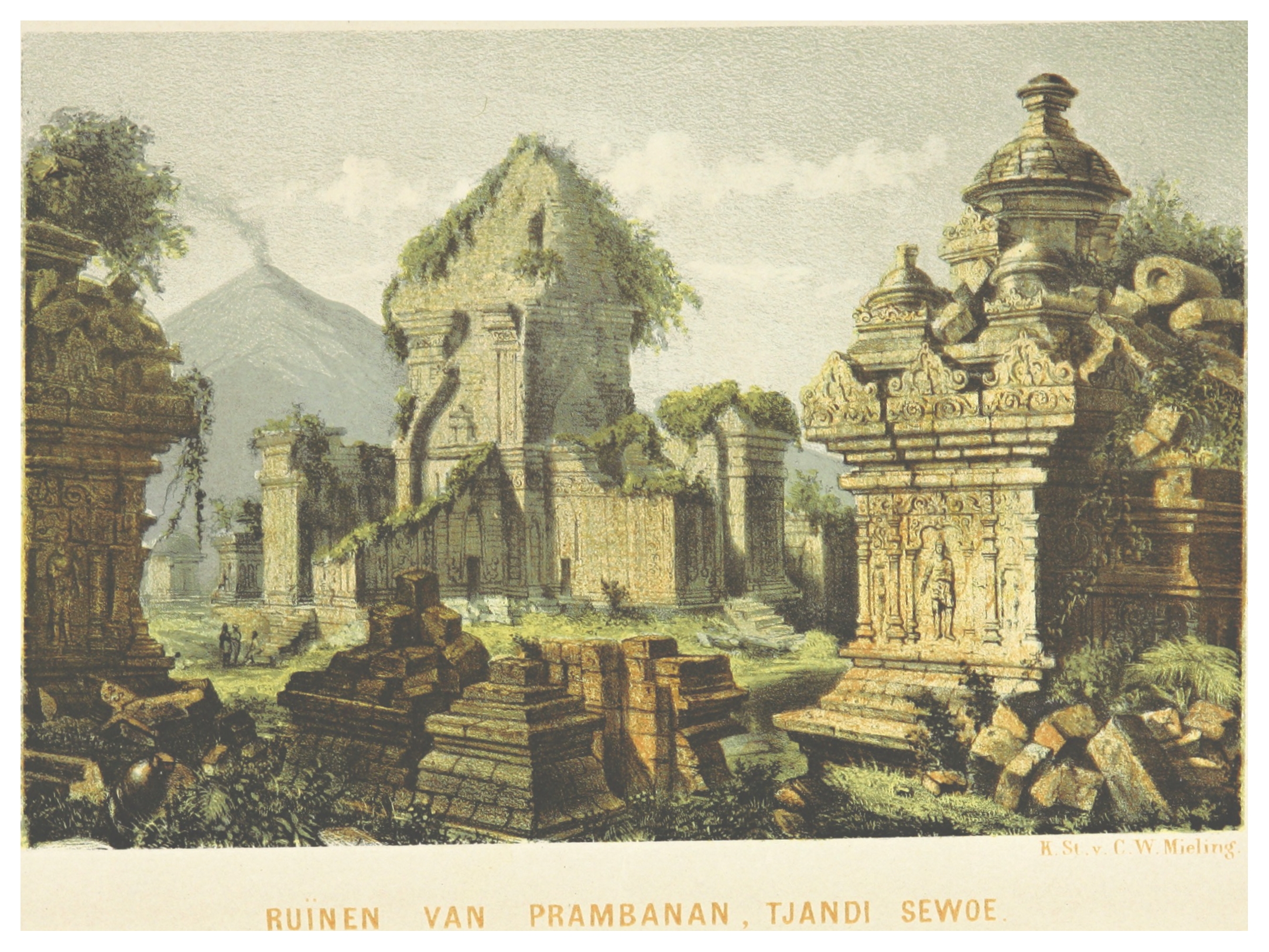
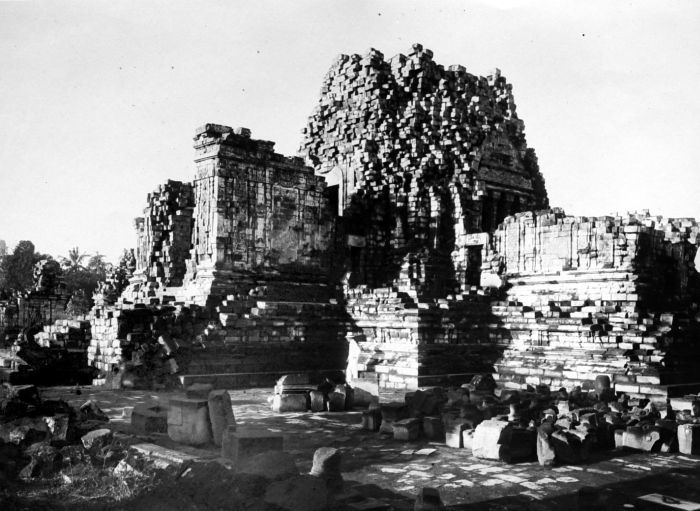
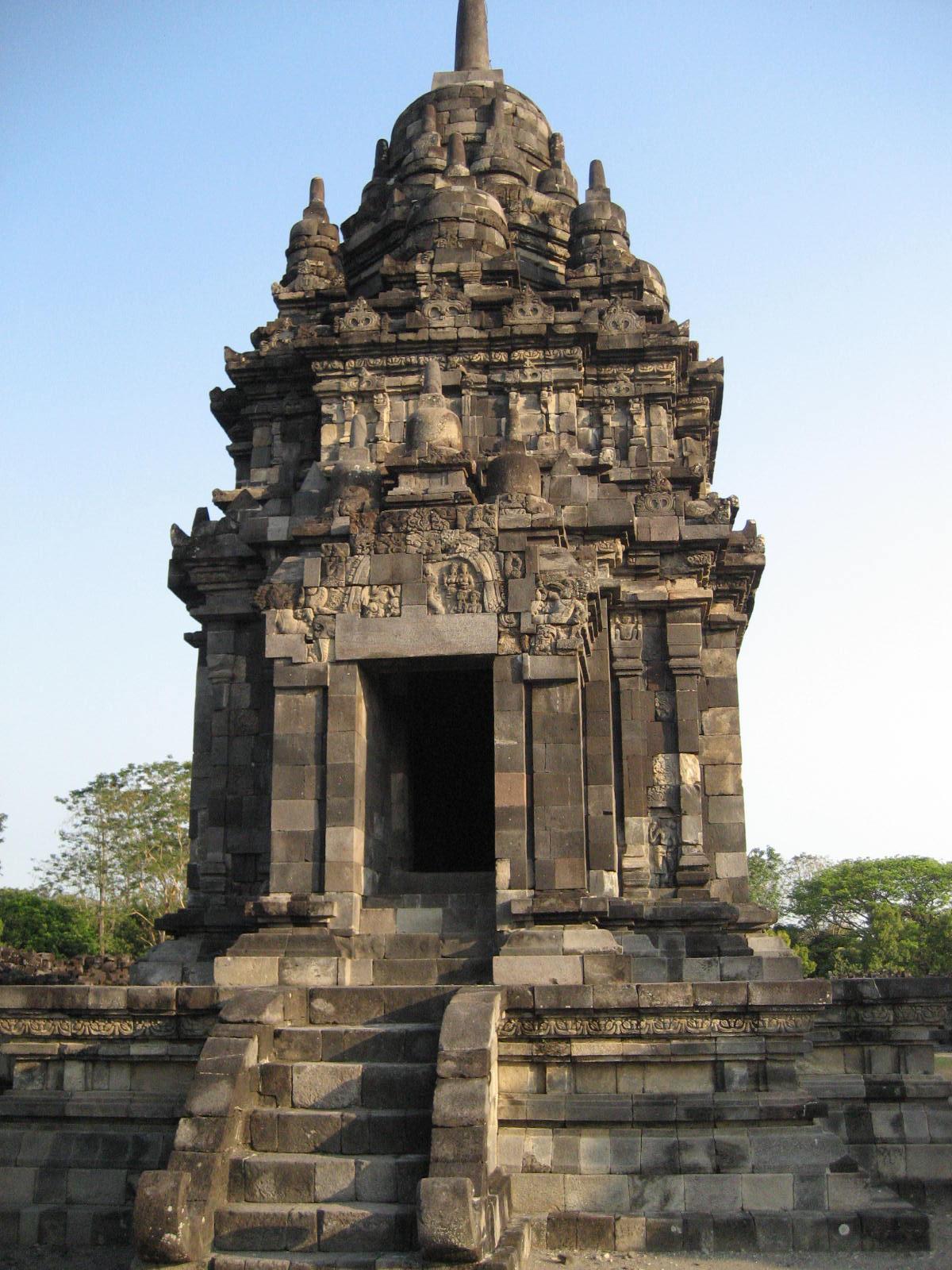
Candi Sewu, also known as Manjusri grha, is an eighth-century Buddhist temple complex located in Central Java, Indonesia. It is the second-largest Buddhist temple complex in the country, predating the famous Borobudur by several decades. The site consists of 249 temples arranged in a mandala pattern, symbolizing the universe in Mahayana Buddhist cosmology. The main temple, which originally housed a large bronze statue, stands at 30 meters high with a cross-shaped layout. The complex reflects the harmonious coexistence of Hindu and Buddhist communities during its time, as evidenced by its proximity to the Hindu Prambanan temple. Despite damage from earthquakes and looting over the centuries, Candi Sewu remains an important cultural and religious site, hosting annual ceremonies such as Waisak Day.
Gallery
Explore photographs of ancient structures, artifacts, and archaeological excavations
Historical Timeline
Journey through time and discover key events in this site's history
Construction begins
782 CE
Construction completed
792 CE
Archaeological Features
Unique architectural and cultural elements found at this historical site
Religious and Ritual Structures
Artistic and Decorative Features
Frequently Asked Questions
Plan Your Visit
Tours, travel arrangements, and practical information
More Sites in Indonesia
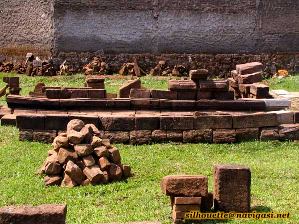
Bojongmenje
7th-century Hindu temple ruins in Java.
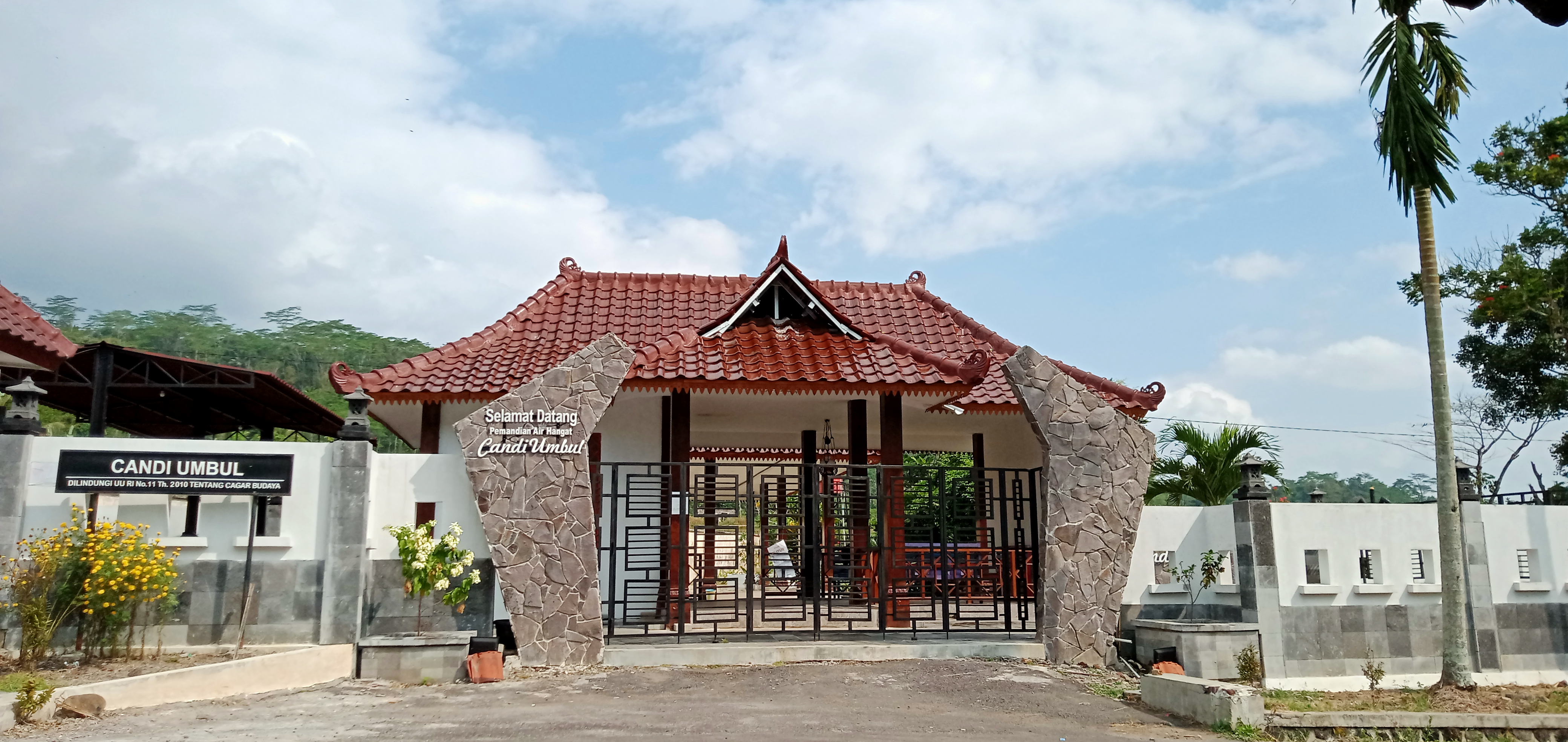
Umbul Temple
9th-century Hindu temple with bathing pools.
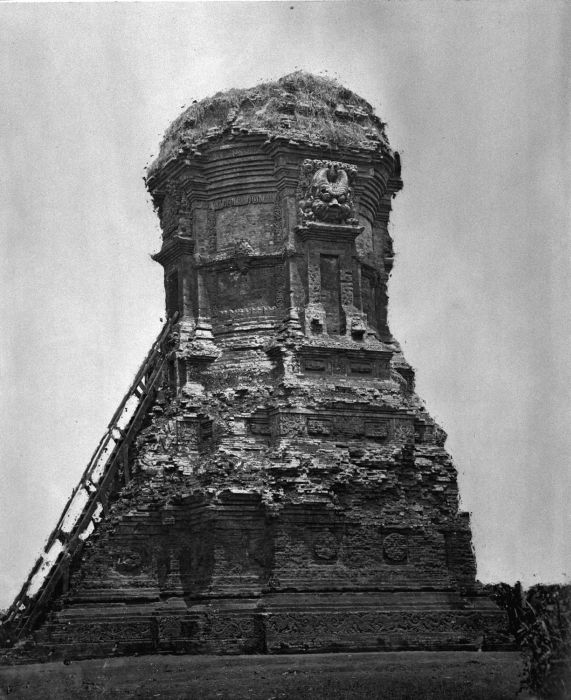
Jabung
14th-century brick Buddhist temple in Java.
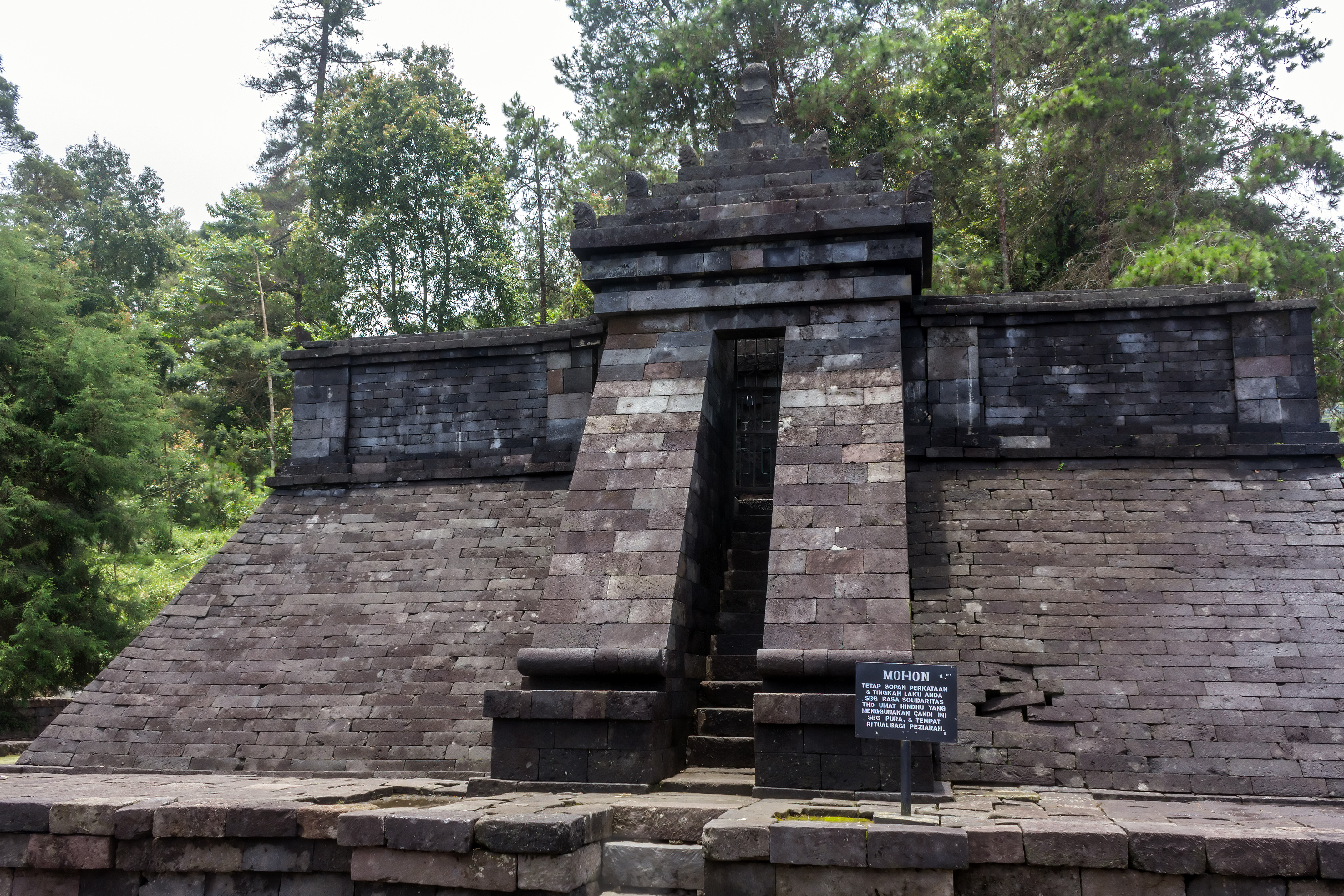
Ceto Temple
Fifteenth-century Javanese-Hindu temple on Mount Lawu.
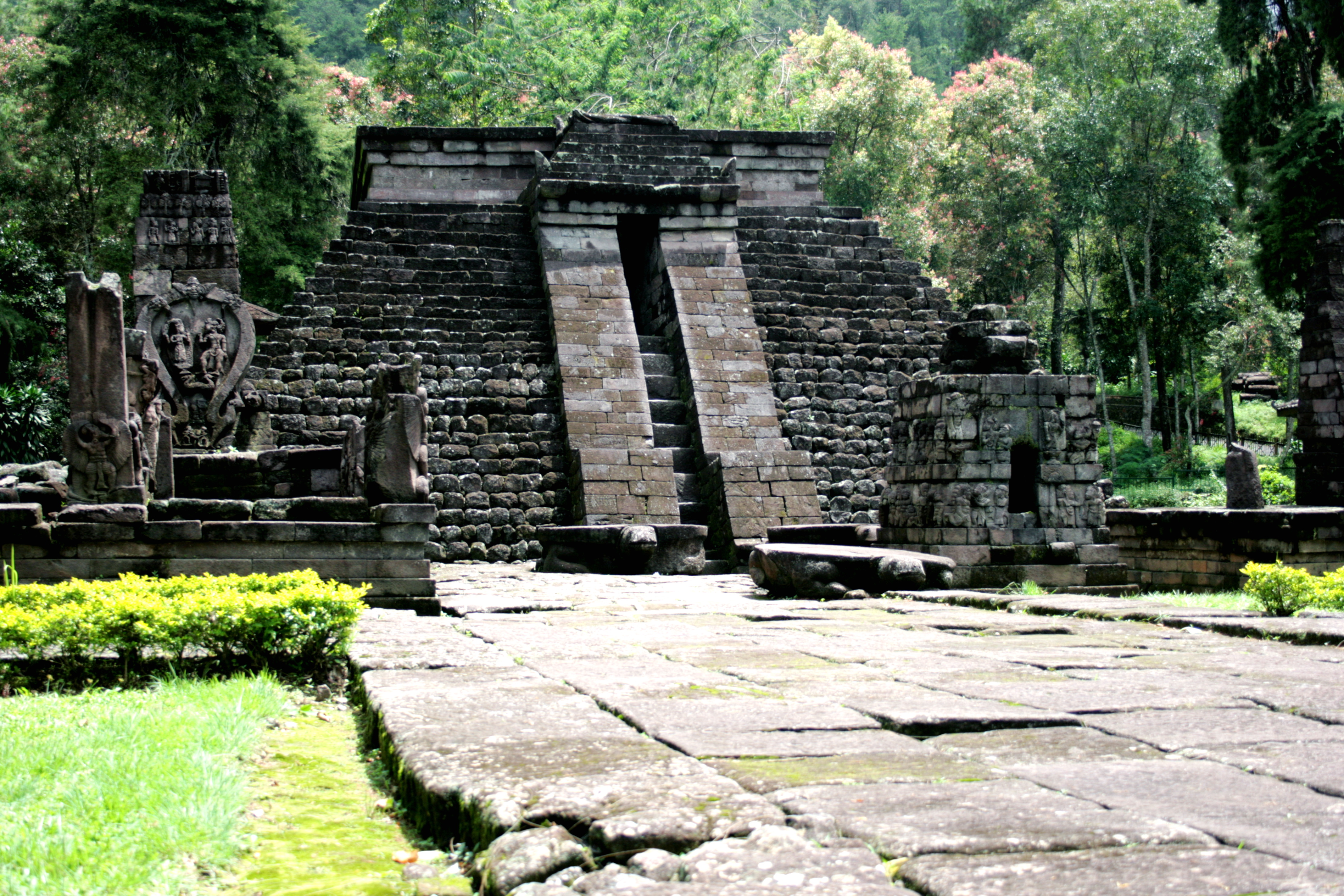
Sukuh
15th-century Javanese-Hindu pyramid temple
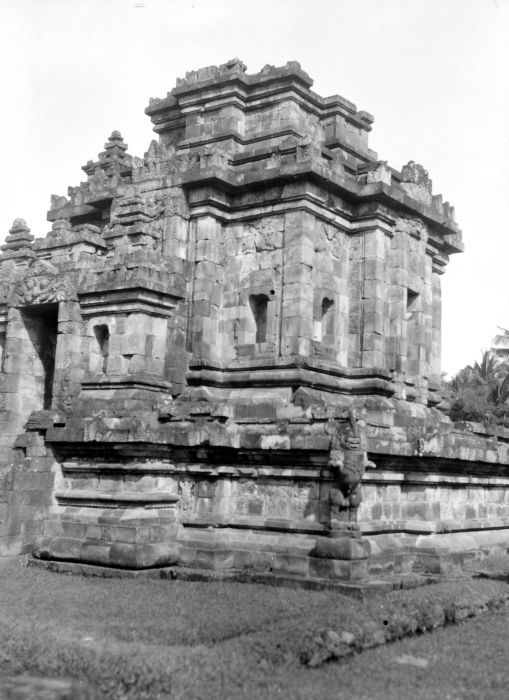
Ngawen
8th-century Buddhist temple with lion statues