Explore the Map
Kimpulan
-7.6884° N, 110.4154° E
About
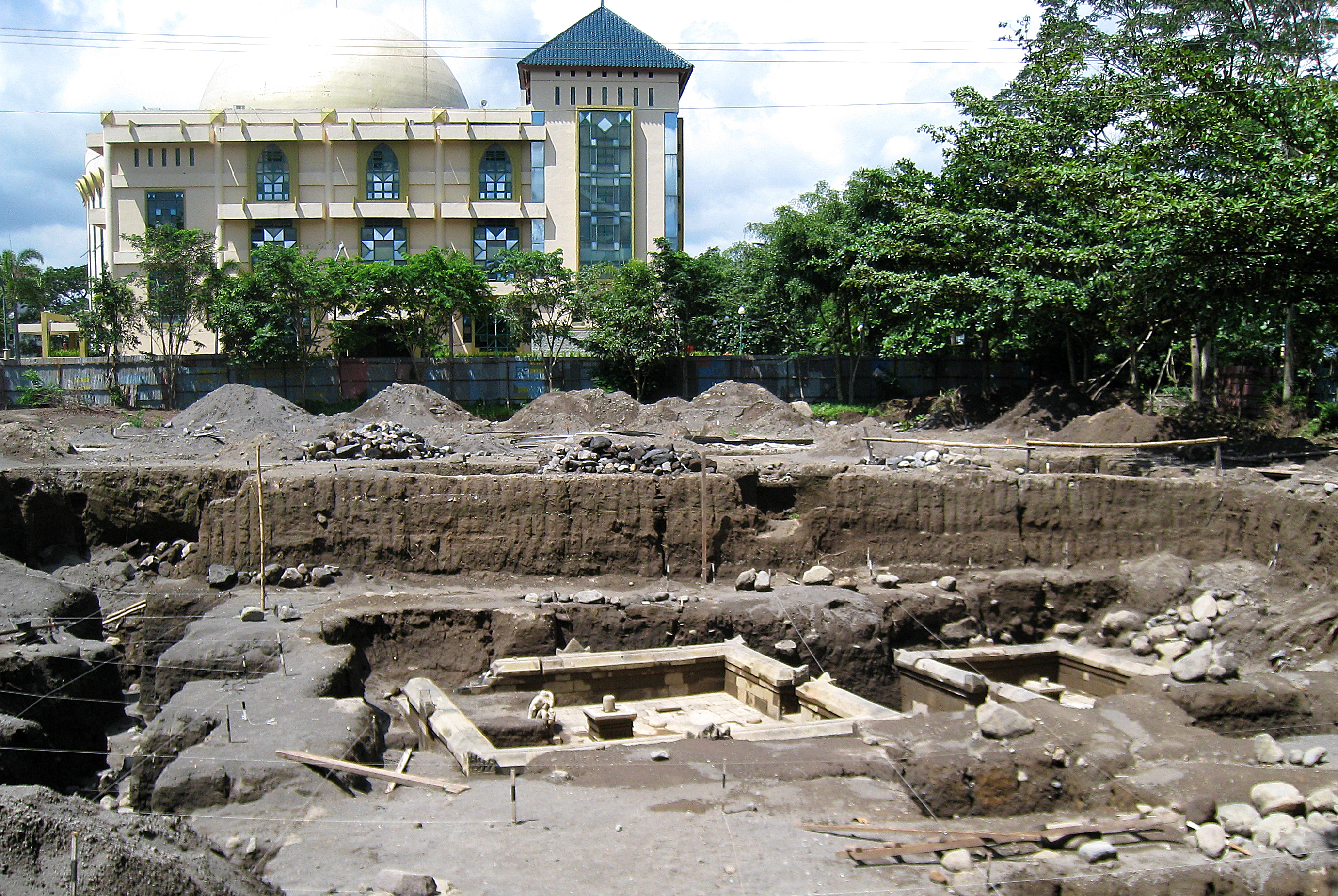
Kimpulan, also known as Pustakasala Temple, is a Hindu Shaivite temple dating back to the 9th to 10th century CE, located in the Special Region of Yogyakarta, Indonesia. It was discovered accidentally in 2009 during excavations at the Islamic University of Indonesia. The temple, primarily constructed from andesite stone, was buried under volcanic ash from Mount Merapi. The site includes statues of Hindu deities such as Ganesha and Nandi, as well as a Lingam-Yoni, reflecting its Shaivite nature. Unlike more elaborate contemporaneous temples, Kimpulan is modest in size and likely built with organic materials now decayed. The temple's discovery has sparked interest in potential unseen archaeological heritage in the region.
Gallery
Explore photographs of ancient structures, artifacts, and archaeological excavations
Historical Timeline
Journey through time and discover key events in this site's history
Kimpulan Temple Construction
900 CE - 1000 CE
Archaeological Features
Unique architectural and cultural elements found at this historical site
Religious and Ritual Structures
Artistic and Decorative Features
Frequently Asked Questions
Plan Your Visit
Tours, travel arrangements, and practical information

More Sites in Indonesia
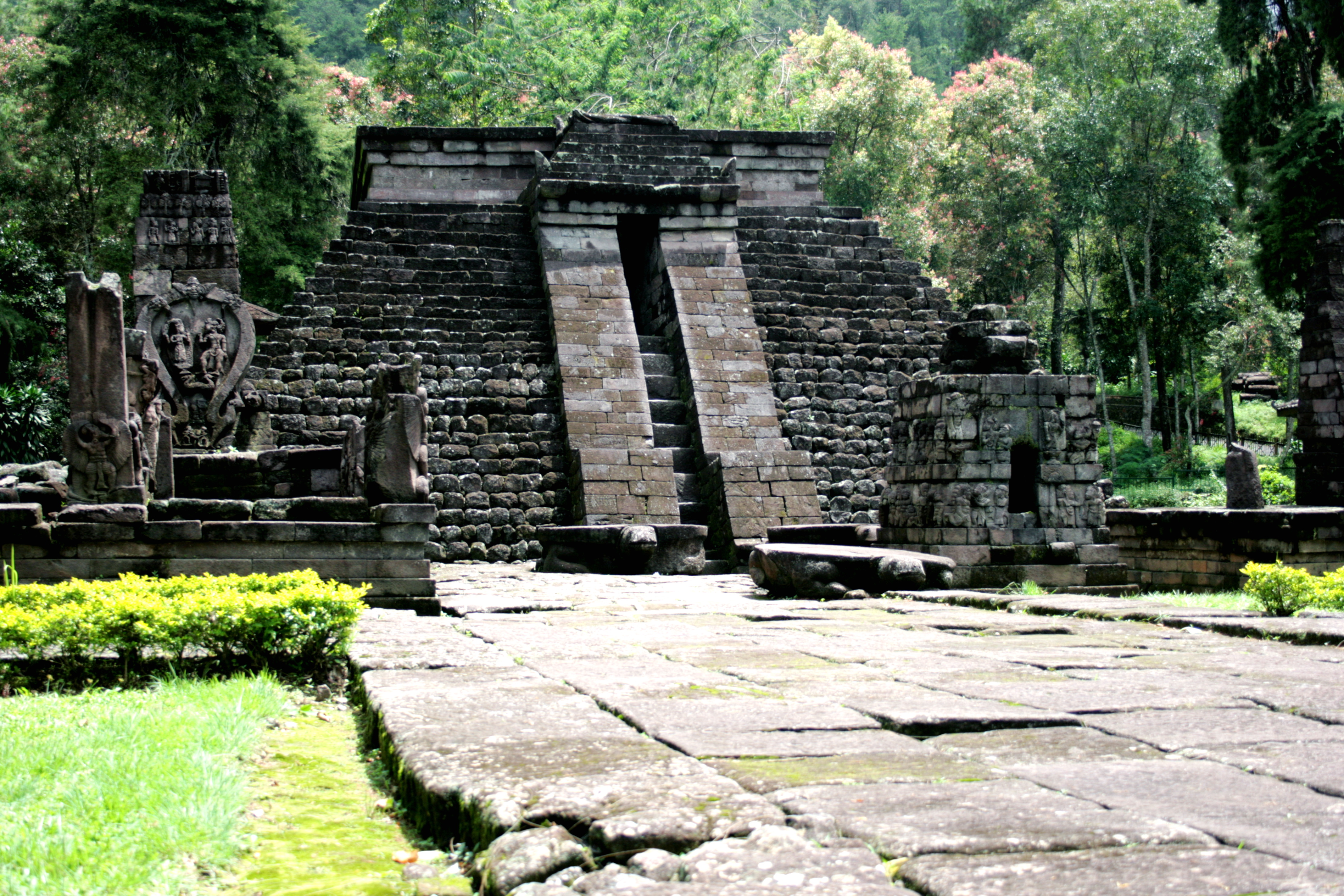
Sukuh
15th-century Javanese-Hindu pyramid temple
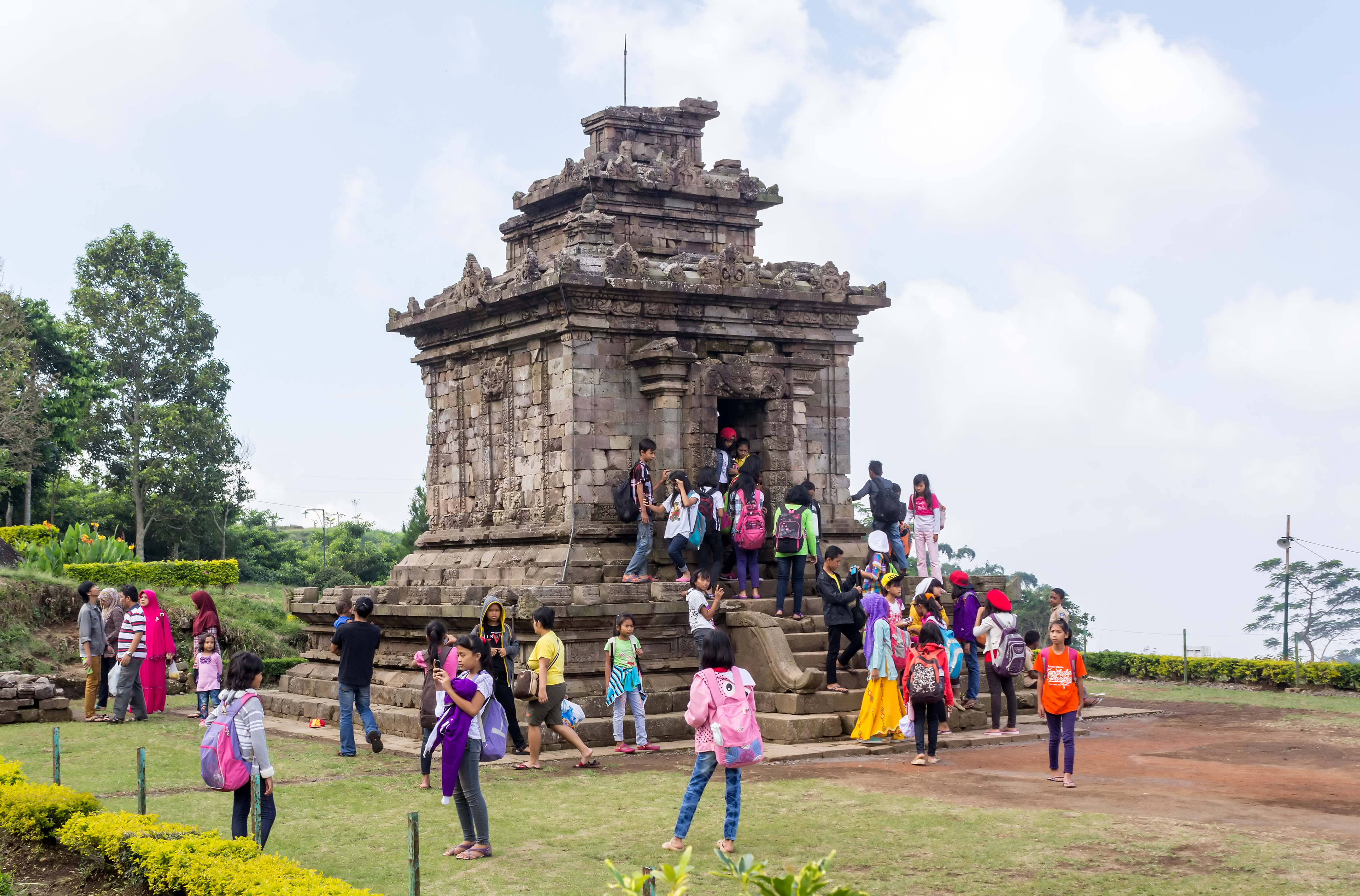
Gedong Songo
Hindu temples with Indian architectural influence.
Bojongmenje
7th-century Hindu temple ruins in Java.
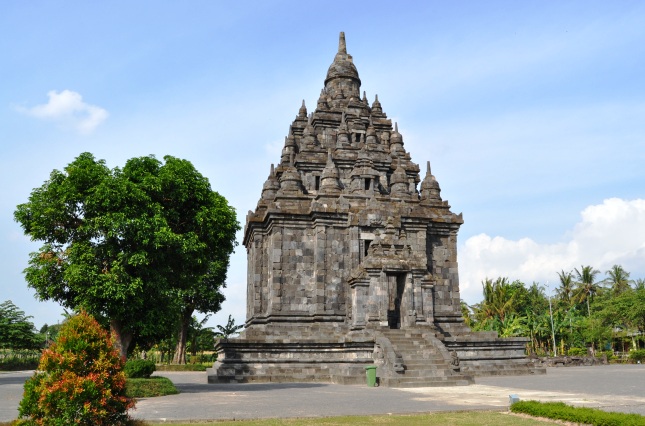
Sojiwan
9th-century Mahayana Buddhist temple complex
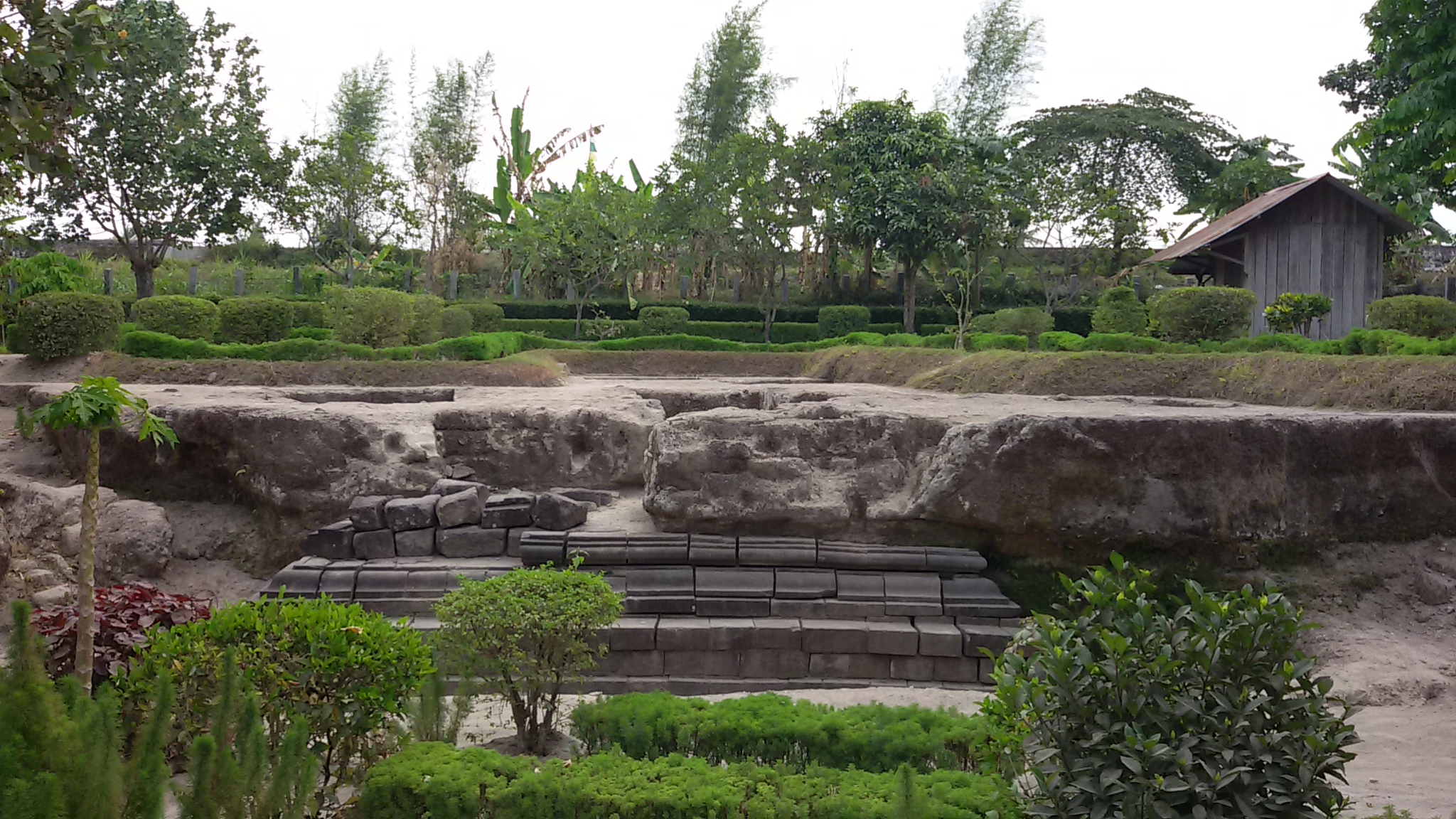
Kadisoka
Partially excavated Hindu temple in Indonesia.
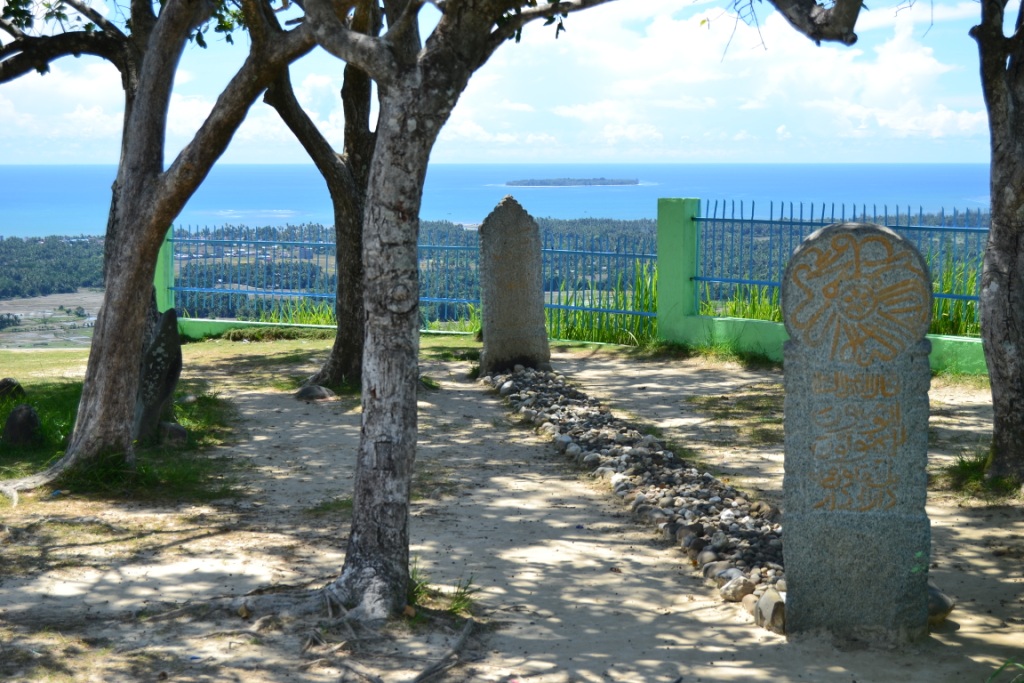
Makam Papan Tinggi
7th-8th century funerary complex on hill