
Explore the Map
Bubrah
-7.7466° N, 110.4929° E
About
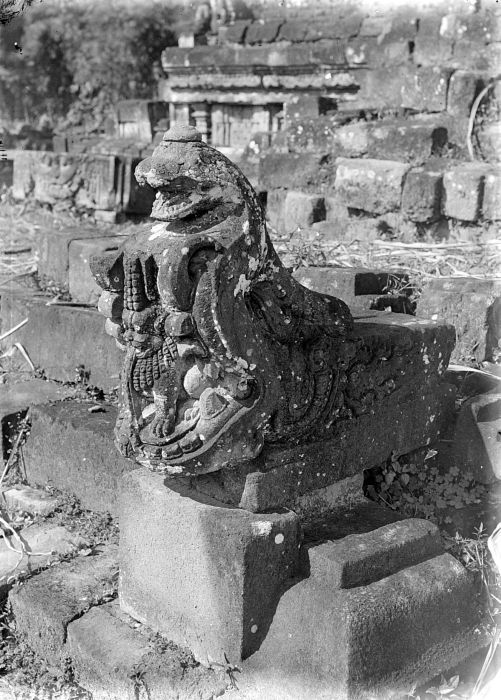
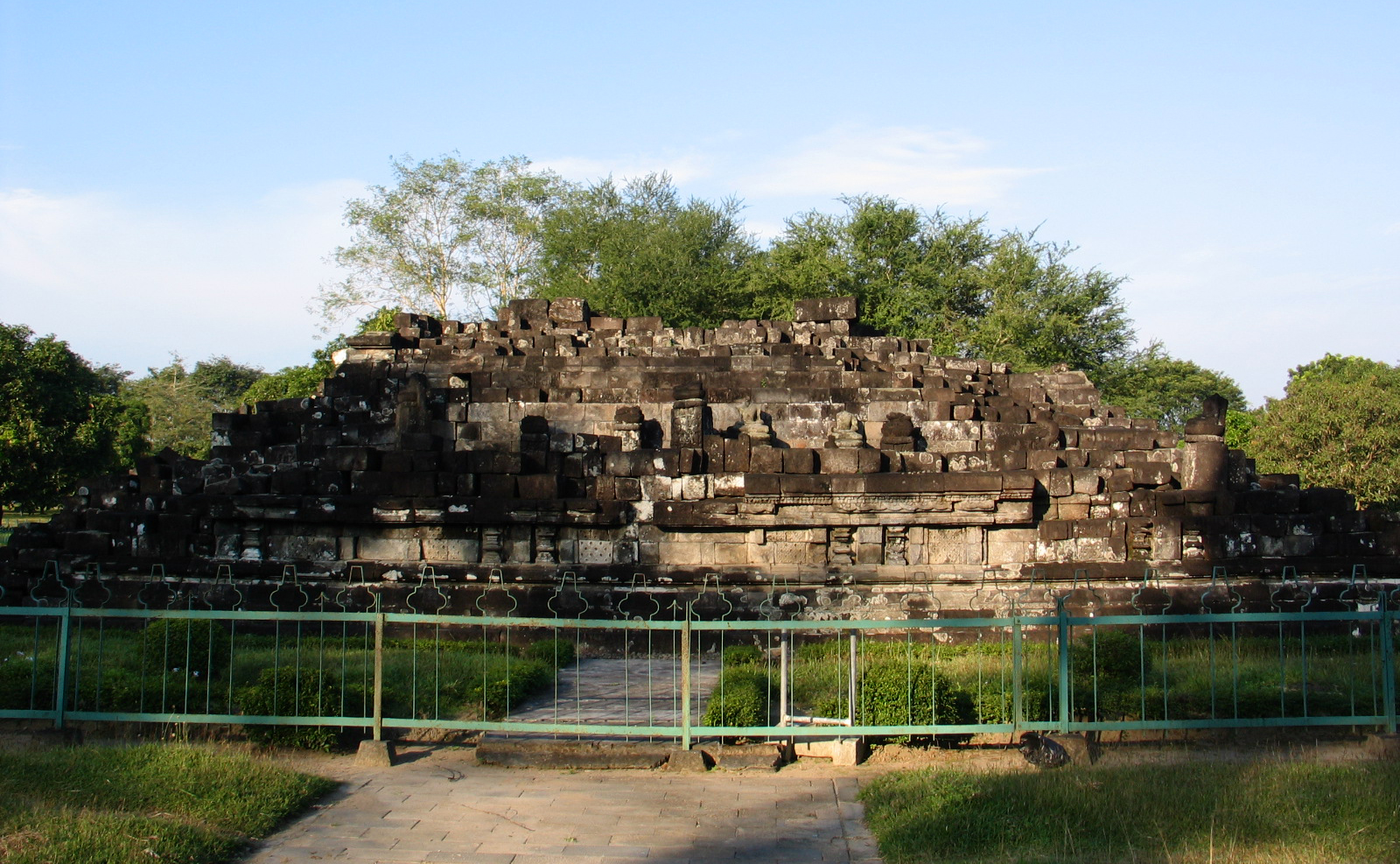
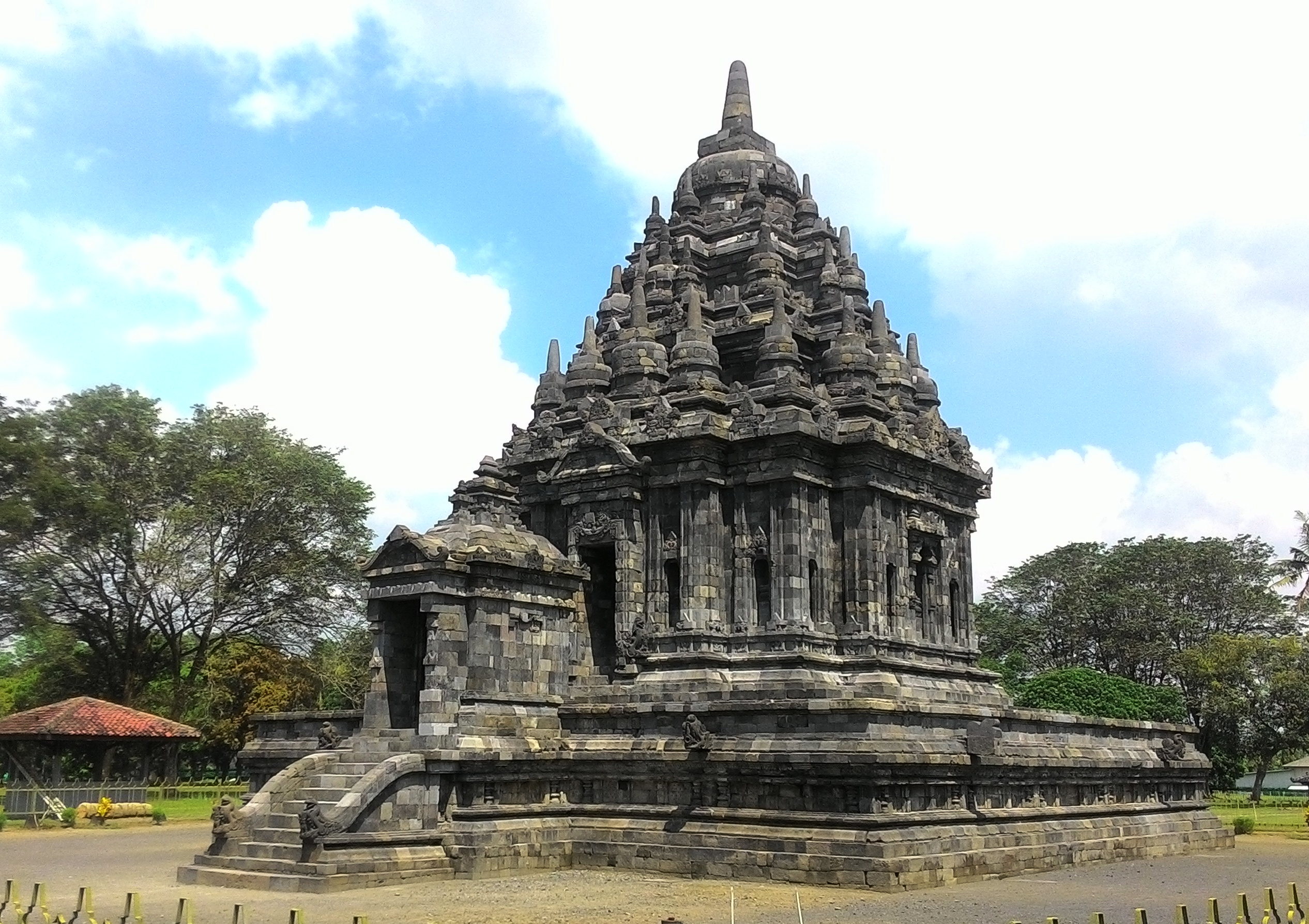
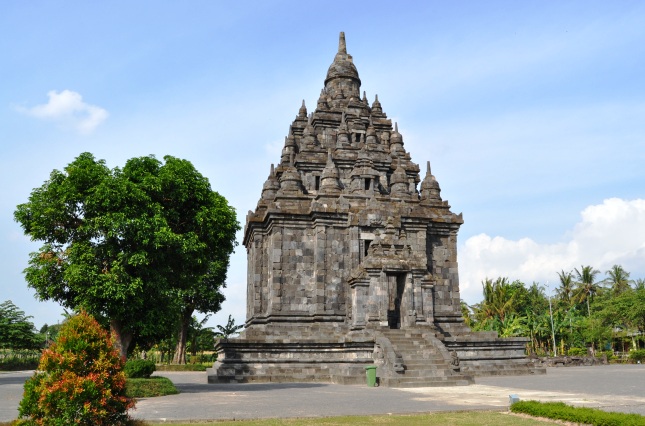
Bubrah Temple, a 9th-century Buddhist structure, is situated within the Prambanan Temple Archaeological Park in Central Java, Indonesia. Originally constructed as part of the larger Sewu temple compound during the Mataram kingdom's reign, the temple serves as the southern guardian shrine in the mandala layout of the Manjusrigrha complex. Its ruins, once a mere heap of stones standing two meters tall, reflect centuries of neglect following the capital's relocation to Eastern Java in the 11th century. The temple's design mirrors that of nearby Apit and Sojiwan temples, featuring an east-facing entrance and a roof lined with stupas. Recognized as a UNESCO World Heritage Site in 1991, Bubrah underwent significant reconstruction from 2011 to 2017, restoring its historical and cultural importance.
Gallery
Explore photographs of ancient structures, artifacts, and archaeological excavations
Historical Timeline
Journey through time and discover key events in this site's history
Construction of Bubrah Temple
9th century CE
Neglect of Bubrah Temple
11th century CE
Archaeological Features
Unique architectural and cultural elements found at this historical site
Religious and Ritual Structures
Frequently Asked Questions
Plan Your Visit
Tours, travel arrangements, and practical information
More Sites in Indonesia
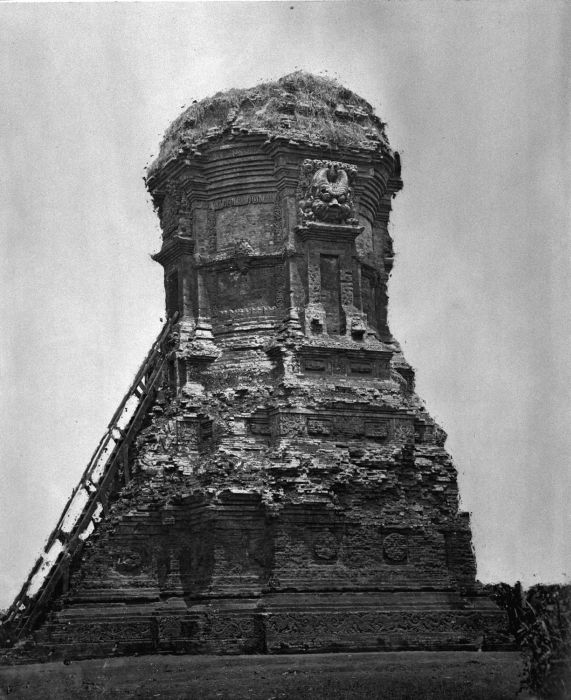
Jabung
14th-century brick Buddhist temple in Java.
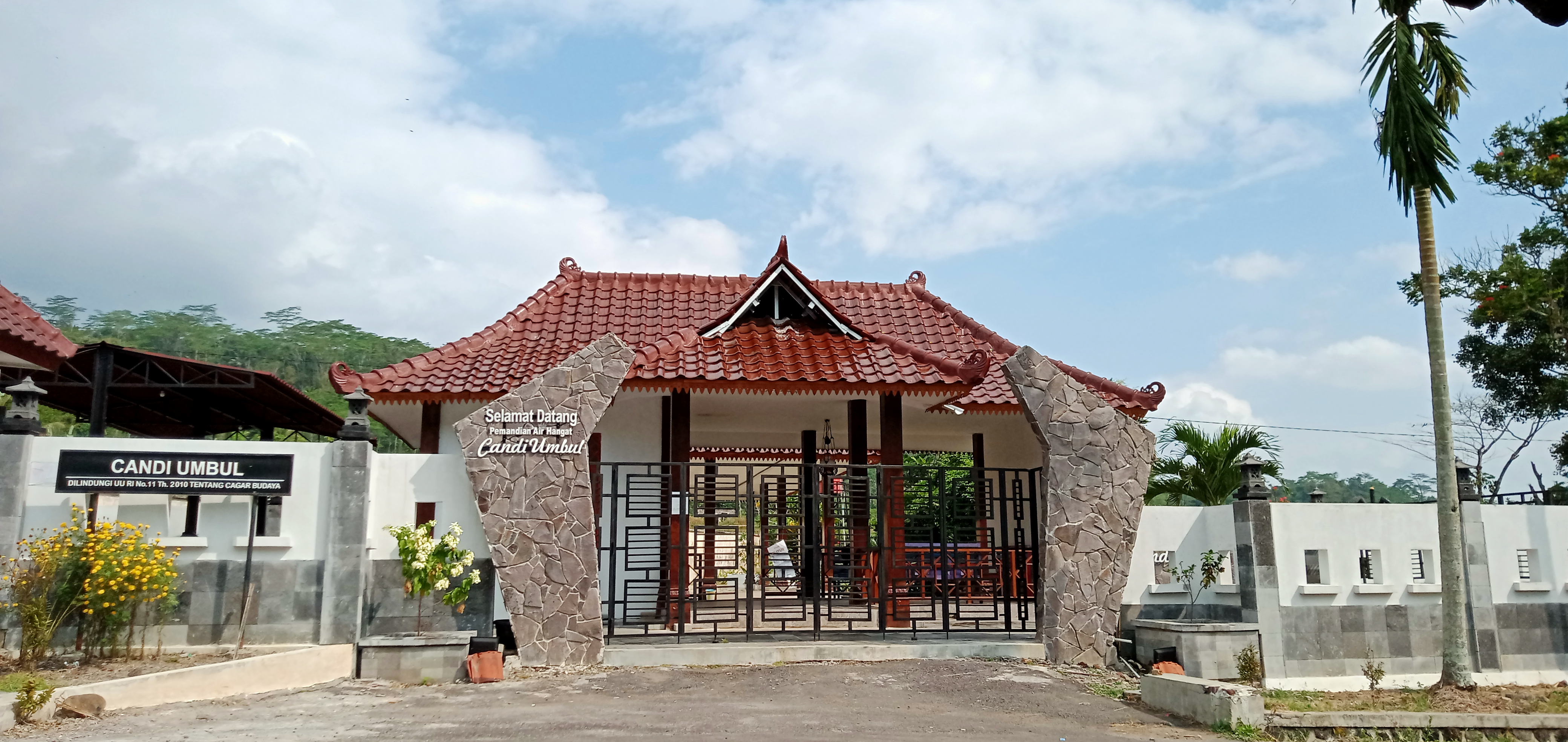
Umbul Temple
9th-century Hindu temple with bathing pools.
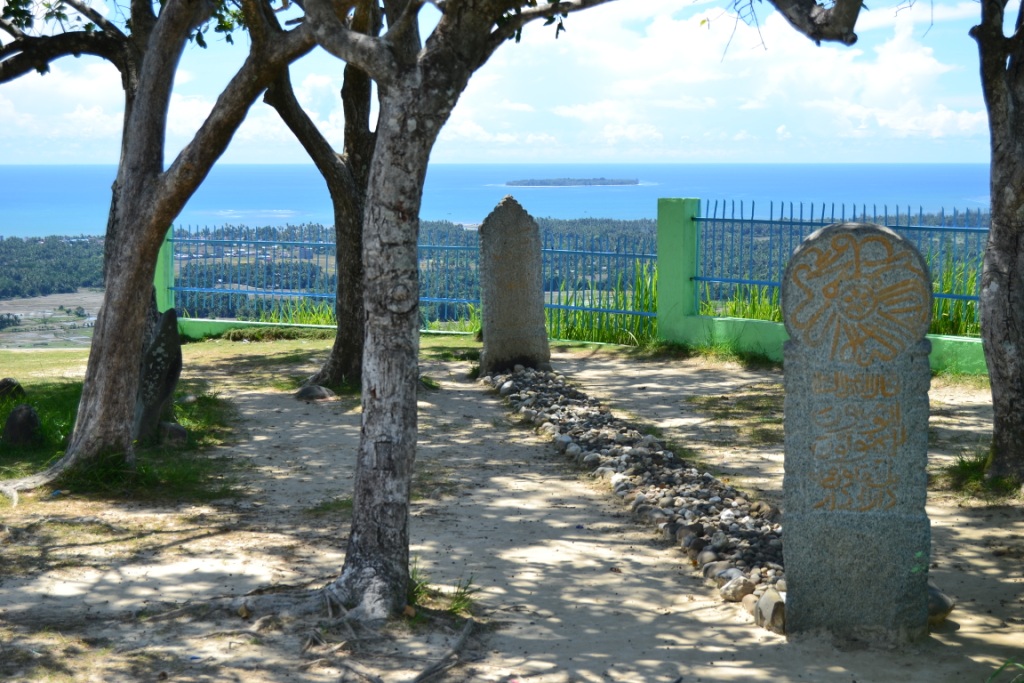
Makam Papan Tinggi
7th-8th century funerary complex on hill
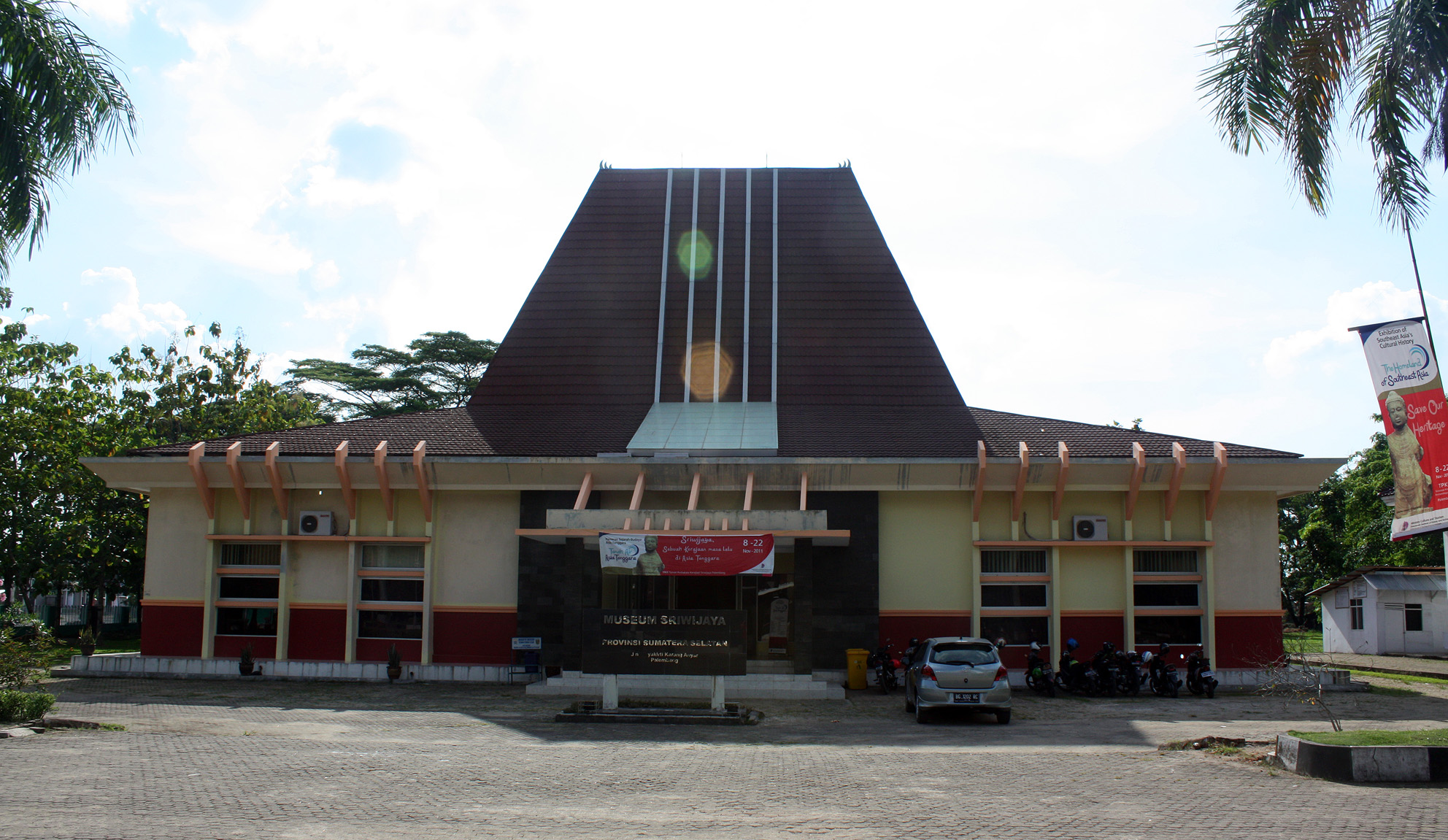
Sriwijaya Kingdom Archaeological Park
Ancient habitation with canals and ponds.
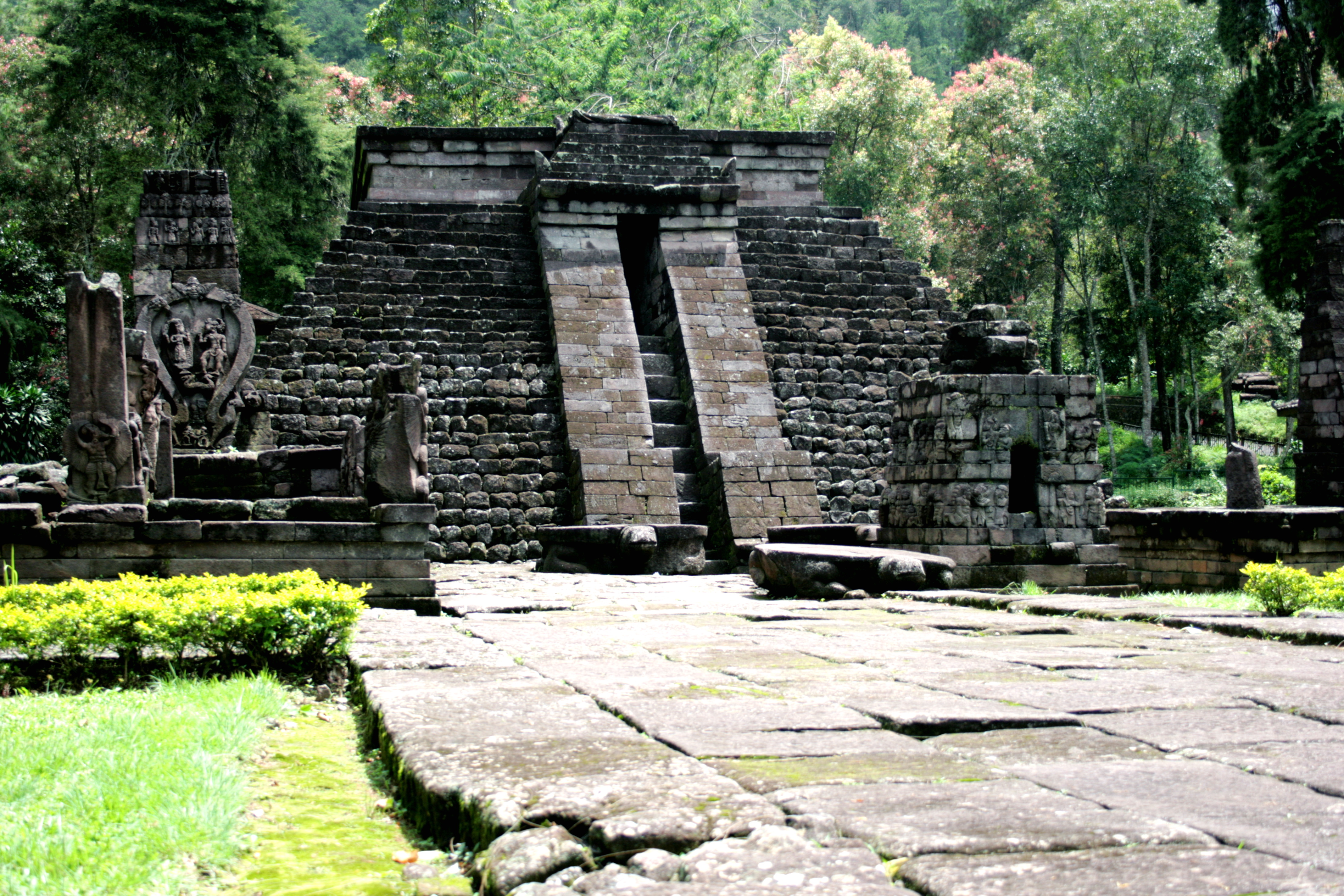
Sukuh
15th-century Javanese-Hindu pyramid temple
Sojiwan
9th-century Mahayana Buddhist temple complex