Explore the Map
Sambisari
-7.7625° N, 110.4469° E
About
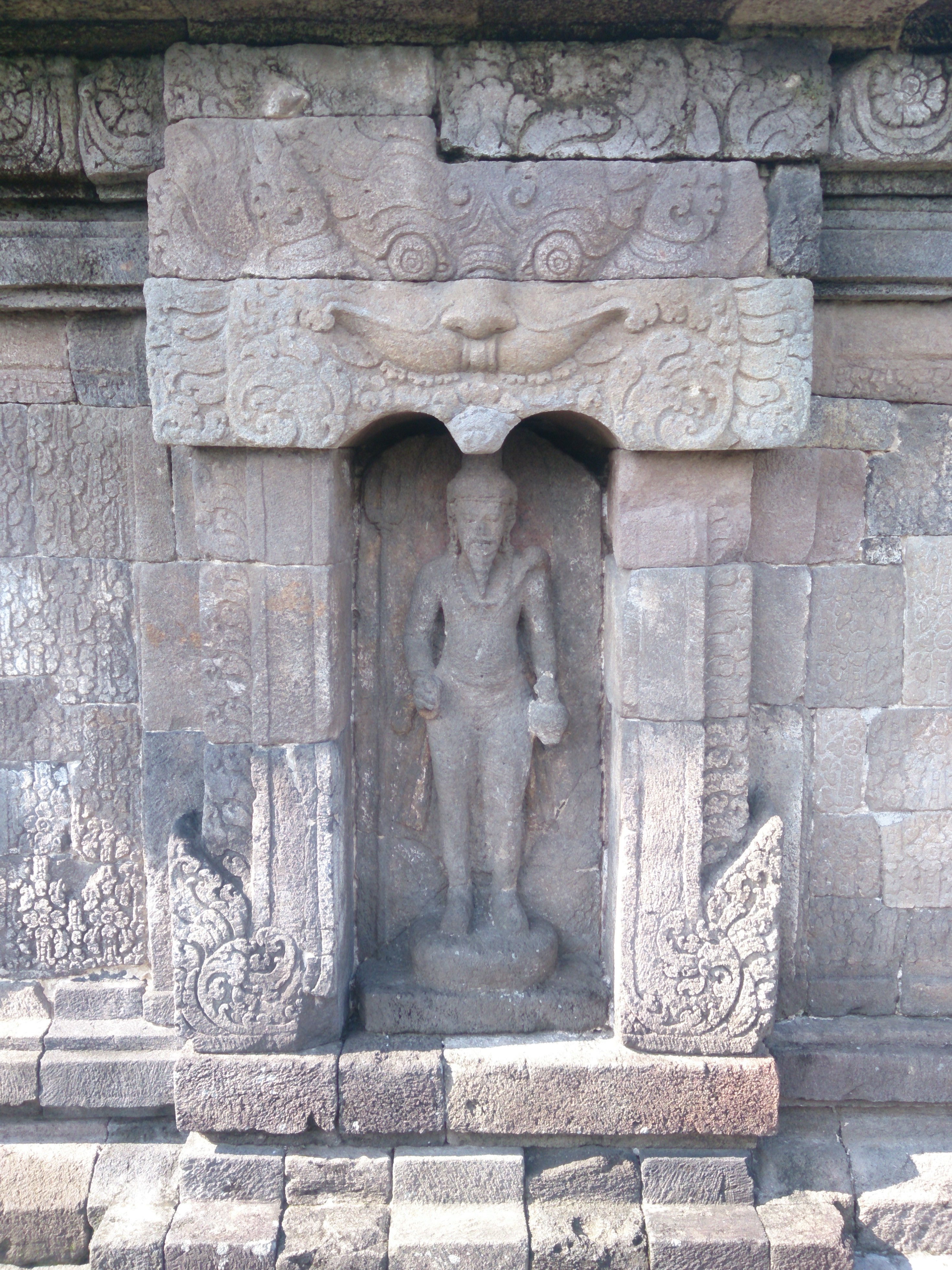
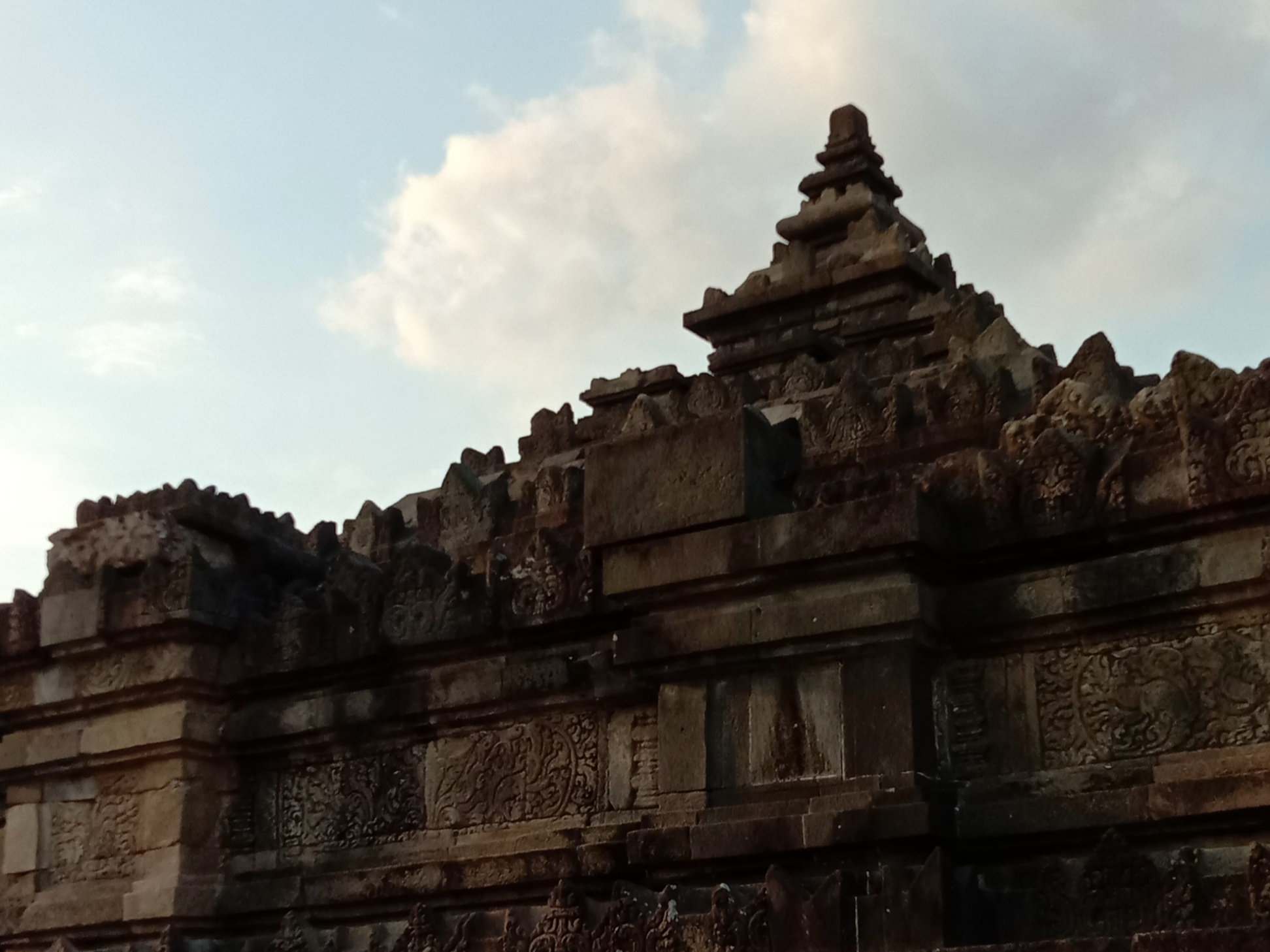
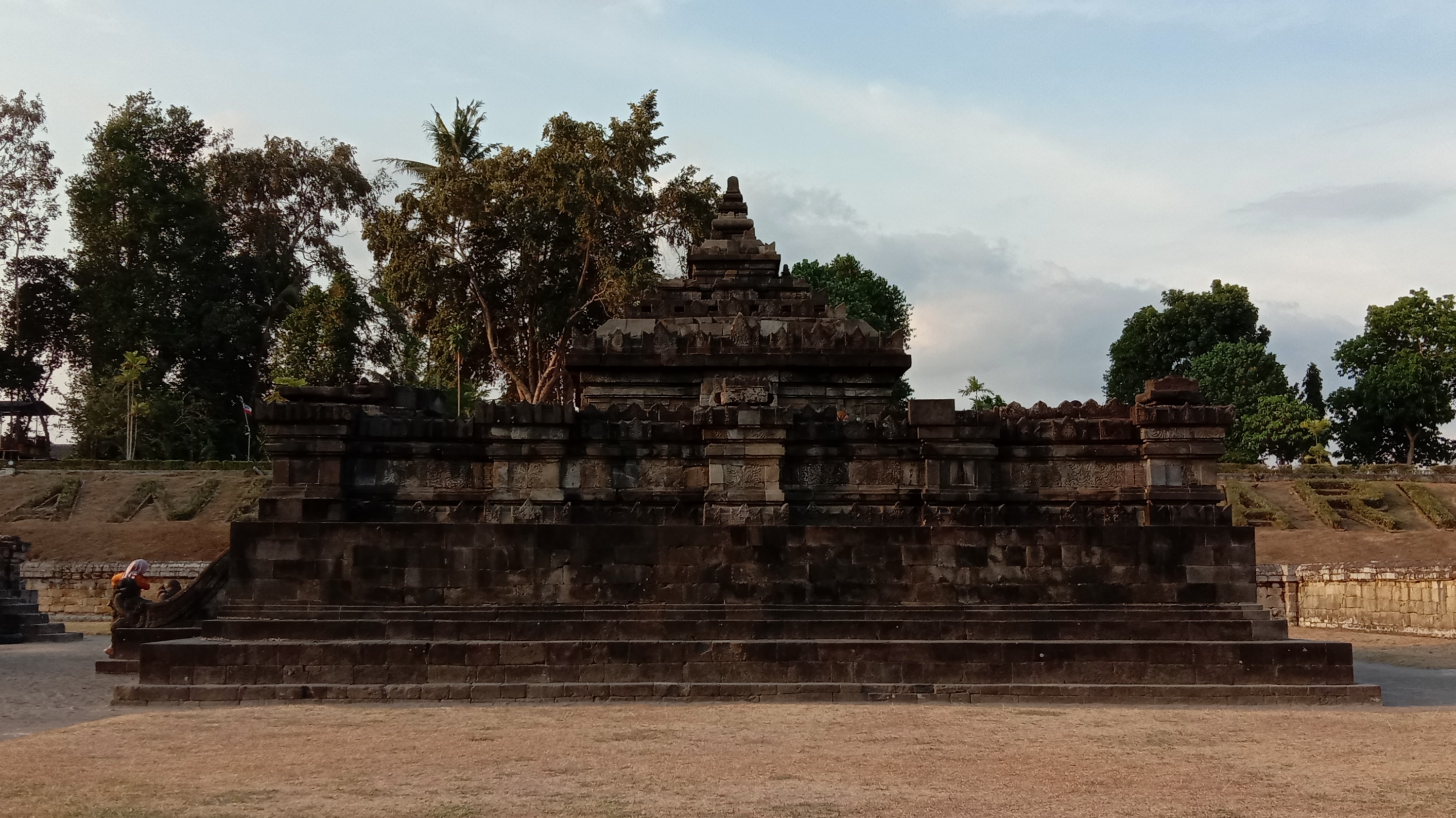
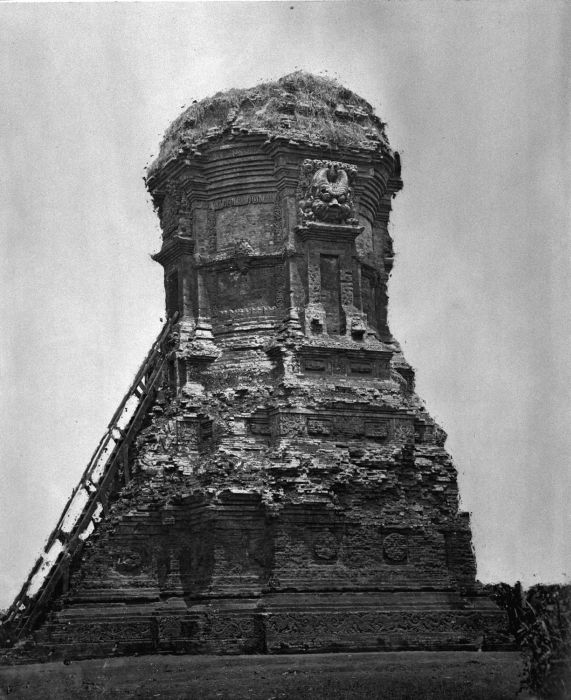
The Sambisari temple is a remarkable 9th-century Shivaite Hindu temple complex located in the Special Region of Yogyakarta, Indonesia. It was discovered buried approximately five meters underground, likely due to an eruption of volcanic ash from Mount Merapi. The temple complex consists of a main temple and three smaller pervara (guardian) temples, reflecting the architectural style of the period. The main temple features intricate carvings and niches containing statues of Hindu deities such as Durga, Ganesha, and Agastya, along with a central yoni and lingga, underscoring its religious significance. The discovery of the temple has spurred interest in further archaeological exploration in the region, suggesting the possibility of more ancient structures lying beneath the volcanic ash.
Gallery
Explore photographs of ancient structures, artifacts, and archaeological excavations
Historical Timeline
Journey through time and discover key events in this site's history
Construction of Sambisari Temple
circa 812-838 CE
Archaeological Features
Unique architectural and cultural elements found at this historical site
Religious and Ritual Structures
Artistic and Decorative Features
Frequently Asked Questions
Plan Your Visit
Tours, travel arrangements, and practical information

More Sites in Indonesia
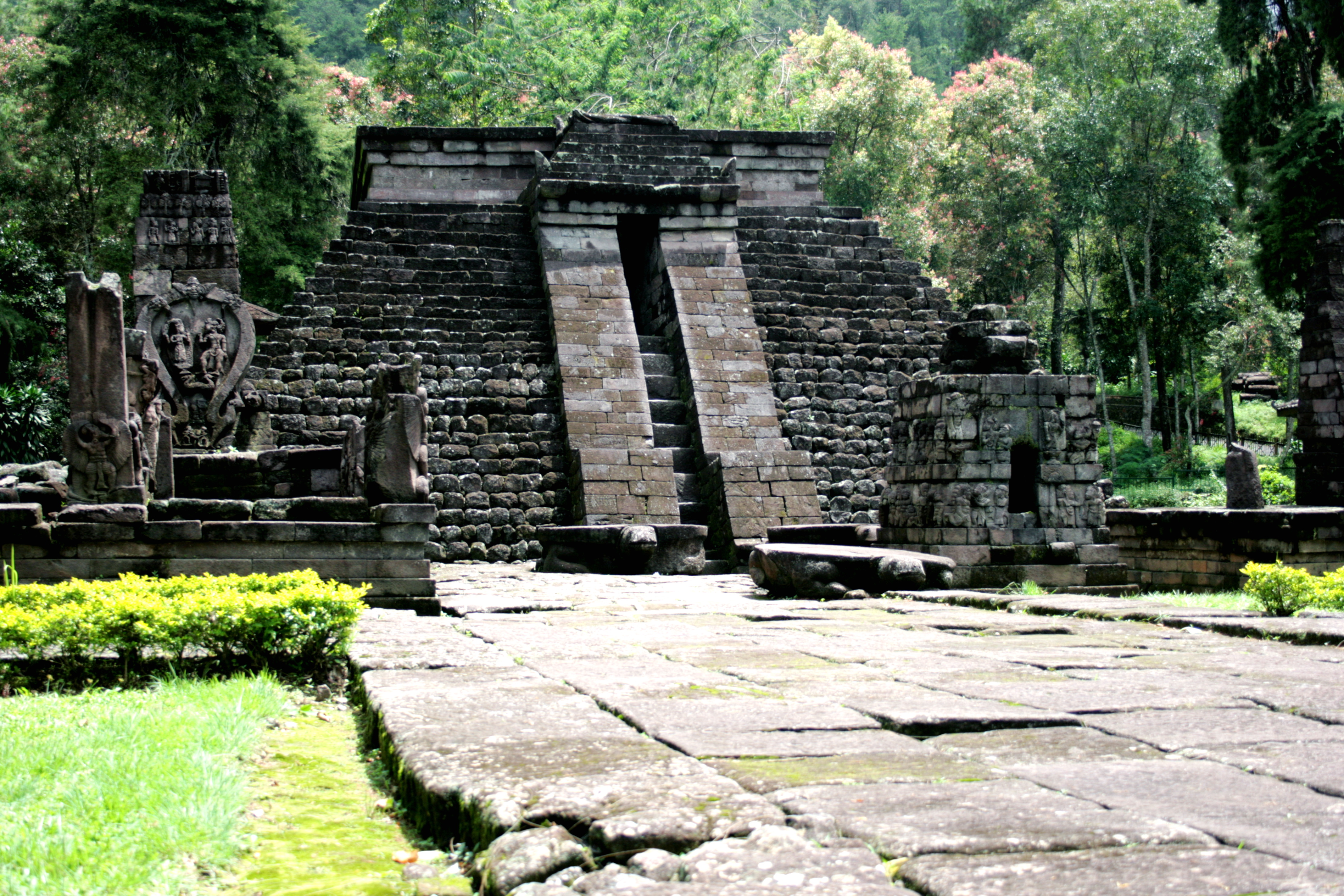
Sukuh
15th-century Javanese-Hindu pyramid temple
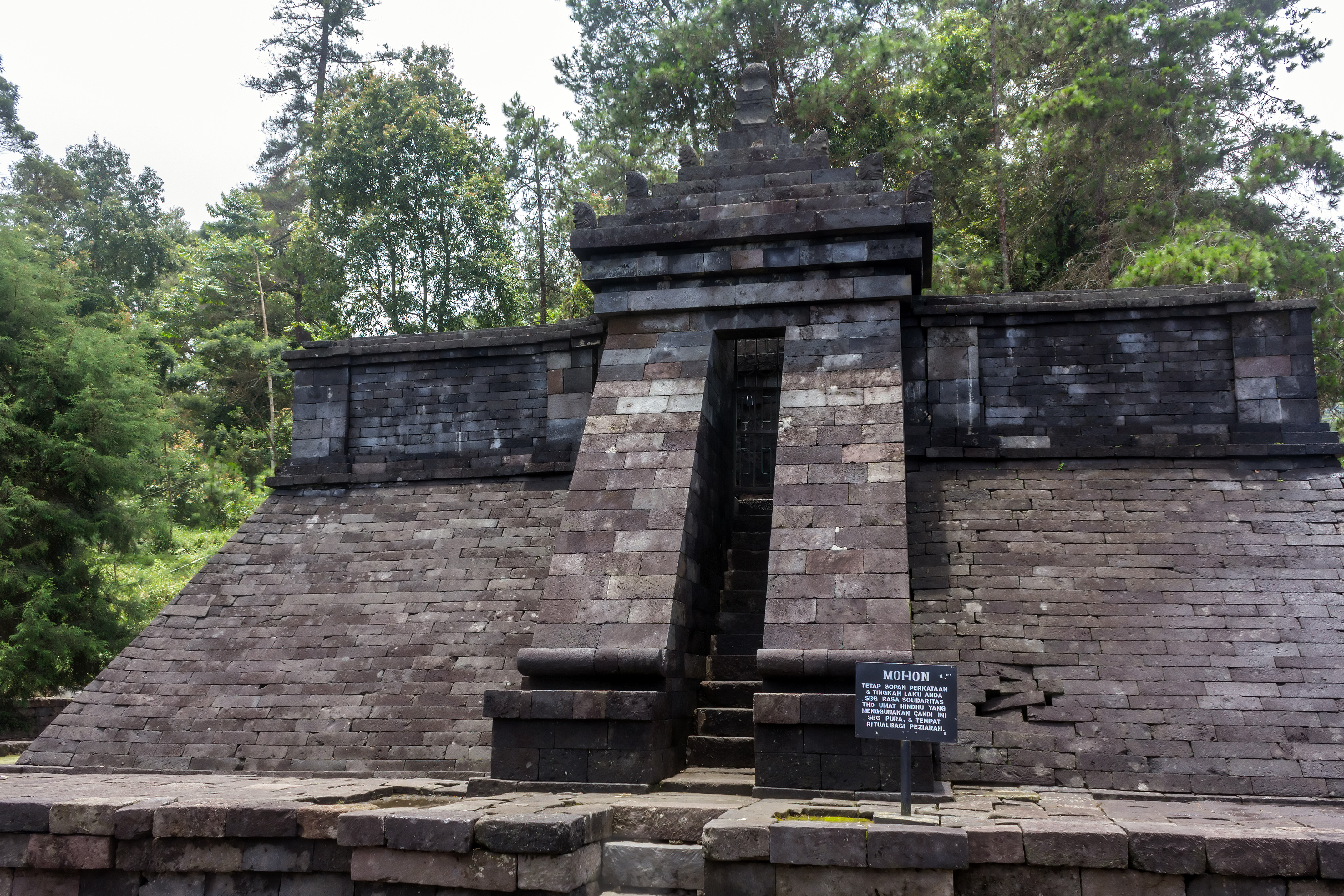
Ceto Temple
Fifteenth-century Javanese-Hindu temple on Mount Lawu.
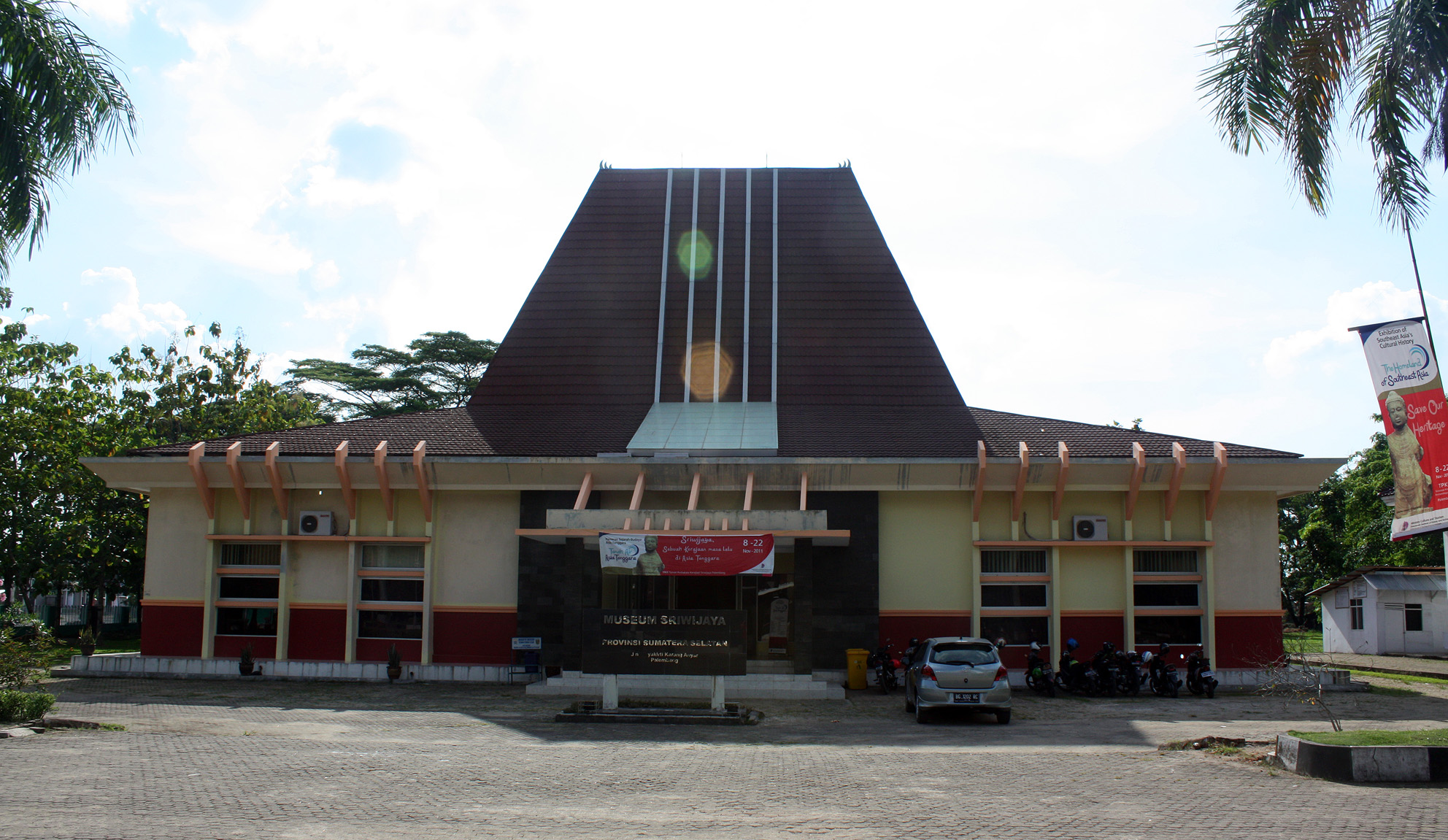
Sriwijaya Kingdom Archaeological Park
Ancient habitation with canals and ponds.
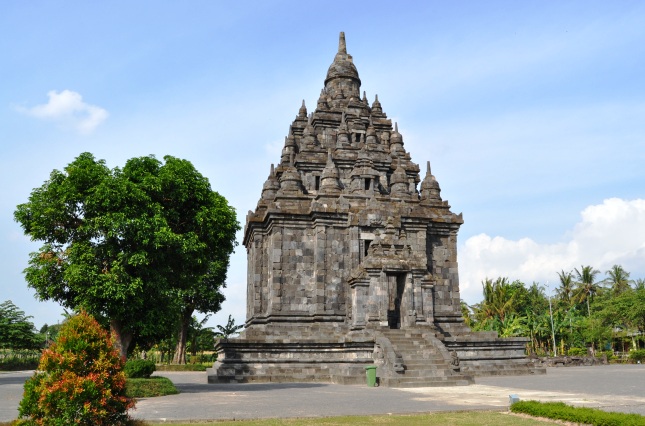
Sojiwan
9th-century Mahayana Buddhist temple complex
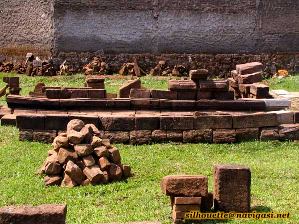
Bojongmenje
7th-century Hindu temple ruins in Java.
Jabung
14th-century brick Buddhist temple in Java.