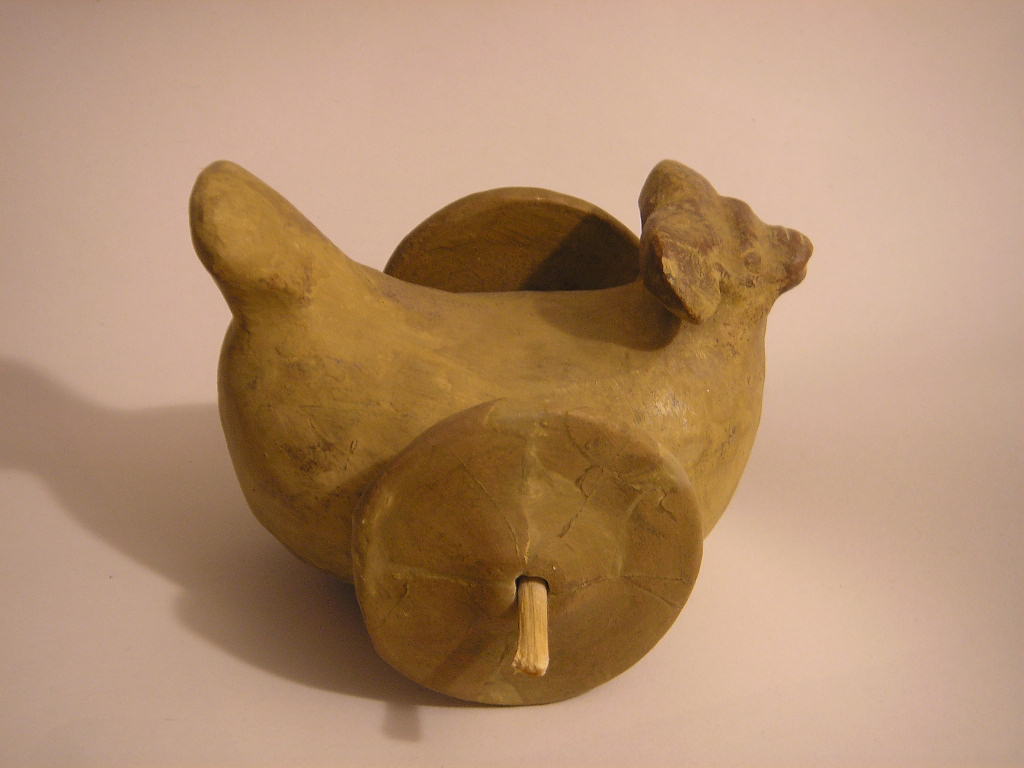
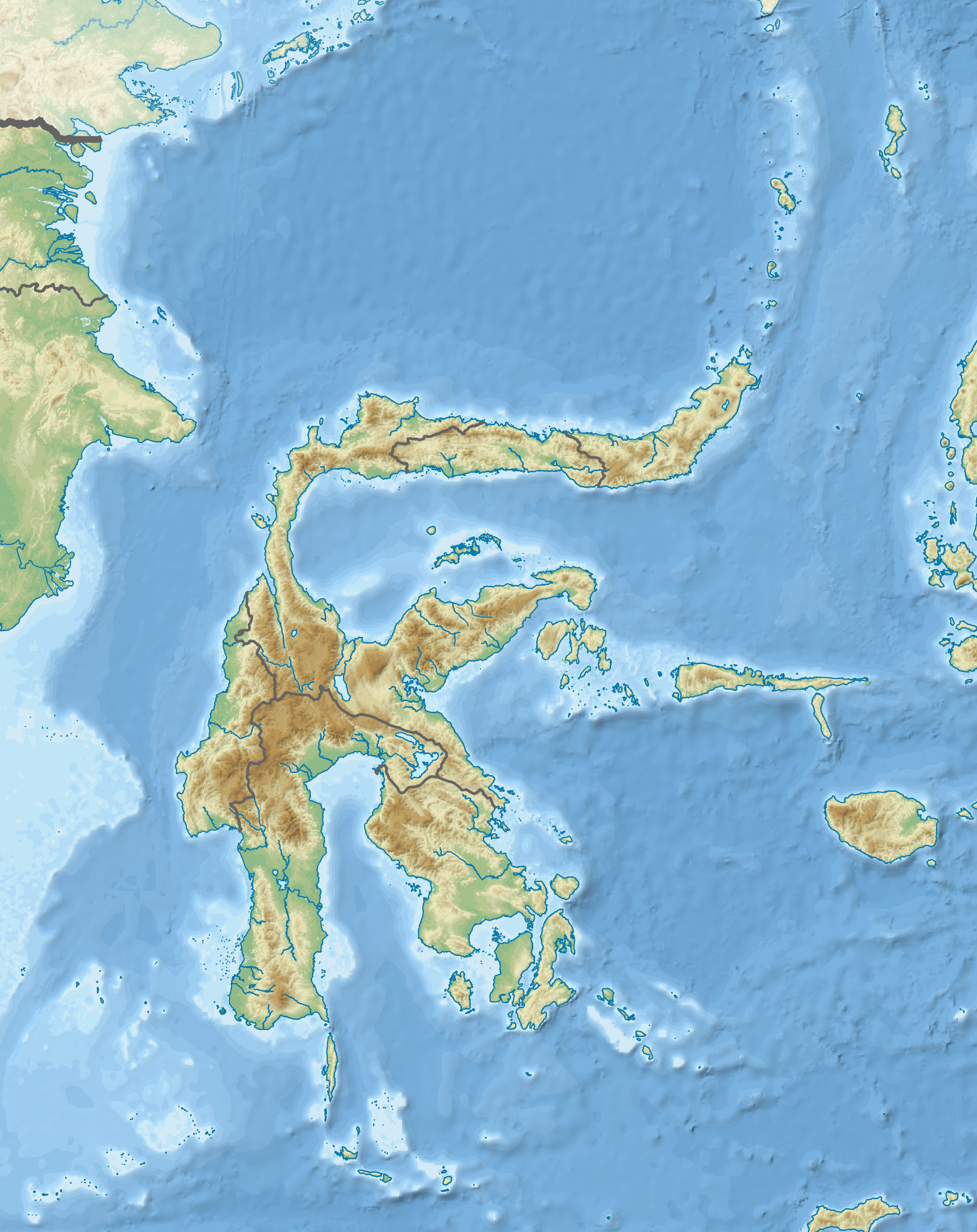
Explore the Map
Pokekea Megalithic Site
-1.6915° N, 120.2133° E
About
The Pokekea Megalithic Site, located in the Behoa Valley within the Lore Lindu National Park, is a significant archaeological site known for its megalithic structures called kalambas. These large cylindrical stone vats served as communal funerary urns, likely reserved for the elite members of the society. The site features 27 kalambas adorned with decorative stone lids and assorted statues, including depictions of monkeys and lizards. The kalambas have been dated to between the 8th and 12th centuries CE, a period characterized by funerary practices involving cremation and teeth mutilation. The site's resemblance to the Plain of Jars in Laos highlights its cultural and historical significance, offering insights into the funerary customs of the region's ancient civilizations.
Gallery
Explore photographs of ancient structures, artifacts, and archaeological excavations
Historical Timeline
Journey through time and discover key events in this site's history
Kalambas Use Phase
766 CE, 1272 CE
Archaeological Features
Unique architectural and cultural elements found at this historical site
Burial and Funerary Structures
Artistic and Decorative Features
Frequently Asked Questions
Plan Your Visit
Tours, travel arrangements, and practical information
More Sites in Indonesia
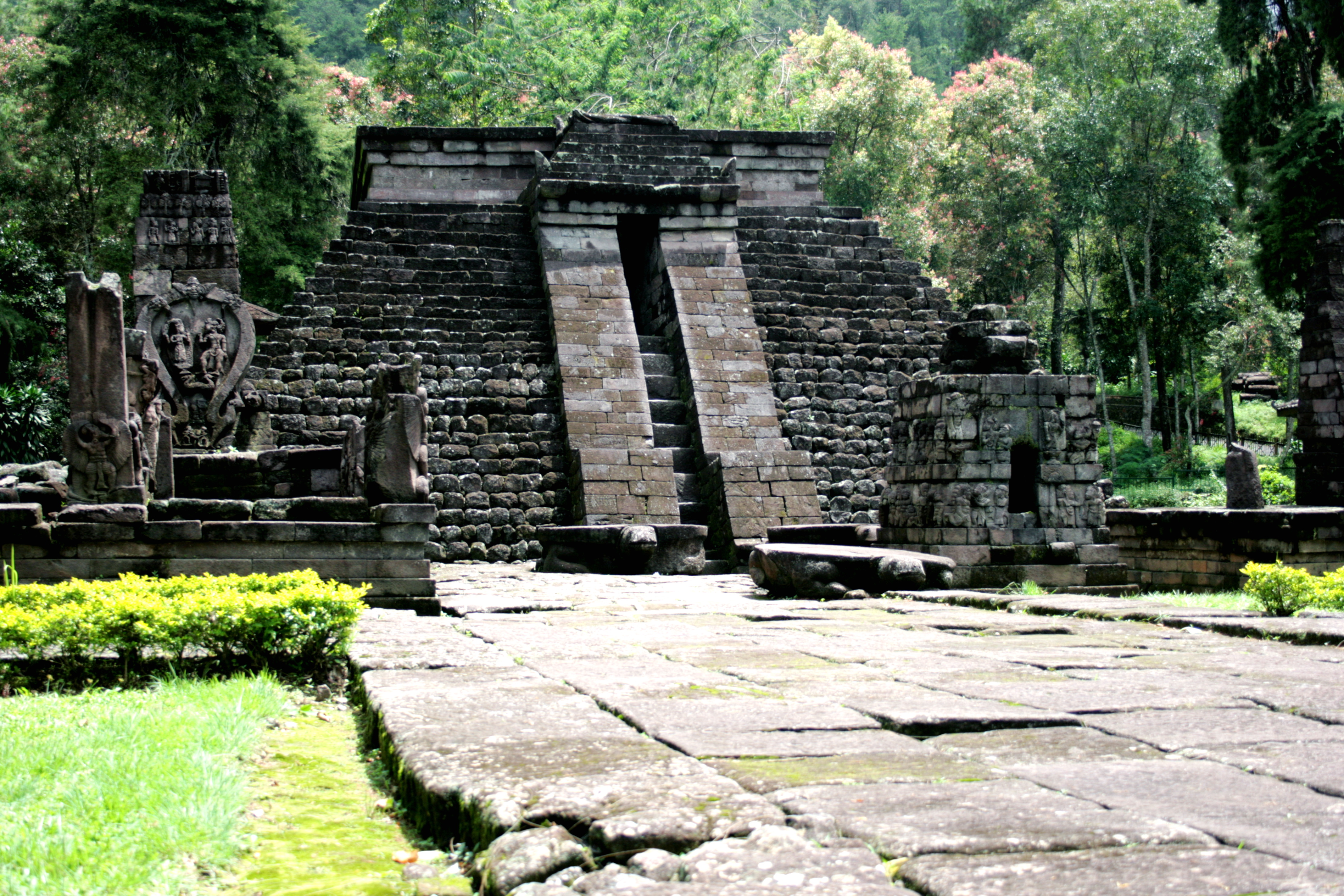
Sukuh
15th-century Javanese-Hindu pyramid temple
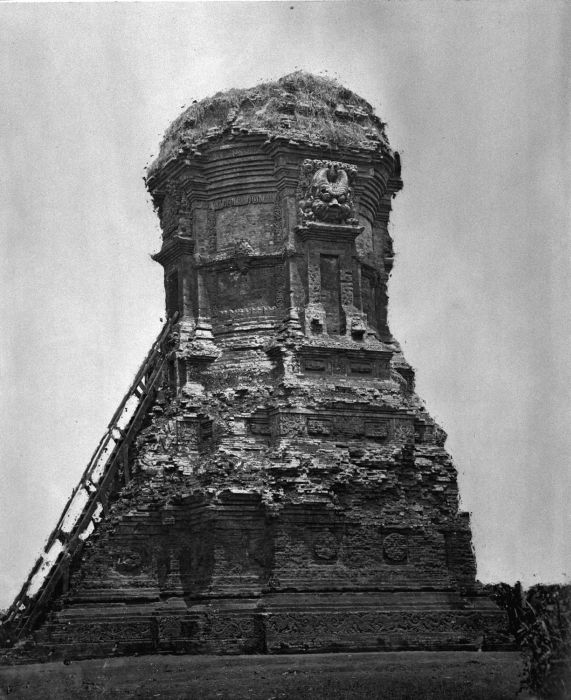
Jabung
14th-century brick Buddhist temple in Java.
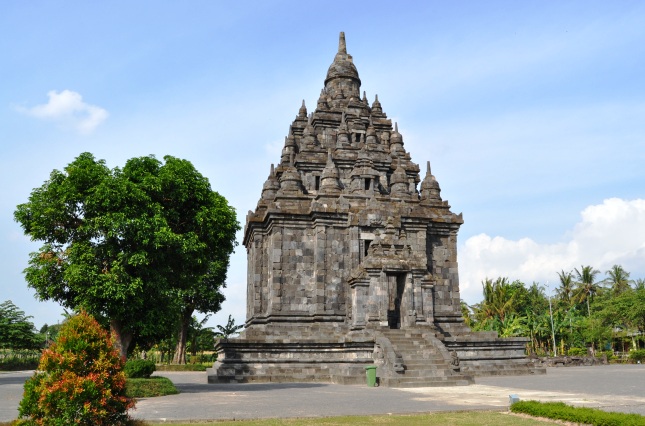
Sojiwan
9th-century Mahayana Buddhist temple complex
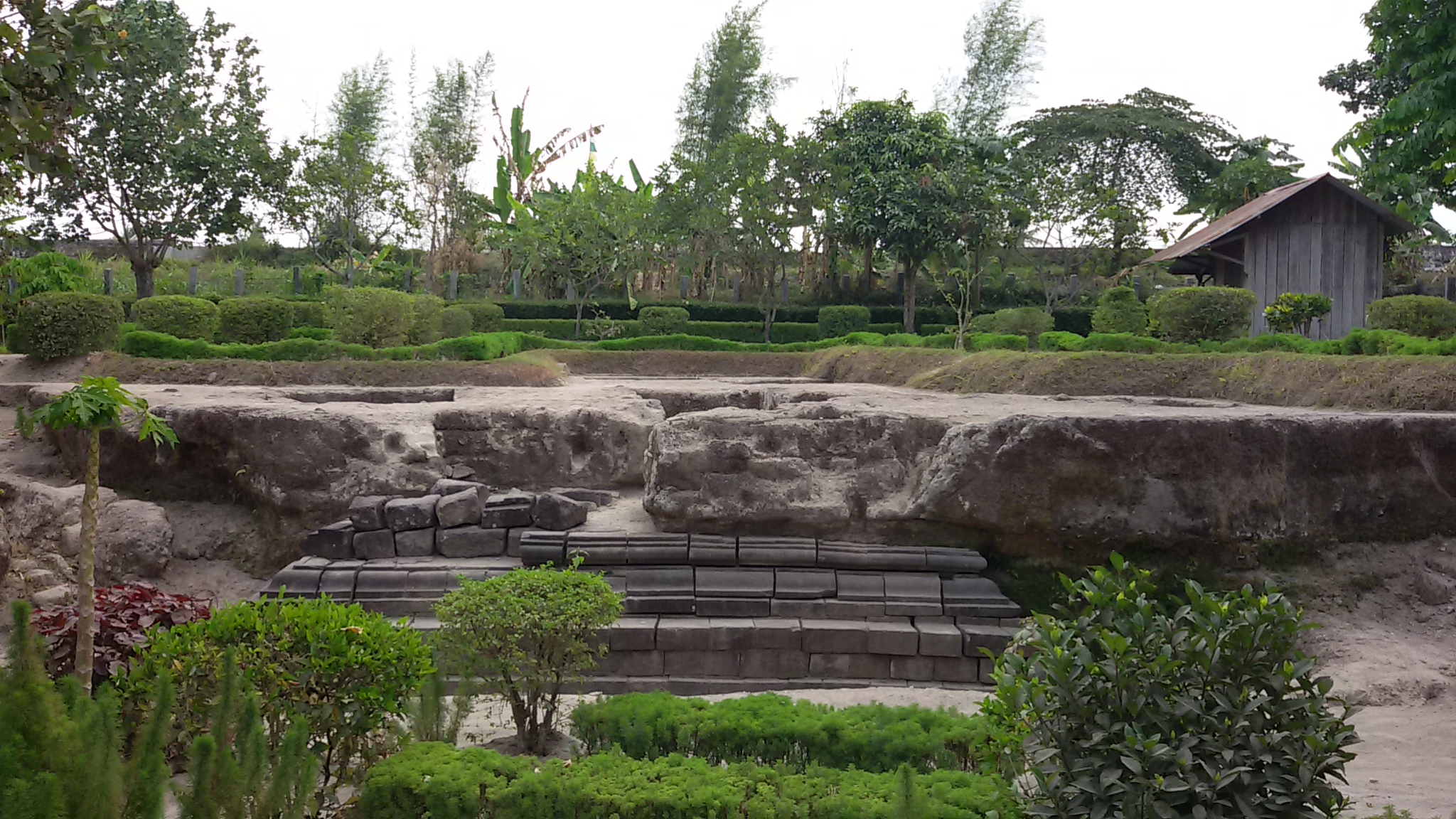
Kadisoka
Partially excavated Hindu temple in Indonesia.
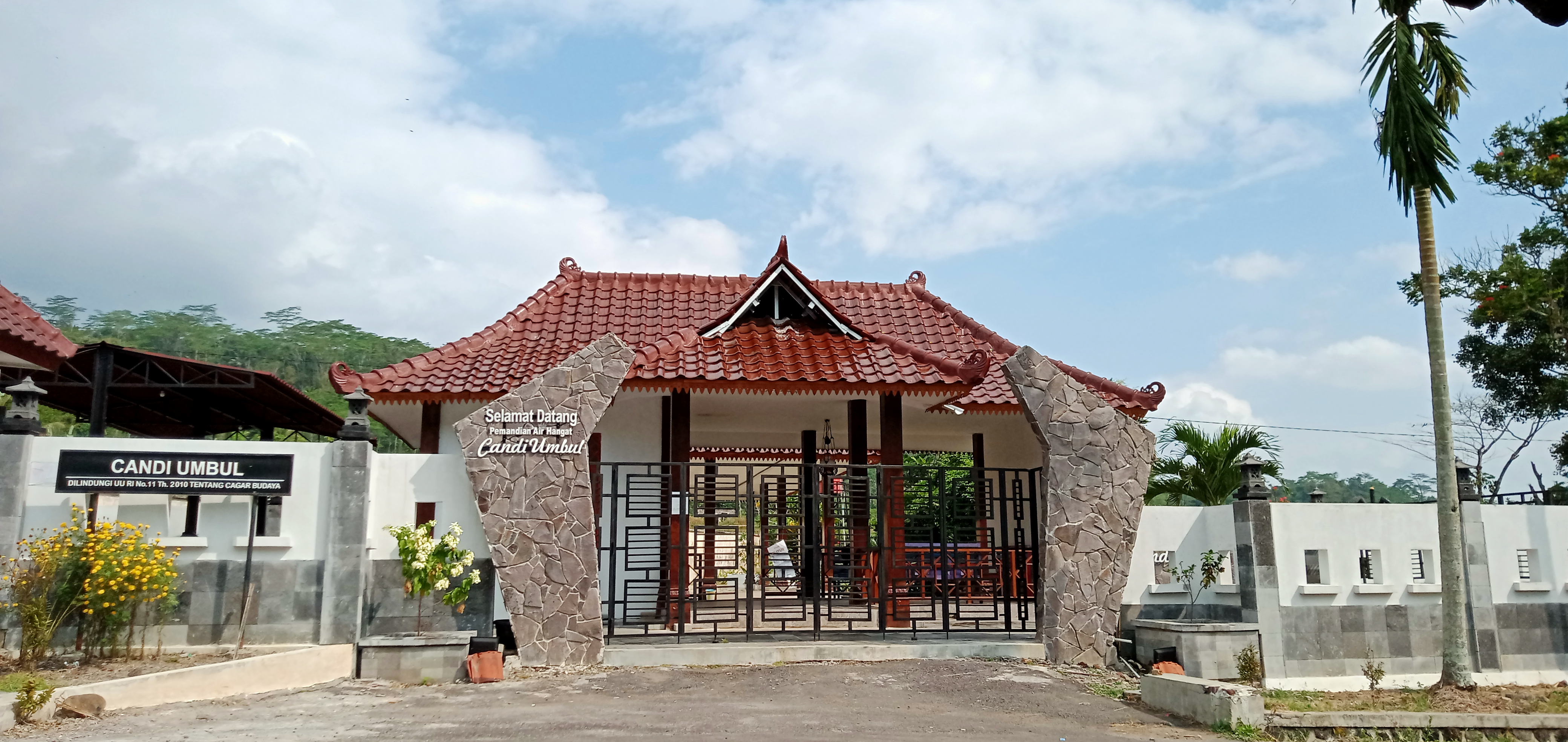
Umbul Temple
9th-century Hindu temple with bathing pools.
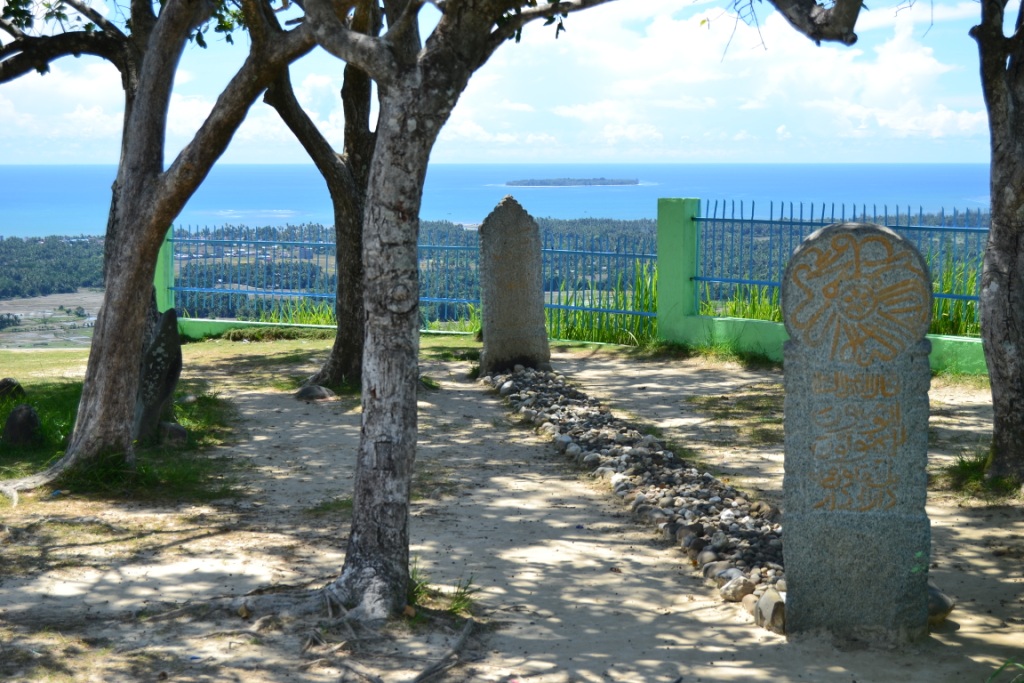
Makam Papan Tinggi
7th-8th century funerary complex on hill