Explore the Map
Batujaya
-6.0694° N, 107.1689° E
About
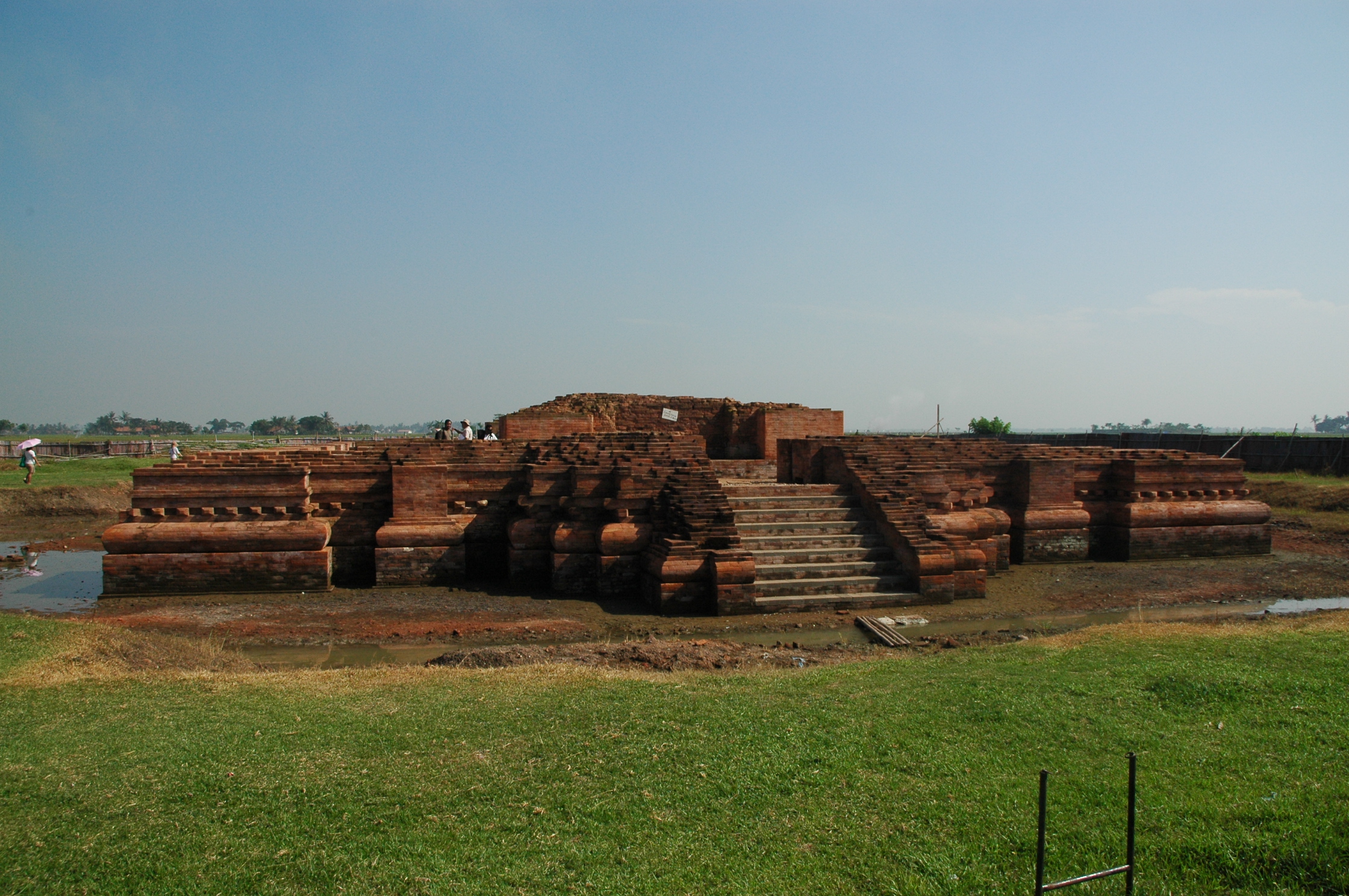
The Batujaya archaeological site, located in Karawang, West Java, Indonesia, is an important ancient complex believed to be associated with the Tarumanegara kingdom. Spanning over five square kilometers, the site comprises at least 30 structures, locally referred to as unur or high mounds of earth containing artifacts. The structures are primarily built using bricks made from clay and rice husks, a deviation from the typical volcanic rock construction found elsewhere in the region. Among the notable structures are the temples, including the restored Jiwa Temple, which dates back to the 2nd century CE. The complex is considered one of the earliest temple sites in Java, contributing to our understanding of early Hindu-Buddhist cultural influences in Indonesia. The site also features elements of the Buni culture, further enriching its historical significance. In 2019, Batujaya was declared a national cultural treasure of Indonesia.
Gallery
Explore photographs of ancient structures, artifacts, and archaeological excavations
Historical Timeline
Journey through time and discover key events in this site's history
Jiwa Temple Construction
2nd century CE
Batujaya Temple Construction
5th century CE
Archaeological Features
Unique architectural and cultural elements found at this historical site
Religious and Ritual Structures
Environmental and Natural Features
Frequently Asked Questions
Plan Your Visit
Tours, travel arrangements, and practical information

More Sites in Indonesia
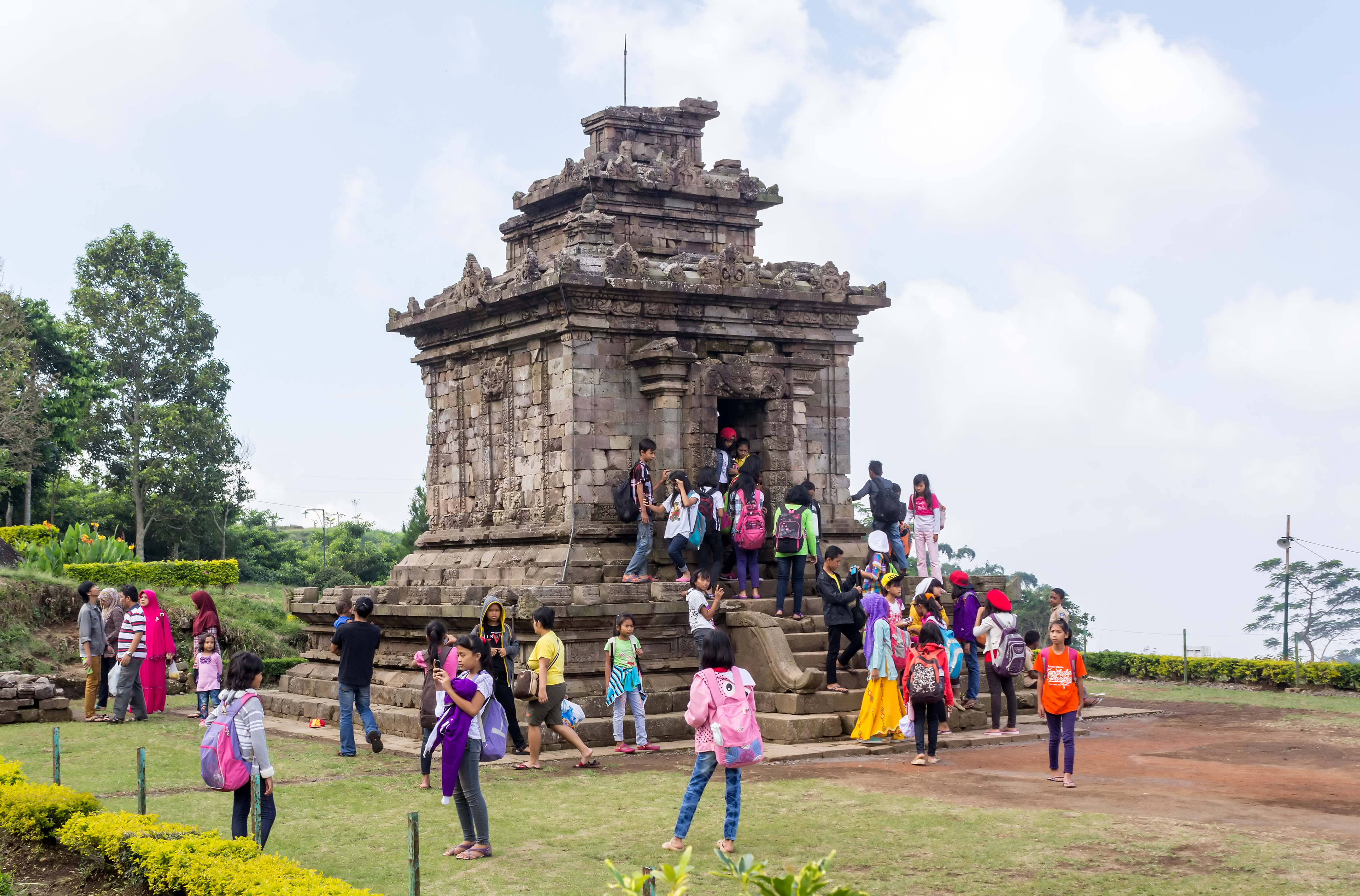
Gedong Songo
Hindu temples with Indian architectural influence.
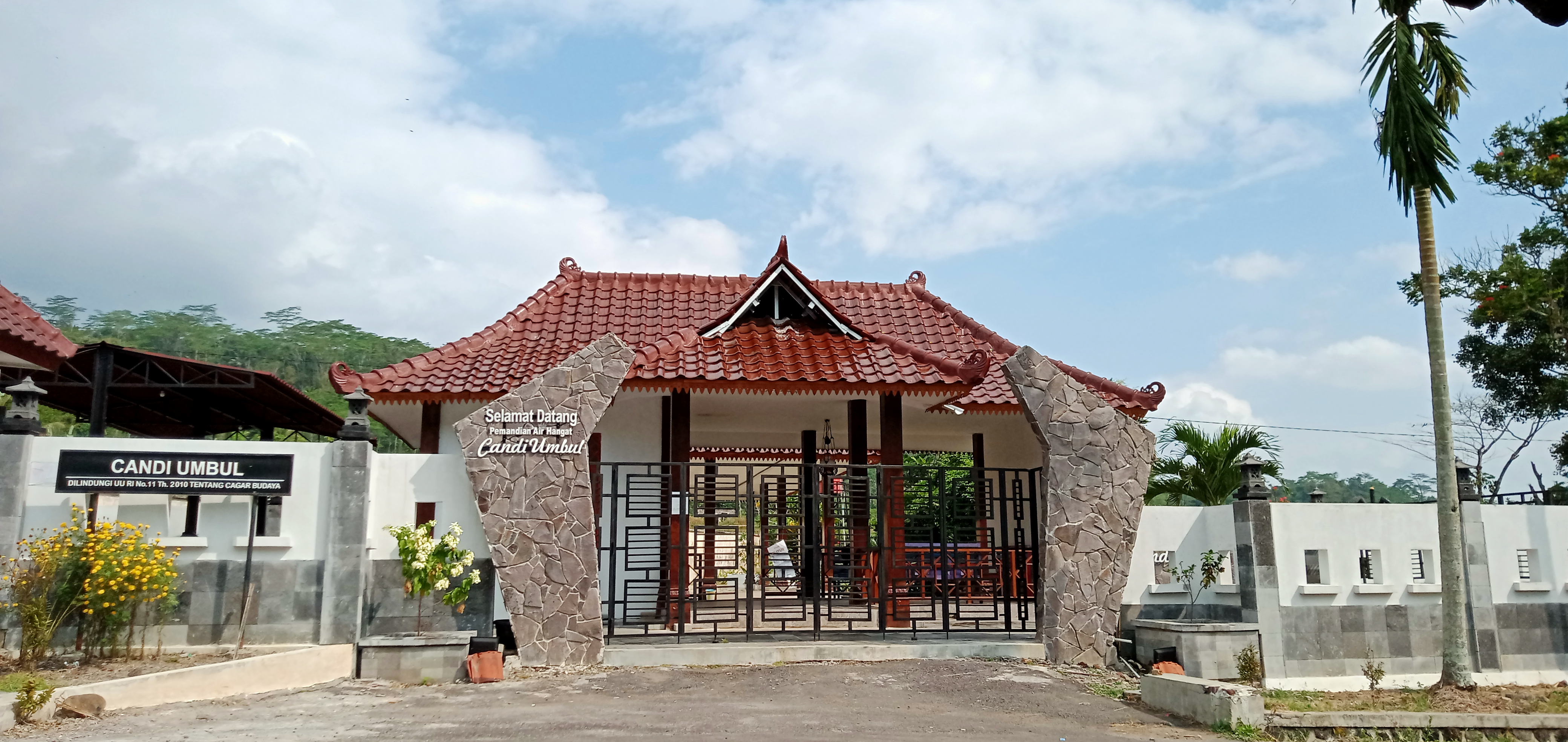
Umbul Temple
9th-century Hindu temple with bathing pools.
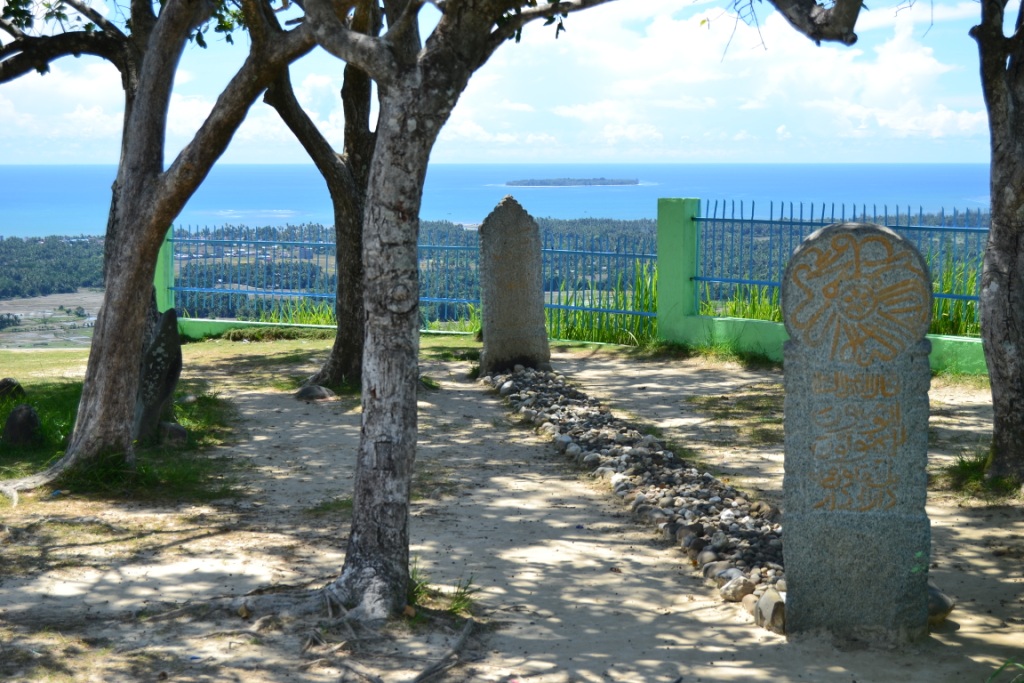
Makam Papan Tinggi
7th-8th century funerary complex on hill
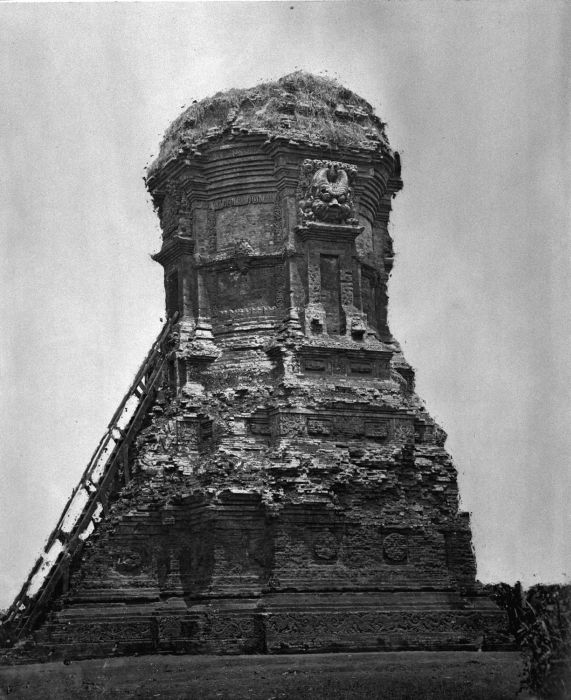
Jabung
14th-century brick Buddhist temple in Java.
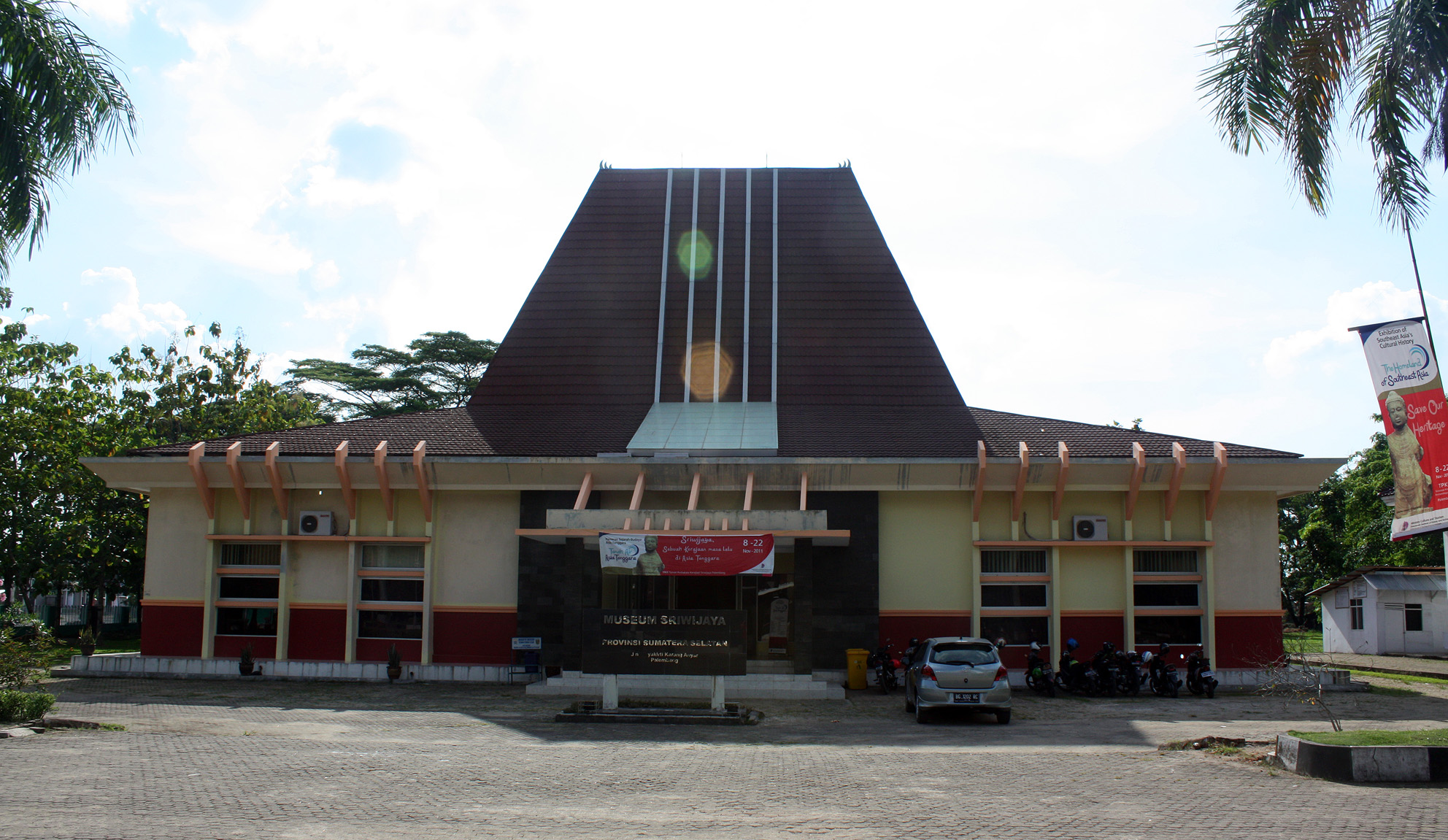
Sriwijaya Kingdom Archaeological Park
Ancient habitation with canals and ponds.
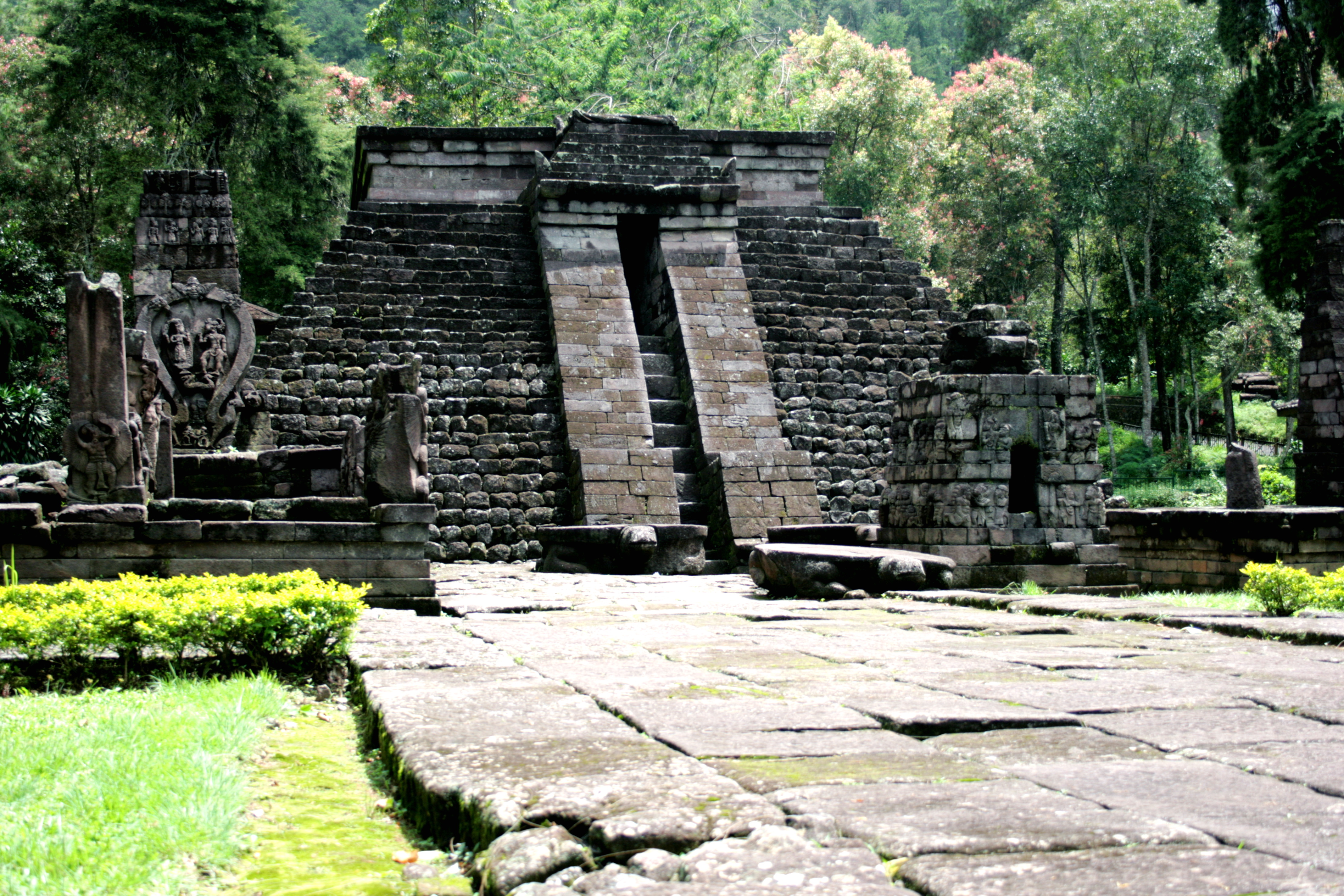
Sukuh
15th-century Javanese-Hindu pyramid temple