Time Periods
Paleolithic
Mesolithic
Neolithic
Chalcolithic
Bronze Age
Iron Age
Classical Period
Post-Classical Period
Early Modern Period
Industrial Period
Contemporary Period
Time Periods
Paleolithic
Mesolithic
Neolithic
Chalcolithic
Bronze Age
Iron Age
Classical Period
Post-Classical Period
Early Modern Period
Industrial Period
Contemporary Period
Location
About
Barus, located on the western coast of Sumatra, Indonesia, is an archaeological site with a rich history as a prominent trade center from the 7th to the 17th century CE. Known for its camphor production, Barus attracted diverse cultural influences, evident in the artifacts found from Chinese, Arab, Persian, and Indian origins. The town played a significant role in regional trade networks, recorded by early geographers and travelers. Its strategic location led to control by the Aceh Sultanate in the 16th century, followed by the Dutch East India Company in the 17th century. Archaeological evidence suggests multiple phases of habitation and trade, with significant burial sites indicating cultural exchanges. Barus stands as a testament to the region's historical importance in maritime trade and cultural interactions.
Gallery
Explore photographs of ancient structures, artifacts, and archaeological excavations at Barus
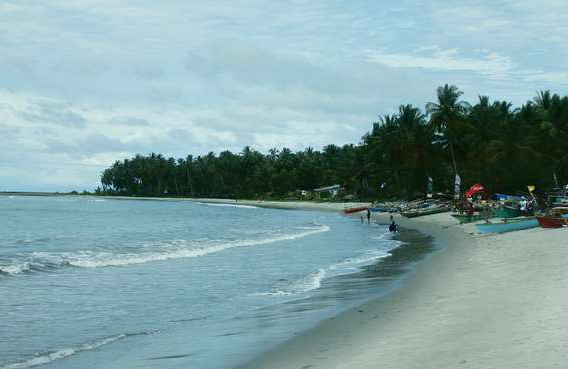
Archaeological Features
Explore the unique architectural and cultural elements found at this historical site
Burial and Funerary Structures
Domestic and Habitation Structures
Historical Timeline
Journey through time and discover key events in this site's archaeological history
Plan Your Visit
Details
- Country
- Indonesia
- Source
- Wikipedia
More Sites in Indonesia
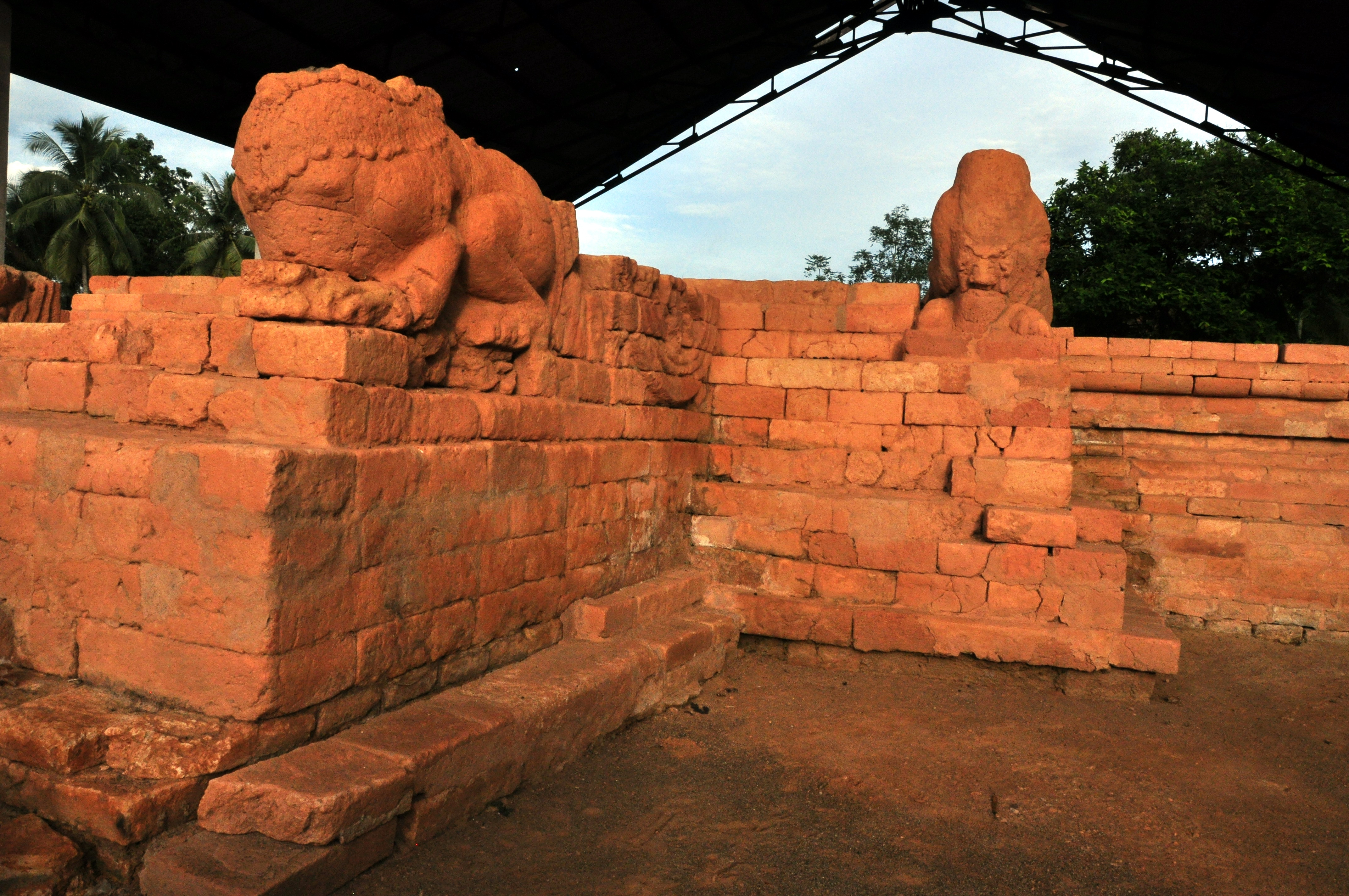
Bumiayu temple
Sumatran Hindu temple with red brick ruins.
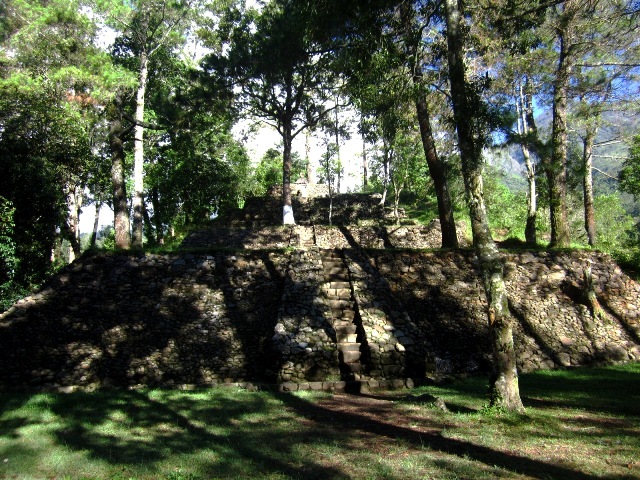
Candi Kethek
Terraced megalithic Hindu temple with seven terraces
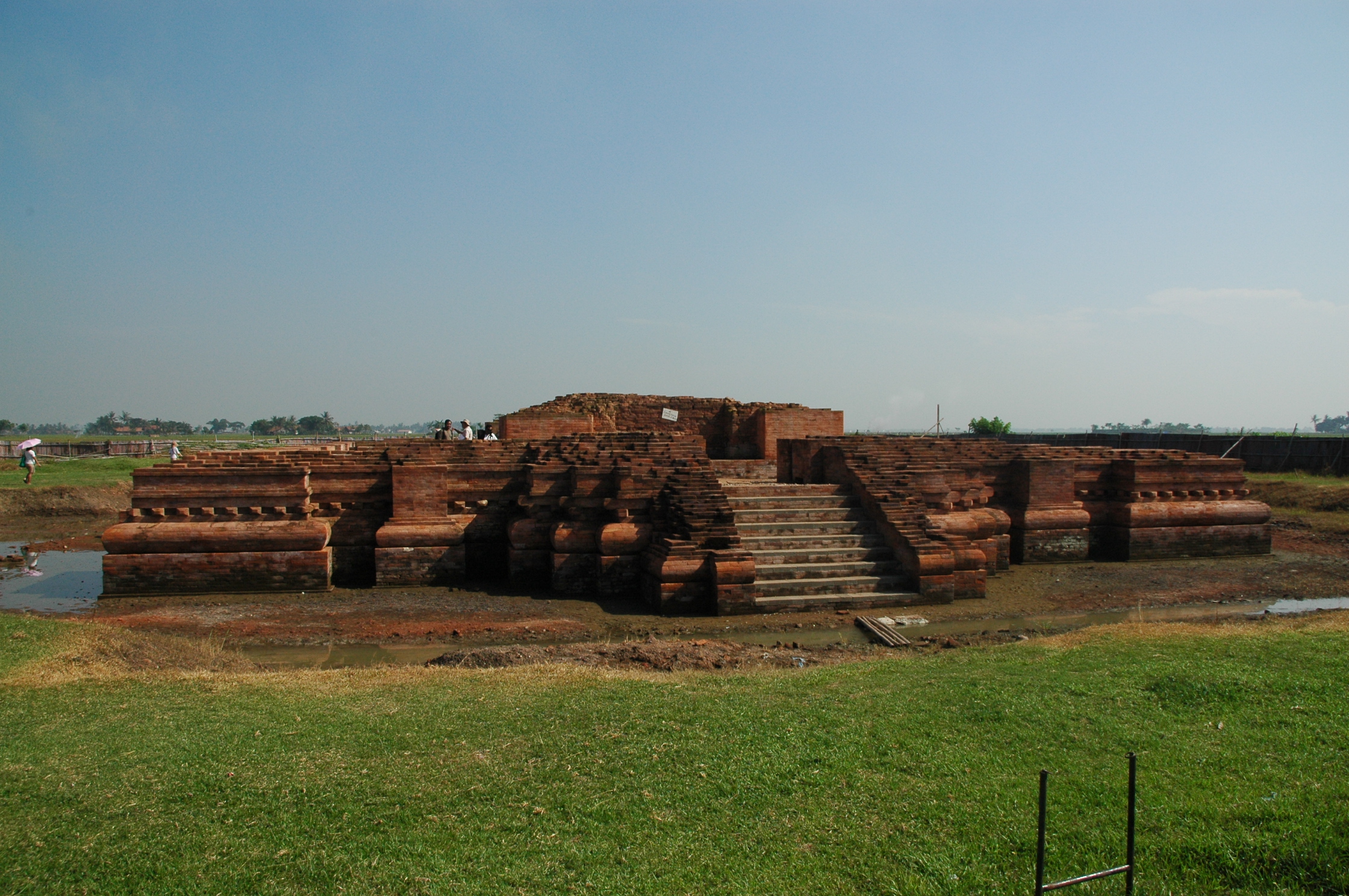
Batujaya
Ancient temple complex with brick structures
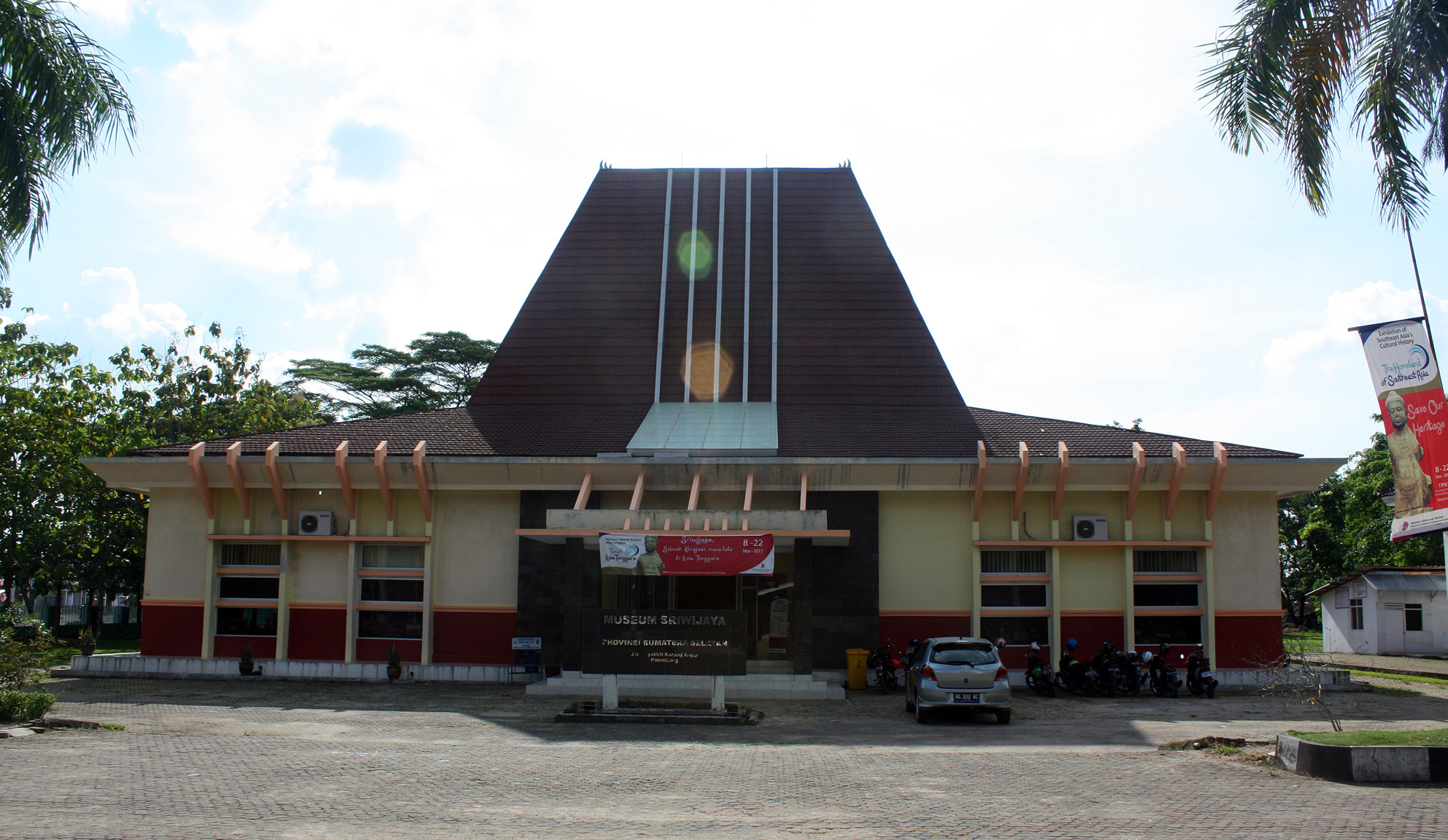
Sriwijaya Kingdom Archaeological Park
Ancient habitation with canals and ponds.
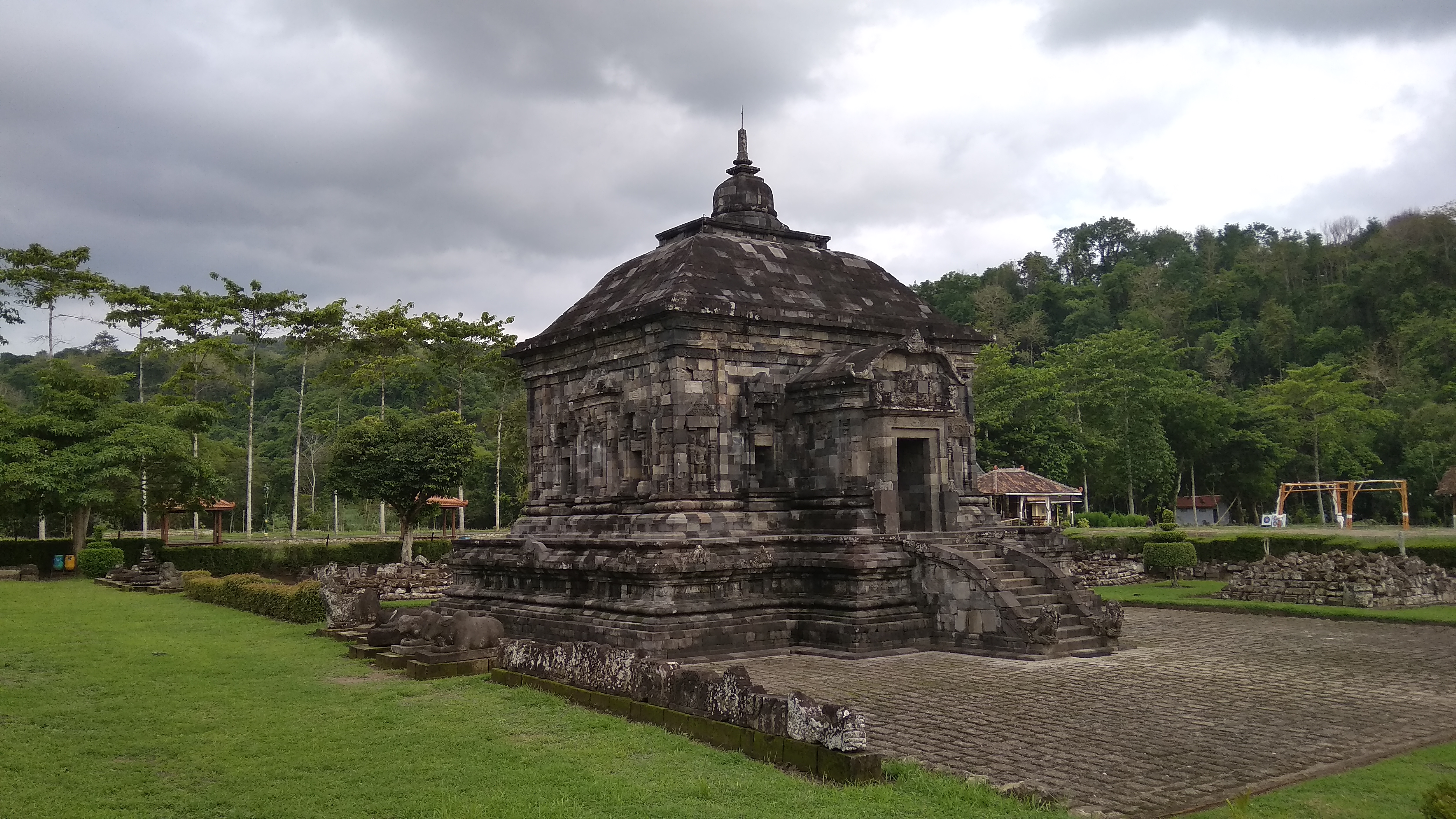
Banyunibo
9th-century Buddhist temple with unique stupa design.
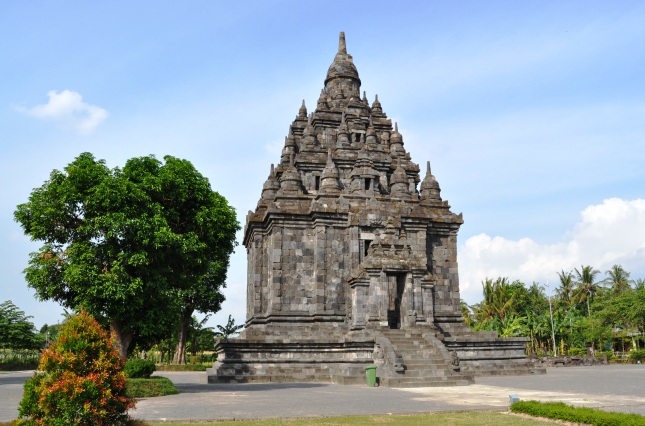
Sojiwan
9th-century Mahayana Buddhist temple complex