Explore the Map
Banyunibo
-7.7778° N, 110.4939° E
About
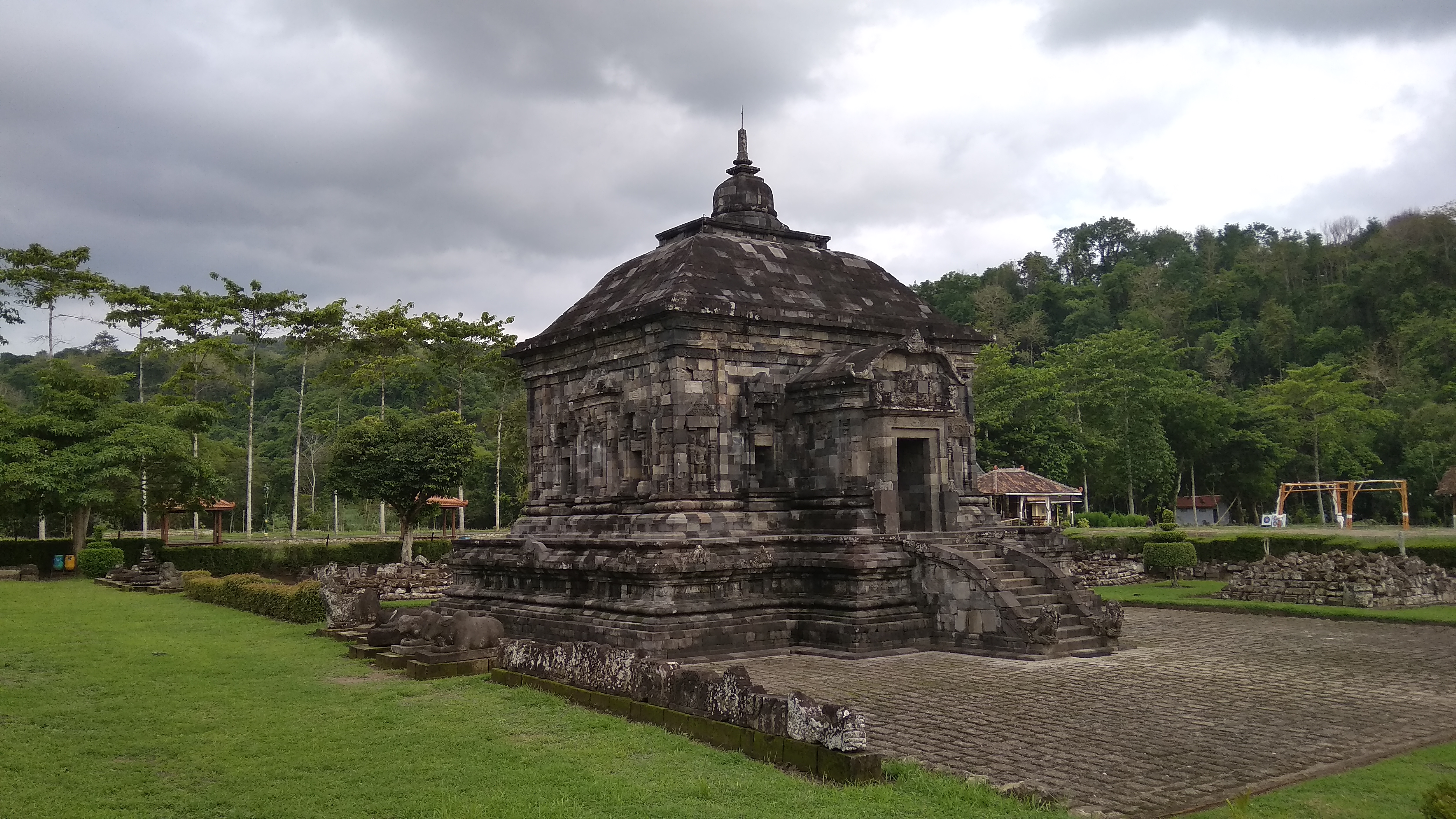
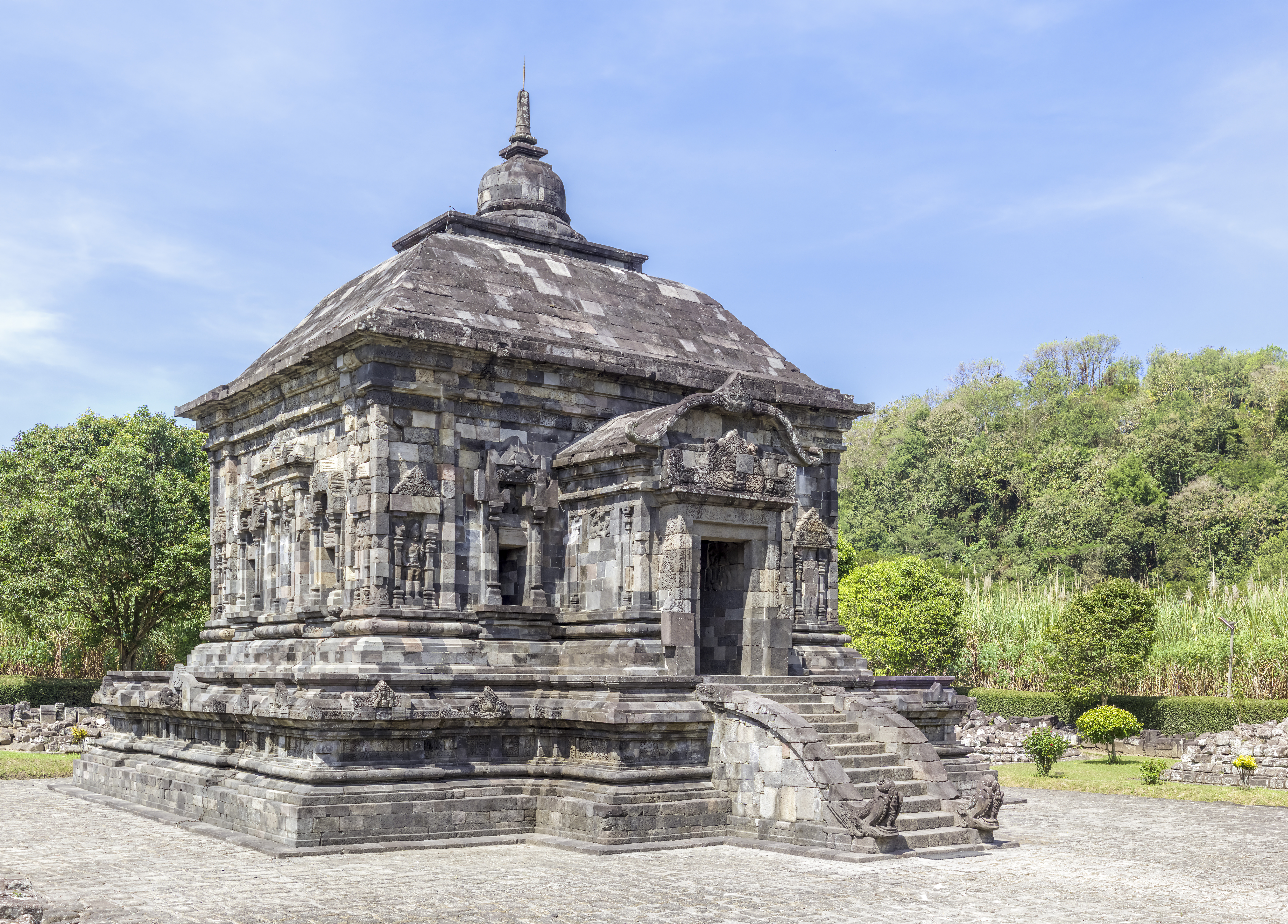
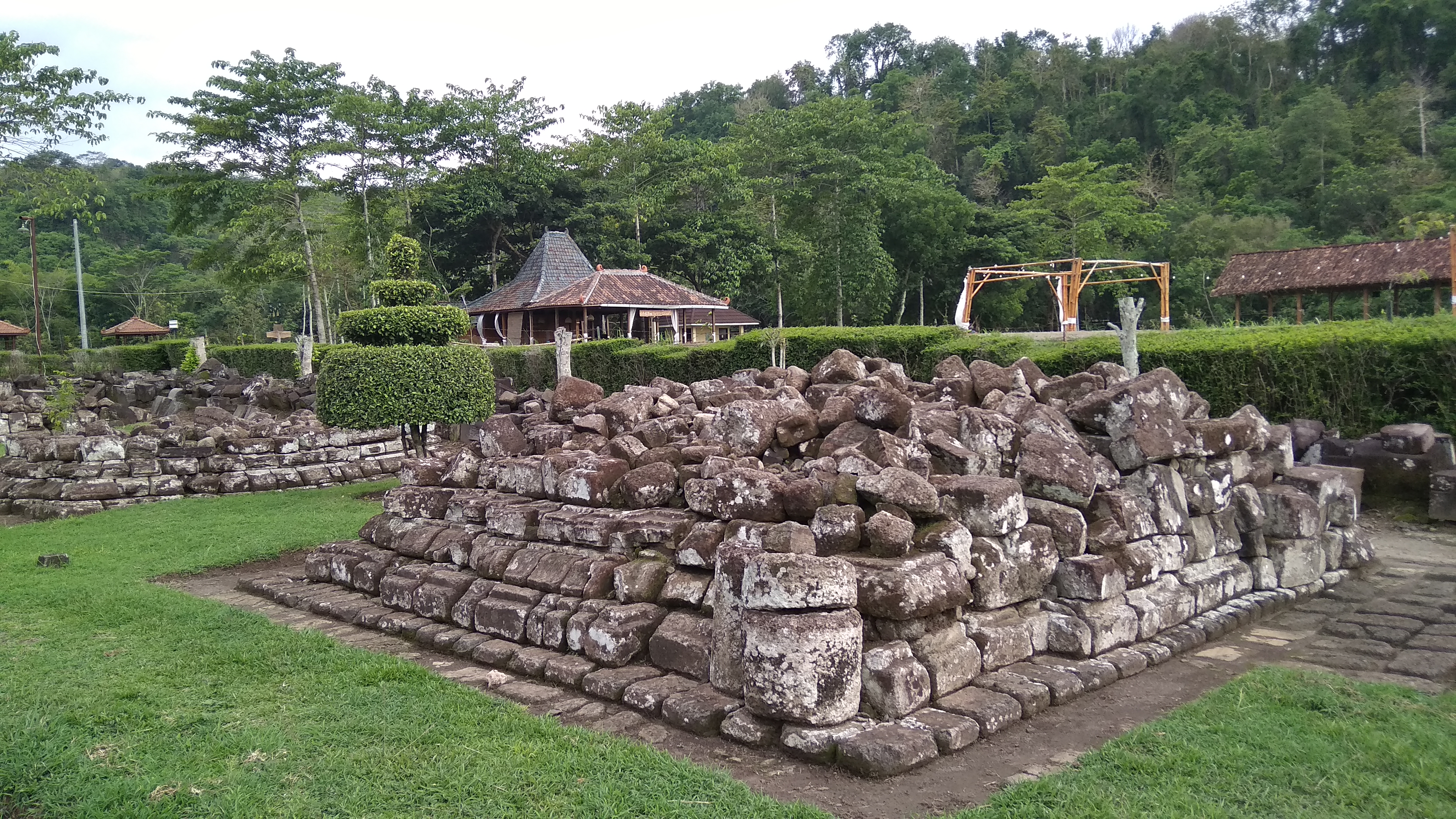
Banyunibo is a 9th-century Buddhist temple situated in Cepit hamlet, Bokoharjo village, near the city of Yogyakarta in Indonesia. It is a noteworthy archaeological site from the era of the Mataram Kingdom, characterized by its unique curved rooftop crowned with a solitary stupa. This architectural feature is rare among other Buddhist temples in Central Java. The temple's main structure is flanked by stupas and is adorned with intricate reliefs depicting Bodhisattvas, taras, and other Buddhist figures. Despite undergoing significant reconstruction in the mid-20th century, the temple retains its historical essence and offers insight into the religious and architectural practices of ancient Java. Its location amidst paddy fields and near other significant archaeological sites like Ratu Boko and Prambanan highlights its cultural and historical significance in the region.
Gallery
Explore photographs of ancient structures, artifacts, and archaeological excavations
Historical Timeline
Journey through time and discover key events in this site's history
Construction of Banyunibo Temple
800 CE
Archaeological Features
Unique architectural and cultural elements found at this historical site
Religious and Ritual Structures
Artistic and Decorative Features
Environmental and Natural Features
Frequently Asked Questions
Plan Your Visit
Tours, travel arrangements, and practical information

More Sites in Indonesia
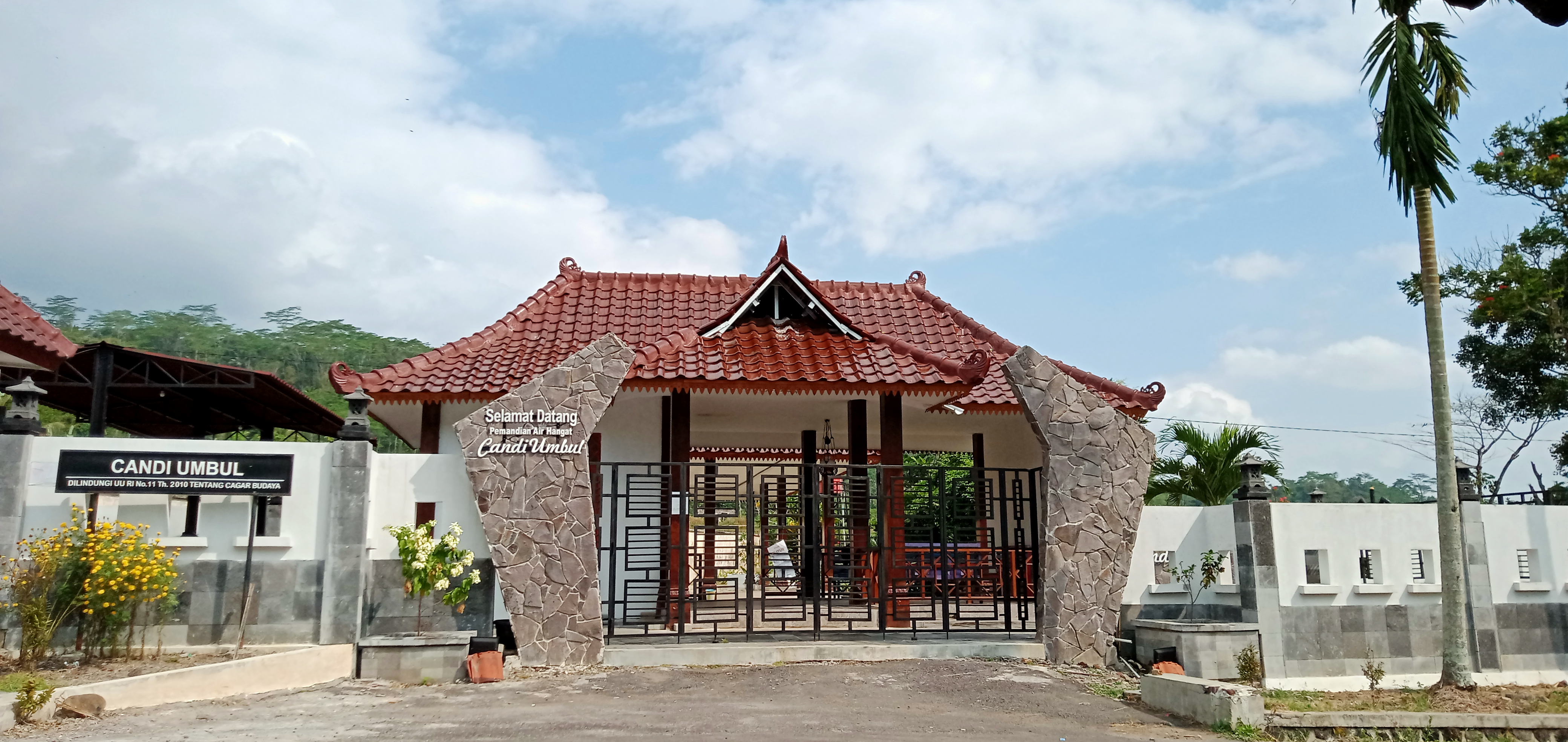
Umbul Temple
9th-century Hindu temple with bathing pools.
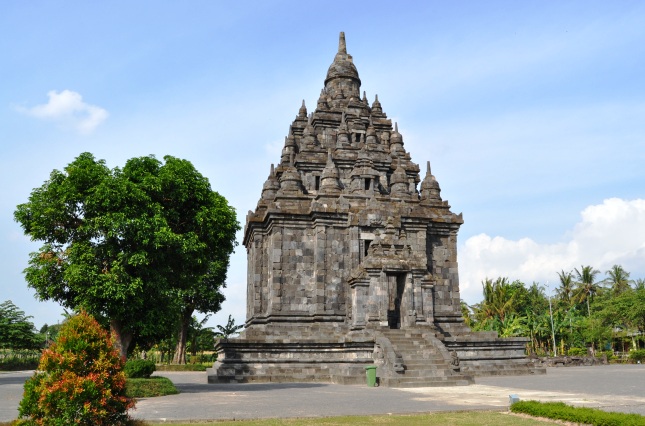
Sojiwan
9th-century Mahayana Buddhist temple complex
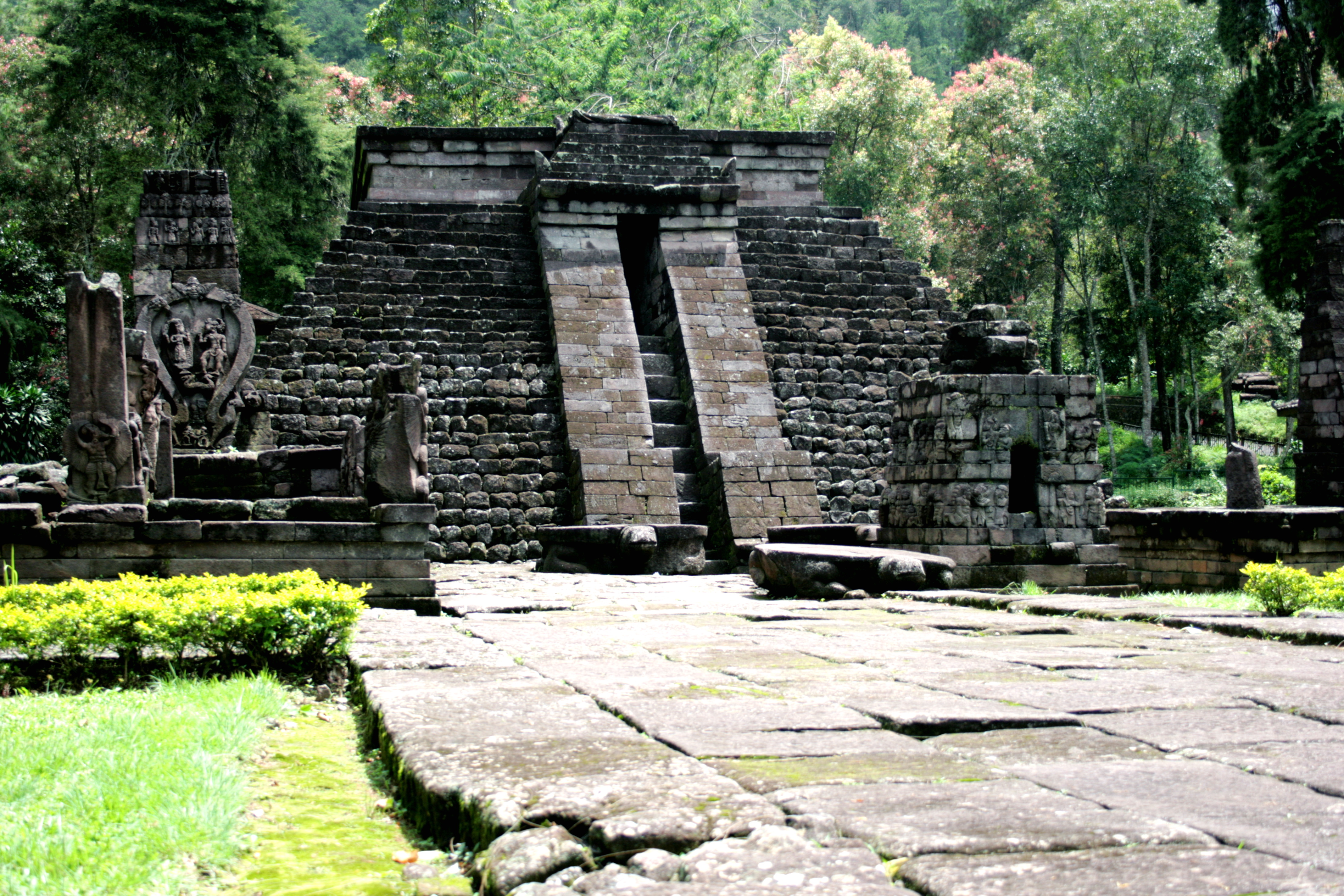
Sukuh
15th-century Javanese-Hindu pyramid temple
Bojongmenje
7th-century Hindu temple ruins in Java.
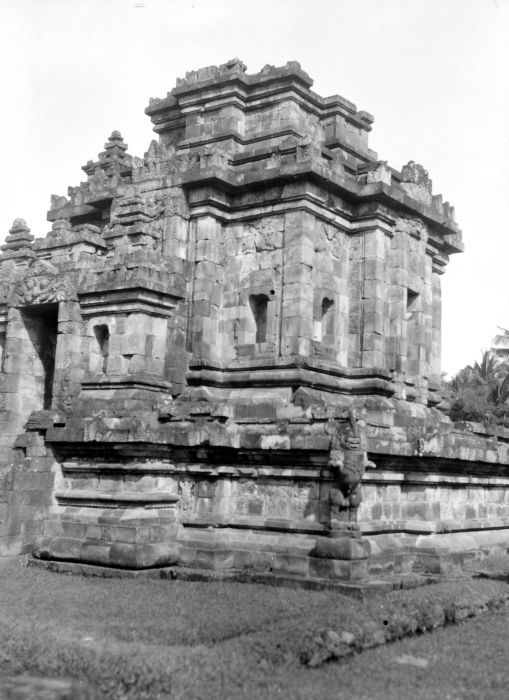
Ngawen
8th-century Buddhist temple with lion statues
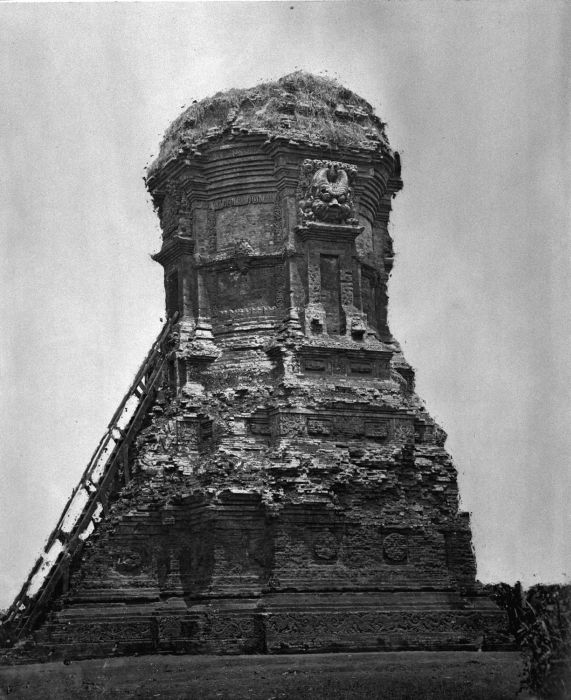
Jabung
14th-century brick Buddhist temple in Java.