Explore the Map
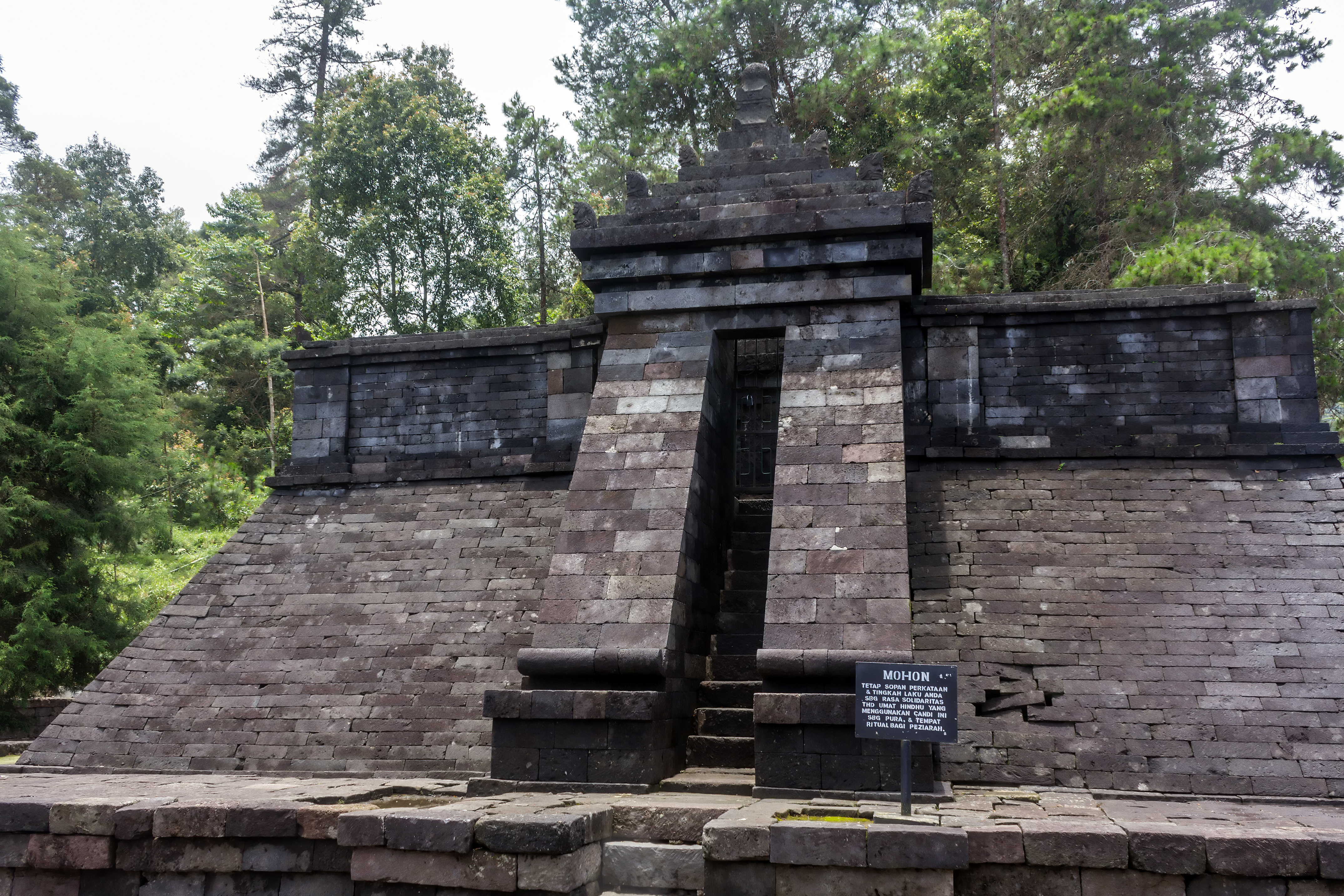
Ceto Temple
-7.5956° N, 111.1581° E
About
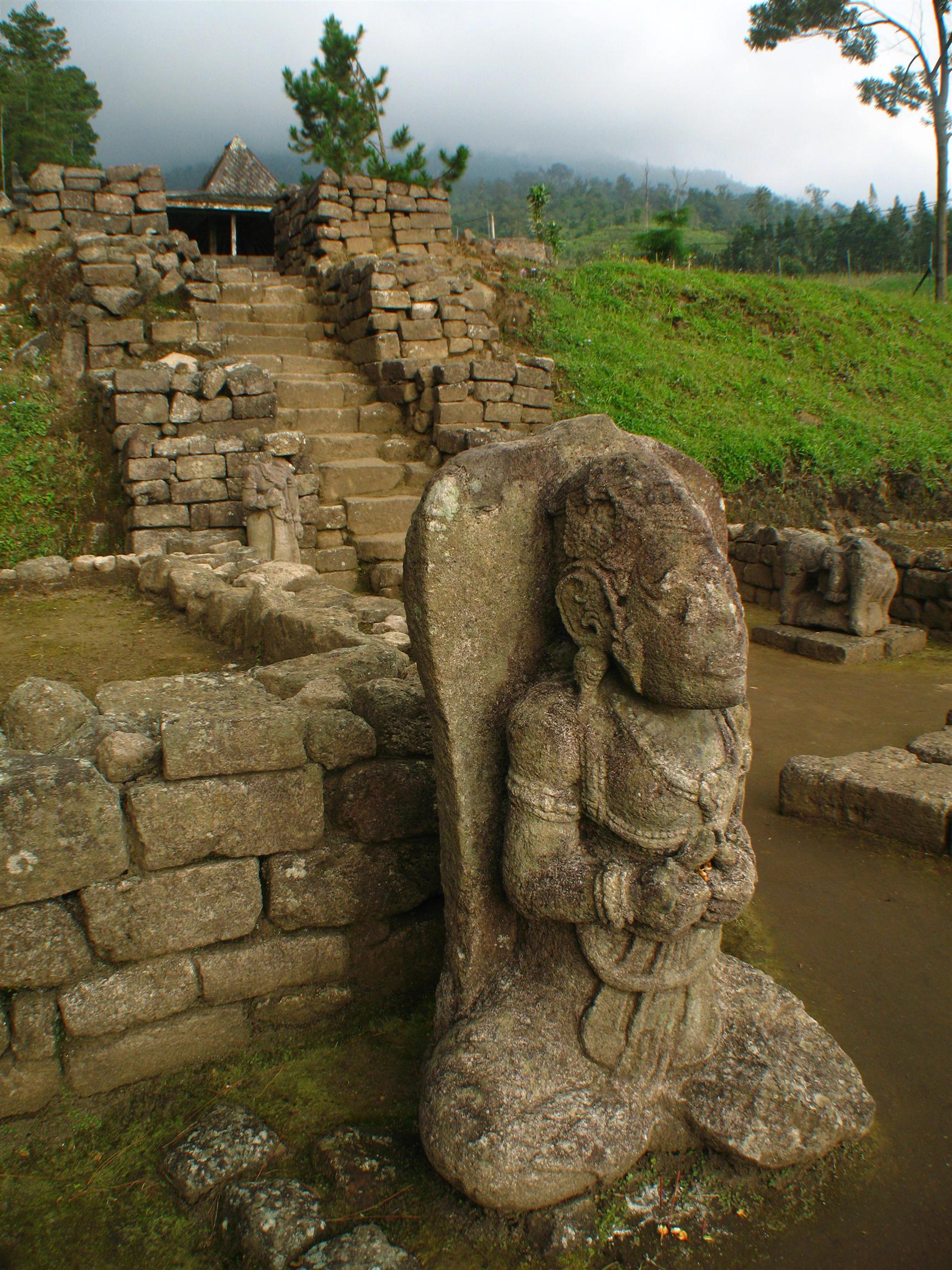
The Ceto Temple, known as Candi Ceto in Indonesian, is a significant archaeological site dating back to the fifteenth century, located on the western slope of Mount Lawu in Java. This Javanese-Hindu temple is part of a series of temples constructed in the region during a time when Javanese religious and artistic expressions began to diverge from traditional Indian influences. As one of the final temple-building efforts before the widespread conversion of Java's courts to Islam in the 16th century, Ceto Temple holds great historical importance. Its unique architectural style and lack of comprehensive records pose challenges to historians in interpreting the cultural and religious practices of the era. This temple, alongside the nearby Sukuh Temple, represents the rich and complex tapestry of Java's pre-Islamic spiritual landscape.
Gallery
Explore photographs of ancient structures, artifacts, and archaeological excavations
Historical Timeline
Journey through time and discover key events in this site's history
Ceto Temple Construction
1400 CE - 1499 CE
Conversion to Islam
1500 CE - 1599 CE
Archaeological Features
Unique architectural and cultural elements found at this historical site
Religious and Ritual Structures
Frequently Asked Questions
Plan Your Visit
Tours, travel arrangements, and practical information

More Sites in Indonesia
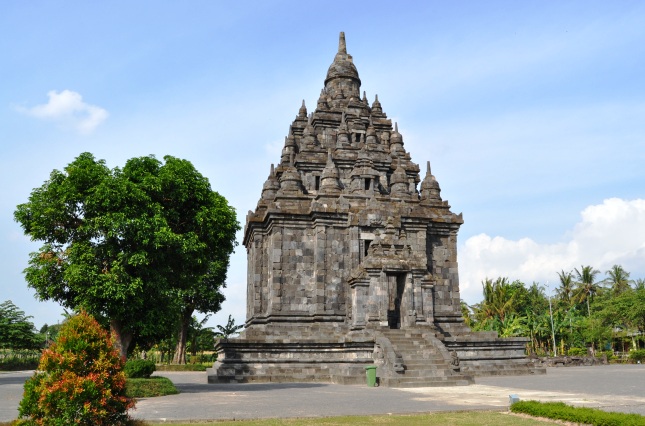
Sojiwan
9th-century Mahayana Buddhist temple complex
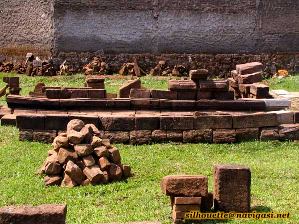
Bojongmenje
7th-century Hindu temple ruins in Java.
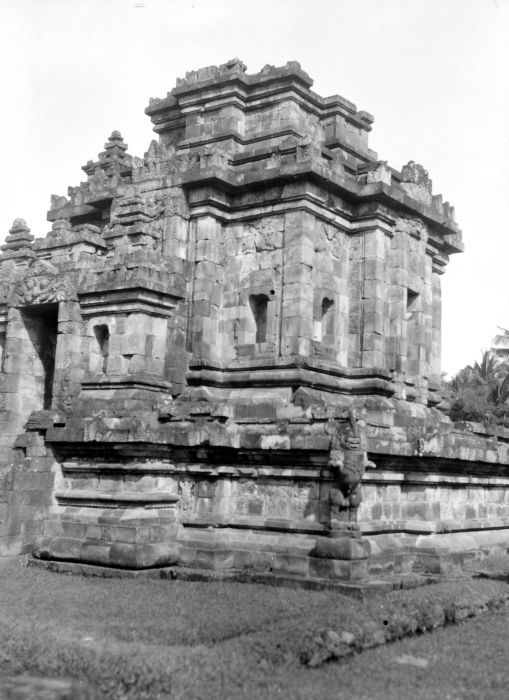
Ngawen
8th-century Buddhist temple with lion statues
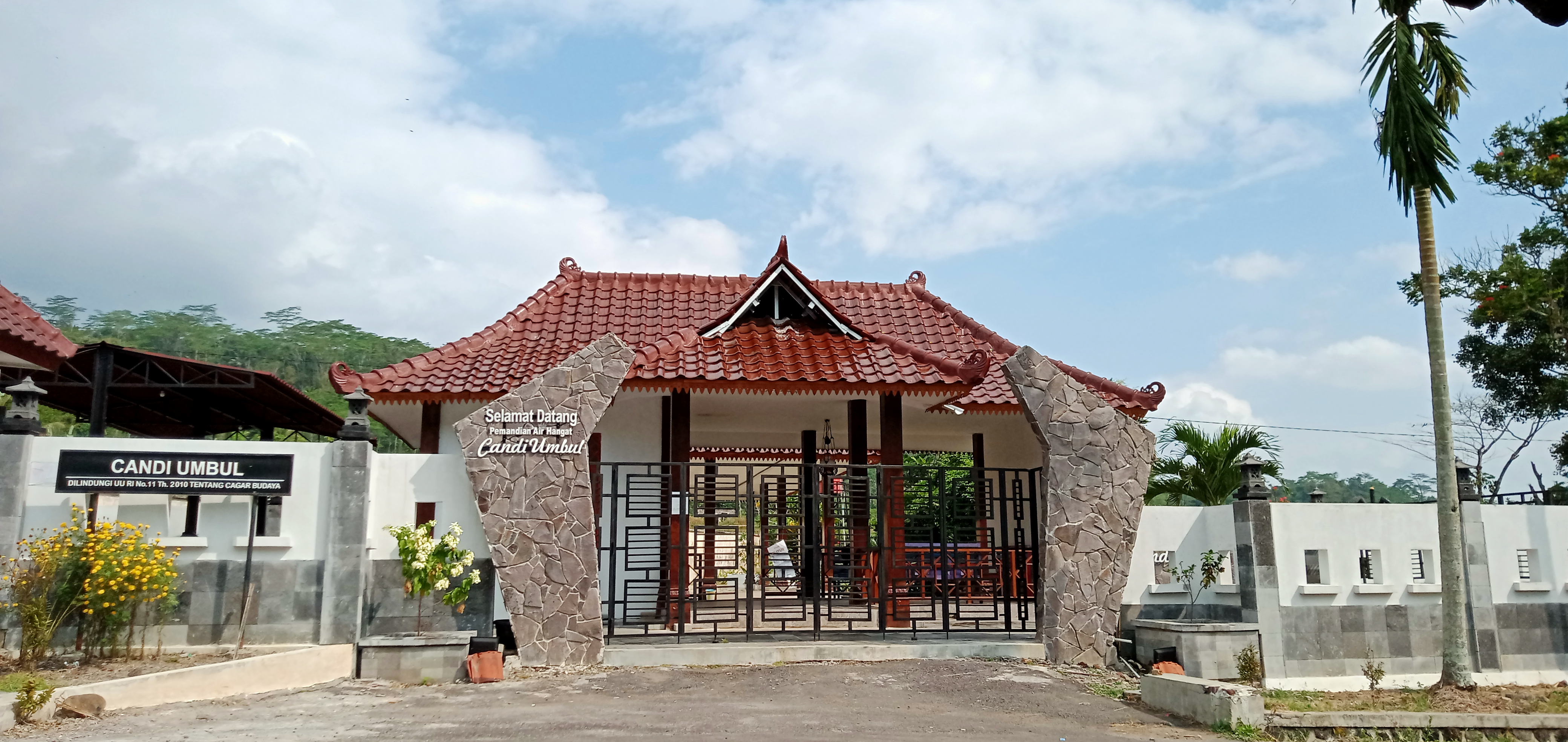
Umbul Temple
9th-century Hindu temple with bathing pools.
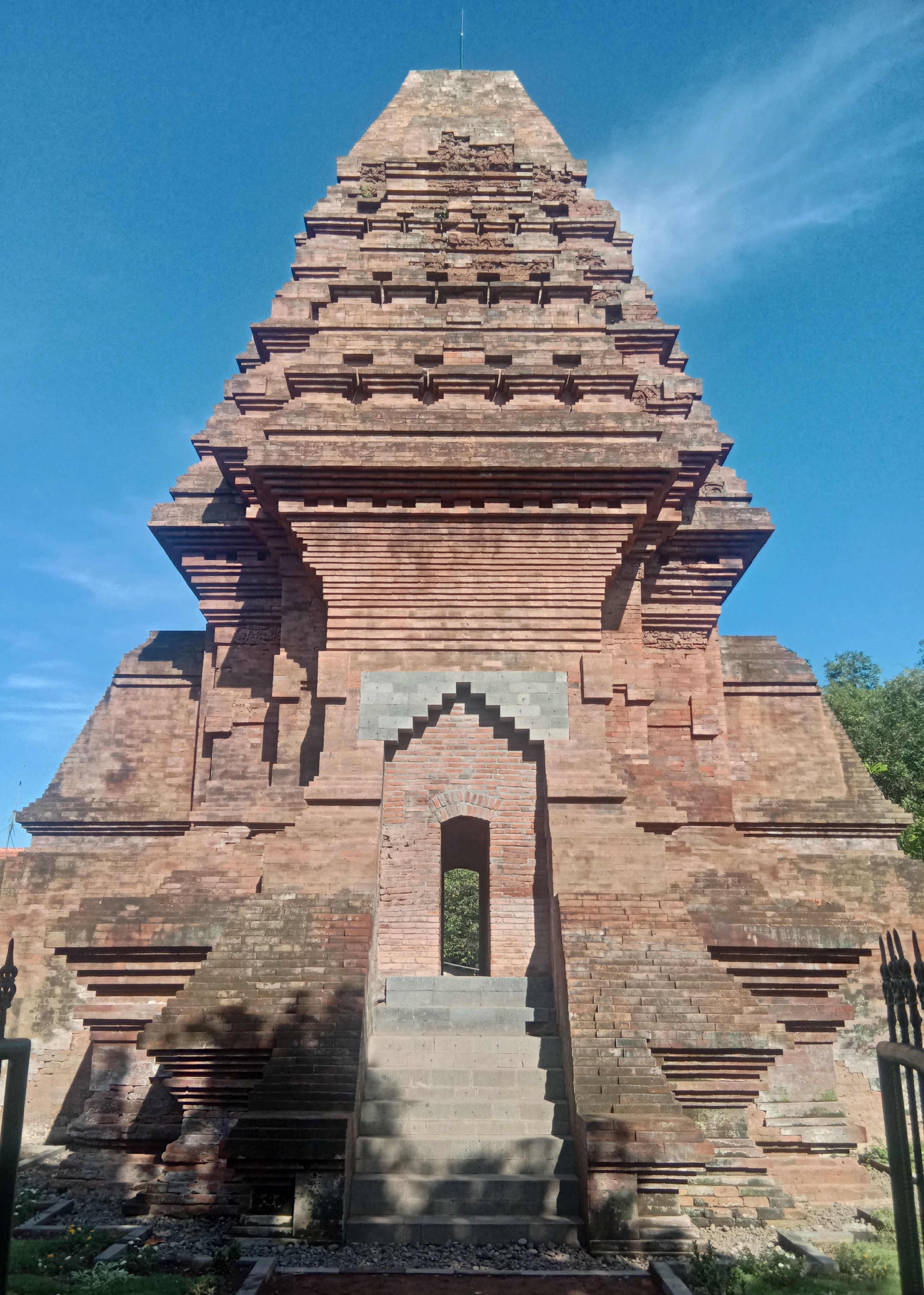
Dermo Temple
14th-century Hindu-Buddhist temple gate.
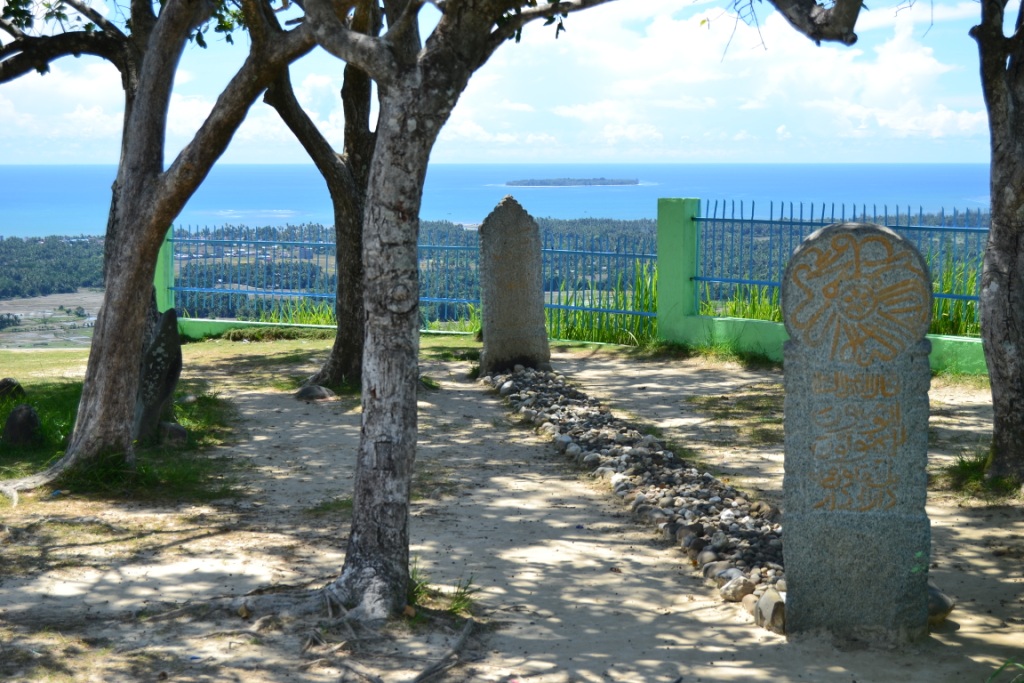
Makam Papan Tinggi
7th-8th century funerary complex on hill