Explore the Map
Dermo Temple
-7.4075° N, 112.6200° E
About
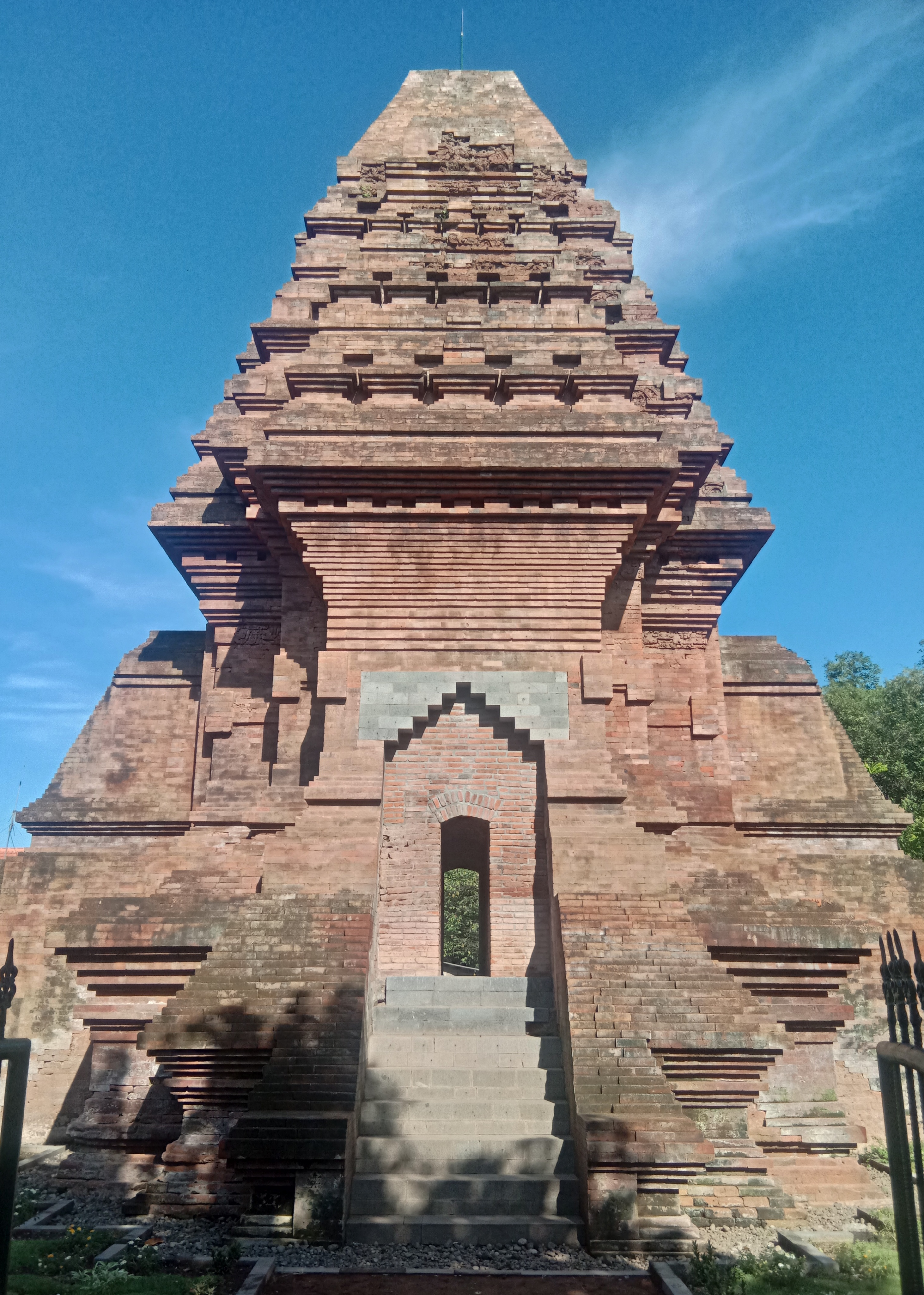
Dermo Temple, situated in Santren Hamlet, East Java, is a significant archaeological site from the late Post-Classical period, specifically the 14th century CE. The temple, a notable example of Hindu-Buddhist architecture, features a Garuda Padu Raksa gate, characterized by its unified roof structure. This architectural style is similar to the Bajang Ratu Gate of the Majapahit kingdom, indicating cultural and historical ties to that era. Despite the absence of explicit historical records detailing its construction, the temple's architectural style and relief carvings suggest its origins in the 14th century. The site has undergone restoration beginning in 2015 and was fully restored by December 2020, making it accessible to the public and preserving this cultural heritage site for future generations.
Gallery
Explore photographs of ancient structures, artifacts, and archaeological excavations
Historical Timeline
Journey through time and discover key events in this site's history
Construction of Dermo Temple
14th century CE
Archaeological Features
Unique architectural and cultural elements found at this historical site
Religious and Ritual Structures
Artistic and Decorative Features
Frequently Asked Questions
Plan Your Visit
Tours, travel arrangements, and practical information
More Sites in Indonesia
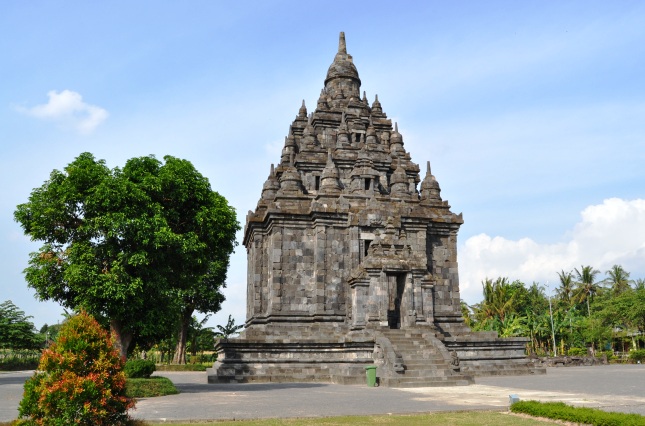
Sojiwan
9th-century Mahayana Buddhist temple complex
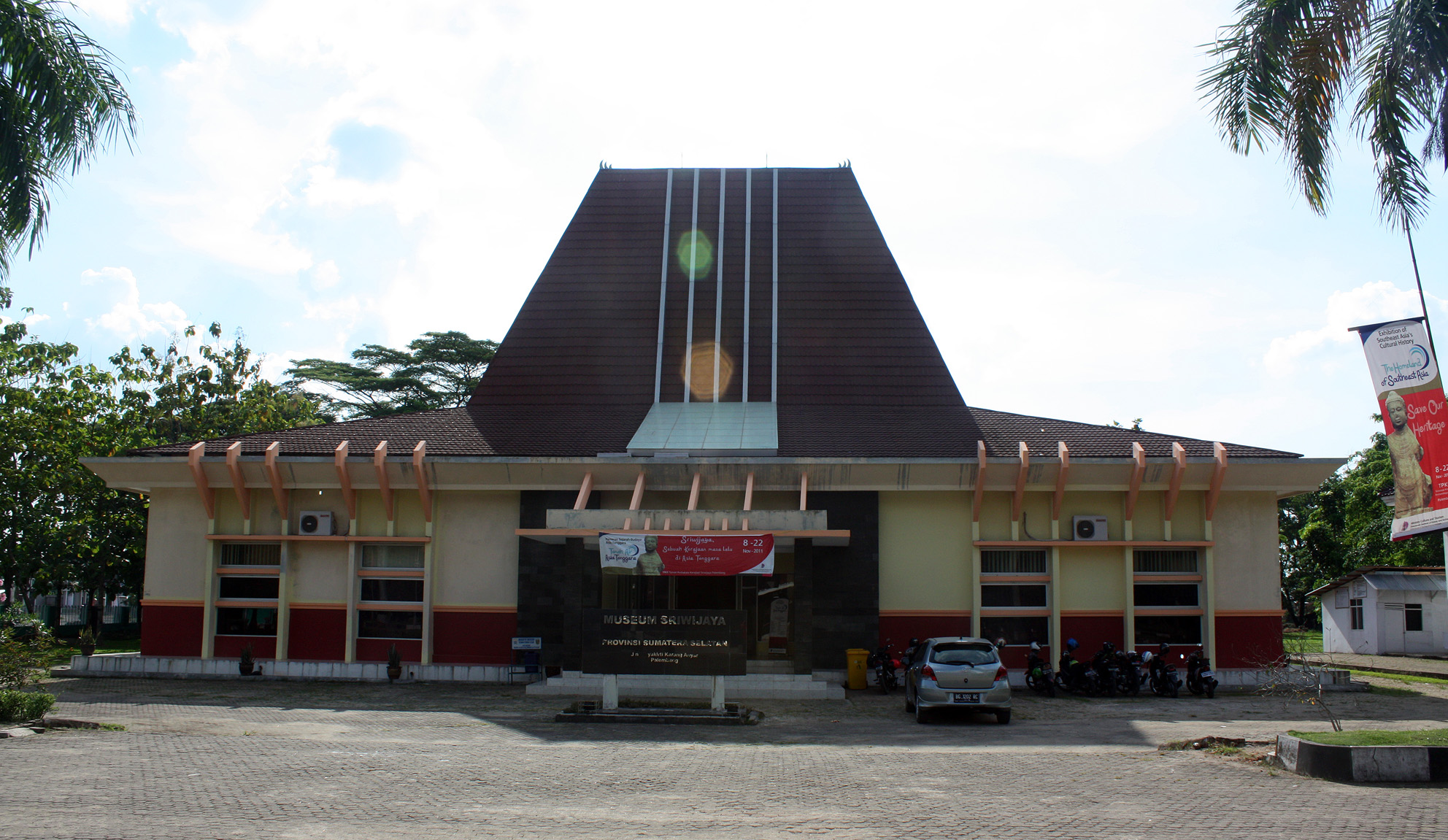
Sriwijaya Kingdom Archaeological Park
Ancient habitation with canals and ponds.
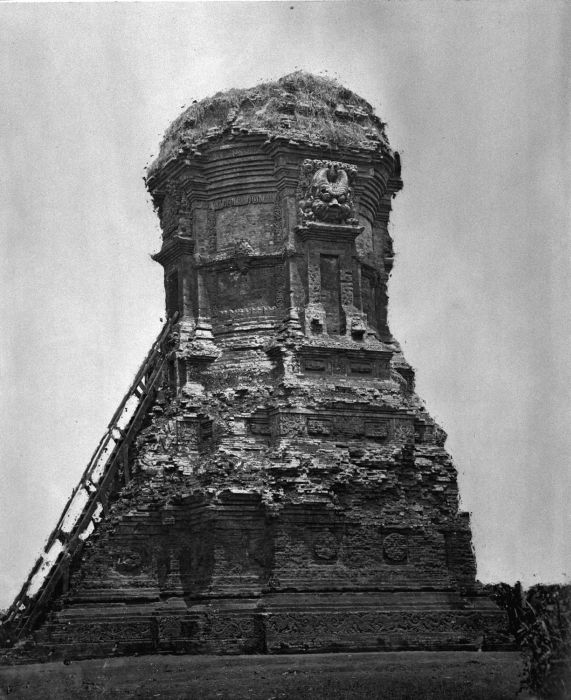
Jabung
14th-century brick Buddhist temple in Java.
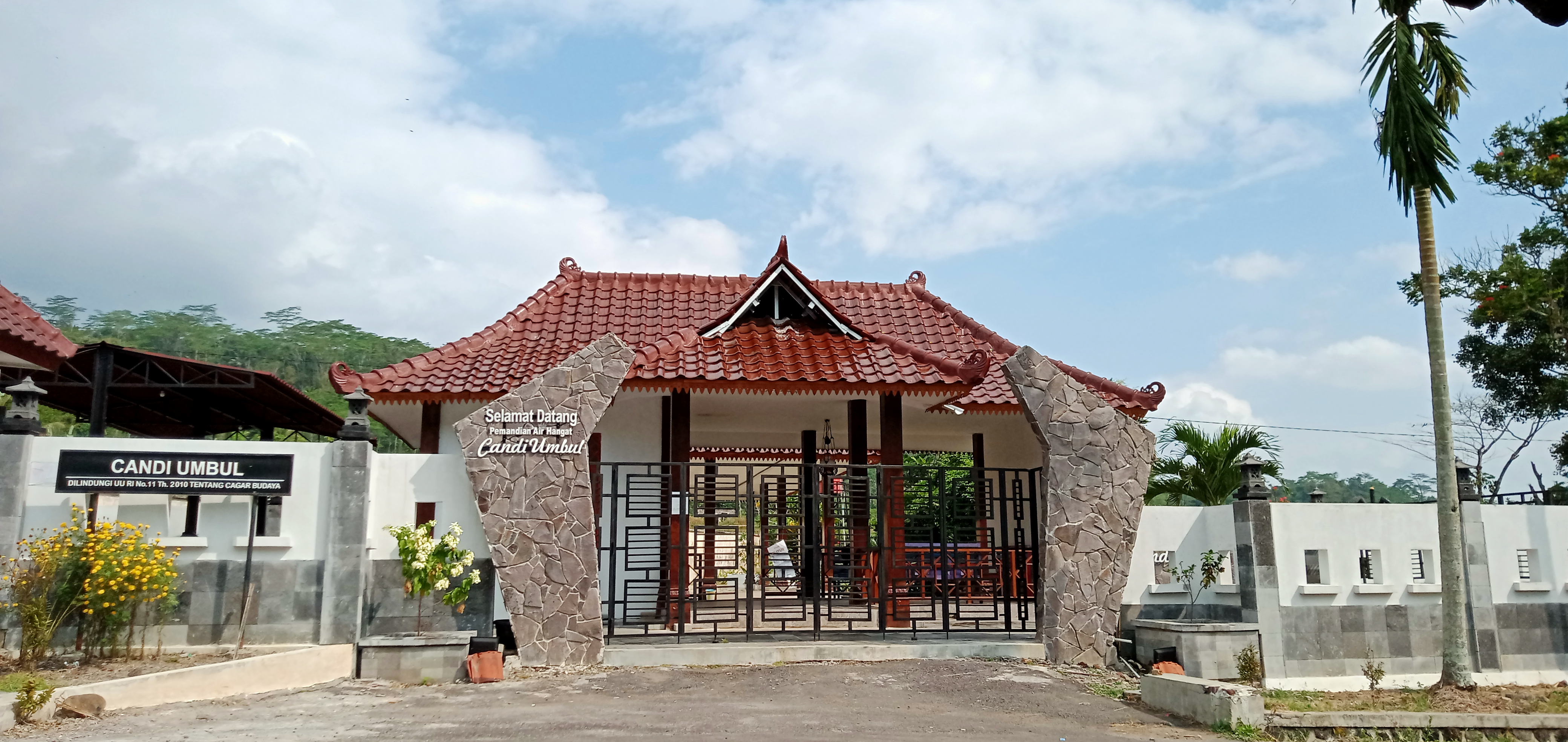
Umbul Temple
9th-century Hindu temple with bathing pools.
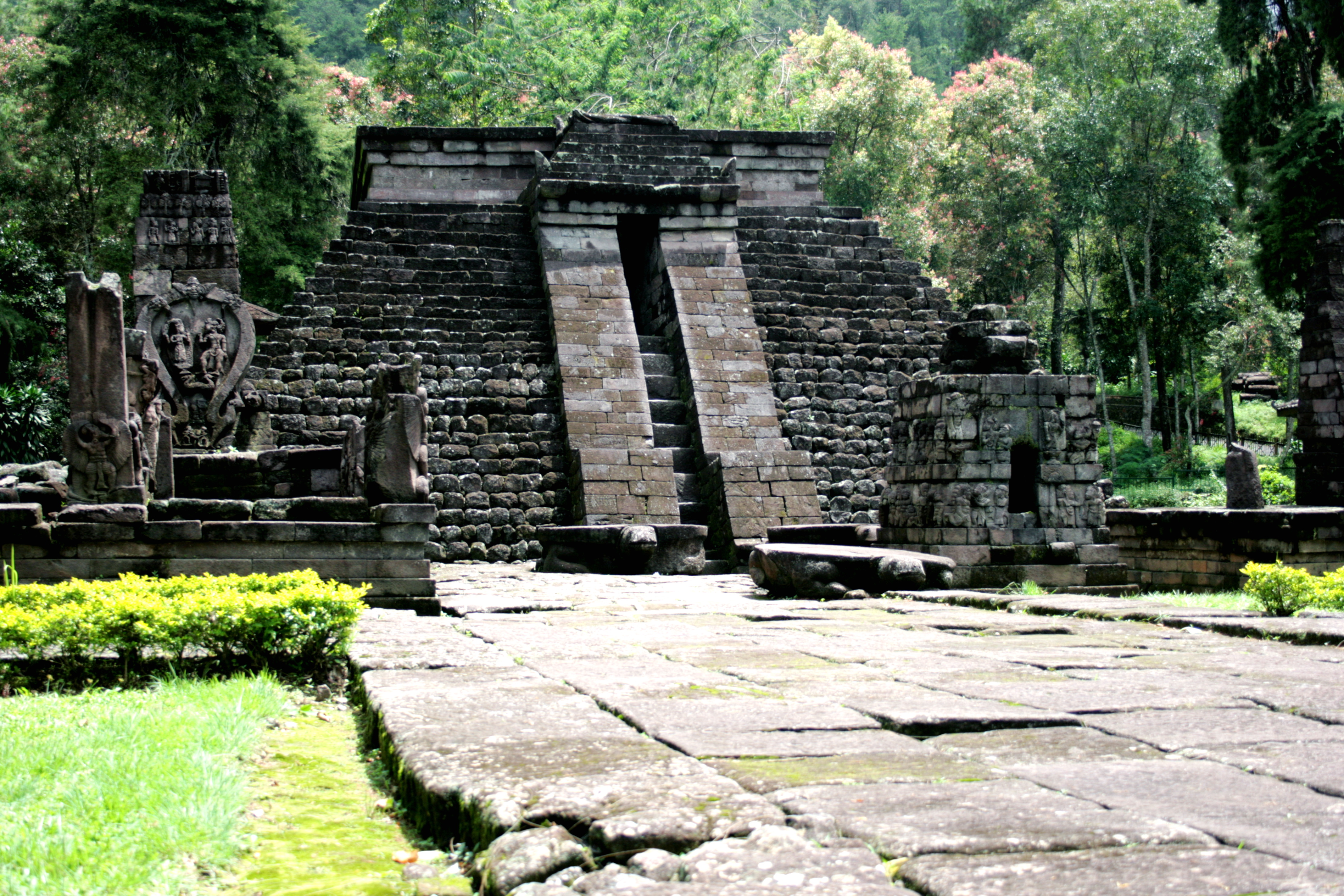
Sukuh
15th-century Javanese-Hindu pyramid temple
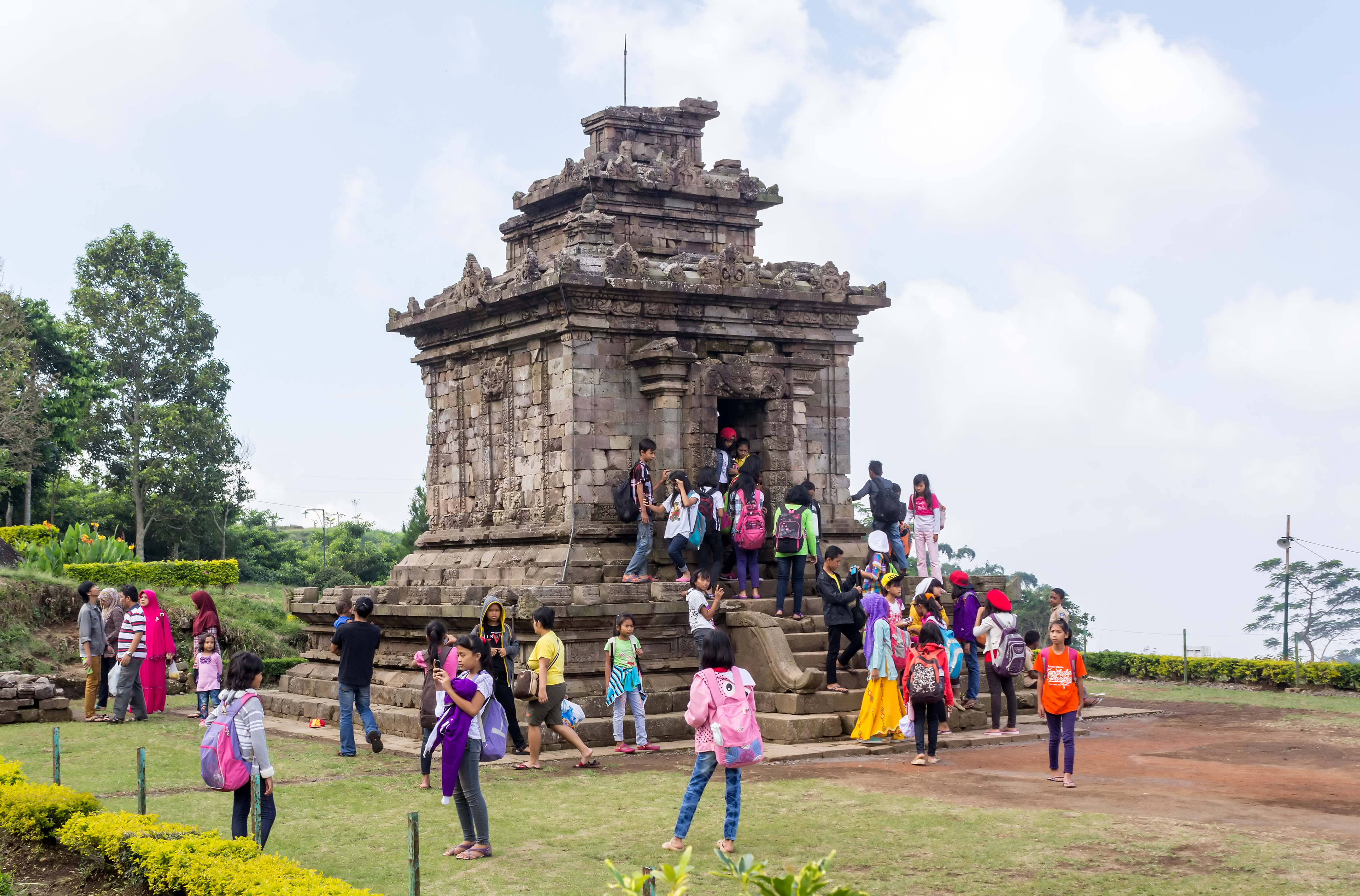
Gedong Songo
Hindu temples with Indian architectural influence.