Explore the Map
Umbul Temple
-7.3600° N, 110.2978° E
About
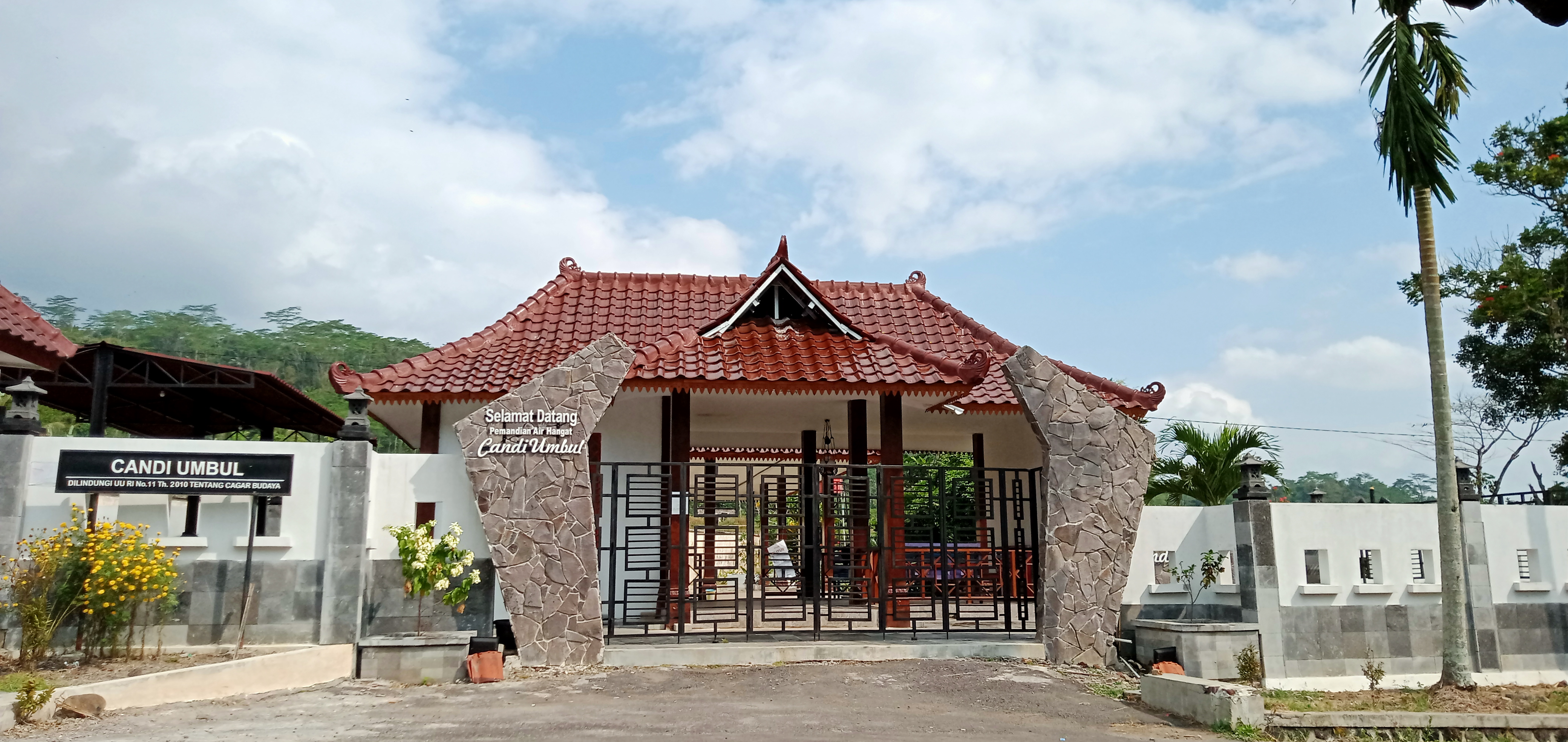
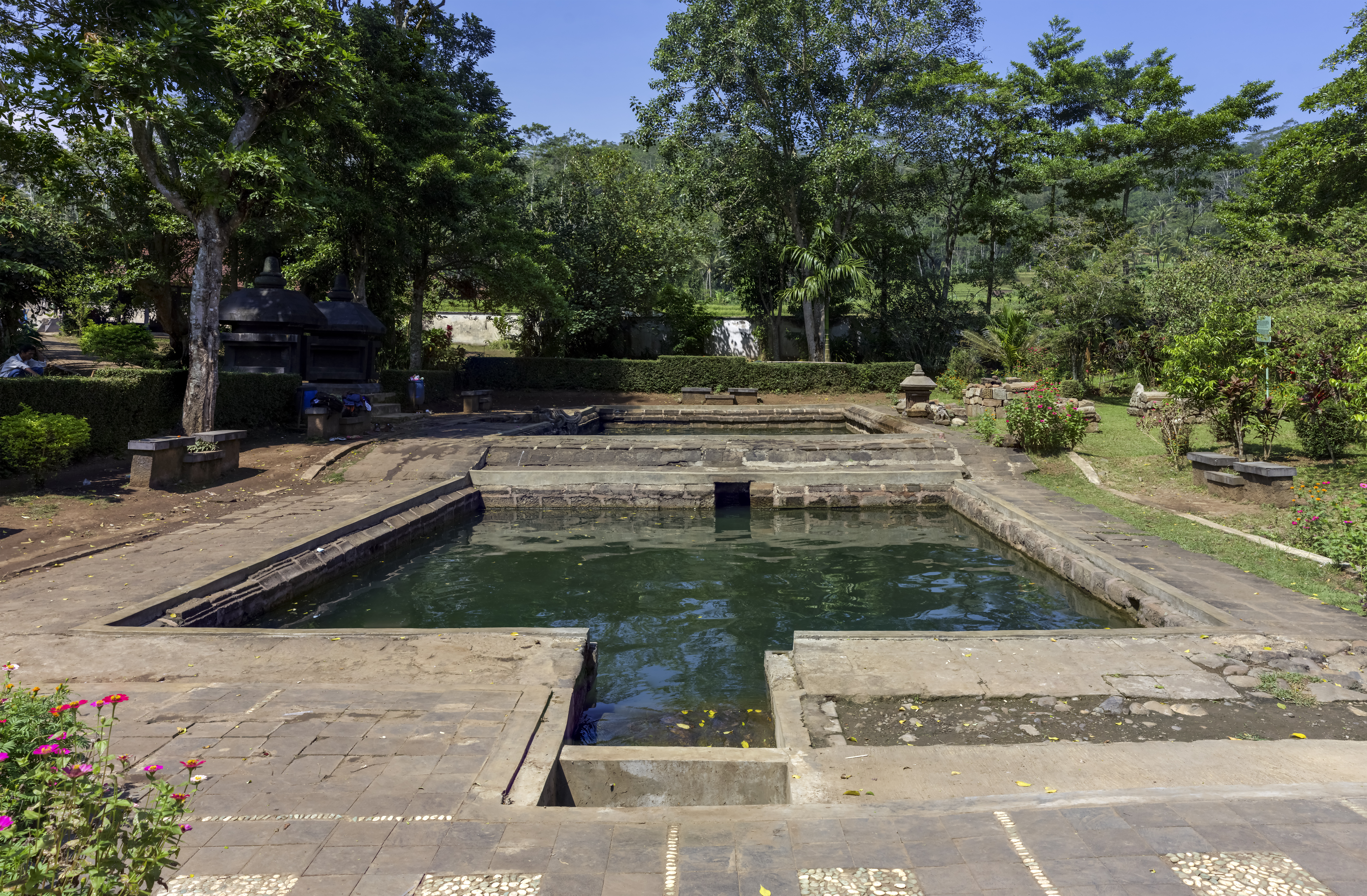
Umbul Temple, located in Kartoharjo, Grabag, Magelang, Central Java, Indonesia, is a significant archaeological site from the Mataram era, dating back to the 9th century CE. This Hindu temple, known for its two rectangular bathing pools, was likely constructed as a resting and bathing place for the Hindu kings of Mataram. The temple complex includes a garden area and numerous stones, including lingga and yoni, and religious sculptures of deities such as Ganesha, Durga, and Agastya, indicative of its ritual and religious importance. The site was abandoned in the early 11th century, likely due to the catastrophic eruption of Mount Merapi in 1006 CE. Today, Umbul Temple is recognized as a Cultural Property of Indonesia and remains a point of interest for tourists and pilgrims alike.
Gallery
Explore photographs of ancient structures, artifacts, and archaeological excavations
Historical Timeline
Journey through time and discover key events in this site's history
Construction of Umbul Temple
800-890 CE
Abandonment after Mount Merapi eruption
1006 CE
Archaeological Features
Unique architectural and cultural elements found at this historical site
Water Management Features
Religious and Ritual Structures
Artistic and Decorative Features
Environmental and Natural Features
Frequently Asked Questions
Plan Your Visit
Tours, travel arrangements, and practical information
More Sites in Indonesia
Jabung
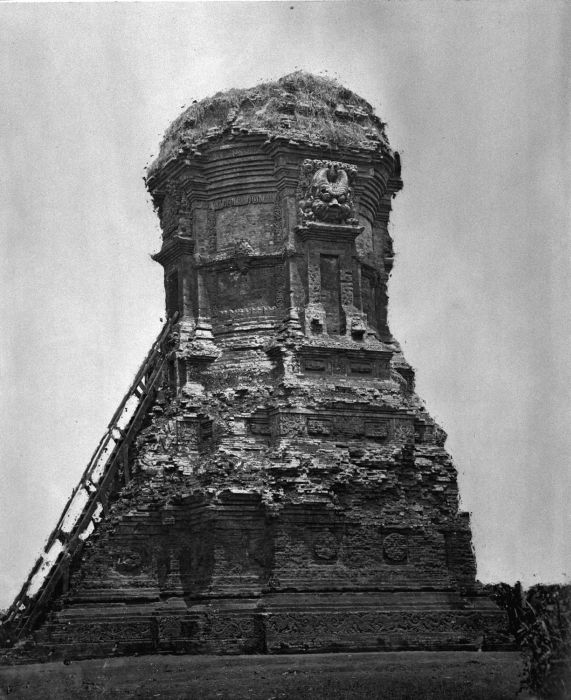
14th-century brick Buddhist temple in Java.
Bojongmenje
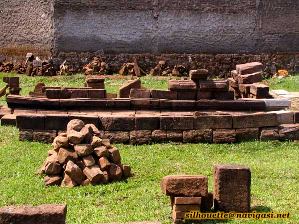
7th-century Hindu temple ruins in Java.
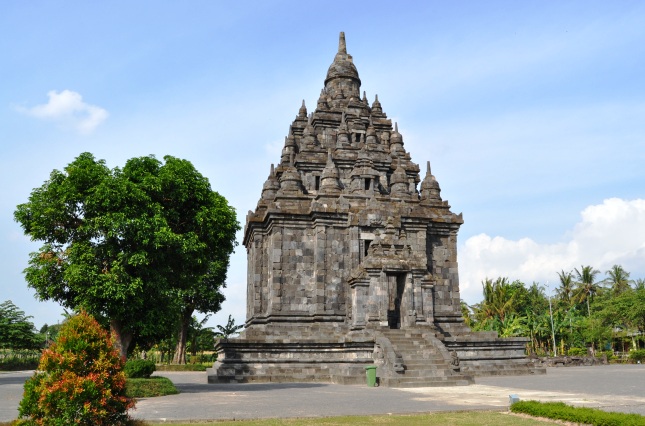
Sojiwan
9th-century Mahayana Buddhist temple complex
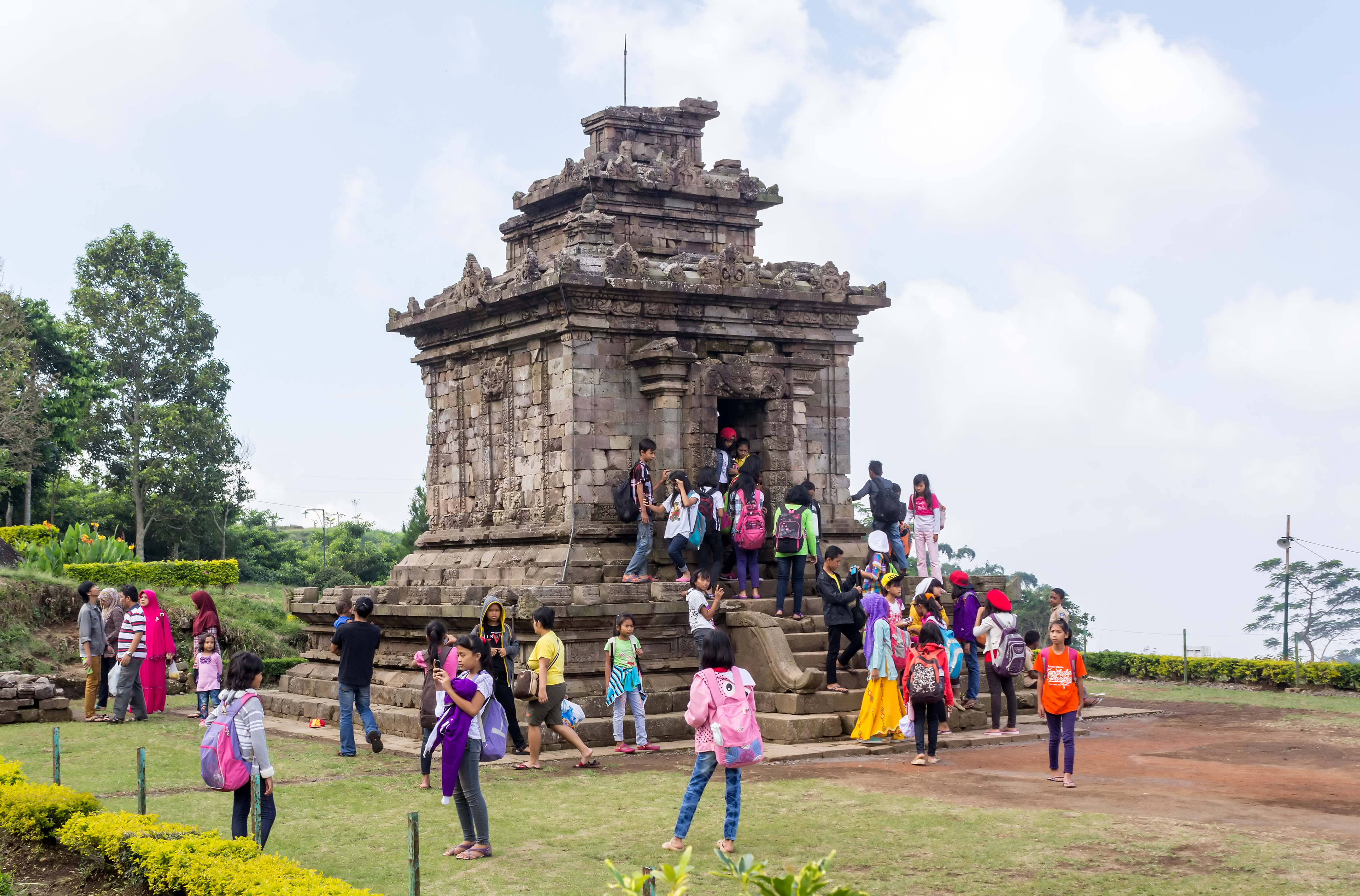
Gedong Songo
Hindu temples with Indian architectural influence.
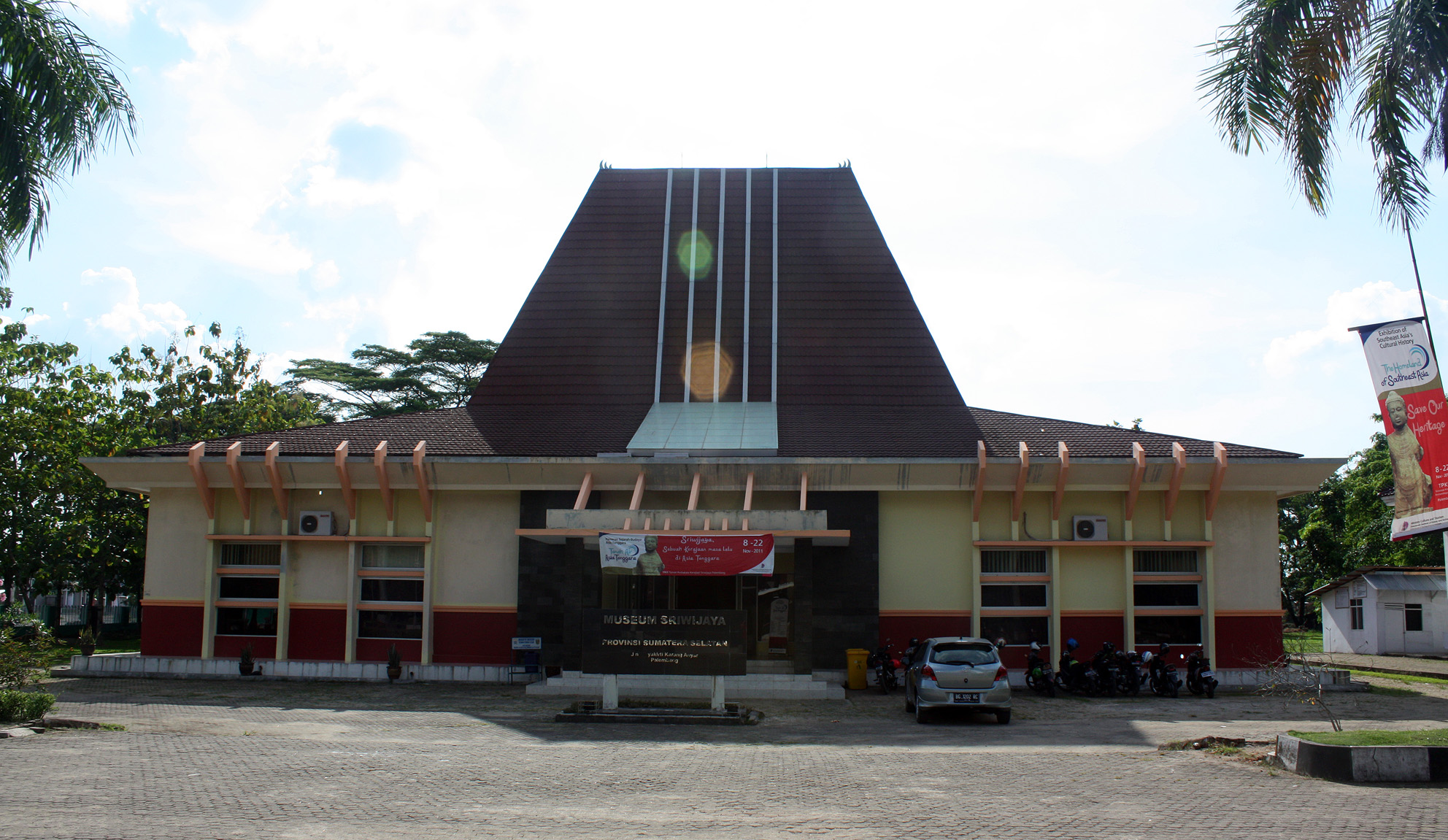
Sriwijaya Kingdom Archaeological Park
Ancient habitation with canals and ponds.
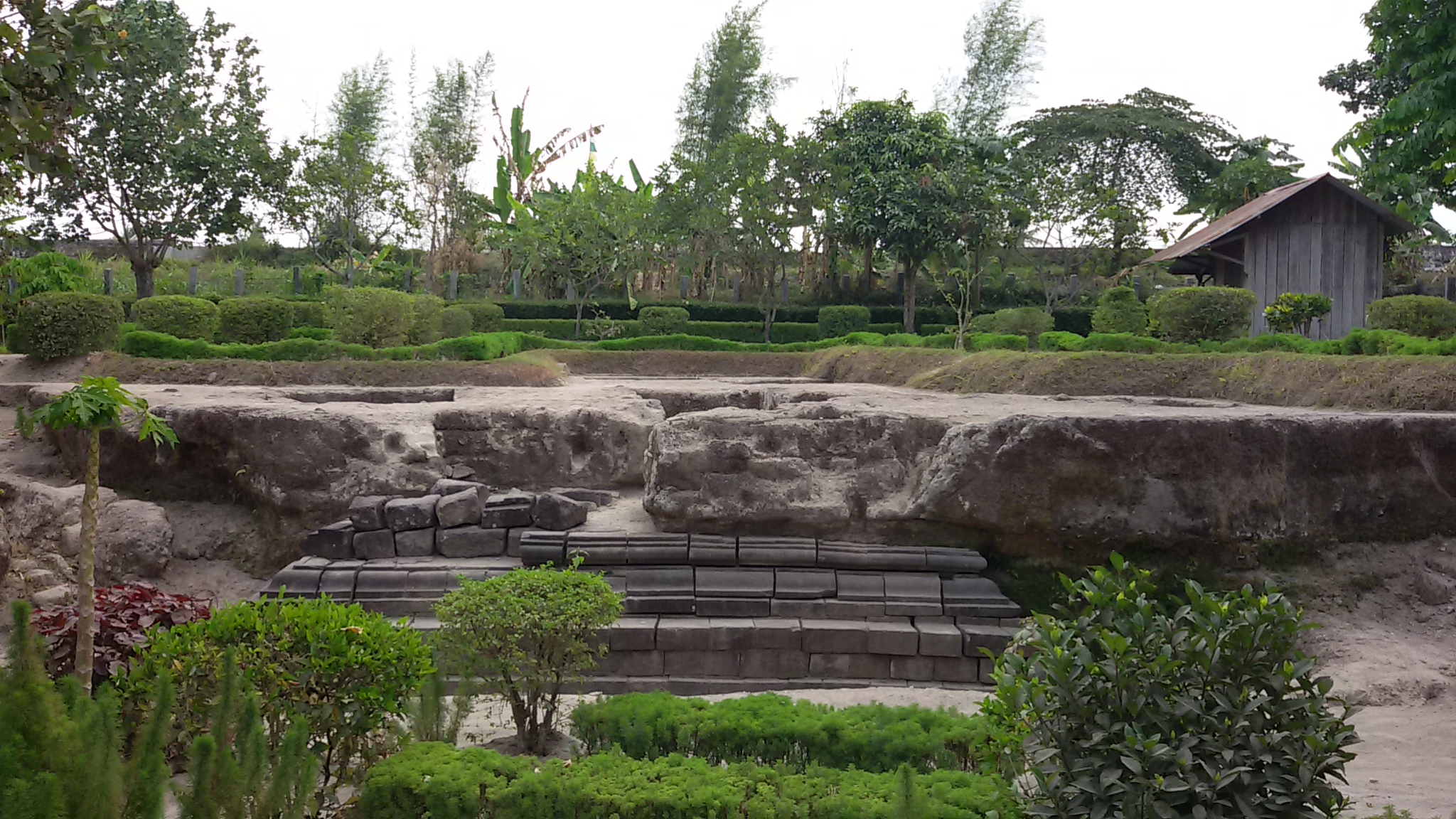
Kadisoka
Partially excavated Hindu temple in Indonesia.