Explore the Map
Bumiayu temple
-3.3480° N, 104.0887° E
About
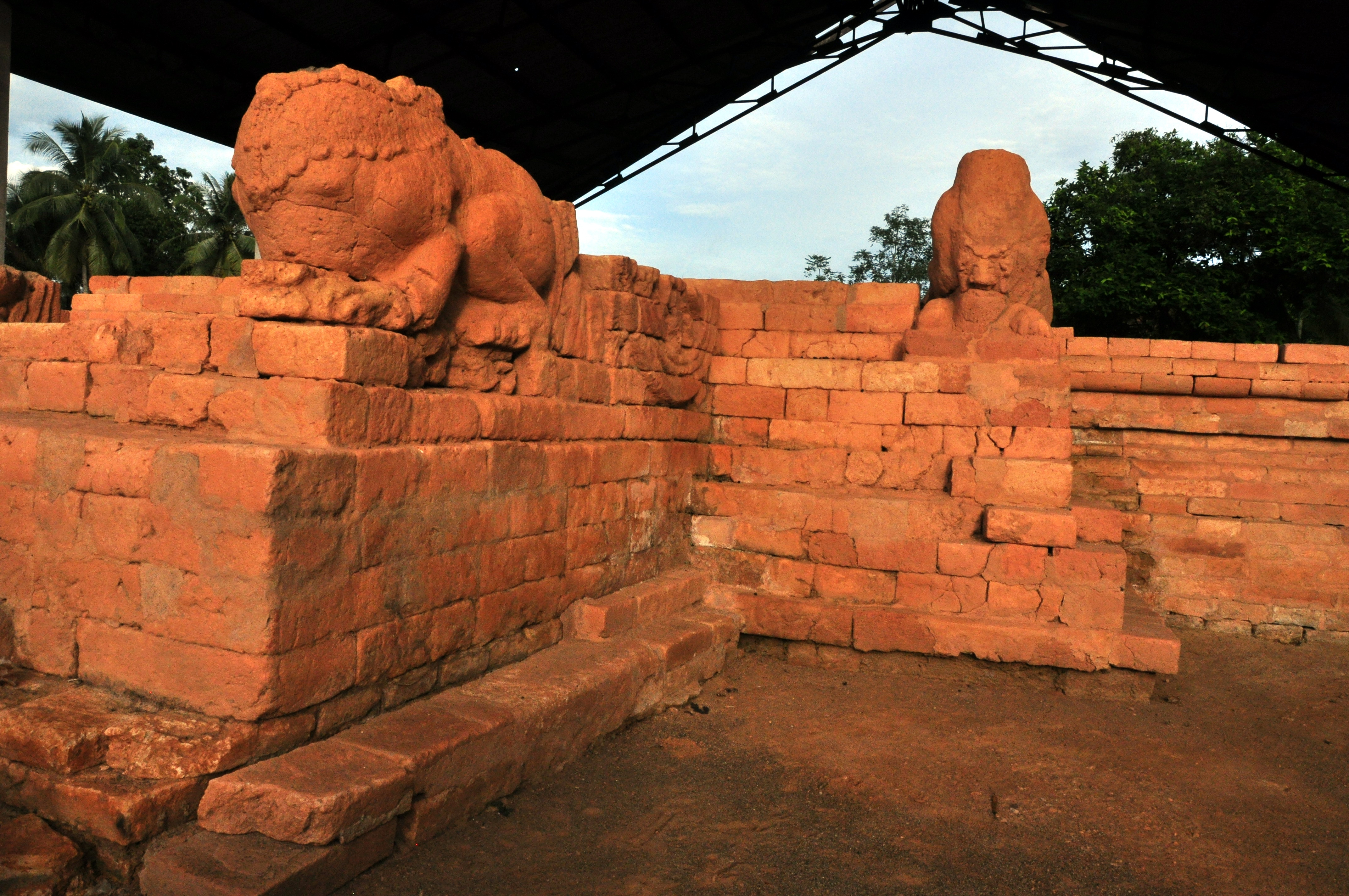
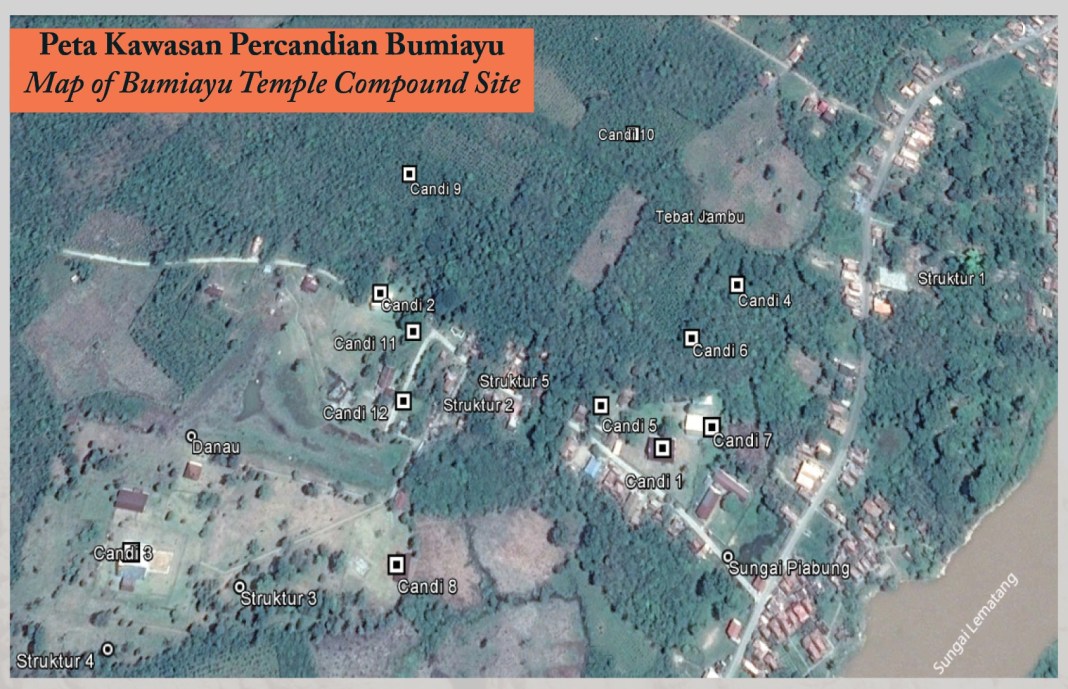
The Bumiayu temple compound in South Sumatra, Indonesia, is a significant archaeological site featuring remnants of a Sumatran Shivaist Hindu temple complex. Dating from the 8th to 13th centuries CE, the site is linked to the Srivijaya kingdom, reflecting its religious diversity with both Hindu and Tantric Buddhist influences. The complex consists of 13 red brick structures, with only five partially reconstructed. Notable finds include statues of Hindu deities like Shiva Mahadeva and Agastya, as well as Tantric Buddhist figures such as Camundi. The compound's abandonment is thought to coincide with the arrival of Islam in the region. The site's discovery has provided insights into the coexistence of Hinduism and Buddhism in the Srivijayan realm, emphasizing its cultural and historical significance.
Gallery
Explore photographs of ancient structures, artifacts, and archaeological excavations
Historical Timeline
Journey through time and discover key events in this site's history
Temple Construction and Use
8th to 13th century CE
Shift to Tantric Buddhism
12th to 13th century CE
Abandonment
16th century or earlier
Archaeological Features
Unique architectural and cultural elements found at this historical site
Defensive Structures
Religious and Ritual Structures
Artistic and Decorative Features
Frequently Asked Questions
Plan Your Visit
Tours, travel arrangements, and practical information
More Sites in Indonesia
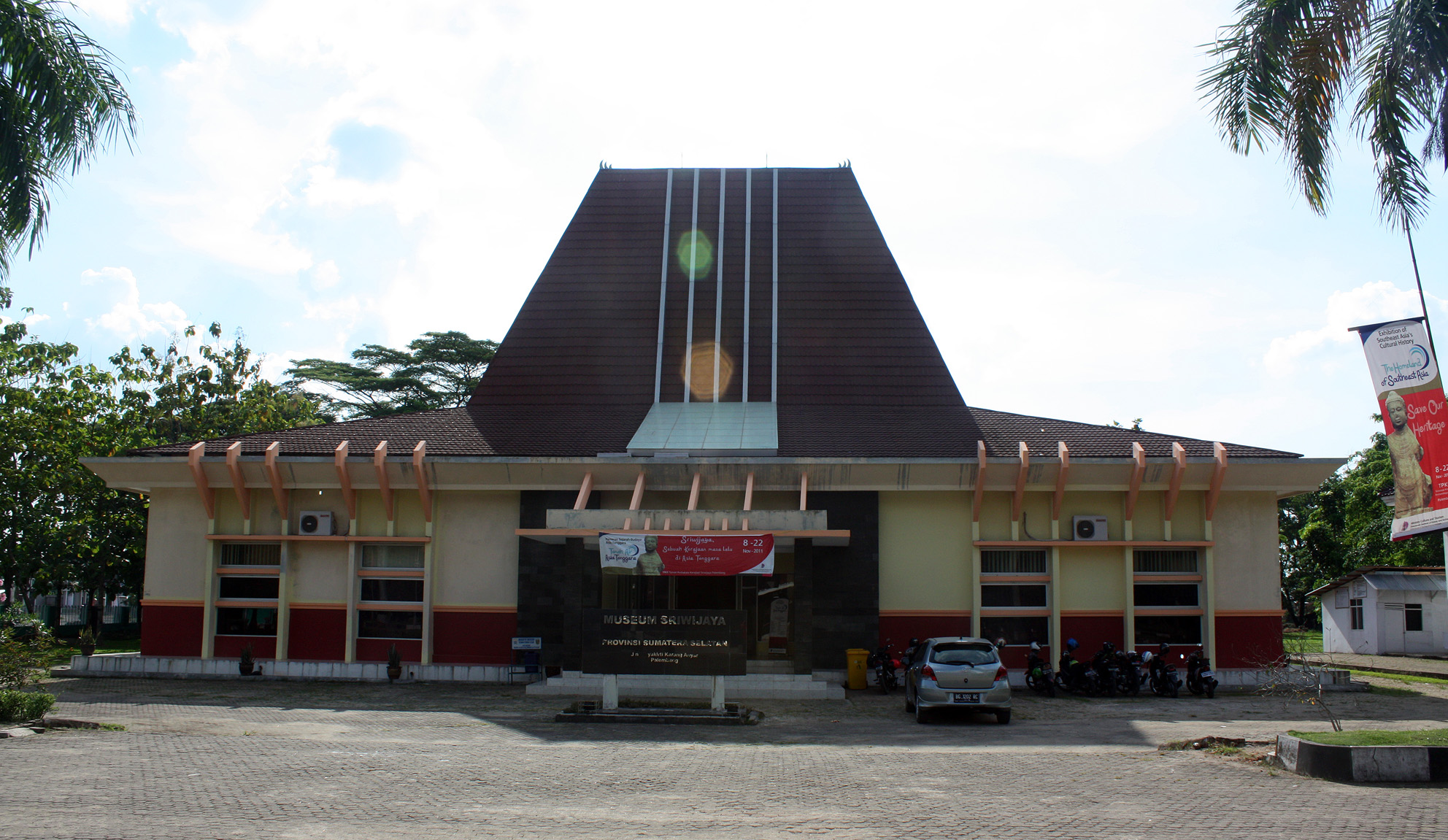
Sriwijaya Kingdom Archaeological Park
Ancient habitation with canals and ponds.
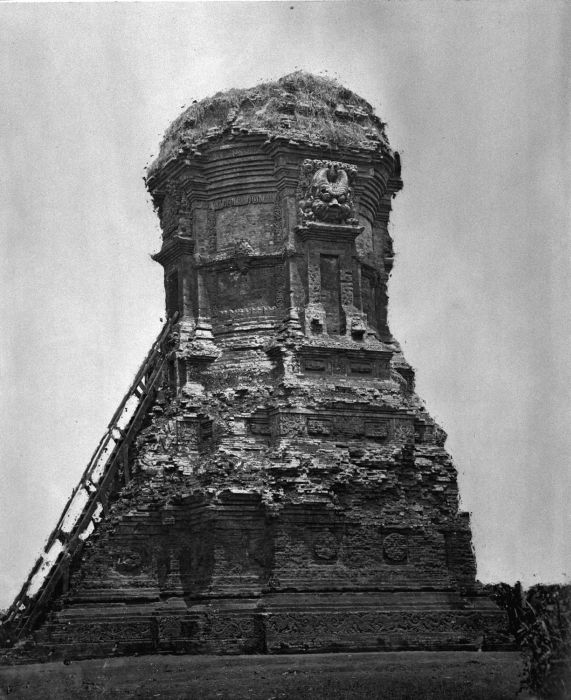
Jabung
14th-century brick Buddhist temple in Java.
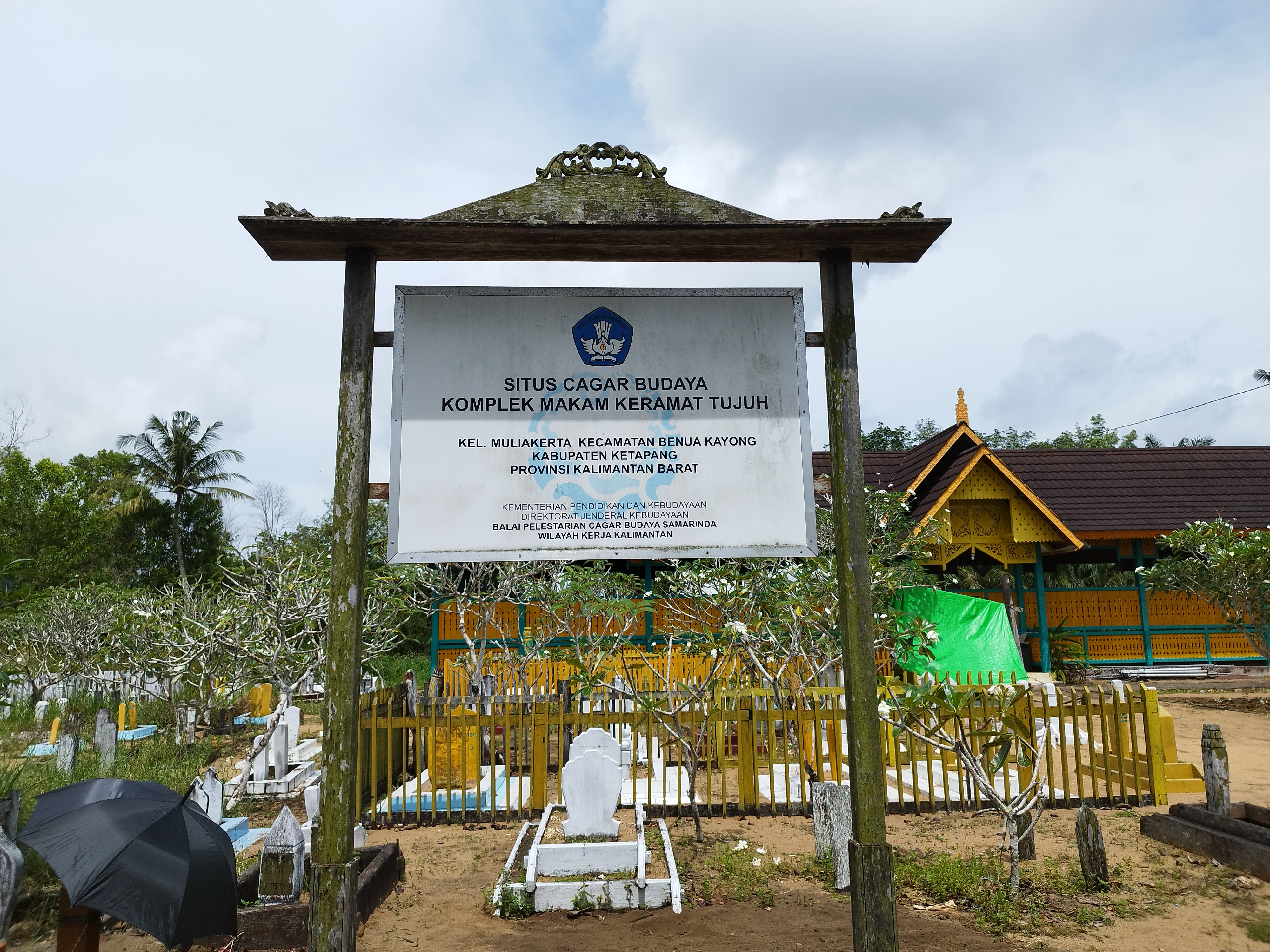
Makam Keramat Tujuh
Historic funerary and religious complex
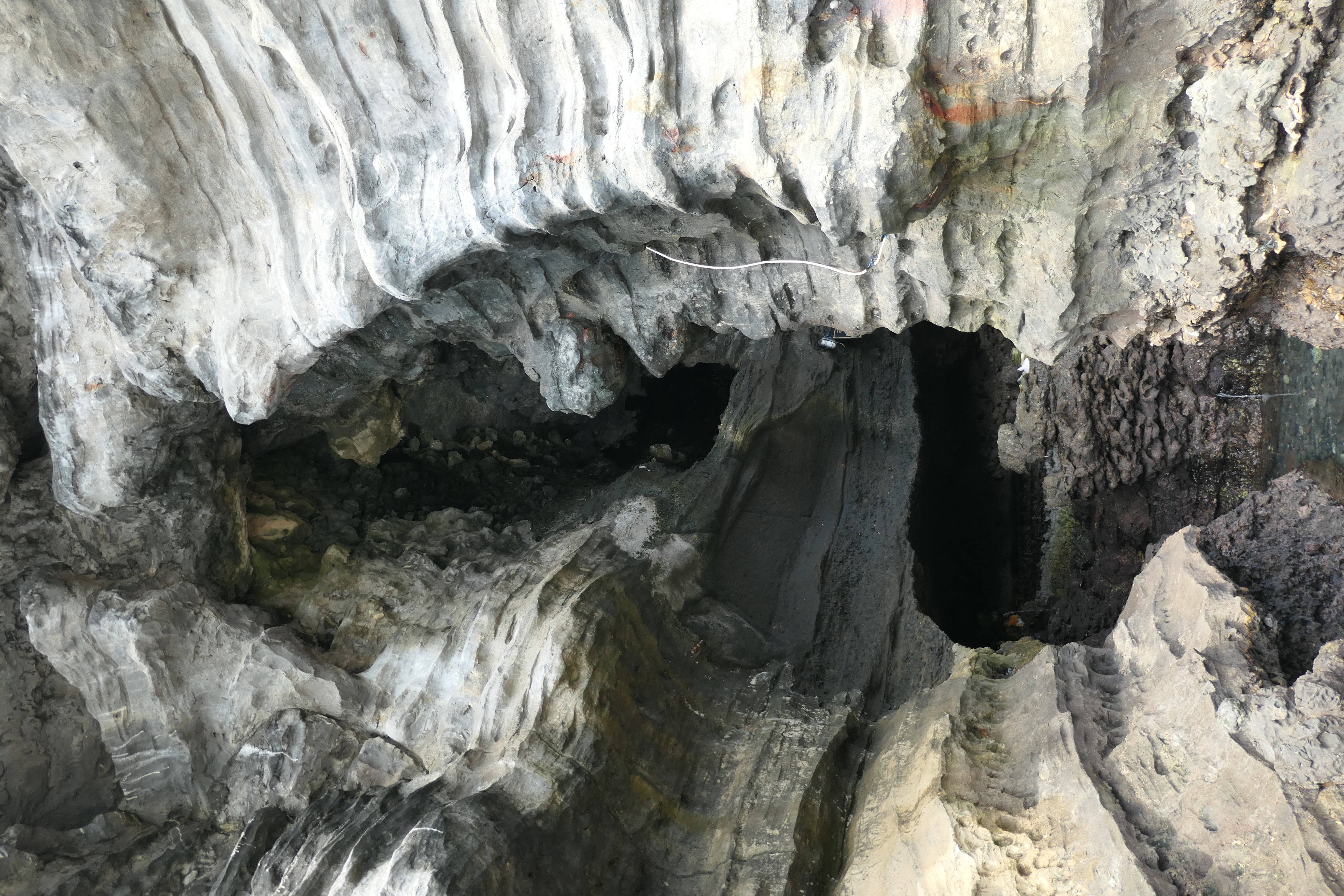
Tanah Lot
Hindu sea temple on an offshore rock, Bali
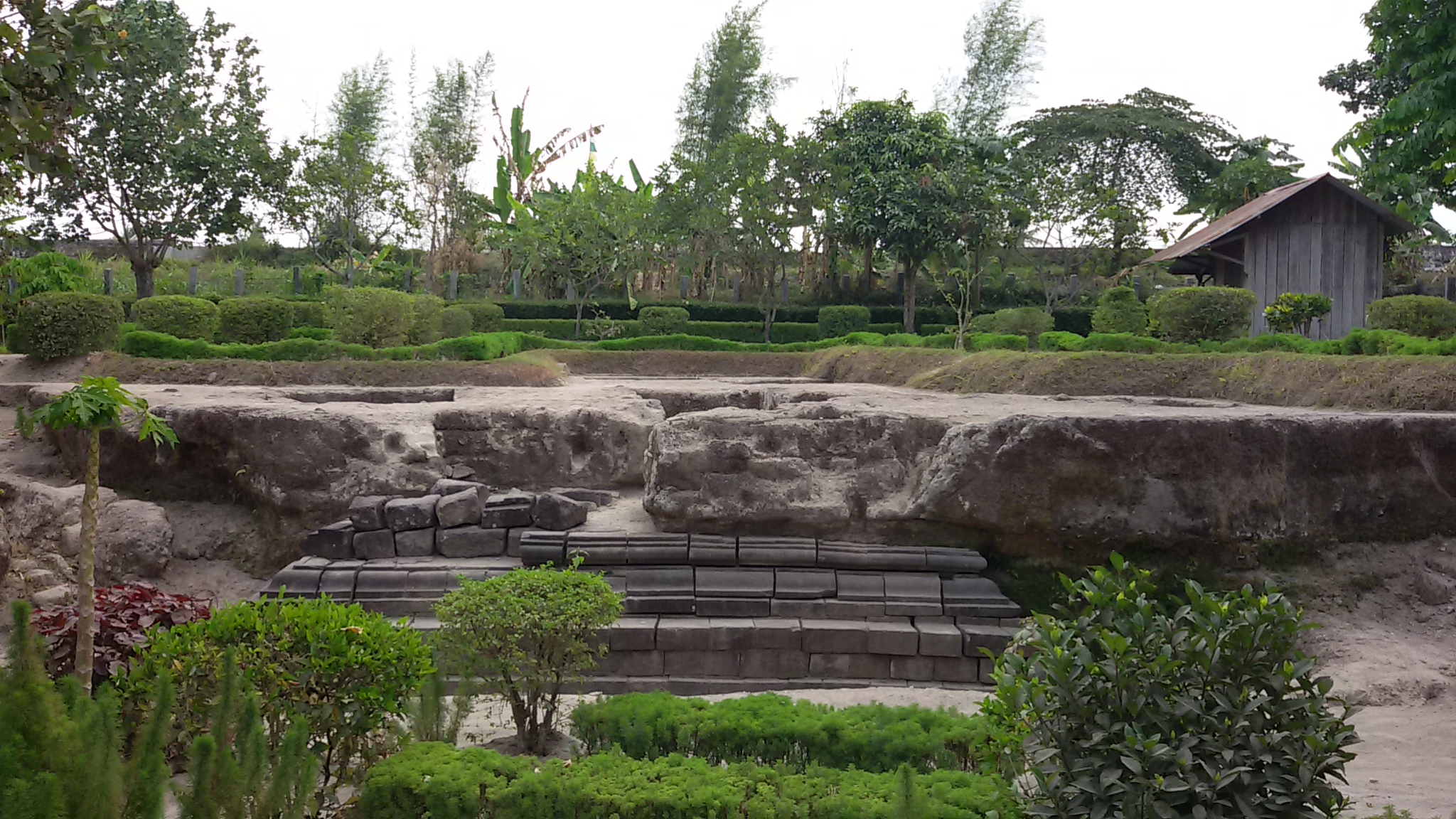
Kadisoka
Partially excavated Hindu temple in Indonesia.
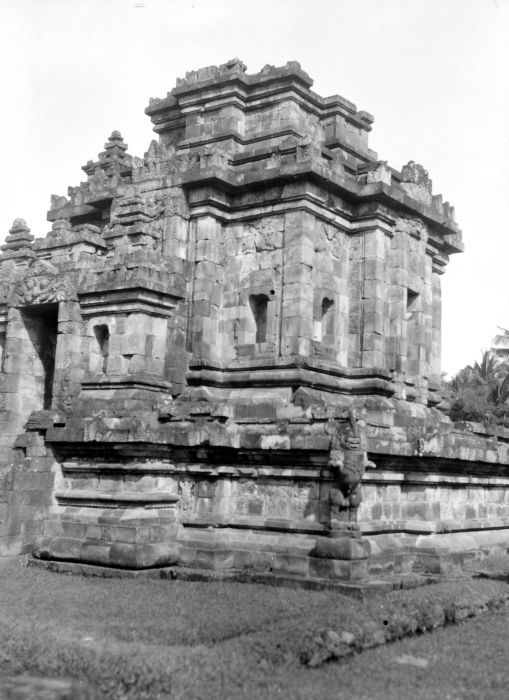
Ngawen
8th-century Buddhist temple with lion statues